
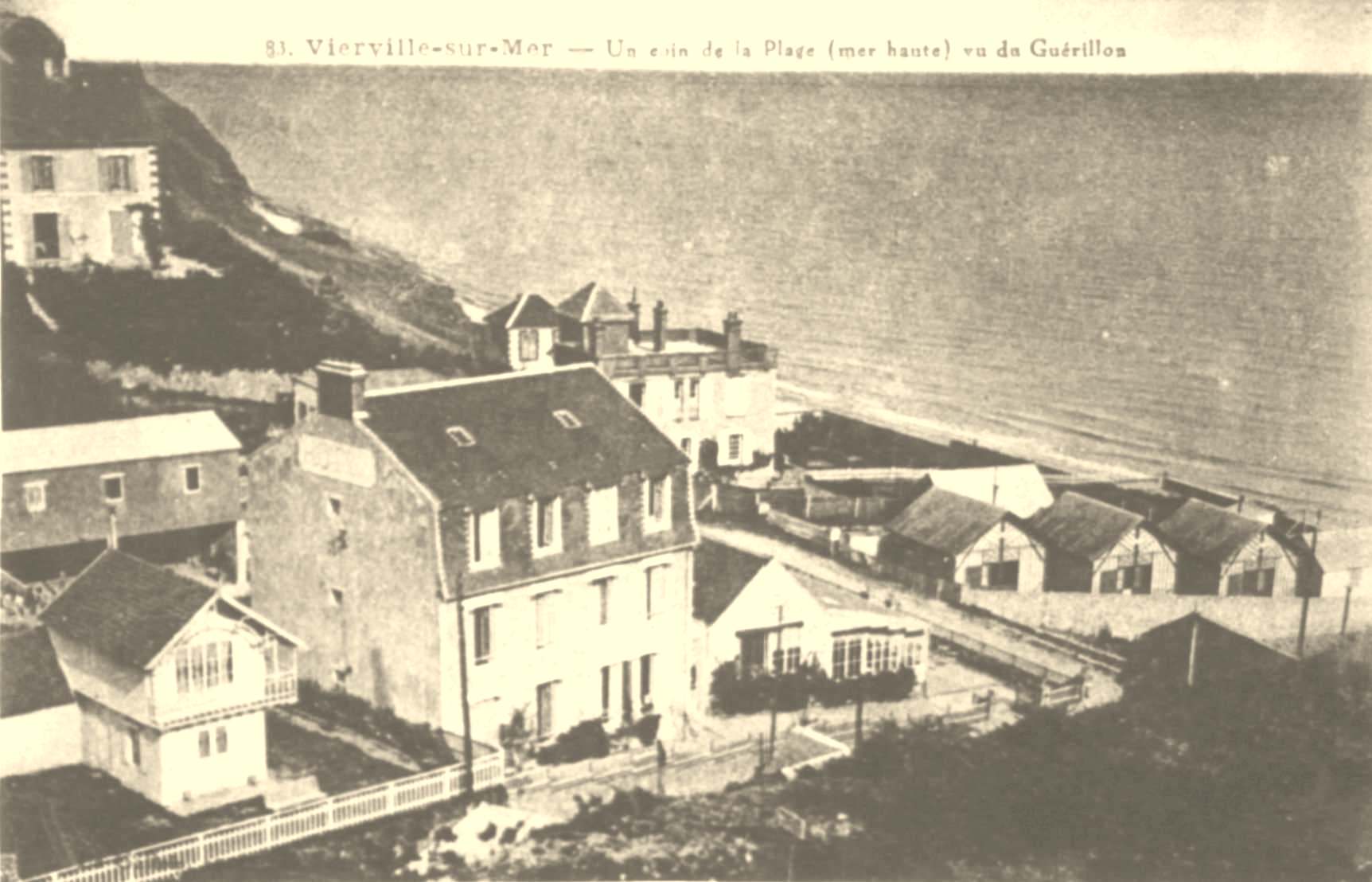
Casino hotel, before war
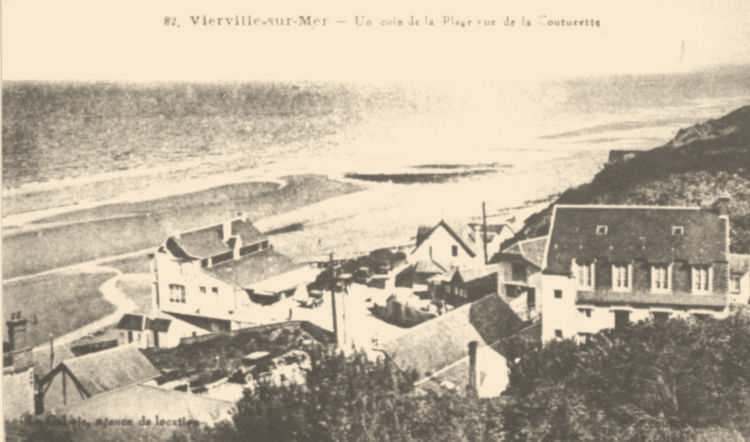
(details)
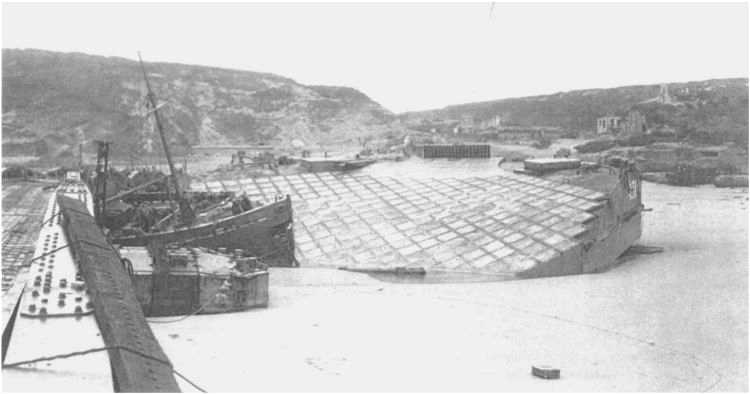
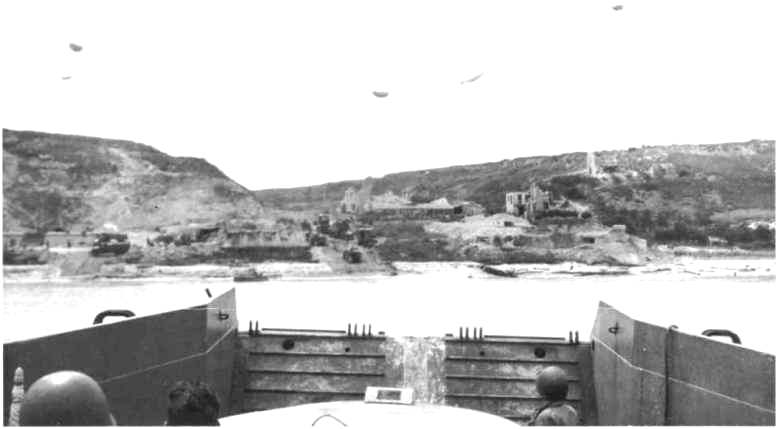


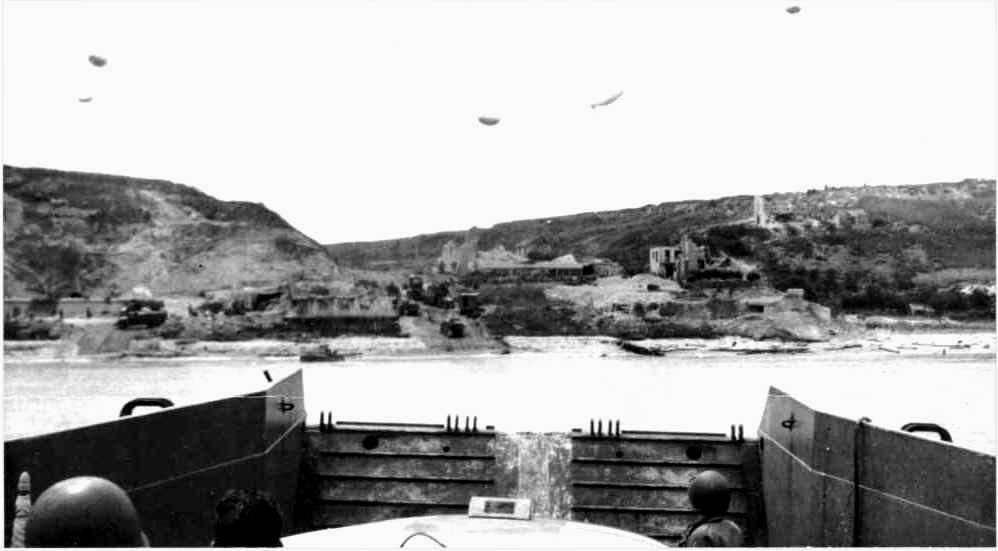



The memories of the Piprel family (June 6)
Extracts from "The Madest Day" (by E. Coquart and P. Huet, at Albin Michel) (Night from 5 to 6 June) "At the other end of the beach, on the west side, the Piprel family also lost their house (this is the Casino hotel). But she's up. It is one of the seven (which remain standing on the beach). The Germans hold on too much. The Casino hotel, set against the cliff of Vierville, offers a sumptuous panorama for tourists. Unobstructed view of the gigantic red sand comma. The occupier has other concerns, but has not deprived himself of requisitioning the establishment. To drink and relax. In February (1944), the Piprel, previously tolerated, were expelled and had to move to the village. Since then, the Feldwebel Georges Bermes, a gymnastics teacher in Cologne in the civil, is the owner of the Casino hotel, or rather of the "Weary Theodore", as the population has called it. (it's a rest home for the Wehrmacht soldiers)
(on the morning of 6 June) In Vierville, 18-year-old Pierre Piprel and his older brother Fernand were impatient. Since she lost her husband, their mother's been incubating them like kindergarten kids. In ordinary times, she is continually afraid for them. Then, when they talk about going out to inquire, to know what's going on, she panics: Last night, a plane ran along the coast and dropped a rosary of bombs on the ridge (see Michel Hardelay's memoirs, page 2321). In the village, it is said that a carpentry of Sainte-Honorine-des-Pertes caught fire and that there would be two dead. Who knows what can happen now?
At about 5 a.m., the two boys don't care anymore. They decide to go to M. Mary, he'll know. Mary, he's someone in Vierville: an aeronautics engineer, he went to Japan before the war to help develop the famous Japanese "Zero". Aircraft is his business.
The expert lives at the extreme limit of the prohibited zone, on the edge of mined land. Going there is a whole adventure and several reckless people have already been lighted by sentries with a nervous trigger. But the Piprel have their secret route they cut through the gardens and arrive at M. Mary without a shadow.
"It's nothing," says the connoisseur, "it's as usual. Same planes, same bombardments. That's normal."
Disappointed, but respectful, Pierre and Fernand returned home. On the way, however, something intrigues them over there, on the sea. It's not easy to distinguish. Between the houses, the trees and the hedges, they see the horizon only in pieces (the dawn rises). But up there, from their room on the top floor, the view is clear.
Perplexed, the two brothers observe the multitude of black dots that cover the sea in the distance.
"My word," said Peter, "they look like boats..."
The two boys go back to Mary's. Despite the German ban, he owns a pair of binoculars. The downside is that from home, you can't see the sea.
"Come quickly, Mr Mary! Take your binoculars, we think we see boats!"
Still as skeptical, the engineer is being prayed. Then, before the insistence of the two young men, he gives in and follows them. He climbs into the mansard room, climbs on a chair, glues the pair of binoculars against his eyes.
"Yes! Yes! Mary exclaims, it's full of boats! There are many everywhere!"
The Piprel wires are bent. In a few minutes, the formidable armada has come very close to the coast, but the same thing that strikes them is silence. All these ships that move forward, tear the mist, seem unreal. They look like ghosts.
The very serious Mr. Mary laughs like a kid. It's 6 o'clock: lightning falls on the coast... (air and naval bombardment)
Vierville was hit at the first salve. Walls are collapsing, houses are crumbling, tiles are flickering. In front of the Piprel's house, the electric poles, broke by a shell, fell down. An opaque mist - a protective shield launched by the allies before the assault - suddenly envelops the entire coast, blends with the smoke columns, with the flames, adds to the world's end atmosphere. Mr. Mary appears in front of the Piprel. With his wife and son. Hebites, hallucinates.
"A miracle, a real miracle," he said, "with a haunting voice. My wife and boy had just risen. We were all three in the kitchen when the shell fell on the house, sprayed my son's dining room and bedroom. »
(morning of 6 June)
Their mother went down to the shelter, but Pierre and Fernand Piprel refused to bury themselves. They want to leave Vierville. But to go where? They opt for Sainte-Honorine at the other end of the beach, after Colleville, eight good kilometers. Both brothers take shortcuts, cut through fields. It's not the right choice, a German machine gun shoots at them. Flattened on the ground, the boys tie a white handkerchief around a branch they frantically shake. The machine gun's still firing.
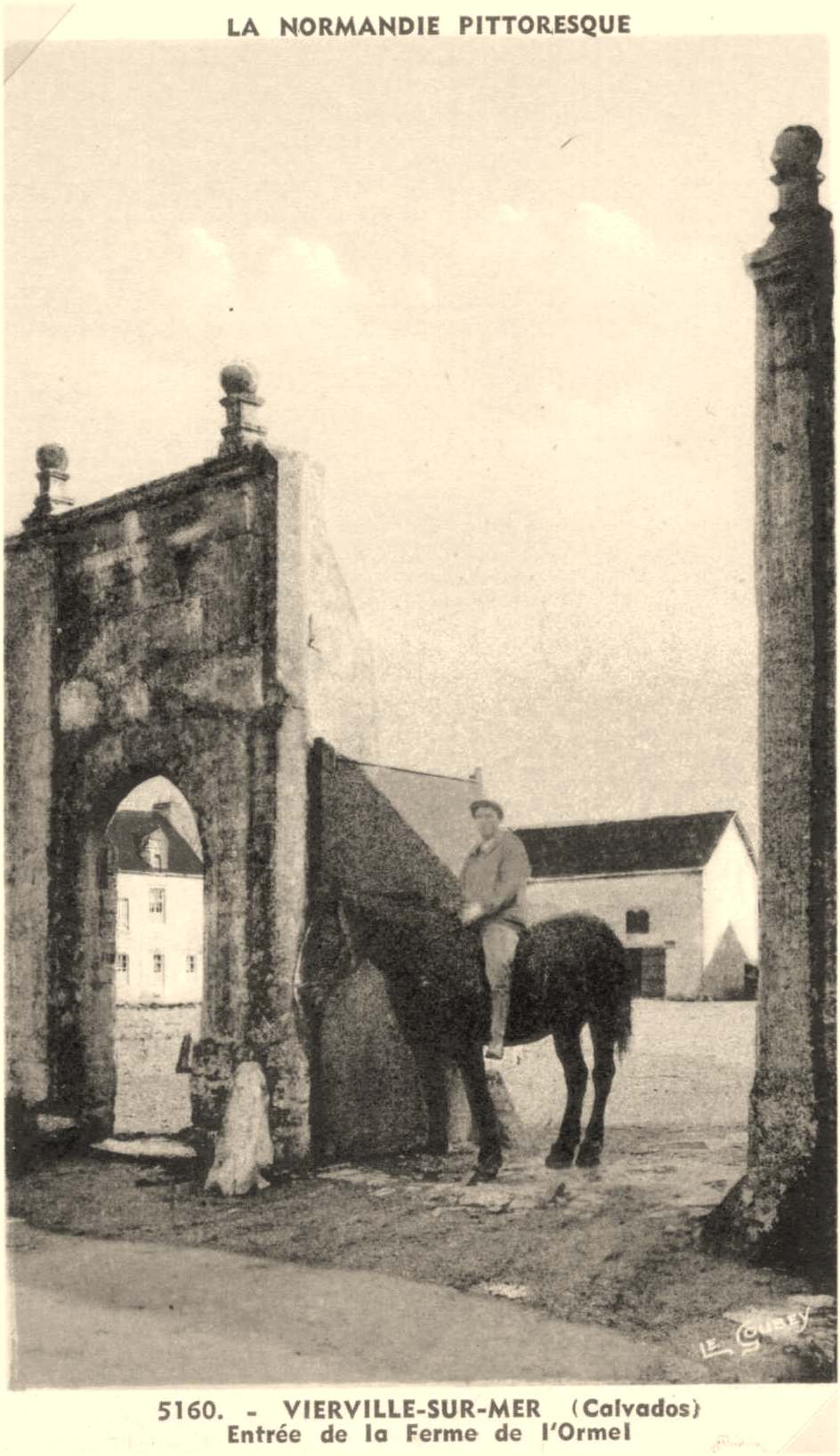
They retreat, return to their steps, stop at the farm of Louis Le Terrier (l'Ormel) on the road to Formigny. From time to time, they came to do some chores to escape the STO. Awesome welcome "But here too it ducks everywhere, my poor children! » Louis Le Terrier takes everyone - the governess, the agricultural worker and the two sons Piprel - into the stable, whose walls, he says, are thicker. They're burying themselves in the straw.
"There was no question of putting your nose out."
The first Americans came in less than half an hour later.
They ask a few questions, ask the French for their identity papers. One of the men put a lot of Lucky Strike on Pierre Piprel, but apart from this friendly gesture, they seem terribly on their guard. The Terrier and his troupe are locked up again in the stable. Not to get out of the afternoon. The more the hours pass, the more the five refugees worry: so not everything is played yet?
"At the end of the day, a shell fell nearby, killing a mule and screening the walls with shrapnel."