262
The two engineering battalions destined for Vierville disembark
dispersed between Dog White and Le Ruquet
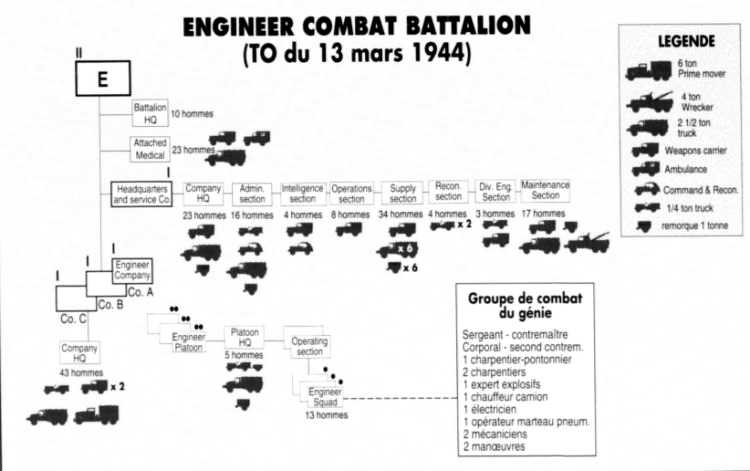


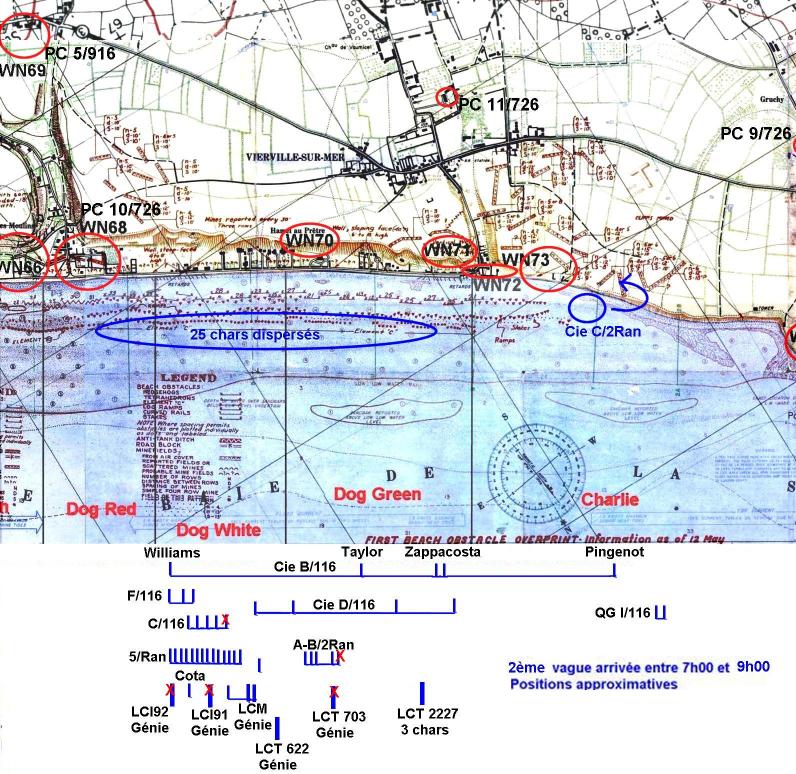



In addition to the SETF (Special Combined Engineer-Marine Force), which landed at 6:30 a.m. and whose dispersal and failure of the mission were seen, two full engineering battalions were to land on Dog Green and Dog White between 7:00 a.m. and 9:30 a.m.:
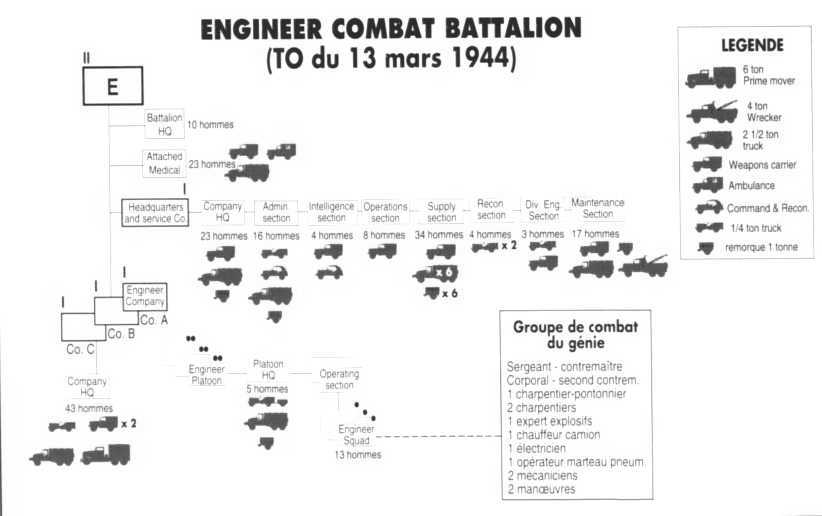
-- on 121st Engineer Battalion which was to accompany Battalion 1/116 and follow it inland.
-- the 147th Beach Engineer Battalion (of the 6th Special Engineer Brigade), responsible for facilitating in Vierville the crossing of the beach, the seafront dyke or the galet slope, and the traffic on the road bordering the beach.
Both were to destroy the anti-tank wall closing descent D1 (Vierville), clear all passages and open the road to Vierville.
Their landing programme was as follows:
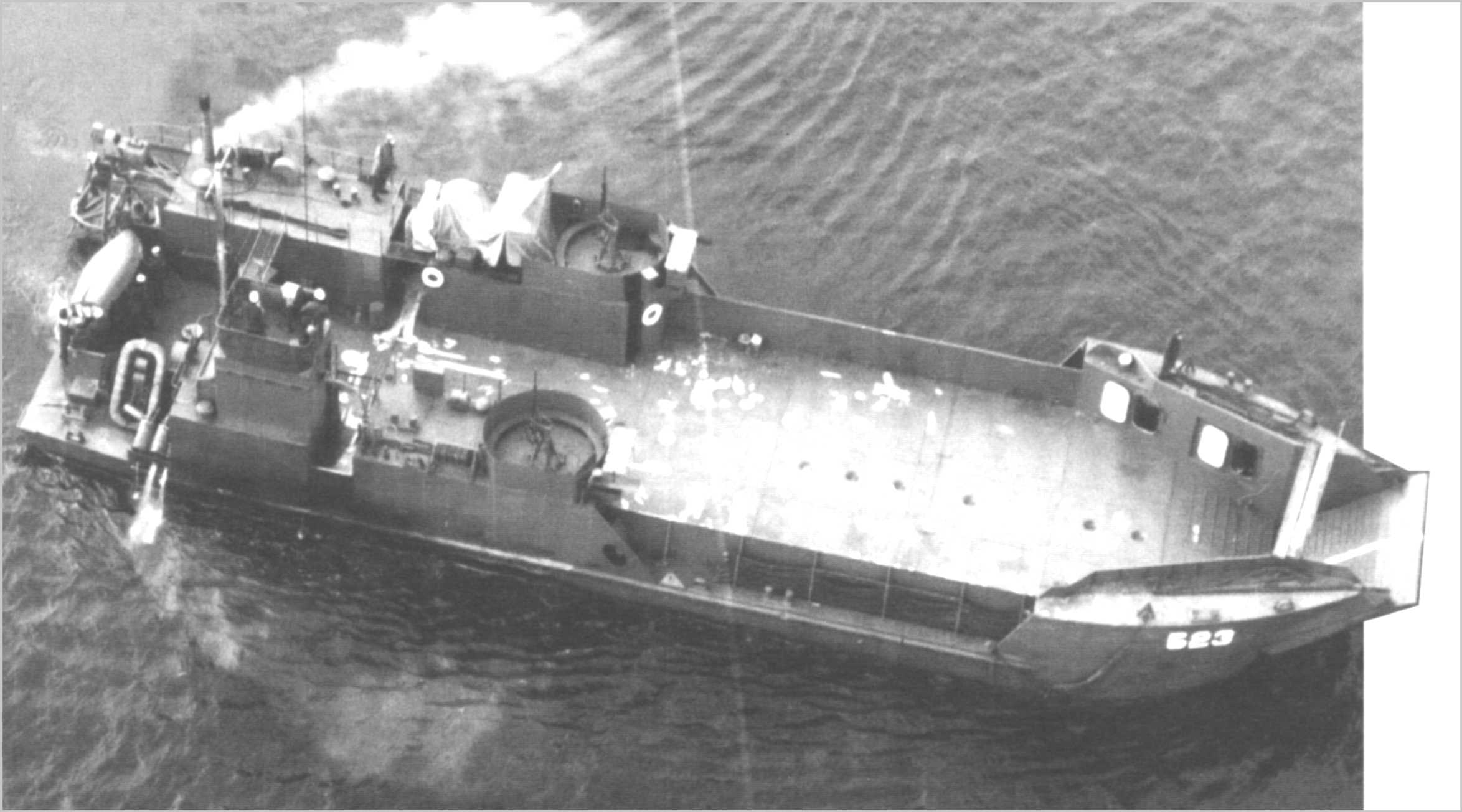
At 0710 and 0720, 3 LCM, 1 LCVP and 1 LCA, on Dog White and Dog Green, carrying the advanced reconnaissance groups of the 2 battalions, including Colonel Ploger, Cdt the 121st Battalion.
At 7:30 a.m. and 7:40 a.m., 1 LCM and 5 LCT (capacity equivalent to 4 tanks each) on Dog Green, with heavy equipment from 121st Engr., including bulldozers sometimes carrying 500 kg of explosives on a chassis placed above the conductor, which is briefly protected by thick plate plates).
At 7:40 and 8:10, 2 LCI Nos.91 and 92, (200 men each) on Dog White, each carrying a hundred sappers from the 2 battalions at the same time as various staff elements of the 116th Reg. of the 6th Special Brigade of the Engineers, the "Beachmasters" of the 7th Naval Battalion of the Beach, the transmitters of the 293rd Cie of the Signal Corps (ensuring the transmissions of the Special Brigade), the Military Police (to ensure the traffic police on the road, the guard of prisoners), medical units, etc. etc.
At 9 a.m., LCI no.84, on Dog White, carrying the head of the 6th Special Brigade (Colonel Thompson), with elements of the 104th Medical Battalion and the 116th Regiment Headquarters Company.
At 9:30am and 10:15am, 6 LCT (on Dog Green and Dog White) with the rest of the heavy engineering equipment of the 2 battalions, including bulldozers pulling 1 tonne trailers loaded with explosives, racked cranes, trucks, jeeps, etc.
In addition, it should be noted that the engineer was to be able to have on Dog White and Dog Green 4 tankdozers landed at 6:30 am of the 4 LCT also bringing 8 standard Tanks (non-amphibians), these tanks being armed by the 610th Engineer Light Equipment Cy.
These programmes have been completely upset by the reality of the facts.
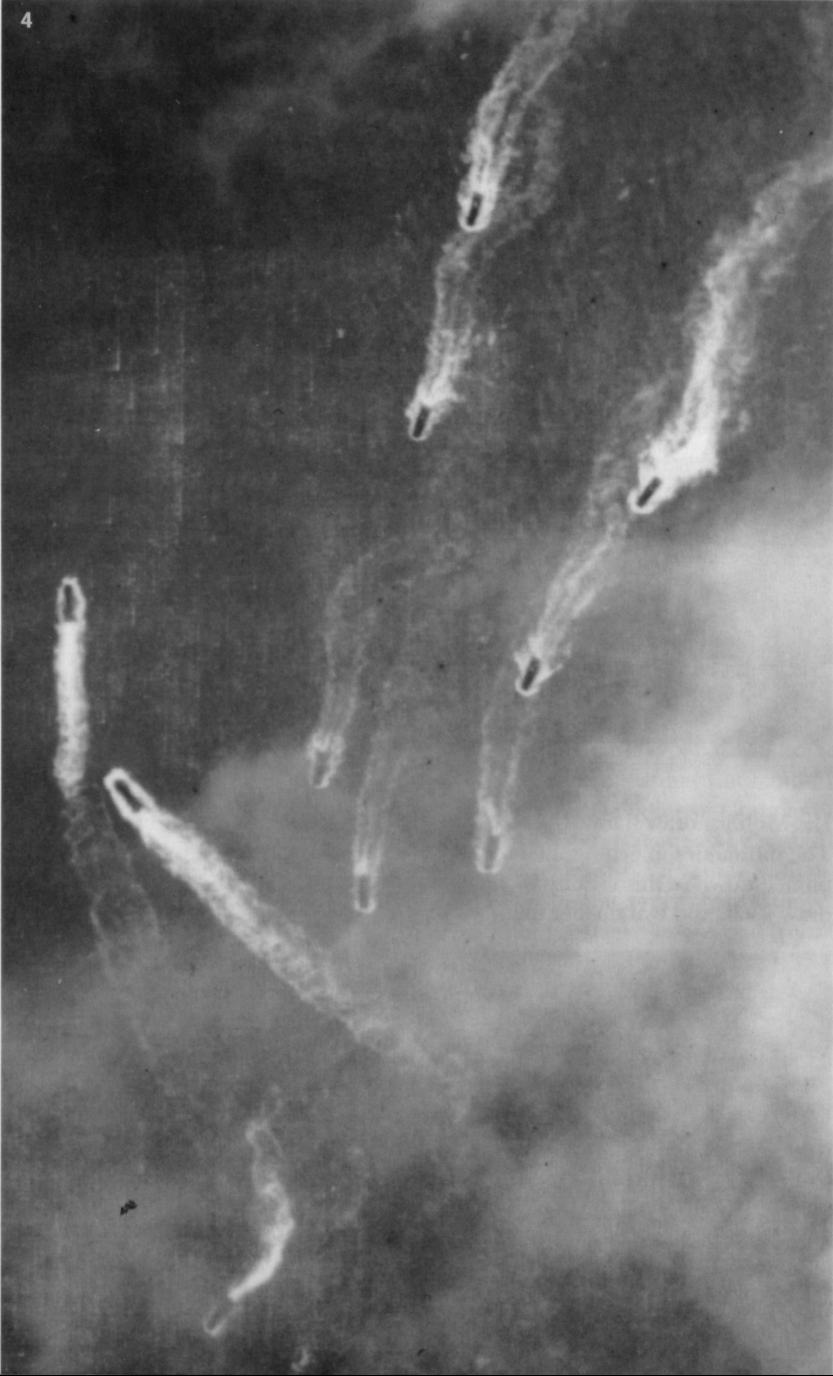
First, the current did its work on the first barges, the smallest, which were deported by the current and delayed, approaching almost all of them in front of Saint-Laurent or more to the east. However, it appears that 2 LCMs and one LCVP arrived on Dog White, notably with Colonel Ploger.
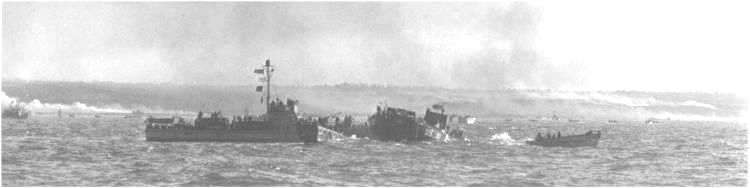
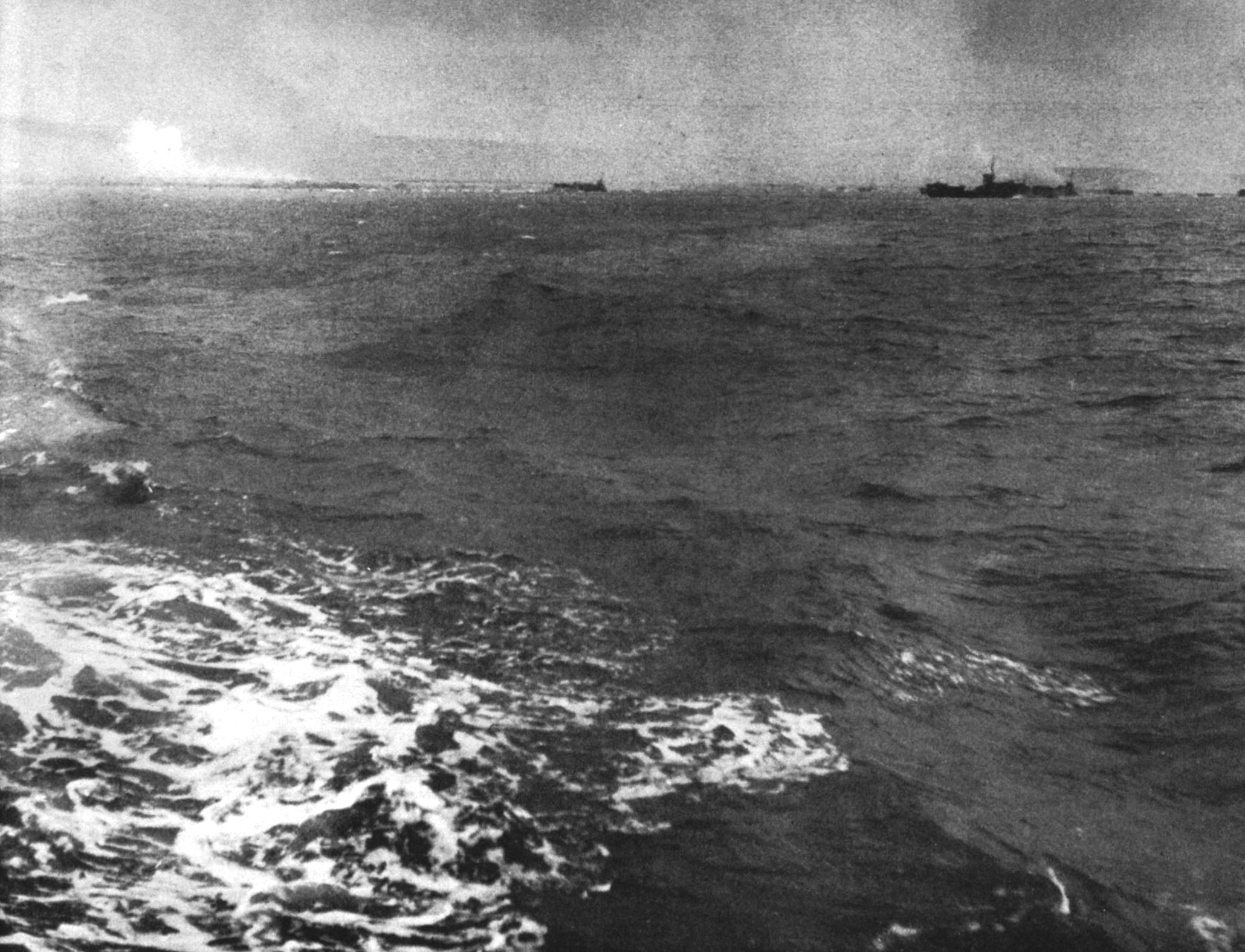
The 3 large LCIs presented themselves correctly on Dog White, but the first 2 suffered the fire of German artillery especially targeting these first large buildings.
The LCI 91 and LCI 92 were thus destroyed by fire on the spot, LCI 84 who followed them retreated and moved to his left. He approached just east of Saint Laurent in slightly better conditions as he was able to leave despite damage and loss in his crew.
Most of the 11 major LCTs carrying engineering equipment should have approached Dog Green (8 of 11).
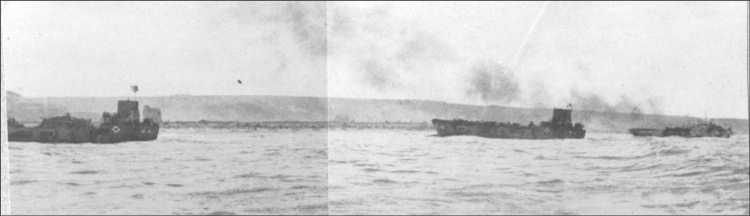
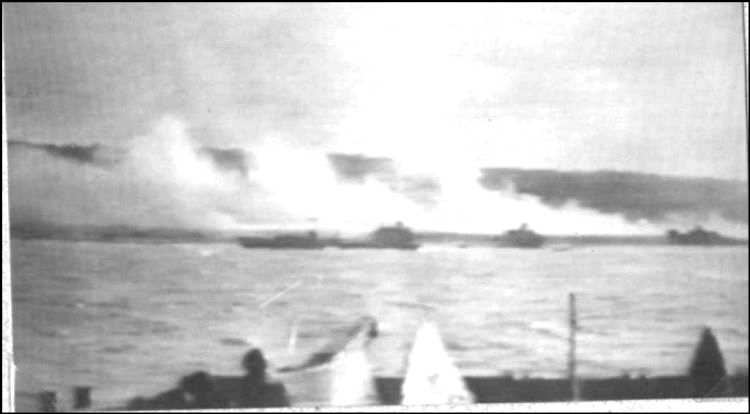
The first 5 LCTs scheduled for 0730 and 0740 on Dog Green were struck by these catastrophic conditions, the LCT 703 sank on beach mines (He was caught under enemy machine gun fire, half of his crew, as well as Ensign Elsaesser were taken aboard LCT 536), LCT 622 approached and was seriously hit, the other 3 LCT 704, 705, 775 abandoned and moved east. So delayed, they were blocked around 8:30 a.m./9:00 a.m. by the rising tide that covered the obstacles still in place and by the arrest orders of all the landings given by the "Navy Beachmaster" of the 7th Naval Beach Battalion.
He noted both the congestion of beaches by destroyed or burning vessels and the absence of most of the corridors marked through obstacles.
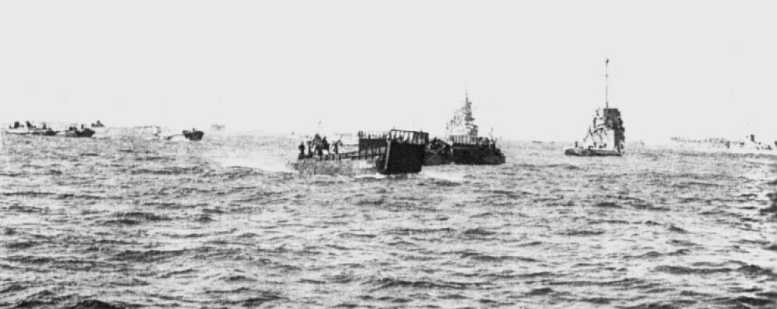
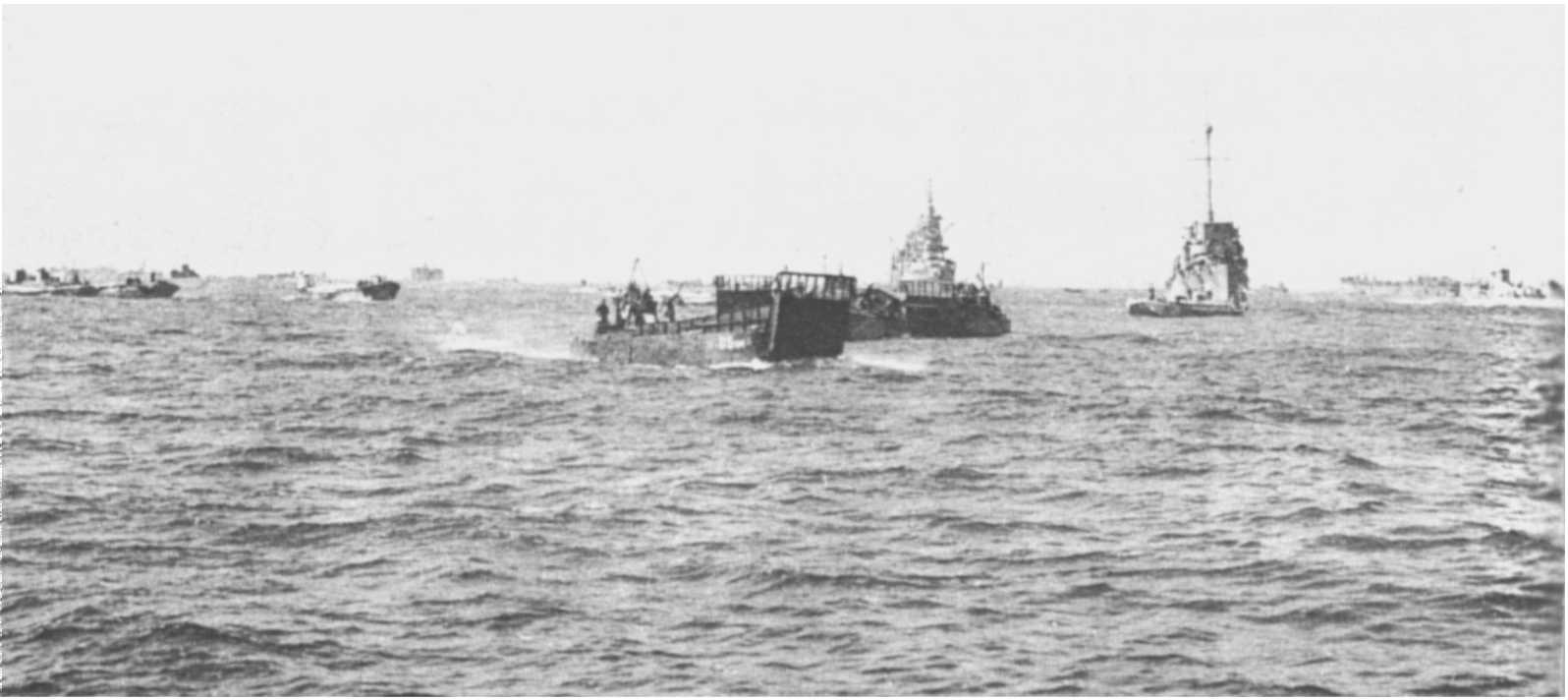
This arrest order affected the following waves of 9.30 and 1015 hours, along with 6 other Engineering CTLs, CTL 570, 714, 767, 2297, 571 and 572. [LCT 570] It was therefore 9 LCT of engineers and many other barges (including the 9 LCT of artillery and many "ducks" DUKW) that found themselves making rounds in the water in front of the beach, at a distance of security vis-à-vis German fire.
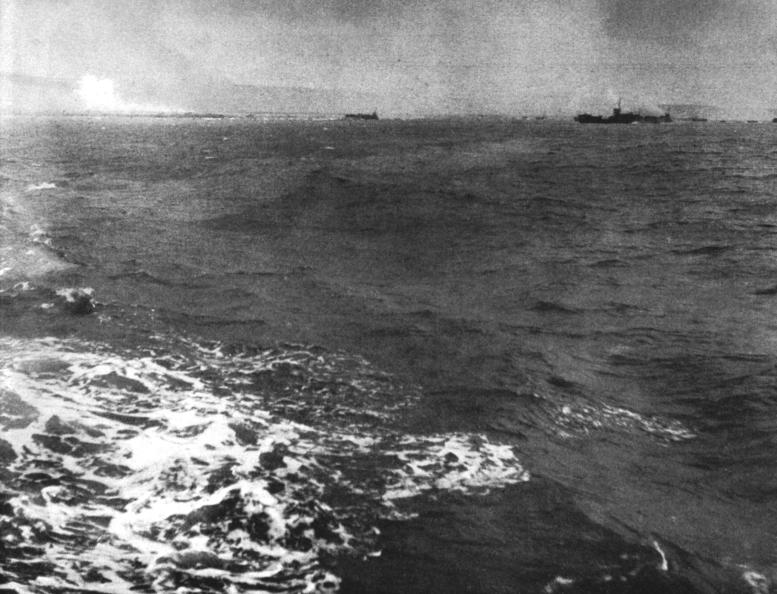
Captain WD Wright, Deputy Commander of the "Assault Group O-2" (Western part of Omaha Beach), aboard the LCH-86, by checking the landing situation at about 10:00 a.m., found that the Landing Craft was turning between the starting line (four miles from the coast) and the beach, having lost any organization in successive waves. He took the decision with his colleague from the O-1 Group (eastern part of Omaha Beach), to have them withdraw to the starting line and reorganize. There was little space available to approach and the Landing Crafts were generally directed to Easy and Fox beaches (from the Ruquet to Colleville).
It was only at noon and in the afternoon that the remaining 9 engineering LCTs were able to approach, usually beyond Saint-Laurent, except for 2 which sank on mines (LCT 572 and 714) and 1 or 2 which landed on Dog White the long-awaited bulldozers (LCT 571 and ?). They were necessary to create passages through the pebbly slope, and to open the descent of Vierville.
In the late morning, the 2 engineers Battalions that should have treated Dog Green and Dog White beaches and the Vierville descent, were therefore dispersed into small isolated groups on several km of beach. Their gathering was very long, they suffered significant losses in men and equipment. Some small groups on foot of the 121st accompanied the assault infantry into the cliff and to Vierville by carrying out the demining.
But most remained very scattered all day between Vierville and the Ruquet, moving slowly and under German fire towards their main goal Vierville. Isolated snipers reappeared along the cliffs even in areas where penetrations had been made. Small combat patrols were therefore launched in attempts to clean up the cliff. One of these patrols entered WN70 strongpoint over the Hardelay villa and found it demolished by naval fire and almost abandoned. But here as elsewhere long tunnels connected together, provided easy shelters for the Germans and made it impossible to clean up completely.