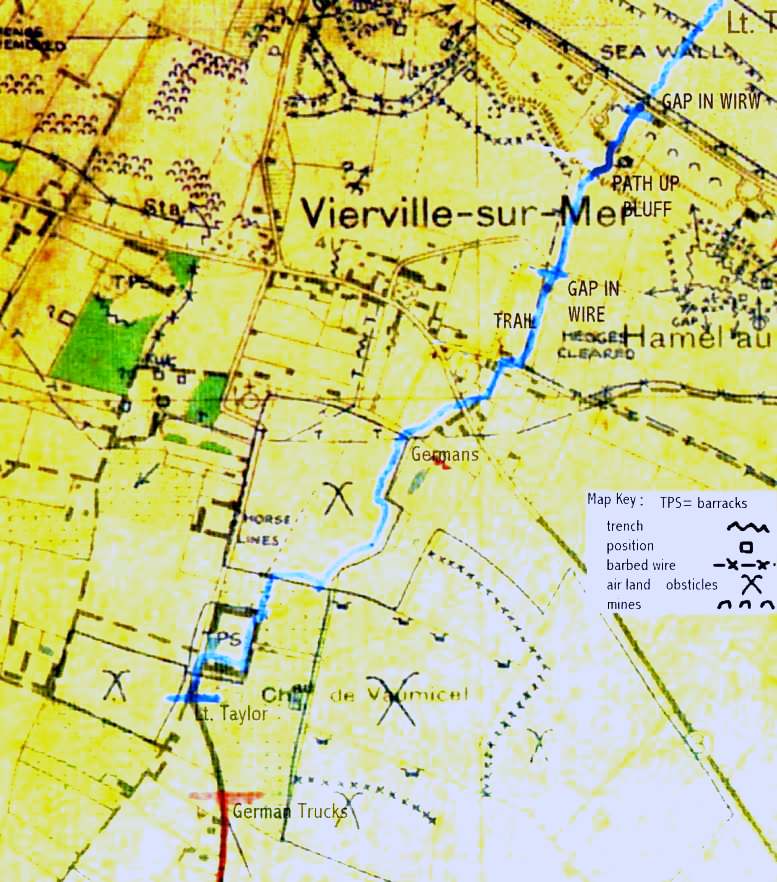
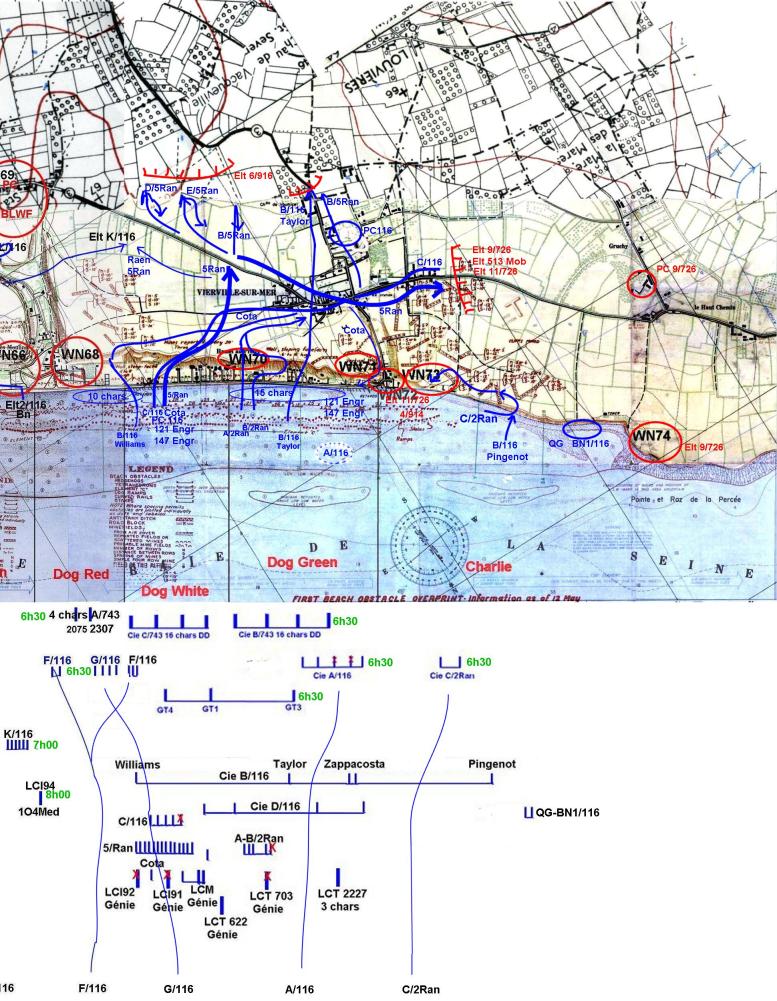




Taylor Section (Cie B/116) infiltrates from the beach
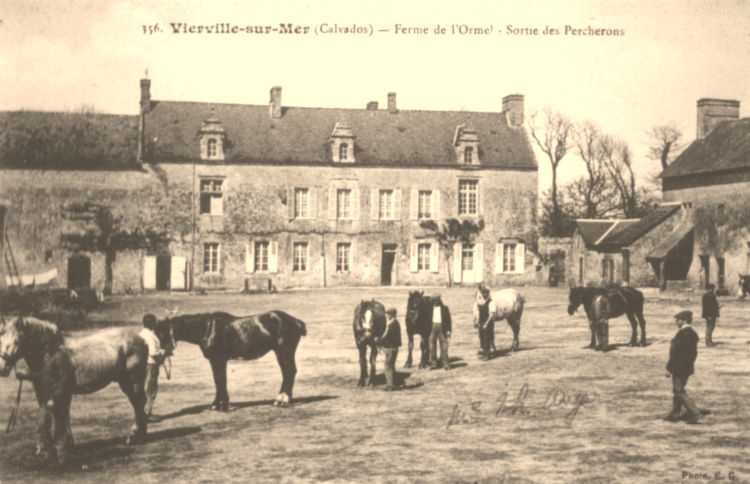
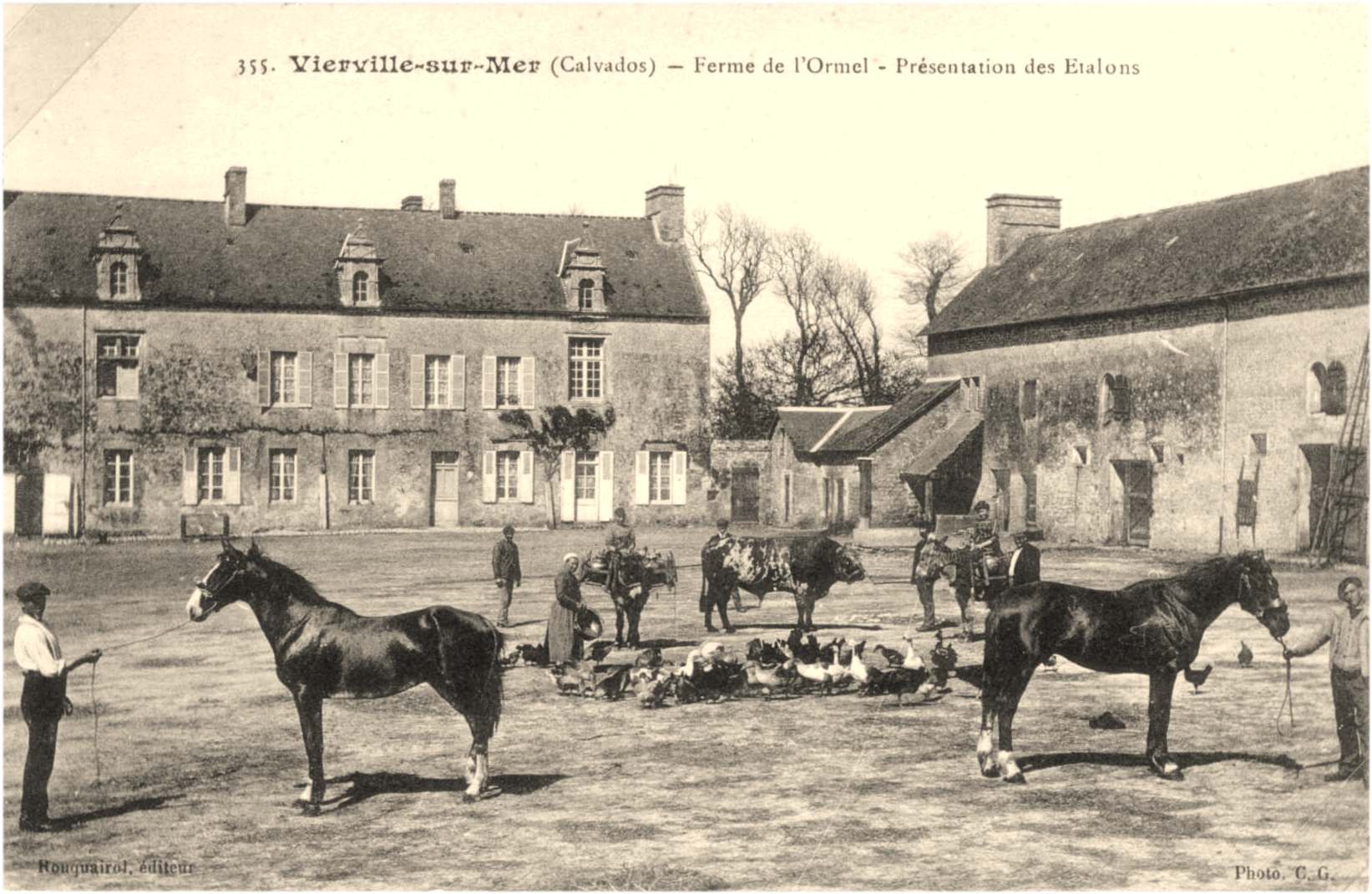
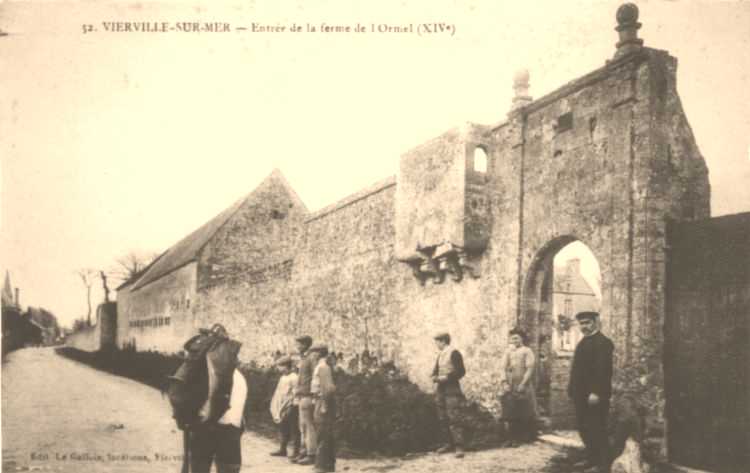
traverse Vierville at 9 a.m. and settle down at the Ormel
One of the six boat sections of the B/116, commanded by Lt Taylor, landed between the WN 70 and 71, His story was told in detail:
(extracts "Battle at best" by SLA Marshall)
""The section landed at about 7:15. Before the opening of the LCA ramp, this beach end facing the Hamel at the Priest, was not under intense fire. No mortar rounds to accompany the arrivals.
Taylor quickly drove his section across the beach and onto the pebbly slope, losing 4 men killed and 2 wounded (machine gunshots). A few meters to his right, Taylor saw Lieutenant Harold Donaldson and Emil Winkler killed.
But he didn't stop to think and drove his section in line, straight up the cliff and onto Vierville, where he entered around 9:00. Chance chased him. In an hour or two of combat, he swept a group of Germans without losing a man.
The village was quiet when the Sergeant Pearce joined him with his squad coming from much further east. Pearce told him:
"Williams is injured in the back and immobilized."
Taylor: "Then I think I've become company commander"
And Pearce said, "There's probably everything left of the company here." Pearce was number one; they were 28, including Taylor.
(in fact the survivors of another section of the "B" were now fighting with the Rangers around the Gambier house, on the other side of the Vierville descent)
Taylor: "That should be enough. Follow me."
And they left south of Vierville, where the assembly point of the 1st Battalion was. It was not yet 11:00, Cie C/116 and General Cota were about toenter their turn into Viervilleby the road from Hamel to Priest.
500m from Vierville, towards the south, there was the farm of the Ormel, imposing stone construction, its fields lined with hedges easy to defend. For anyone, the goal seemed insurmountable. Yet his men followed him.
Shots stopped them 100 meters before the farm. The Germans were behind a hedge halfway. Still confident of them, Taylor's men flattened, opened fire with rifles, threw grenades, although the distance seemed too long. Miraclely, a grenade hit the helmet of a German crouched in his hole. He jumped screaming, "Kamerad!, Kamerad!". Over there 24 Germans came out from behind the hedge, with their hands on their heads.
Taylor sent one of his riflemen to drive the prisoners to the beach.
The brief fight had cost him three wounded. On the farm, Taylor took two other prisoners, a German doctor and his nurse. Taylor made them "prisoners on word", leaving his 3 wounded in their care, while he led his section at the first crossroads beyond the farm (the crossroads of the road to Louvières).
There, he was arrested by the sudden arrival of three German infantry trucks which deployed in the fields on his flanks and undertook a circle. The strength of the number, three against one, was against him. In the first exchange of fire, no more than 2 minutes, a rifleman lying near Taylor was killed, and the BAR gun was torn from Pearce's hands. They were only 20, and without automatic weapons.
Taylor shouted, "Back to the farm!" The enemy came close. The attackers' shots were increasing. But the walls were pierced with murderers and at noon and early afternoon, they served the American riflemen well. The question was whether the munitions would last longer than those of the Germans. The answer came in the afternoon, as the reserves fell, with the arrival of 15 Rangers who joined Taylor's men's fire, and the Germans disappeared.
Already, of all the Americans who had attacked in Vierville, Taylor and his group were the furthest in the South. But Taylor wasn't content with it. The assembly point of the 1st1st Battalion was still 1 km to the west and he said to the others, "We have to go."
So he drove them forward, once again serving as a guide, 18 his own riflemen, and the next 15 Rangers in the column. A man was killed by a bullet on his way out of the Ormel. The darkness was about to fall. They've prepared to bivouaquer. Having almost arrived in Louvières, they were now almost 1 km further than all the American units landed at Omaha Beach. There, a runner joined them with a message asking that the remains of the 1st1st Battalion gather 700m more towards the sea, towards Vierville. Taylor and his group were asked to come back. Which was done for the night.
Later, again in shock, Sergeant Price paid tribute to Taylor. He said: "We saw no sign of fear in him. Looking at him, it made us men. Advancing or fighting, he was directing us. We followed him, there was nothing else to do."
Tens of thousands of Americans landed on Omaha Beach, but the heights were conquered by a handful of men like Taylor, who on that day shone with an extraordinary flame. Through their bold initiatives, courage and luck, on various points of the beach, they saved the landing of a total disaster."