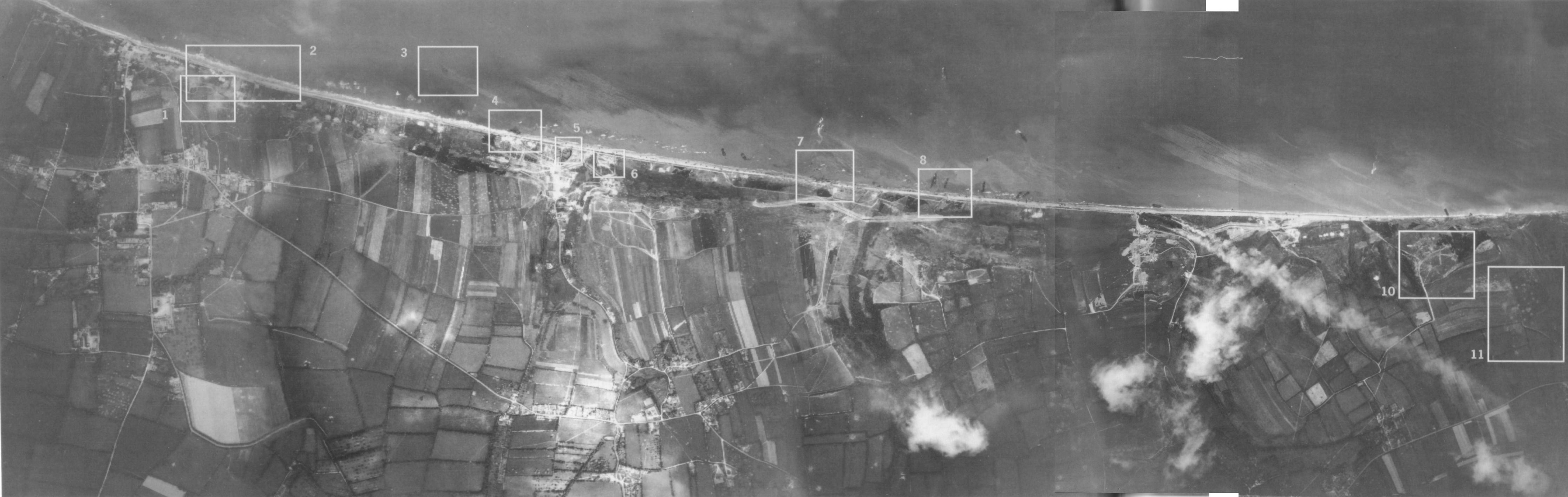
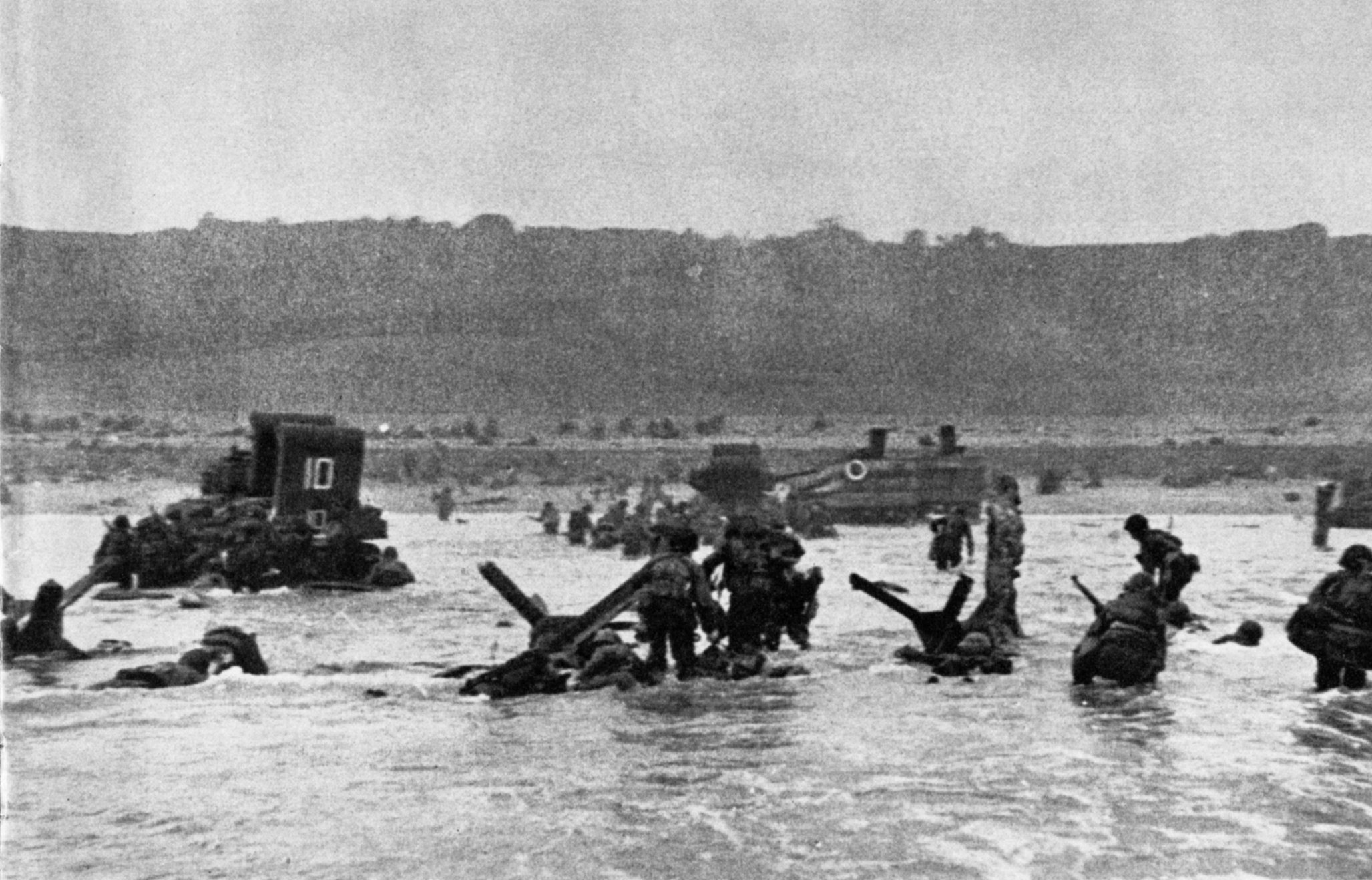
June 6 fighting in the Colleville area, under WN 61 and 62
Easy Red sectors (half east) and Fox Green
722
Preliminary bombardments
The aerial bombardment was a complete failure. Liberator quadrimotors had been planned, but they were flying at high altitude and above the clouds. As the accuracy was already poor in clear weather, the Allied Major States had to resolve to prescribe an additional margin of safety for the target, which led the centre of gravity of the impacts to several hundred meters and sometimes several km south of the target. It was then certain that the bombs could not reach the landing craft flotillas that approached the shore at full speed at the same time.
As a result, the bombs dispersed in the countryside, without any effect on German defences.
Naval bombardments have been more effective, especially for conventional warships, battleships, cruisers and destroyers. On the other hand, evidence indicates that rockets launched by LCT(R) have generally fallen into the sea. It was indeed impossible to aim and adjust the firing of this kind of gear. The duration of the bombardment by the other ships was too short for the German defences to be disrupted.
All in all, these bombardments had a very limited effectiveness.
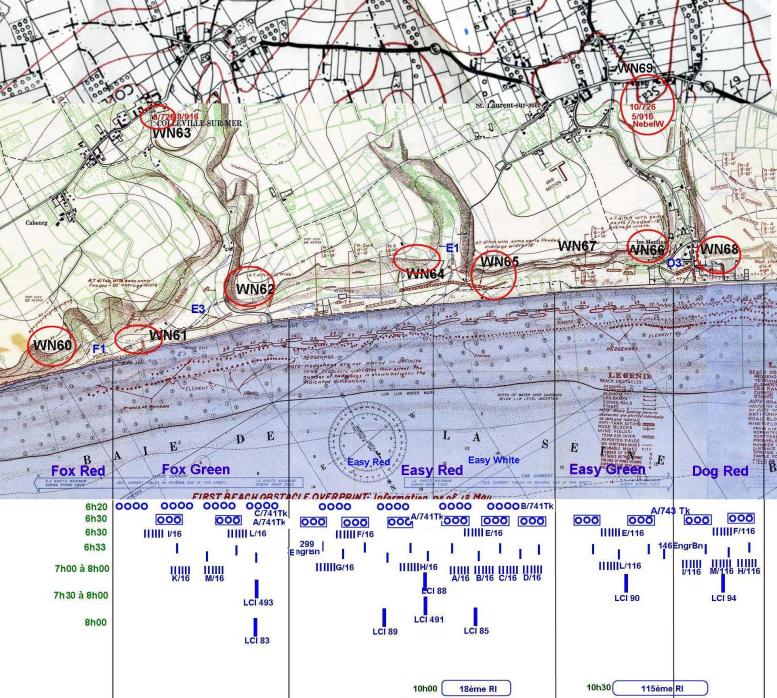
Tanks
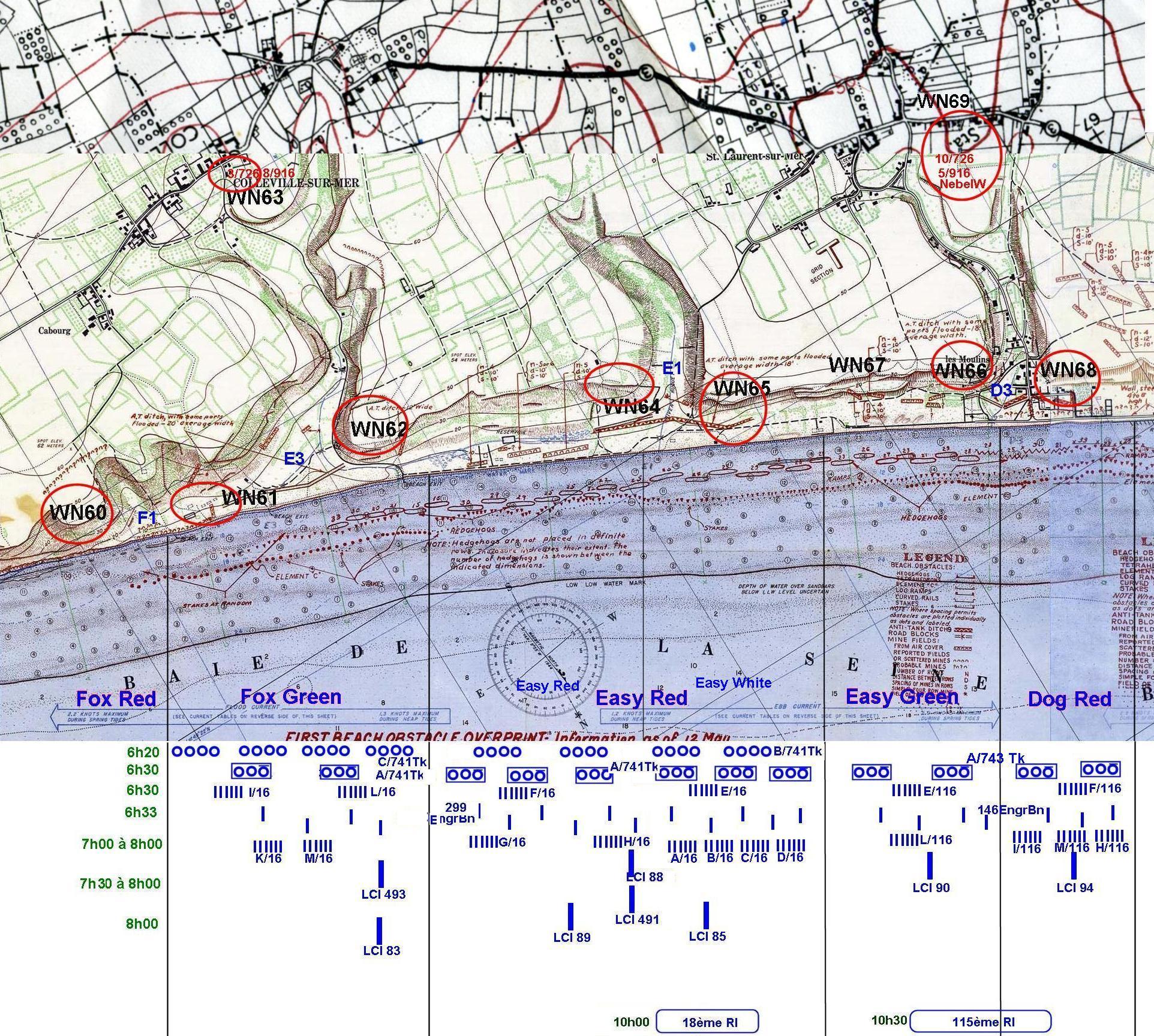
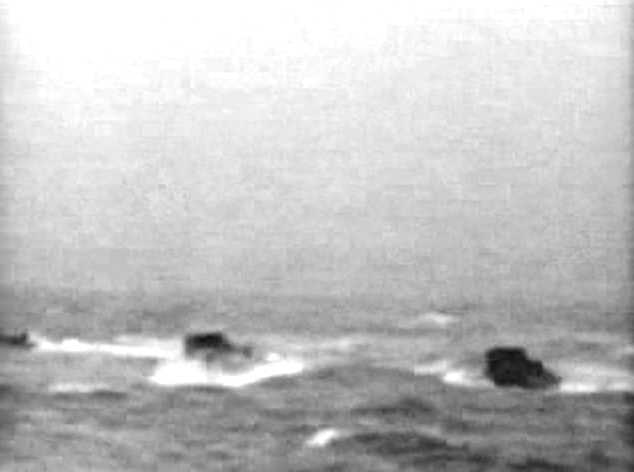
In these areas, of the 24 amphibious tanks of the company C/741 on Fox Green and the 1/2 company B/741 on Easy Red East, launched at sea, about 5500m from the coast, almost all sank from the first minutes of navigation. Only 2 survived the crossing, and 3 were driven to the beach by the LCT 600 whose unloading ramp had been damaged by the first DD tank disembarked.
Of the 5 LCTs, carrying the 10 standard tanks of the A/741 and the 5 tankdozers, which were to be shared on Fox Green (2 LCT) and Easy Red (3 LCT), only a few arrived ashore, often late, on Fox Green (LCT 2339, 2425, 2287). The LCT 2049 sank with its loading. Another one, LCT 2037, addressed Fox Red.
In total, therefore, had to land from 6:30 am on this area, about 6 standard tanks and 3 tankdozers on Fox Green. But many of them were close to the 88mm gun of WN 61 and they were destroyed before the cannon was silenced. Only those who were far enough away on Easy Red were able to stay active.
Assault infantry, 1st wave (6h30)
The assault infantry companies destined for Easy Red East and Fox Green were completely disoriented by smoke and tidal currents.
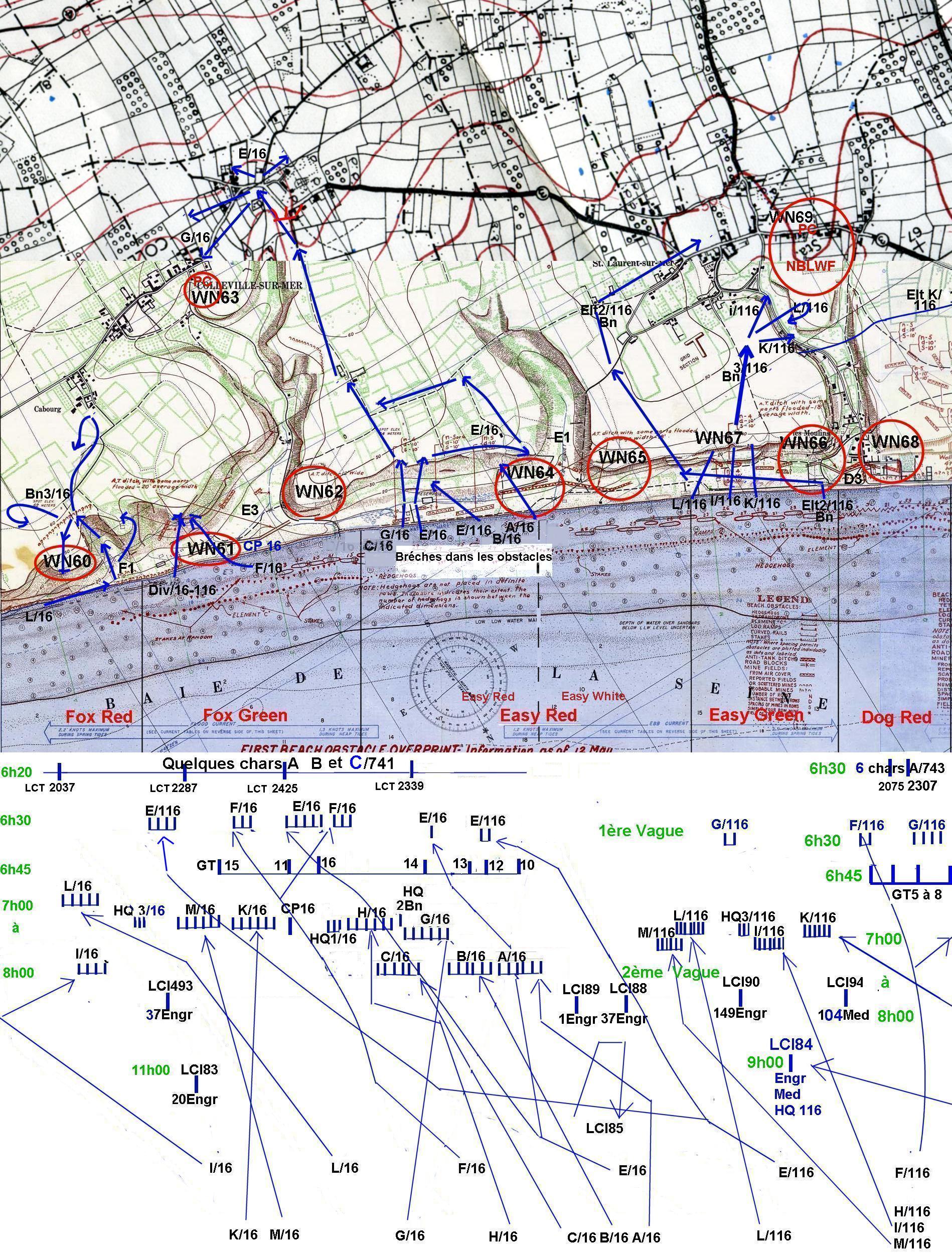
The F/16 was to arrive on Easy Red East and the I/16 and L/16 on Fox Green. In fact, all of them have arrived much further east.
The I and L/16 arrived late, and on Fox Red (see their actions described in the chapter on exit F1 and Cabourg).
On Fox Green, the F/16 arrived mixed with E/16 LCVP for Easy Red West, and 4 LCVP isolated from E/116, intended in principle for Easy Green (Saint-Laurent).
On this beach in total and in all about fifteen LCVP of the Cies E and F/16 and lost Cie E/116 (29th Division), arrived under the deadly fire of the WN 61 and 62. These ship sections suffered very large losses on Fox Green Beach, before arriving at the pebbly slope that provided them with a shelter against machine guns but not against mortar shells. In addition, the explosions in the pebbles sent extra deadly stone fragments. These men were nailed to the ground, but they couldn't get out of the beach.
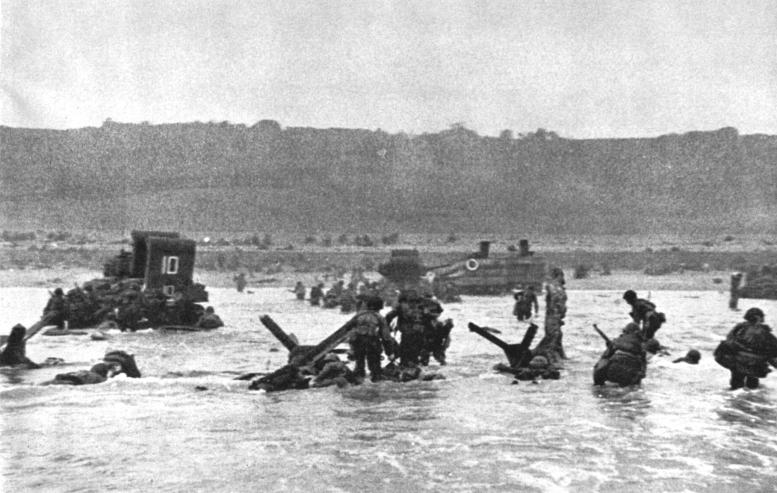
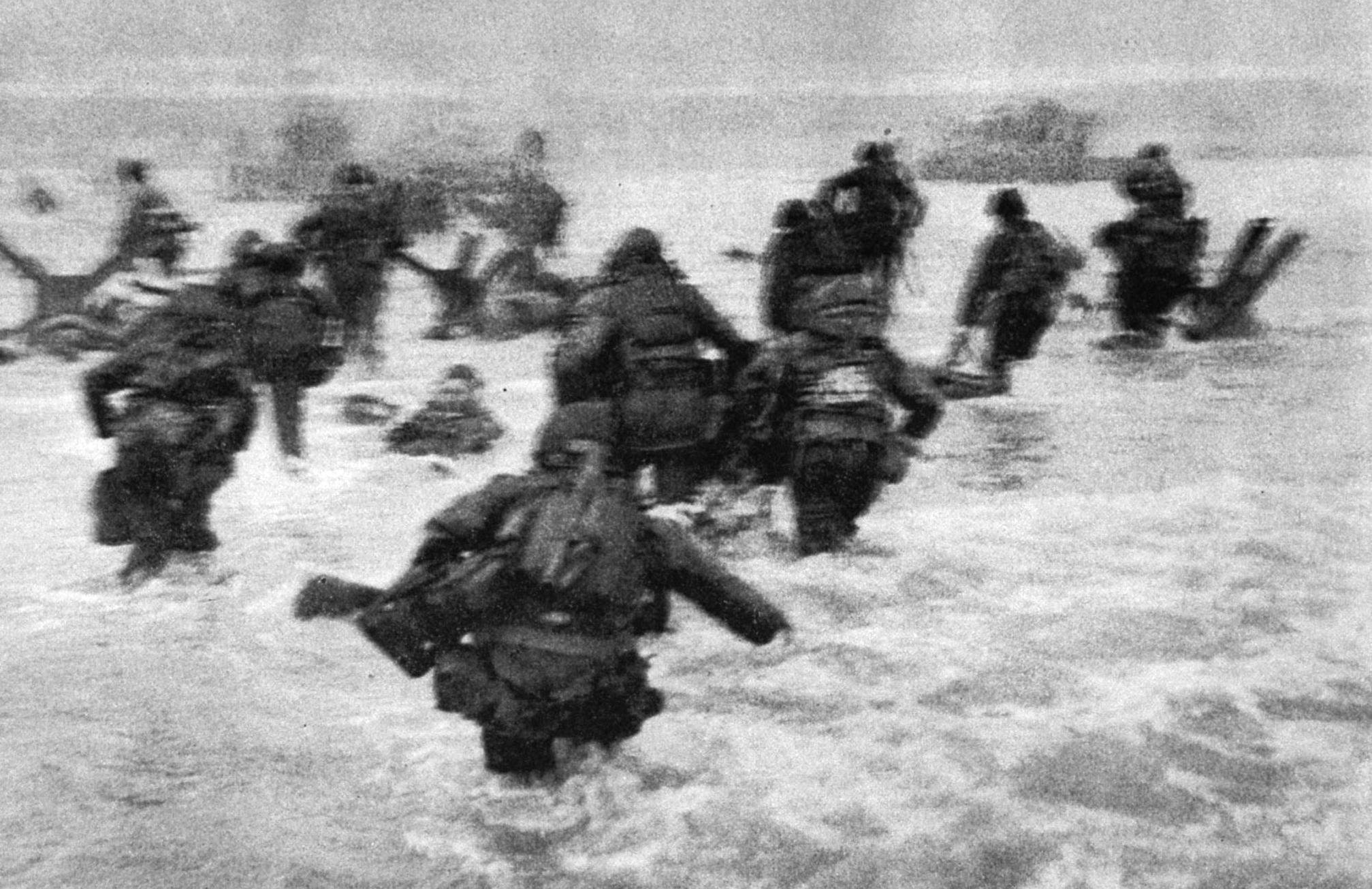
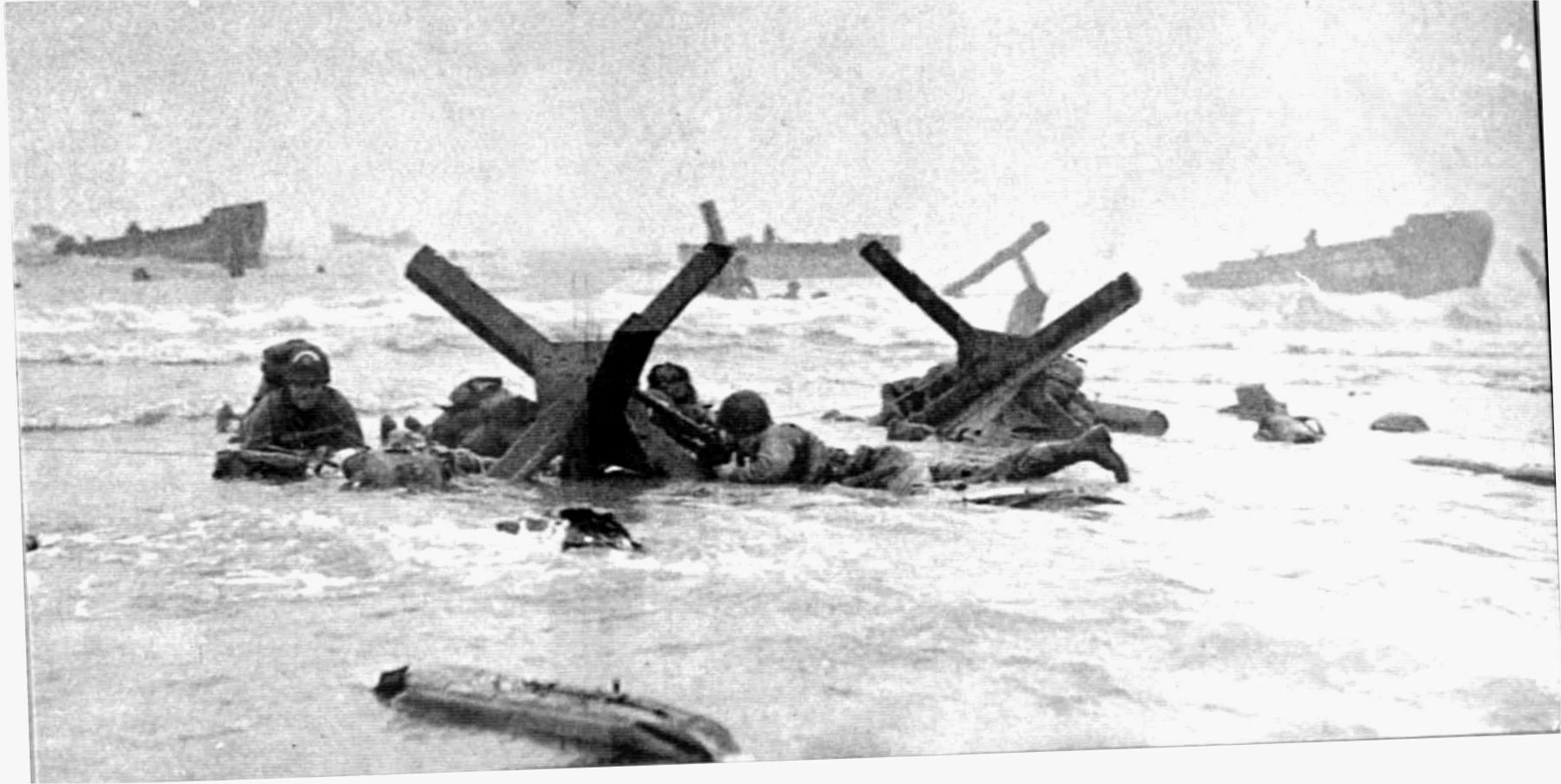
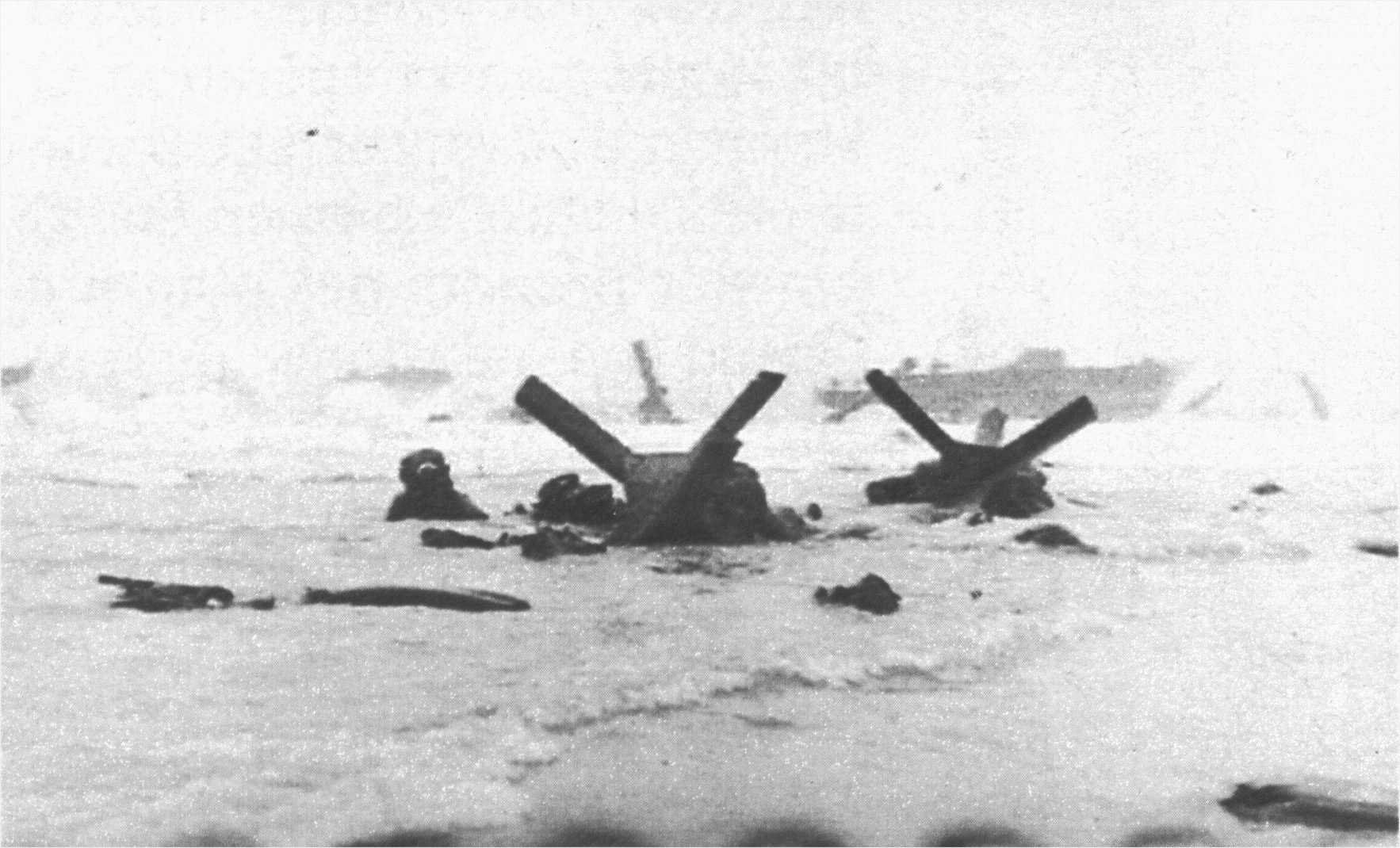
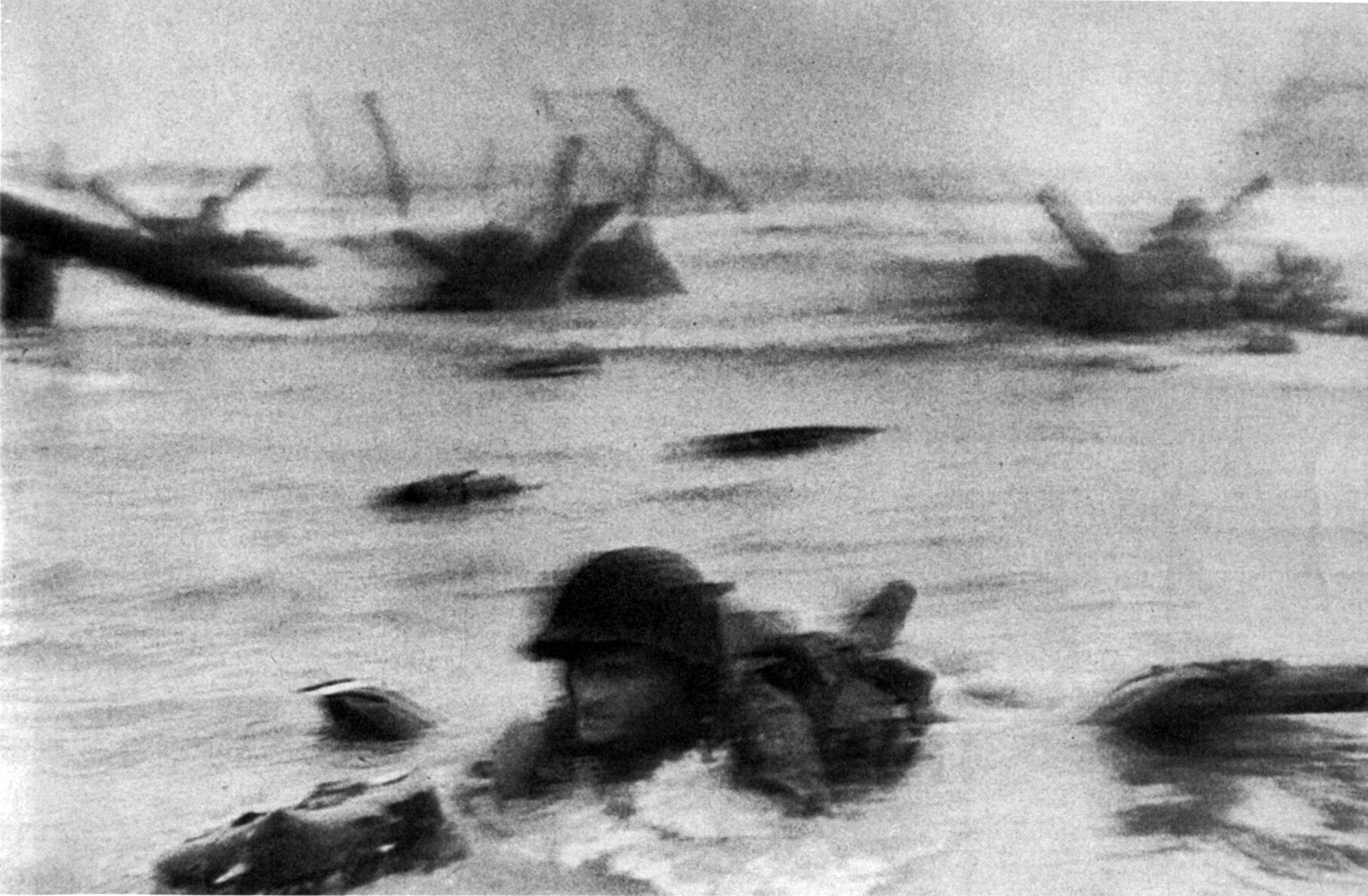
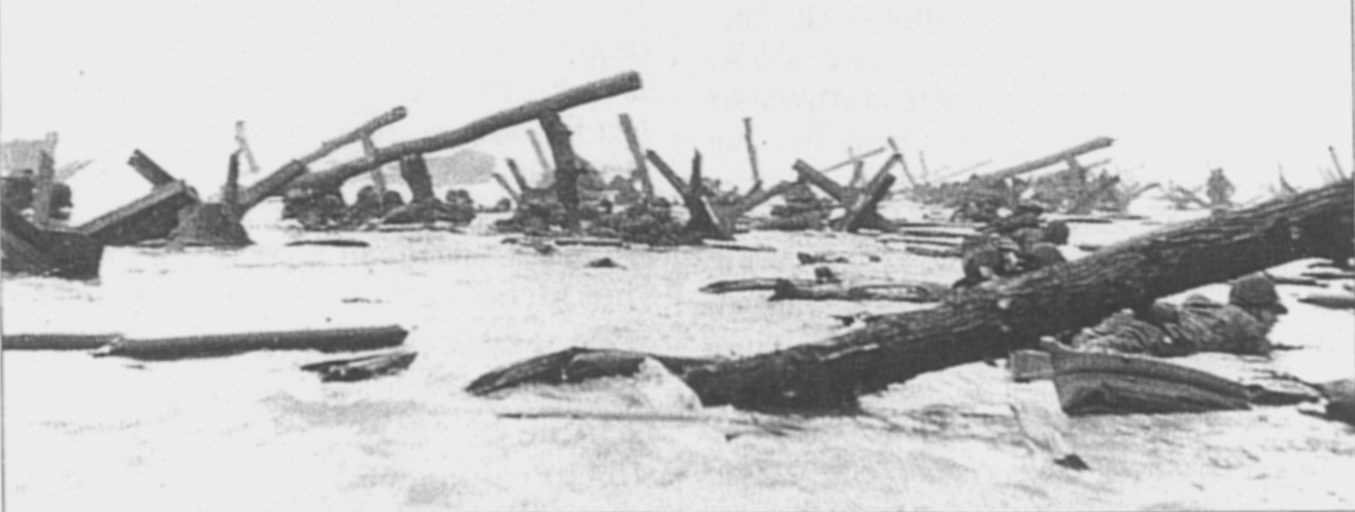
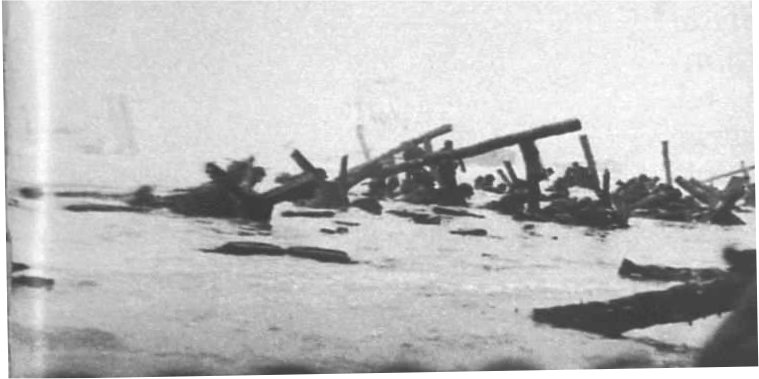
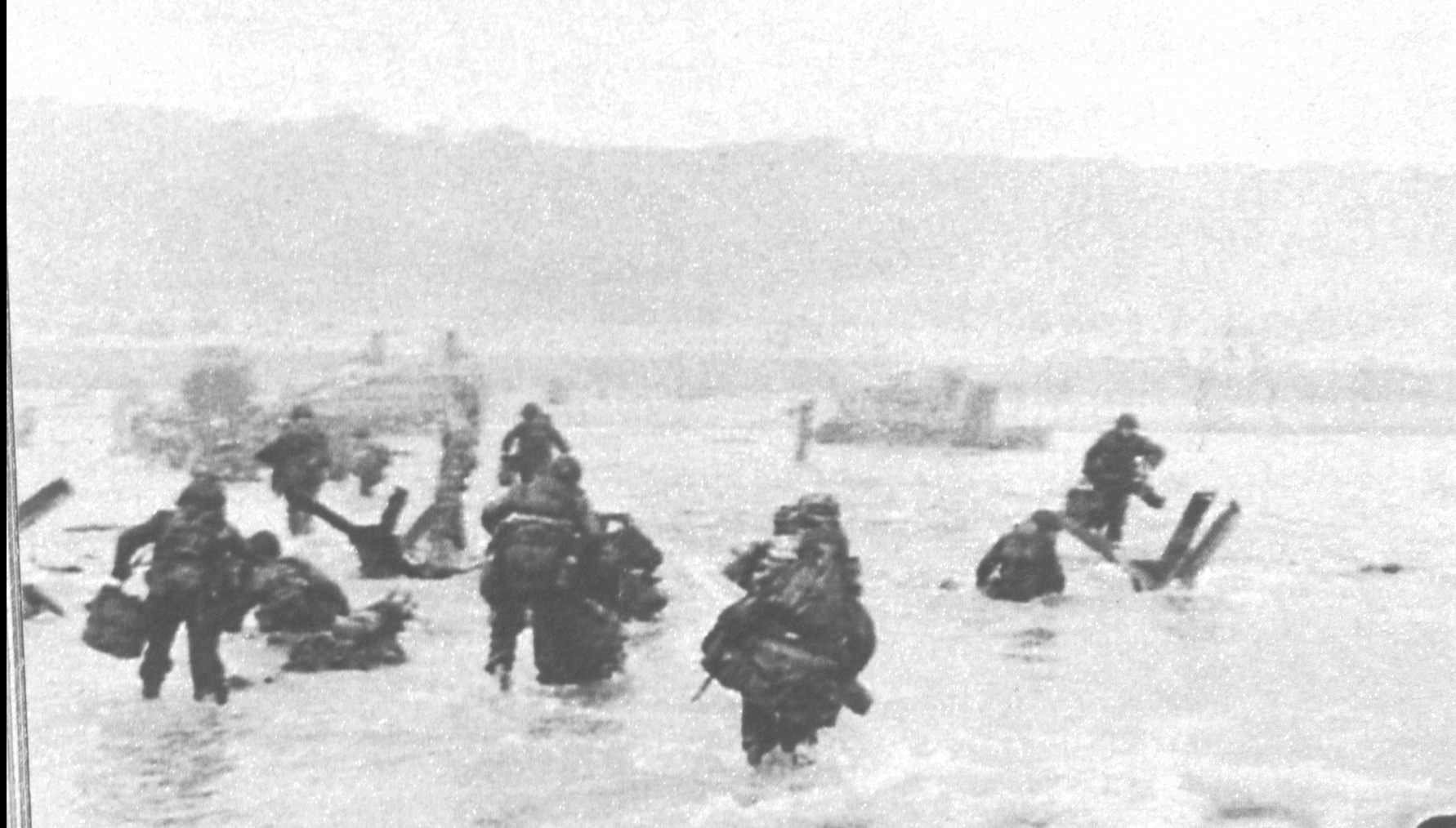
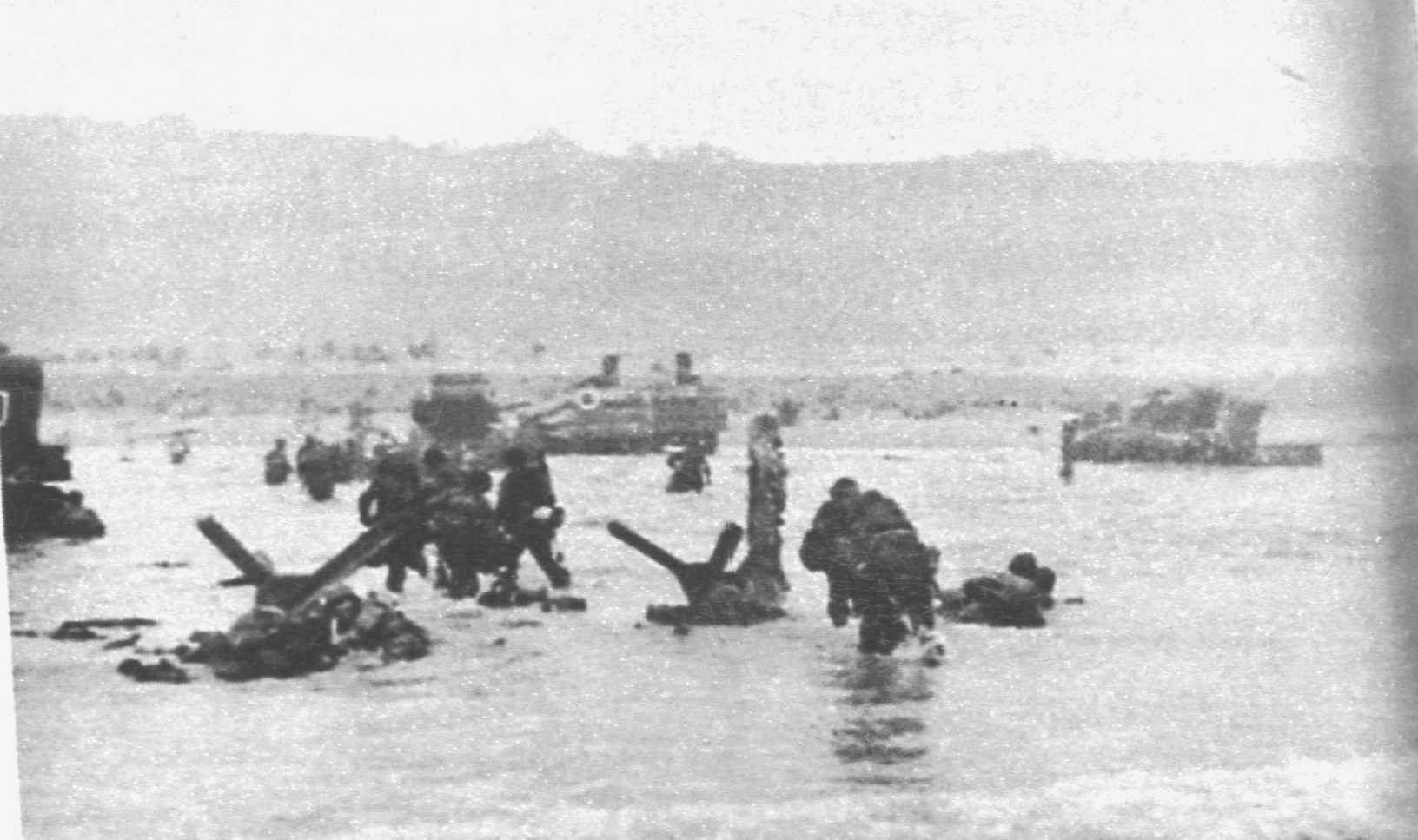
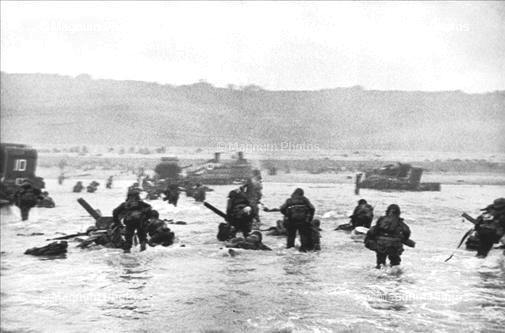
{It is likely that photographer Robert Capa was in one of these LCVP of the E/16. He quickly returned, and managed to bring back exceptional photos of the crossing of the beach by GIs under the fire of the German machine guns}.
On Easy Red East, only 3 LCVPs approached, in slightly better conditions: 1 from the E/16 for Easy Red West (Lt Spalding, of which we will talk again) and 2 isolated from E/116 for Easy Green. They suffered a loss on the beach but they were not dircetem under the German WN.
The "Gapteams" of the SETF
Five gapteams were planned on these areas: Gapteams 12, 13, 14 on Easy Red East and 15 and 16 on Fox Green, arriving at 6:33 a.m. As elsewhere these troops have been dispersed.
It appears that 3 gapteams arrived on this area, the 16th, 11th and 15th, and were on average 1/4 hour late, around 6:45 a.m. As they had to work before the rise of the sea, so before 7:00 a.m., they could not complete their work. Their losses were very heavy, as they were under active WN 61 and 62, their mission forcing them to work on the beach without being able to go straight to shelter on the pebble slope.
The 2 support gapteams (Gapteam G and H), which were to support them at 6:41 a.m., arrived too late to act effectively.
No areas could be identified from the obstacles and none of these teams could be supported as planned by a tankdozer.
Assault infantry, 2nd wave around 0700/800
The half area Easy Red East, saw the Cies G/16 (7h00) and H and C/16 (8h00) approached as planned between the WN 62 and 64, which was favorable for their crossing the beach without too much loss. Immediately thereafter, the 1st Battalion I/16 arrived with the companies A, B C and D. This brought together many forces between the WN 62 and 64.
This went less well on Fox Green, where the K and M/16 companies arrived at about 7:00 a.m. under the WN61, suffering significant losses.
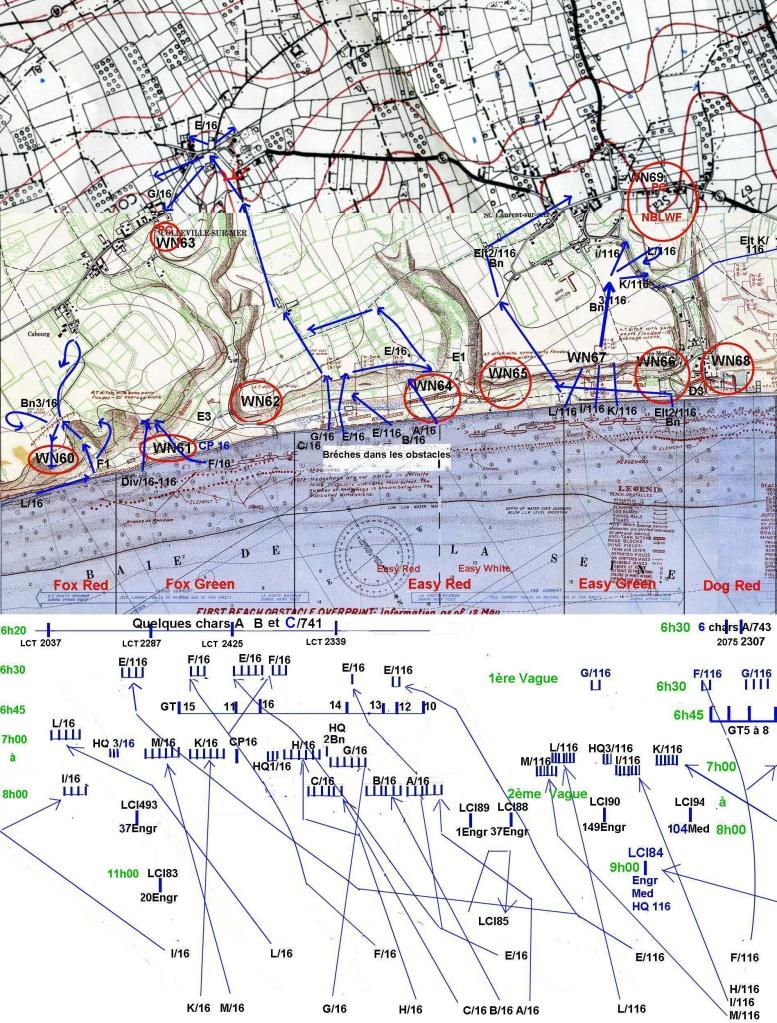
(details) Movements in front of WN 61 and 62 on the morning of 6 June
The arrival of Combat Engineers, Beach Engineers and the first medical elements on LCI and LCT
On Fox Green arrived 2 LCI:
The LCI 493, with elements of 37th Engr Bn and 6th Beach Bn,
The LCI 83, with the B/20th Engr Bn Cie, arrived late around 11:00 and at high tide
These LCI were able to leave despite being hit by German fire. They were able to cross the line of mined obstacles, probably because these mines - anti-tank telrminen - had not resisted the flood of the tide twice a day.
Many LCTs, LCMs and also DUKW amphibious trucks, were programmed from 8:00 a.m. to unload Engineering and Artillery equipment. But because of the lack of corridors cleared of obstacles on the beach, after some attempts often followed by costly failures, they were delayed for a long time, before finding a way to force the passage at high tide, through the mined obstacles. It was mainly on Easy Red West that these attempts took place, where large but unmarked breaches had been created, and where German fire was less strong.
On Fox Green, the fall of the WN61
On Fox Green, the intermeal sections of Cies E/16 and F/16 were under the deadly fire of WN 62. It was impossible for them to get out of the pebbles and most of their officers were out of combat. The solution came from the initiative of courageous NCOs who trained their troops. If they had the bad luck of being directly under the WN62, they could only wait and bury themselves as much as possible.
S/Sgt Strojny took the initiative to move on his left with his team from the F/16 Cie, until he was under the WN61. This fortified point had the peculiarity of being close to the pebble bank, installed at low height (unlike the WN62), poorly protected by the anti-tank ditch that provided a breach for the passage of the Germans going to work on the beach. His main armament was the bunker with a 88mm anti-tank gun, facing west, capable of destroying American tanks. He had just destroyed several of them who had had the misfortune of being too close in his range.
Sergeant Strojny saw the bunker's fire 40 metres above the barbed wire. We had to send well-targeted bazooka rockets. Strojny looked for a bazooka shooter, there was none, he was then looking for himself for an abandoned bazooka on the beach, then rockets, and he started to fire towards that burning that continued to spit out his 88 shells.
The first shots were misdirected, he had to go and find more ammunition. Finally, a shot at the goal set fire to ammunition inside the bunker that started to spit out flames, the servants were killed, a survivor came out and surrendered to the Americans. Strojny was slightly injured, but he succeeded in taking advantage of the confusion, training a handful of his men and isolated from the E/116 Cie, crossing the barbed wire curtain under the fire protection of 2 BAR machine guns and entering the WN, and becoming master of it, killing the few surviving Germans. There was also in this WN a 50mm barrel encumbrance and a car turret Renault (37mm short canon) in Tobrouck. Nothing is said about these weapons and the circumstances of their neutralization.
On Easy Red East, penetrations into cliffs between WN 62 and 64
The 2 waves of assault of the infantry had arrived and had been sheltered from the pebble bank, and they were weakened by often large losses, isolated from their neighbours and mostly outside their assigned area. Their theoretical mission was to group together in companies, seize the beach outings and regroup by battalions south of Colleville.
They quickly realized that it was impossible for them to go through the E3 and E1 beach trips, which were too well defended. The chiefs of the small isolated groups, the survivors of the boat sections (32 men), then decided to leave the beach, cross the barbed wire, then the sand dunes or marshes, and climb into the cliffs to get out of this slope of deadly pebbles, vulnerable to mortars and country artillery that was firing continuously on the beach.
Between the WN 62 and 64, several groups managed to cross the barbed wire from 7:30 a.m., taking advantage of their relative distance from the WN.
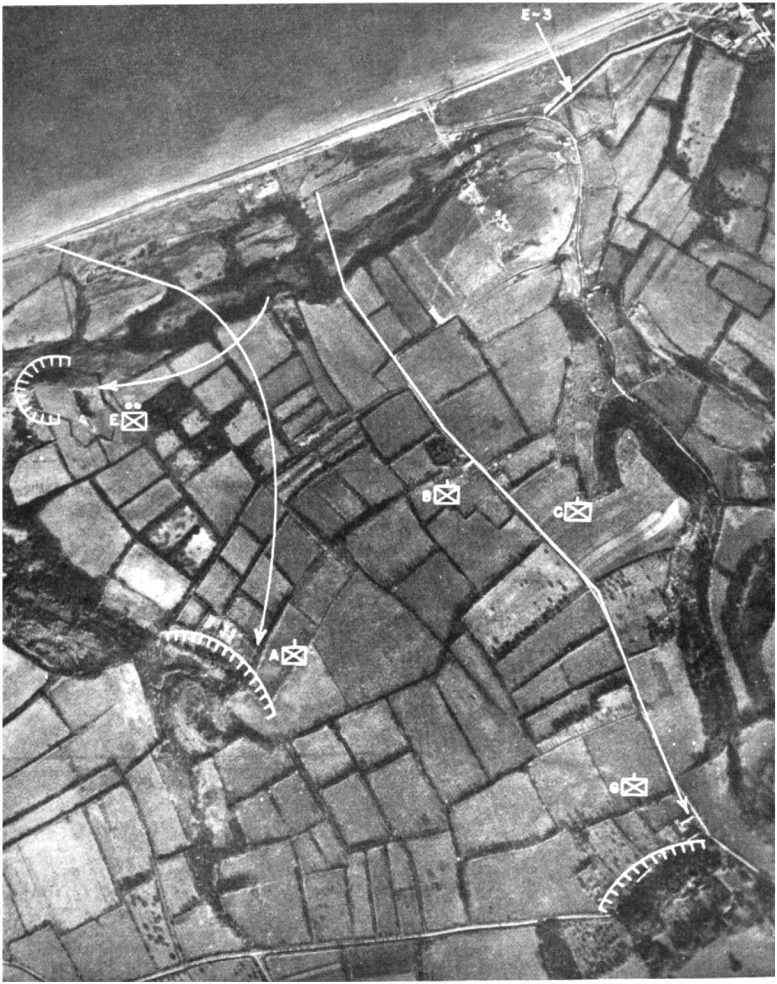
First Lieutenant Spalding trained about twenty surviving men from an isolated LCVP section of Cie E/16. They blew up with "Bangalore" a section of the barbed wire and infiltrated beyond, passing through the ruins of a villa, breaking a path through anti-personnel and anti-tank minefields. They were lucky, the mines were often very visible, and the passages were protected from sight by brushing, especially at 400m on their left the 2 WN62 bunkers with 2 75mm guns. At the top, they were stopped by a machine gun, but they were able to make prisoner his only servant. The latter, claiming to be Polish, was able to speak in Polish with an GI of Polish origin, and said that only 16 Germans were defending the WN64 at 500m on their right. They were now 20, still isolated.
Meanwhile, the sections of company G/16 arrived in second wave, reduced to 150 men (having lost 40 hours on the beach) but well grouped, followed the traces of Spalding, crossed the barbed wire a little more to the left, and they climbed into the cliff by another path. Like Spalding, they had to destroy a mt. post at the top of the slope. So around 8:00 they made contact on the cliff with the Spalding group of the E/16. Captain Dawson Cdt G/16 asked Spalding to attack WN64, while he himself would go with his company directly to the town of Colleville.
Then Dawson was immediately followed by the 2 isolated sections of the E/116 Cie, which were incorporated into Battalion II/16 of the 1st Division for the continuation of the fighting. It was only on 8 June that these two sections were able to join the 2nd battalion of 116th regiment of their 29th division.
Dawson was then followed by Cie C/16, following the same tracks through the barbed wires and the cliff. The Cie B/16 followed the C/16, which made then 3 companies organized walking towards Colleville via the plateau.
More to the right, the A/16 company had arrived under the WN64, and had to cross the anti-tank ditch filled with water before being able to climb in the direction of the WN64 attacked from the rear by the section of Spalding. They also crossed minefields, losing a few men. But the WN 64 had fallen in time into Spalding's hands, with the prisoners going down the hill with their hands in the air.
Finally at 9.30 a.m., the whole 1st battalion had arrived on the plateau. The G/16 and 2 sections of the E/116 were en route to Colleville. Section E/16 completed WN64 cleaning. A breach was now well opened in the defences of Omaha Beach. Colleville was directly threatened, but the WN62 was still resisting, prohibiting exit E3.
Arrival on Fox Green beach of the 16th RCT
It arrived in 2 waves, first at about 7:30 a.m., the "advanced" PC with Lt-Col Matthews, on Fox Green, between the WN61 and 62, then at about 8:15 a.m., the "back" PC with Colonel Taylor, a little more left, under the WN62. Both fell under the fire of these WN and sheltered on the pebbly slope, with the many troops already agglutinated. Noting the disarray of these troops, Taylor worked personally to regroup the dispersed units and to encourage the units to leave the slope, which was too precarious.
Colonel Taylor was not aware that from now on small isolated units had left the pebbly slope and were already infiltrating between the WN 60 and 61 and between the WN 62 and 64.
For Colonel Taylor, when he learned about 9:30 a.m. the fall of the WN 60 and then the WN61, it was an important point acquired but it did not allow to open the E3 exit, which was still locked by the WN62, which immobilized his men on the pebble slope. We needed heavy means, tanks. He was no longer at his disposal, as the few who were in the area were destroyed by the WN61 88 before his fall. At approximately 10:00 a.m. Taylor asked Captain King, Officer S3 (operational) of 741 TkBn to travel west to remind E3 of the available tanks. There wasn't much. King says he had to take command of the last tank found (under E1), which had lost his chief killed. By bringing the tank back to E3, it was unloaded on a Tellermine and immobilized.
The struggle for Colleville
The first U.S. unit to arrive in front of Colleville was Captain Dawson's Cie G/16, which followed the trail to the intersections west of Colleville, where the castle was located (it was destroyed and replaced today by a large house). It was about 10:00 a.m. and the company had to fight 2 good hours before overcoming the German resistance around these first houses west of Colleville. Captain Dawson then pursued to the church. It was followed by various elements of the E/16, which moved rather southward.
When Dawson entered the church at about 13:15 with a few men, three Germans shot them missing, but a fourth German in the bell tower killed one of the GIs. Finally, the Americans eliminated the 4 Germans from the church, and as they came out, Dawson was injured in the leg (he had to be evacuated the next day).
The G/16 company broke down around the church and the building to the south, almost surrounded by the many Germans who defended the centre of the village (WN63). It was also around this time that German reinforcements arrived (including the German reserve battalion II/915 sent from the rear to strengthen the defence of the Ste-Honorine - Vierville sector).
During these battles, naval and army officers, observing the shore from the sea, became convinced that the bell tower of Colleville served the Germans as an observatory for their artillery. This was completely false and the G/16 company was twice shot dead by the USS Harding destroyer: 75 shots of 127mm at 6:54 and 60 shots at 7:35 p.m., which destroyed the church. It was very discouraging for Dawson, but he couldn't do anything about it.
The E/16 Cie to the south of the castle was also hard engaged but managed to retreat without being surrounded.
These undecided fighting continued throughout the afternoon and the end of the day, as new troops climbed up the beach successively, overflowing Colleville from the west and south:
First Battalion I/16 occupied the land south of Colleville, cleaning the hedges south of the castle, in the evening the battalion had taken 60 prisoners and lost 4 officers and 127 men (killed, wounded, disappeared). Captain Pence dela Cie A/16, injured on the beach, was evacuated in the afternoon.
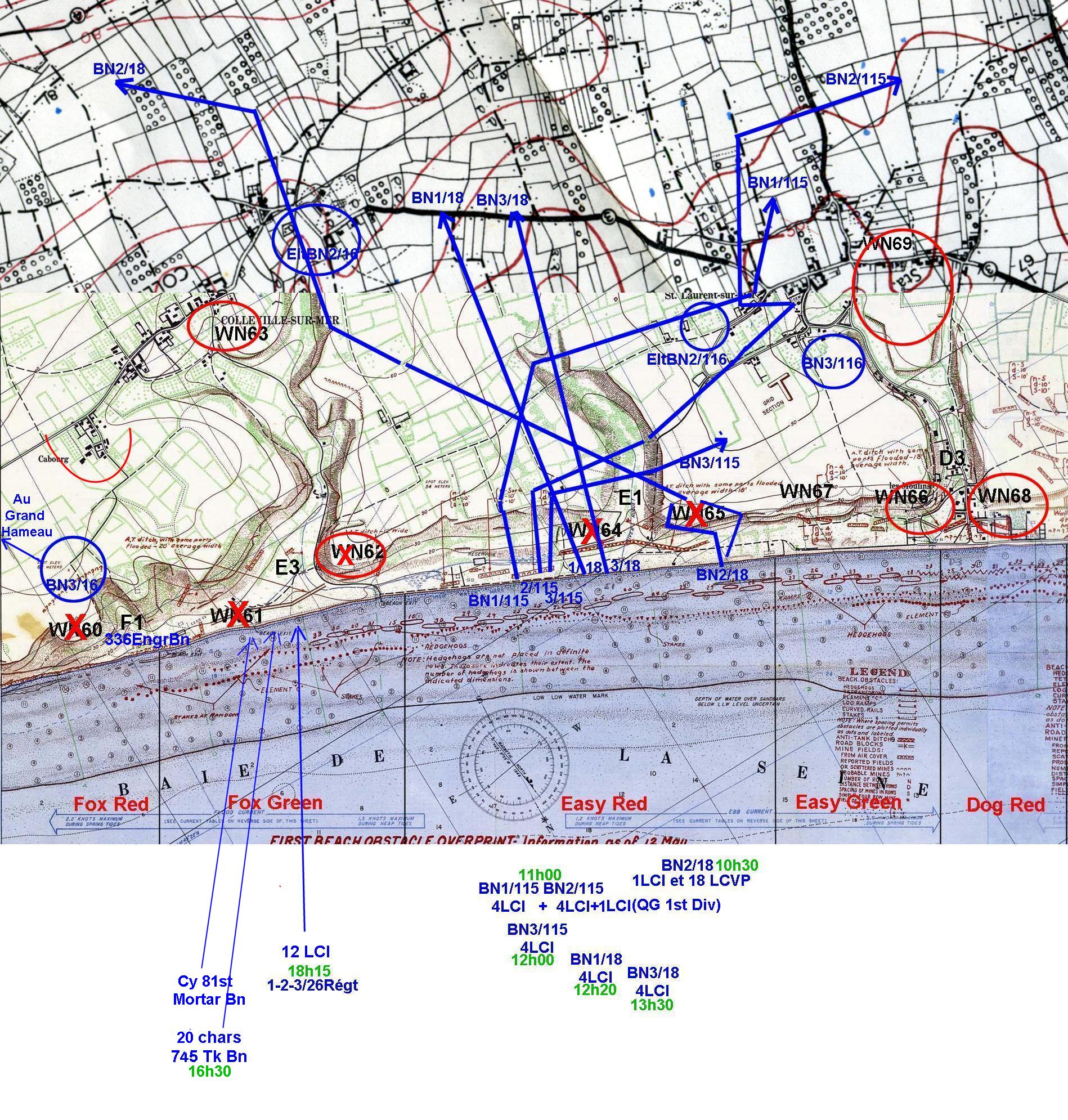
Then battalion II/18 infiltrated southeast of Colleville and settled on the area of assembly originally planned south of Colleville, for the 16th Regt.
Battalions 1/18 and 3/18 took positions on the road between Colleville and Saint-Laurent. All these positions were held during the night of 6-7 June.
In Colleville, battalion I/16th Bn maintained all night contact with battalions II/16 and II/18 on its left, engaged skirmishes on its right, and failed to find contact with the 116th RCT on its right.
On the morning of 7 June, the almost encircled Germans went to the II/18th Bn in large numbers: 160 prisoners and 50 killed. Many others had escaped in the night.
On the beach, the work of the Engineers (37th Engr Bn and 348th Engr Bn, of the 5th Engr Sp Brigade) to open the E3 exit was made impossible by the resistance of the WN62. Although the WN62 ceased to be an obstacle in the afternoon, the Germans firmly held Colleville and Cabourg, the heads of the E3 valley. And there were no tanks to support the engineers and only a few troops of infantry rescued from the morning killing in front of E3.
In addition to the very effective German artillery fire, probably directed by the WN62 artillery observation post (until about 15:00), it prevented any activity and even any collision of LCT in front of E3. These shots were attributed by the Americans to a 88 hidden somewhere. They searched for him in vain, because this 88 did not exist, the shots came from the battery of Houtteville, camouflaged in the hedges of the bocage a few km south of the beach.
From 16:30, tanks of the 745th tank battalion, between 20 and 25, i.e. 1 company 1/2, arrived on as many LCMs (?). These tanks were directed in the evening to F1 and E3, as soon as these exits were available.
In addition, a company of the 81st Battalion of Mortiers (4 120mm bear mortars) could be put in battery in the early afternoon in the vicinity of WN 61 and was thus able to fire on the WN 62, contributing to its neutralization.
Meanwhile the division's reserve regiment, the 26th RCT, approached with 12 LCI (one of them, LCI 416, will be 3 days later hit by a mine and stranded on beach E3), from 6:15 p.m. at the foot of E3, on Fox Green. His previous orders were to push southeast towards Bayeux after leaving the beach. But it was late and the orders were changed. Battalions III/26Bn and II/26 Bn were sent by the beach to the Ruquet to serve as a Corps reserve (II/26) and place (III/26) between the 18th RCT and the 115th RCT, while the I/26 Bn had the mission to push towards Cabourg and then Port in Bessin.
After the neutralization of the WN62 and after the artillery fire slowed down, starting at 20:00, in the evening and even at the beginning of the night, the engineer was finally able to work more quietly to open the E3 exit, filling the anti-tank ditch and setting up the bottom of the road towards Colleville and Cabourg.
After several interruptions due to artillery fire, the road was opened, 15 tanks from Cie B/745 Tk Bn were able to take the exit and station at the foot of the E3 valley.




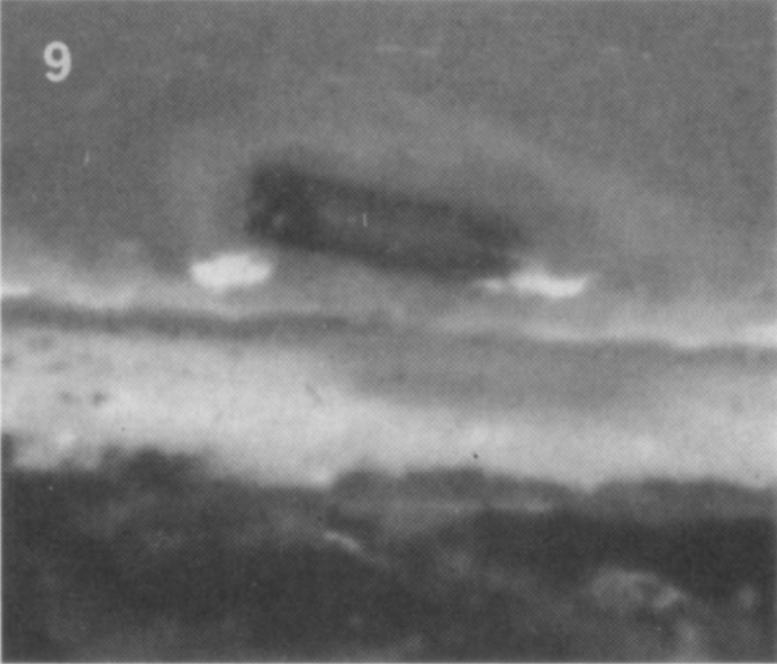

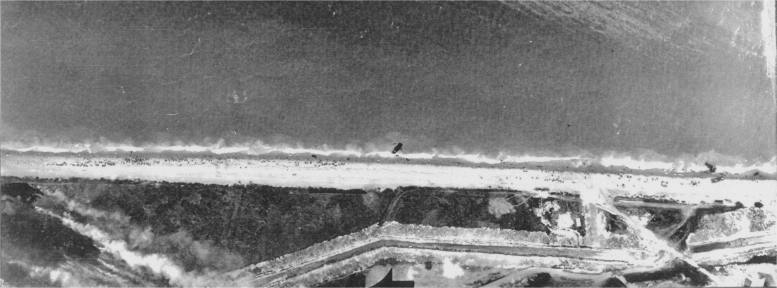


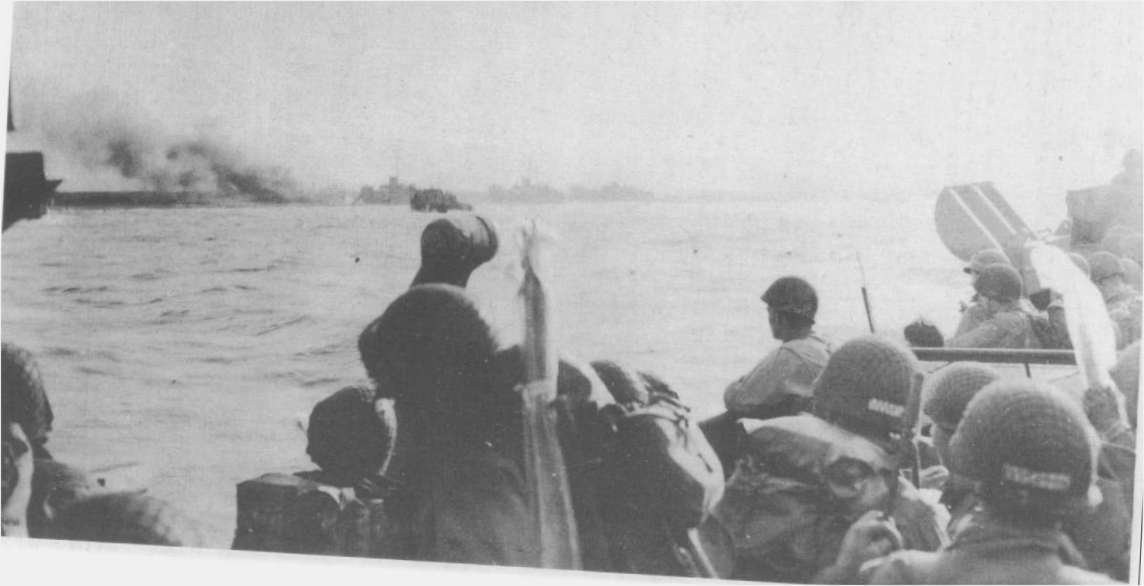
(details) CTA 305 off Colleville [LCT 305]
(details)

(details) On board an LCT carrying units from the 348th ECB. We see 3 LCI on the shore, probably in front of Le Ruquet.

The WN 62 seen from the sea to the open sea on 6 June
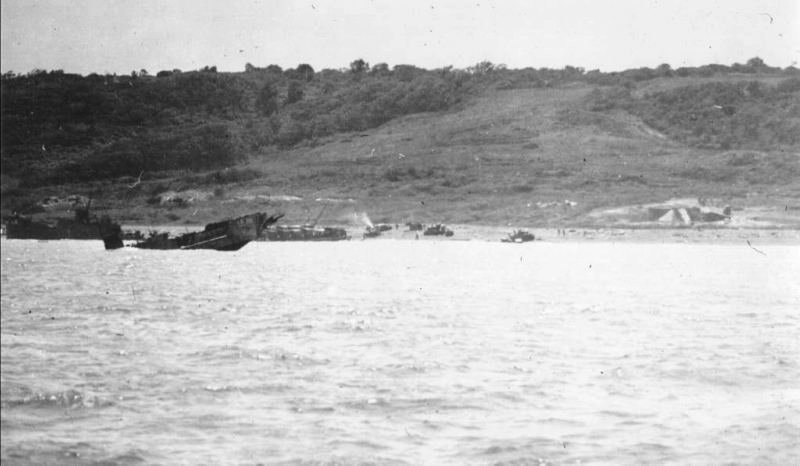
Around noon, June 6 (or 7??), in front of the WN61, we see the WN61 bunker and at least 2 tanks. An LCT is sunk, an LCI is stranded on the strike with a Rhino loaded with vehicles.

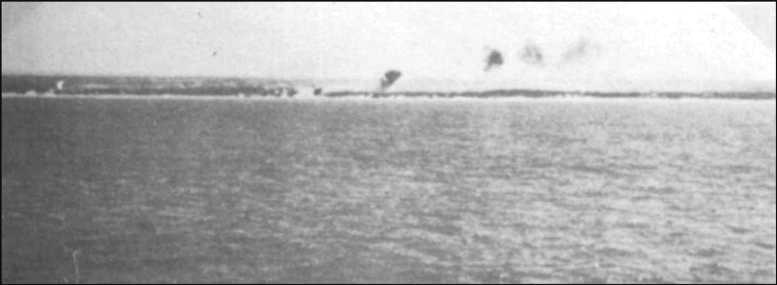
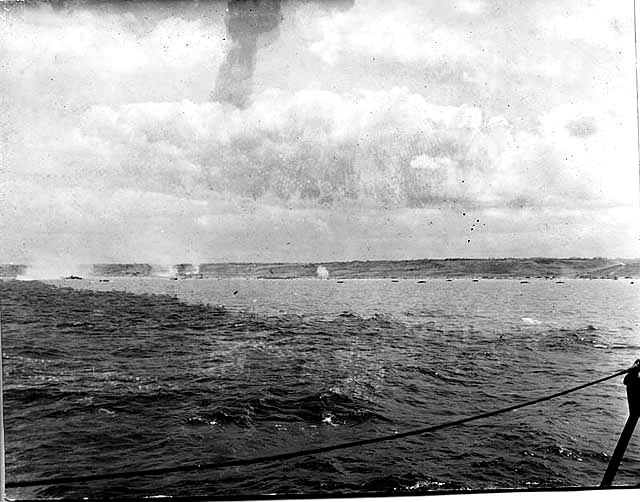
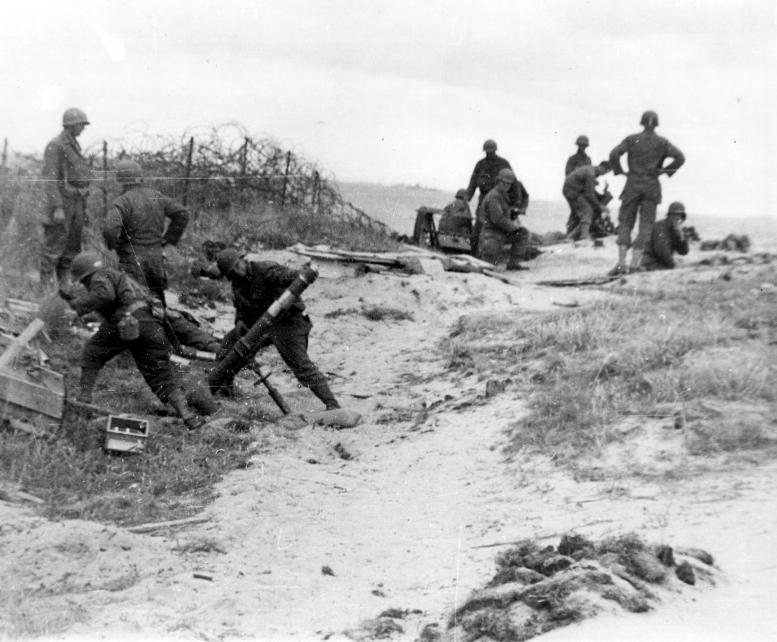
Details The 120mm mortars of the 81st Chemical Batalion, in action at the WN 61, against the WN62 which still resists in the early afternoon

The beach on the Colleville side

(details)
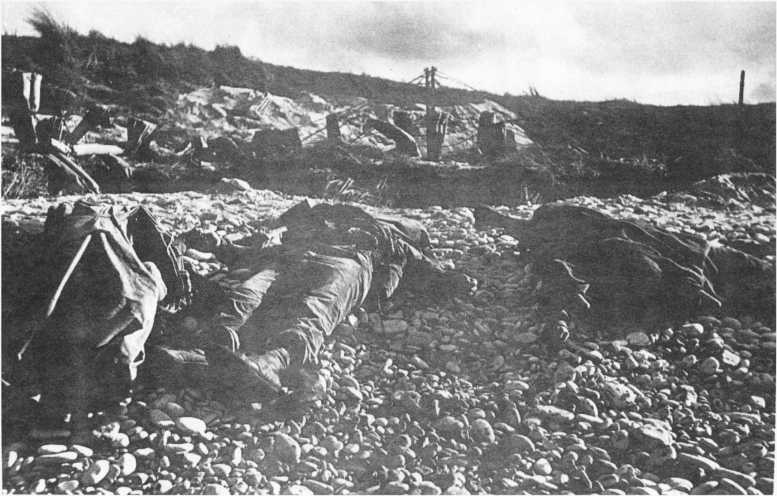
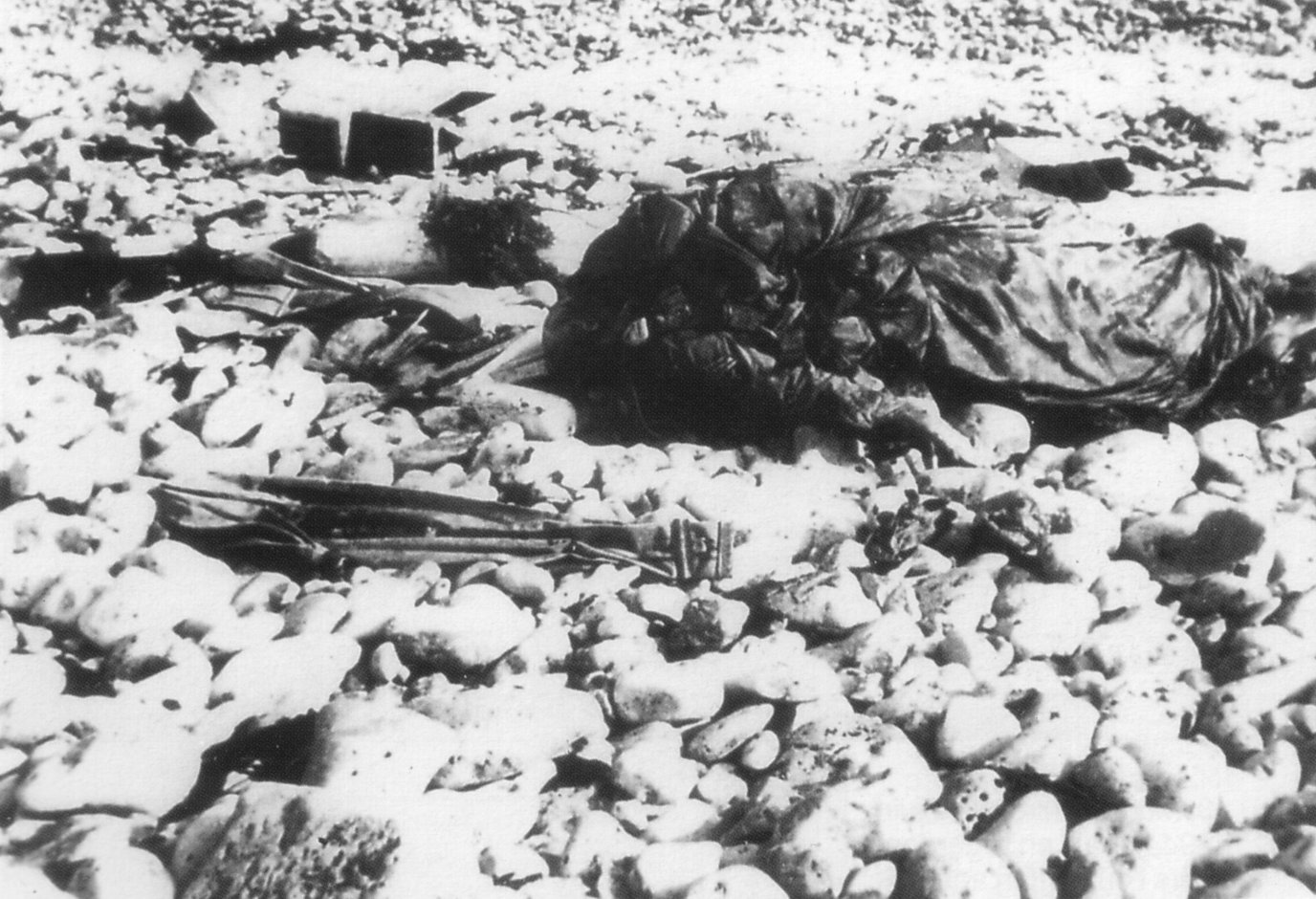
(details) Deaths on the pebbles

Attempts were made to unload an artillery observation Piper Cub aircraft in the middle of the large pebbles under the cliff of Colleville
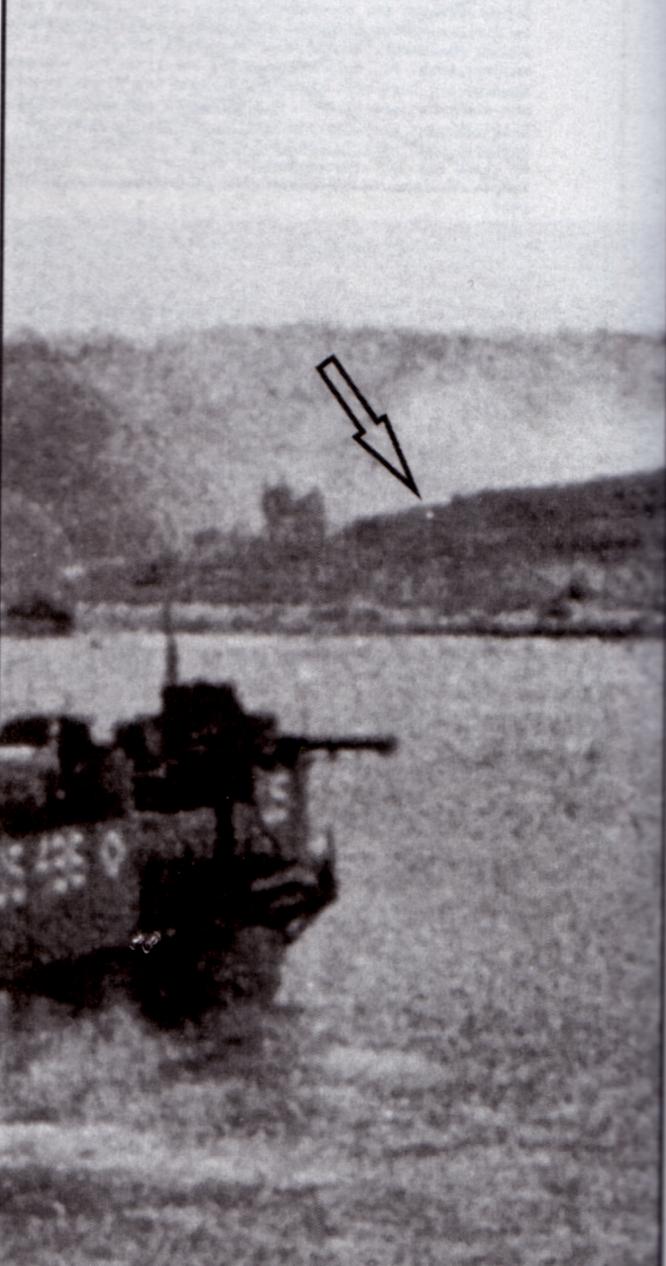
LCI approaching WN 62, June 6
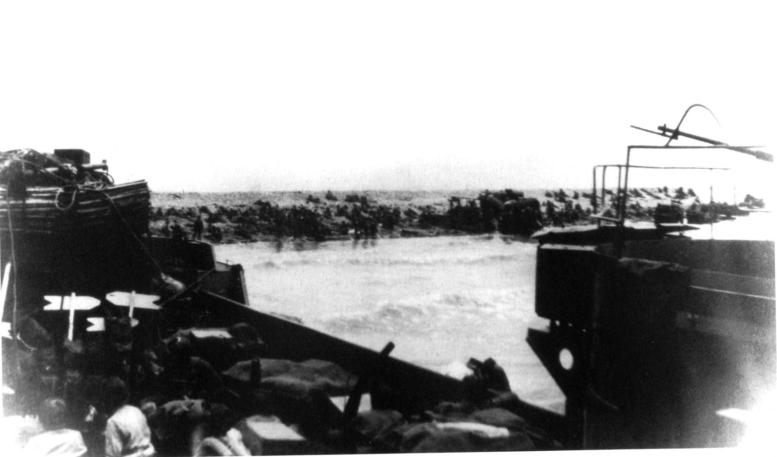
(details) Probably between E3 and F1, on Fox Green, arriving from an LCI around 11:00. GIs are always sheltered on the pebble slope.
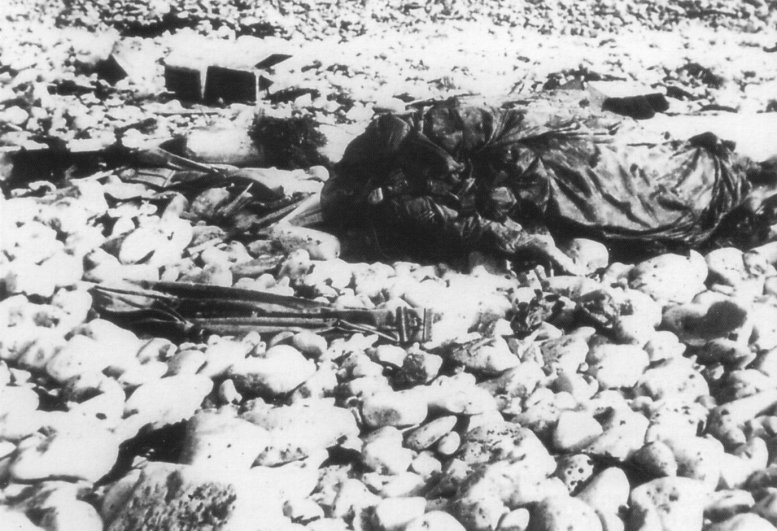
(details) Deaths on the pebbles

A STUG1 assault gun destroyed on the road from Colleville to Surrain, just north of Colleville. It was allegedly put out of combat by a small para group of the 101 AB lost. Sector of the 1st Battalion of the 16th Regiment (Cie B/16)
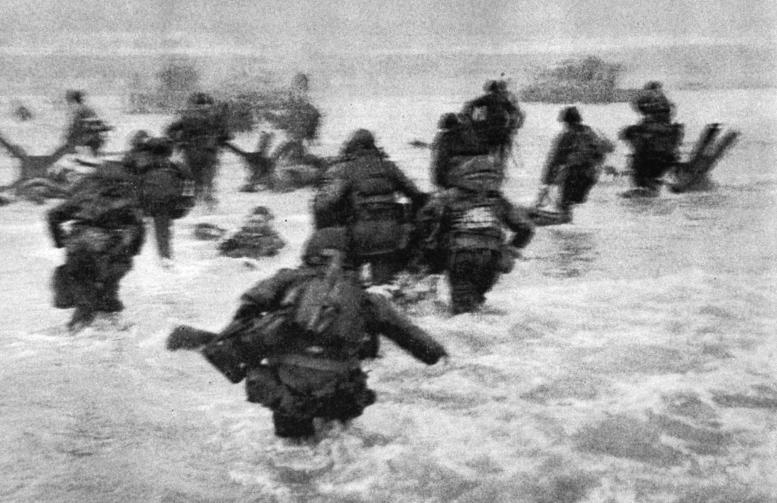
Other details- GIs just came out of the LCVP and are walking under fire in the midst of obstacles

Other details-GI sheltering behind metal hedgehogs

Other details

Other details
Below and opposite, 10 photos showing the 16th Regiment E-Cie GIs, landed between Colleville and Le Ruquet, just west of the WN62, sheltering at about 7:15 a.m. in the obstacles before heading forward towards the pebble slope that offers better protection
GI sheltering behind hedgehogs and wooden ramps
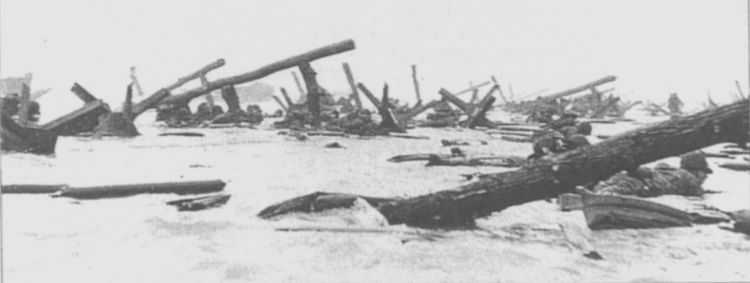
Other details

Other details

Other details-The GIs move towards the slope of the ball, we see 3 or 4 tanks, 1 or 2 amphibians (with narrow and high air sleeves) and 2 standard type (with wide air sleeves)
detail

Other details