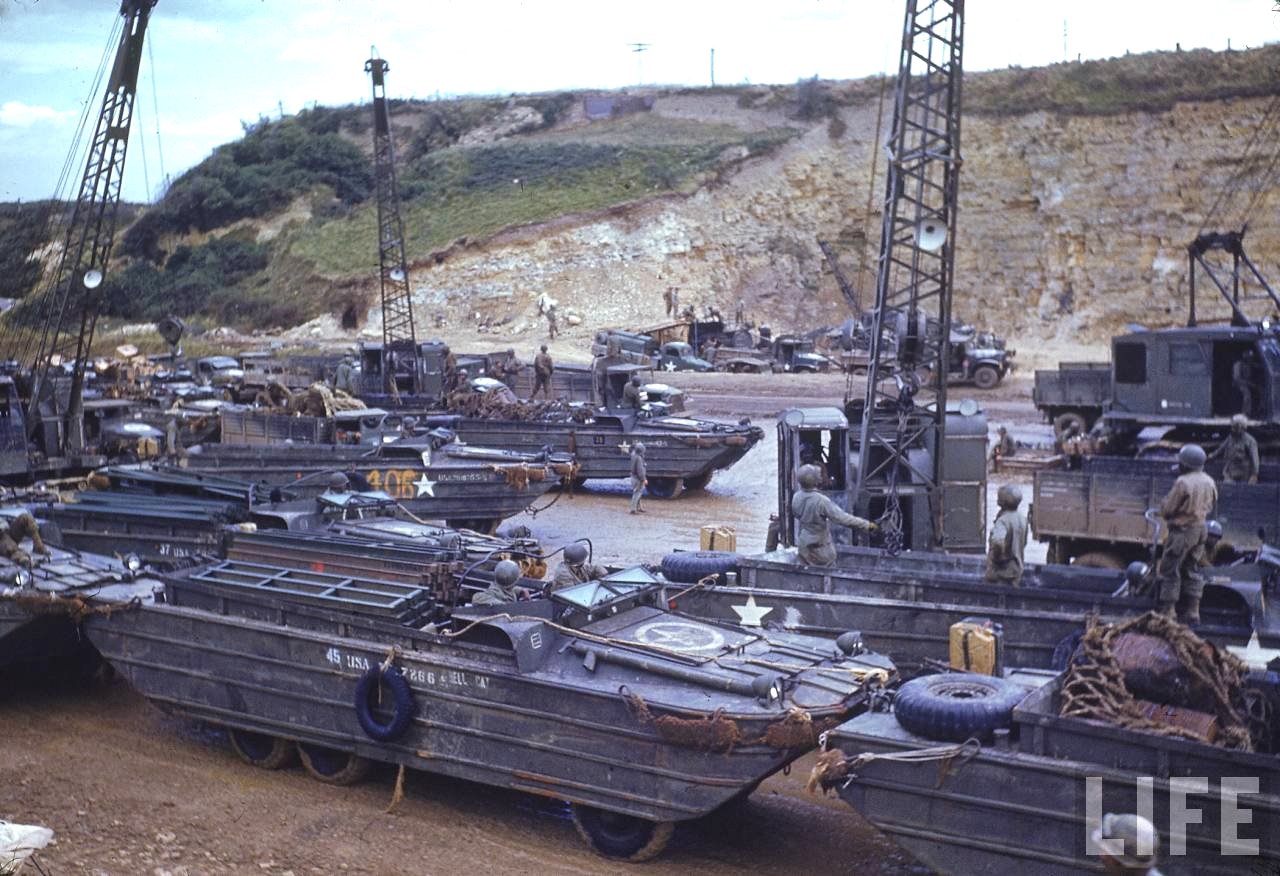
The port operations on land of the 2 Special Brigades of the Engineering and the 11th Port
128
Failed and unloaded cargo directly

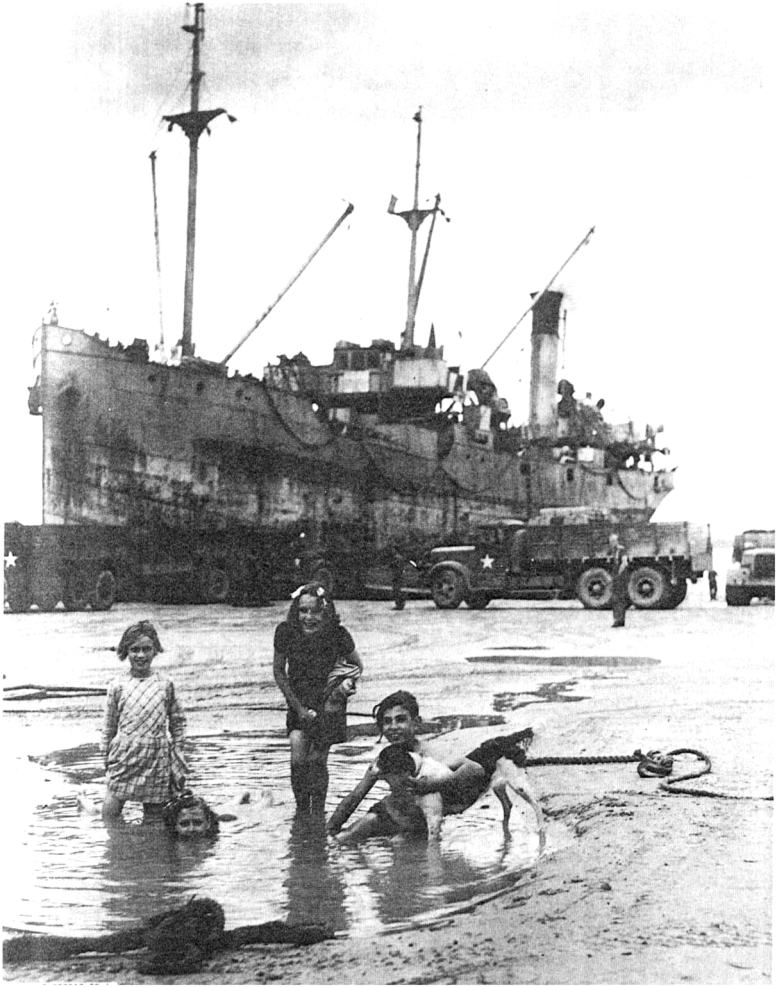
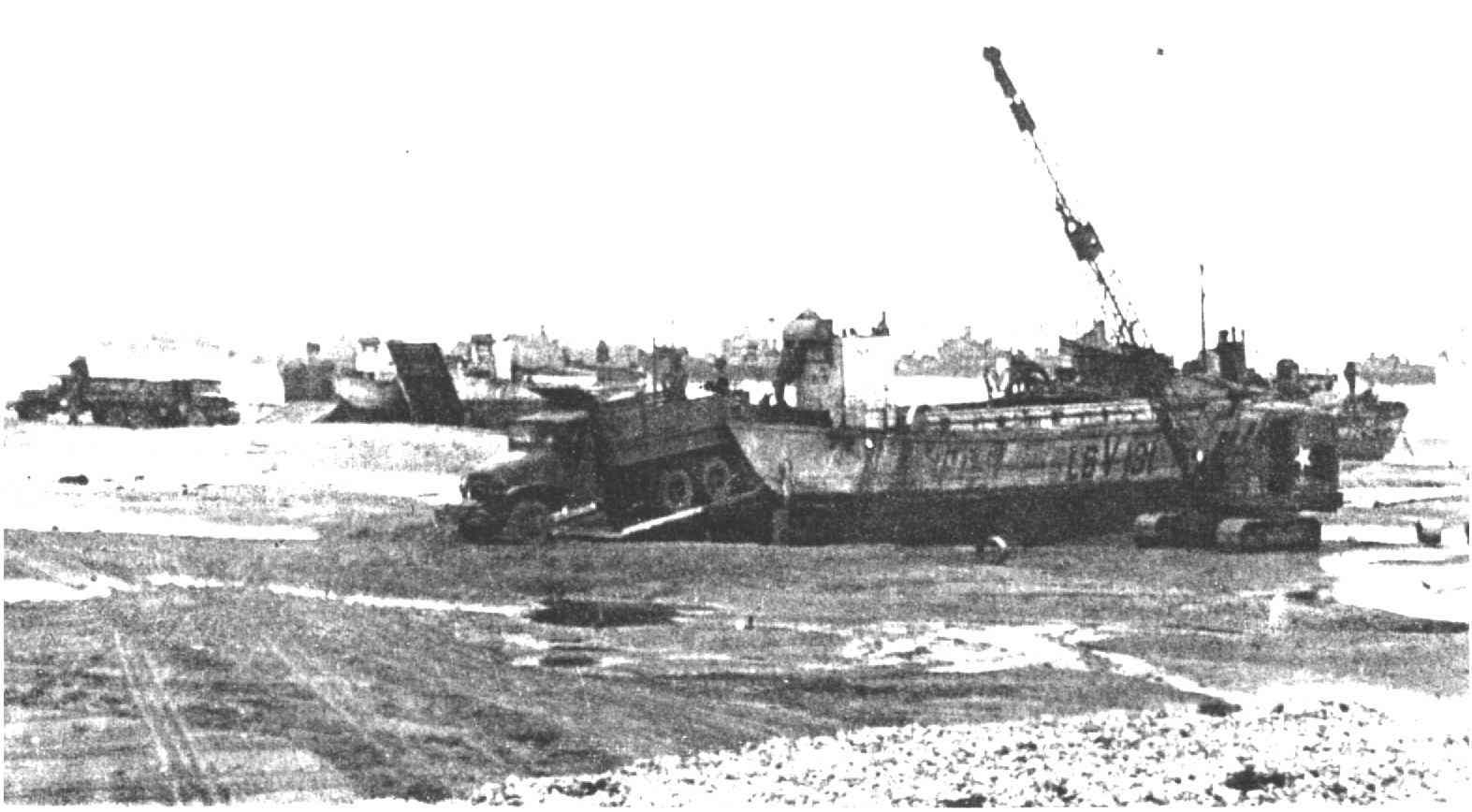
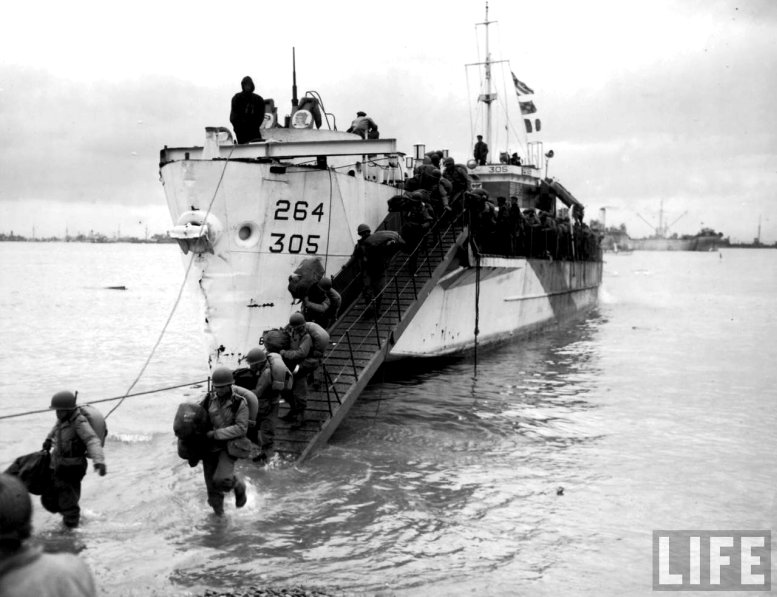
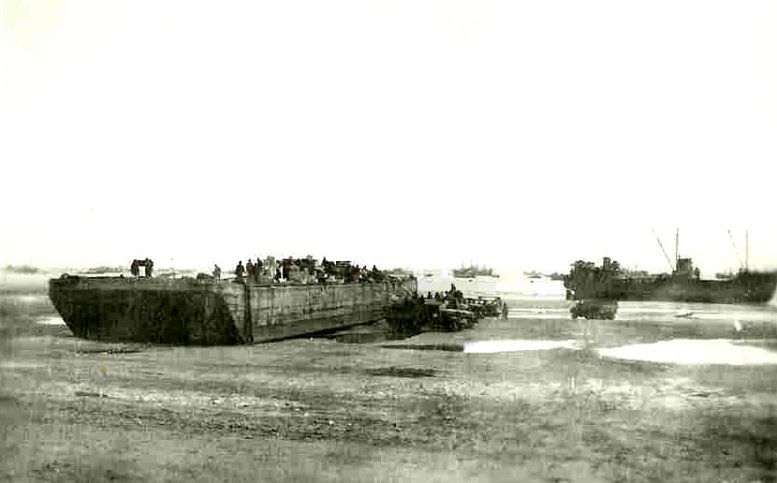
Direct discharges on the beach
from RFs or barges LBV or LBU or LCI

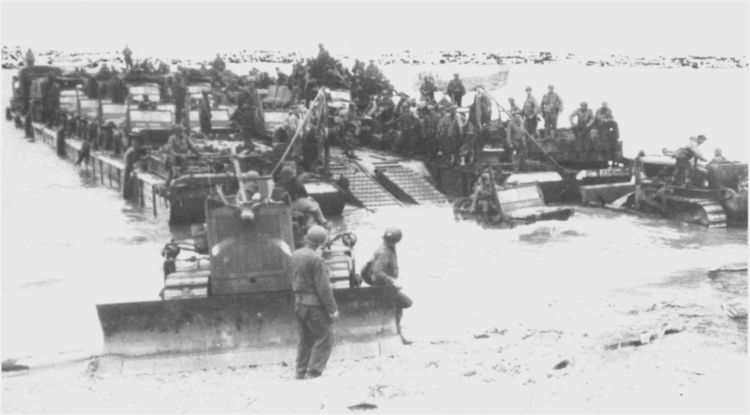


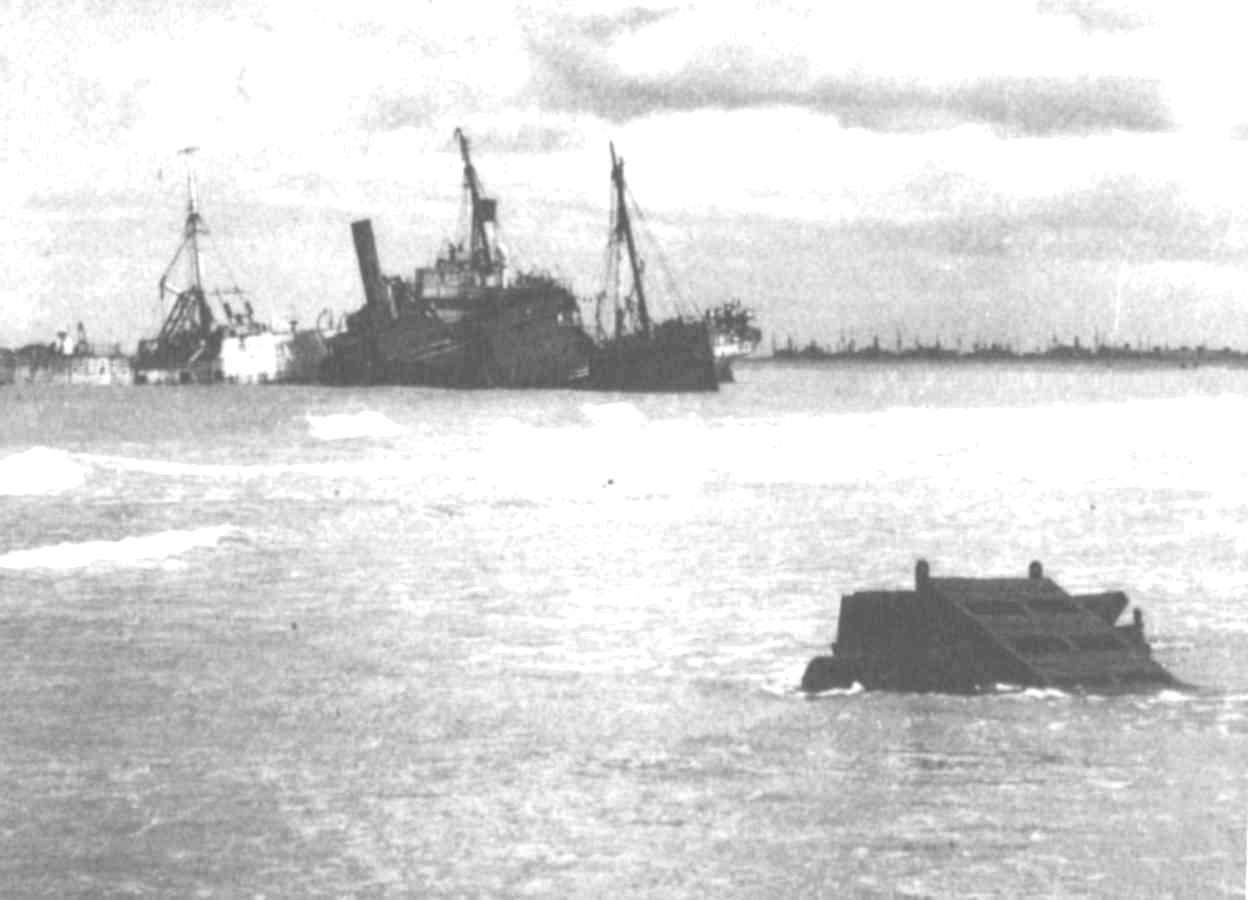
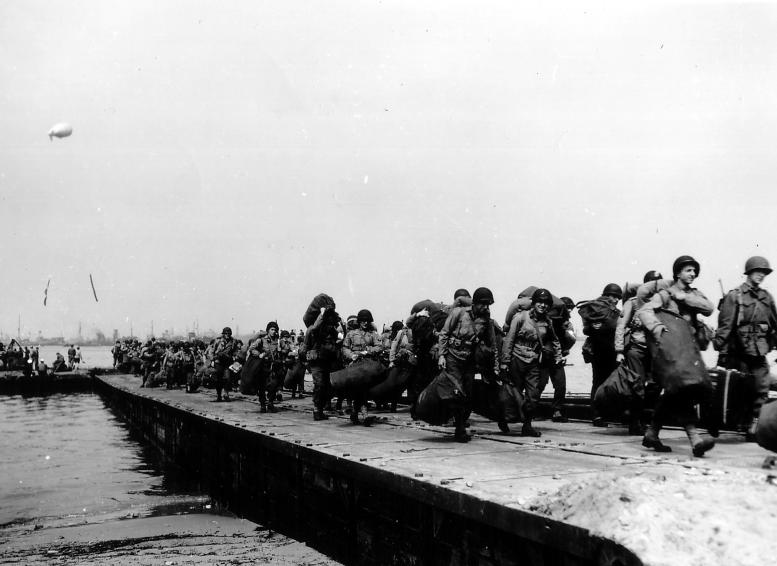
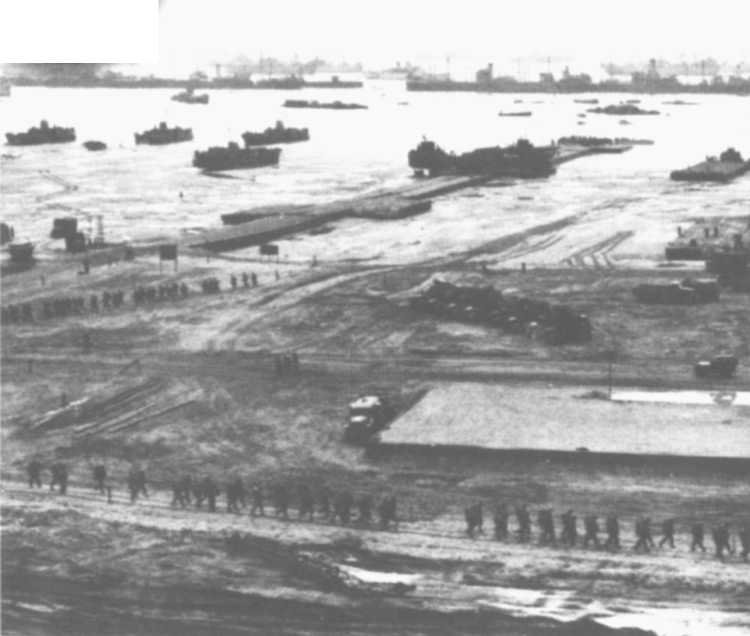
Causeways
These floating carriageways, built and attached to the strike and made of assembled metal casings, are used to unload LCT, Rhino and LCM
Posts for redeployment
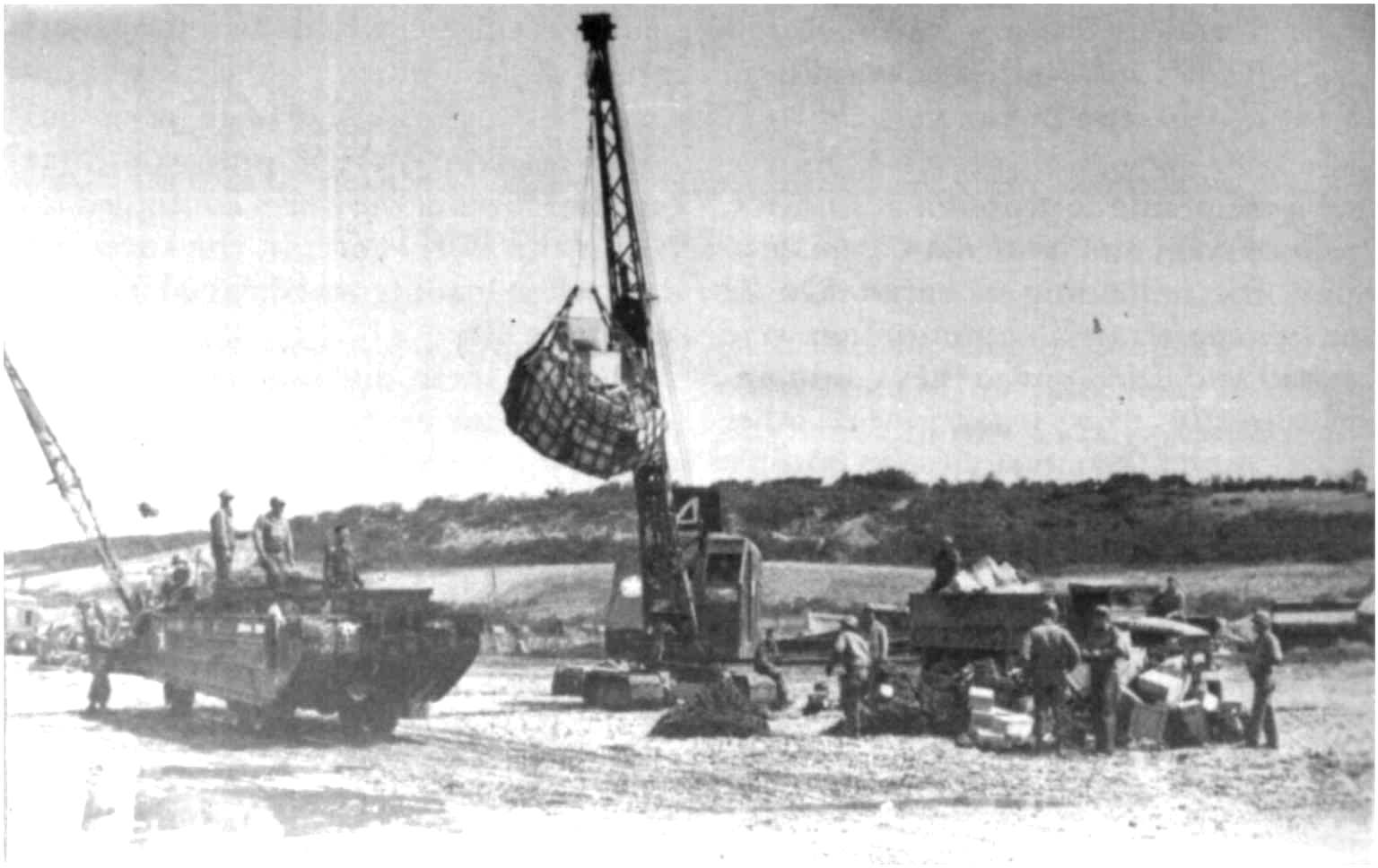
ducks/trucks
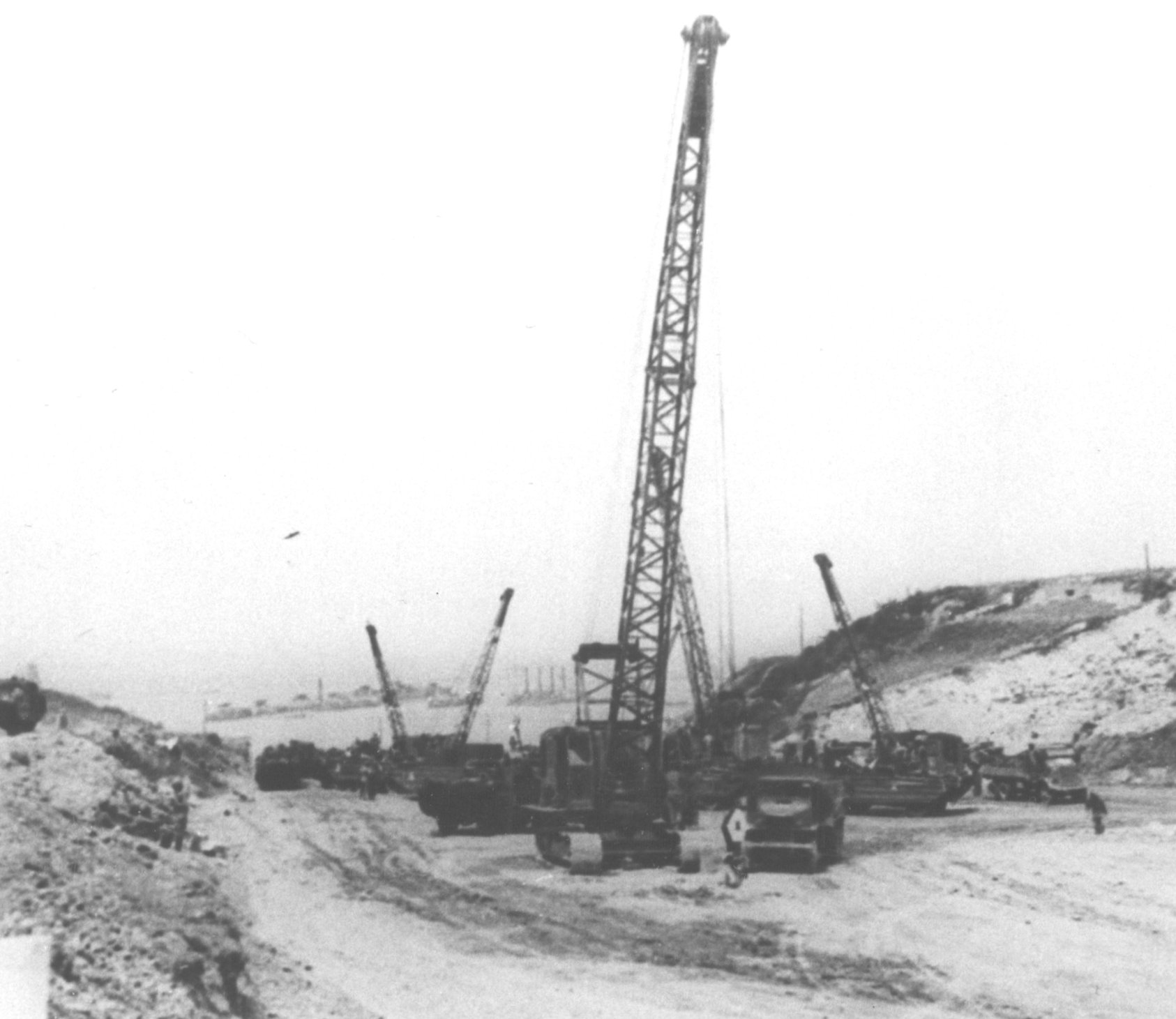
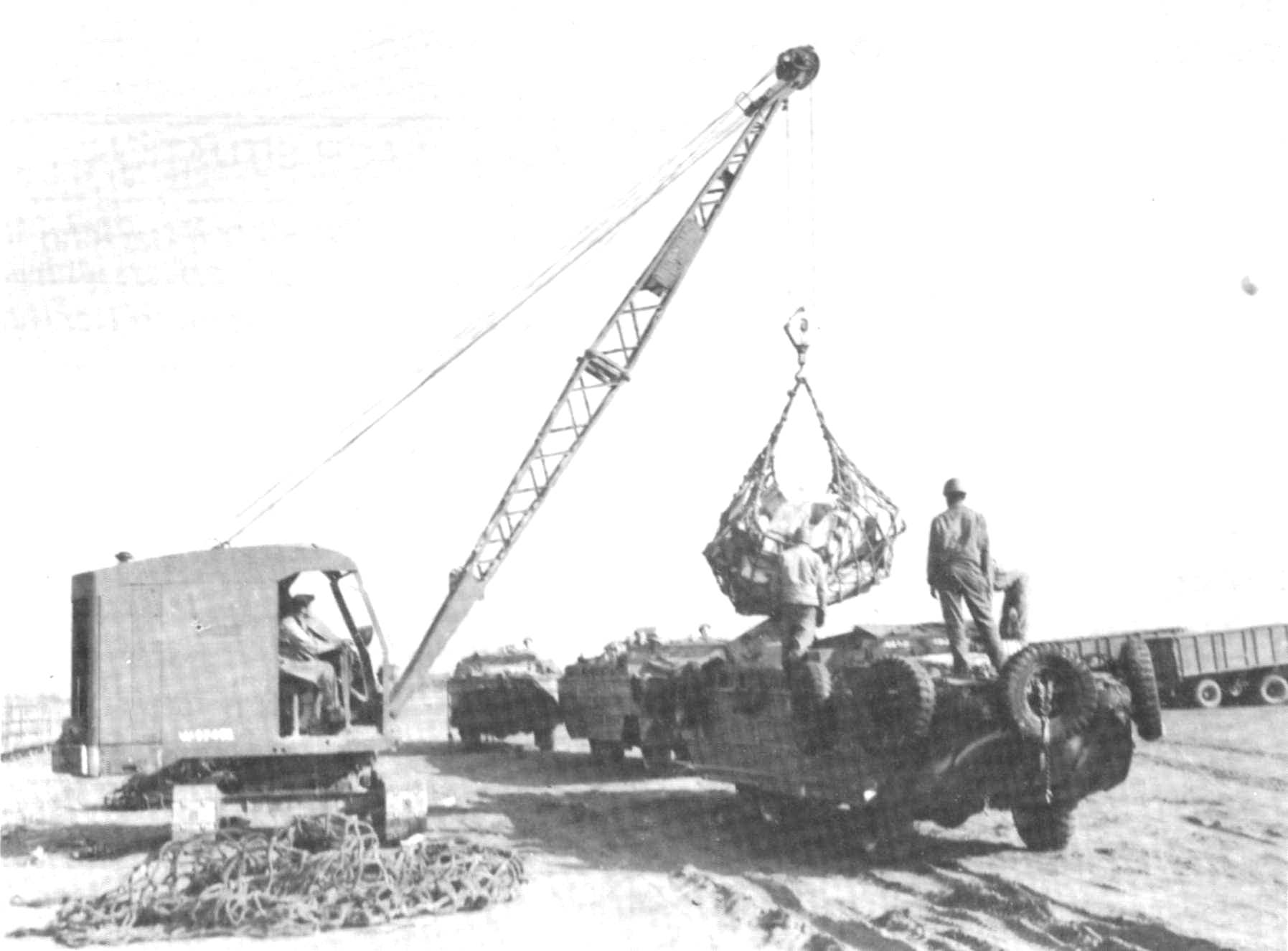
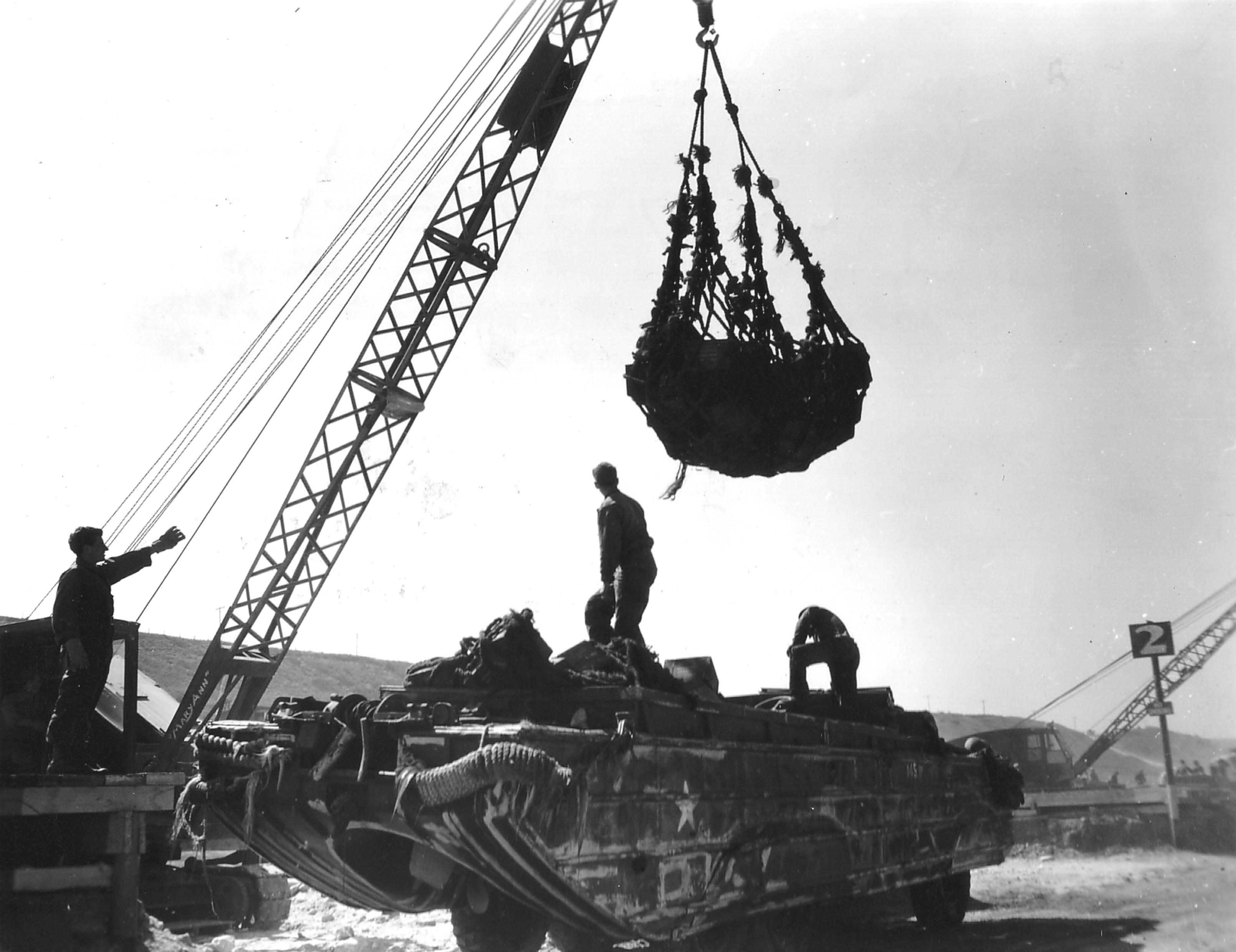
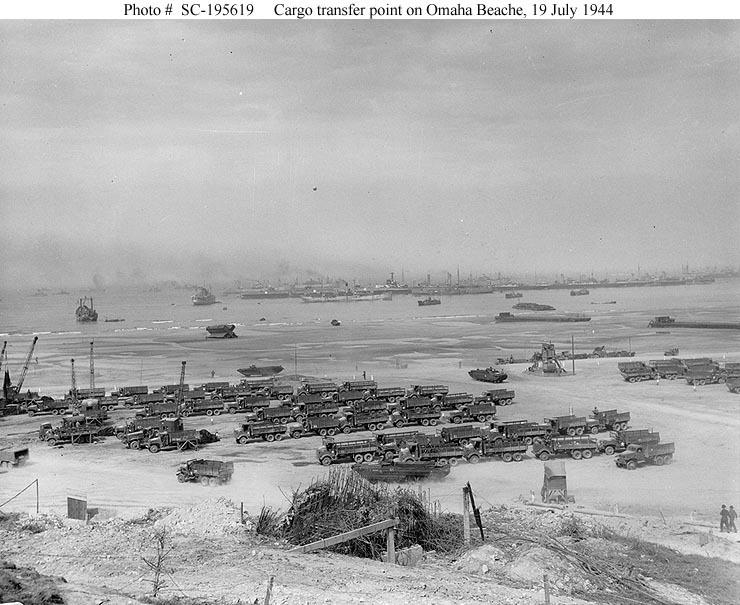
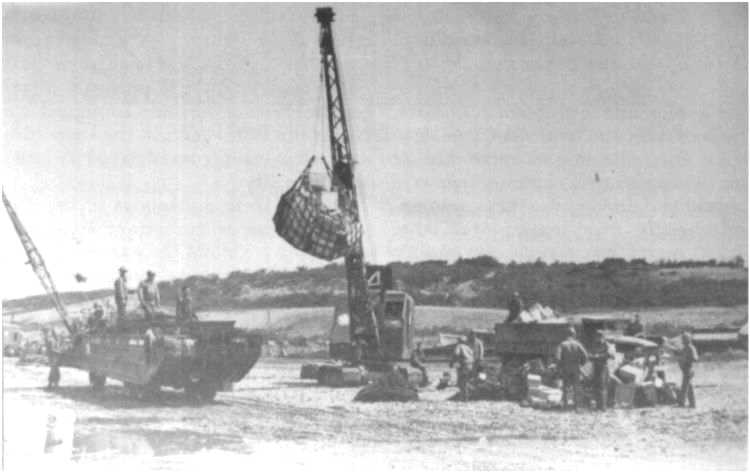
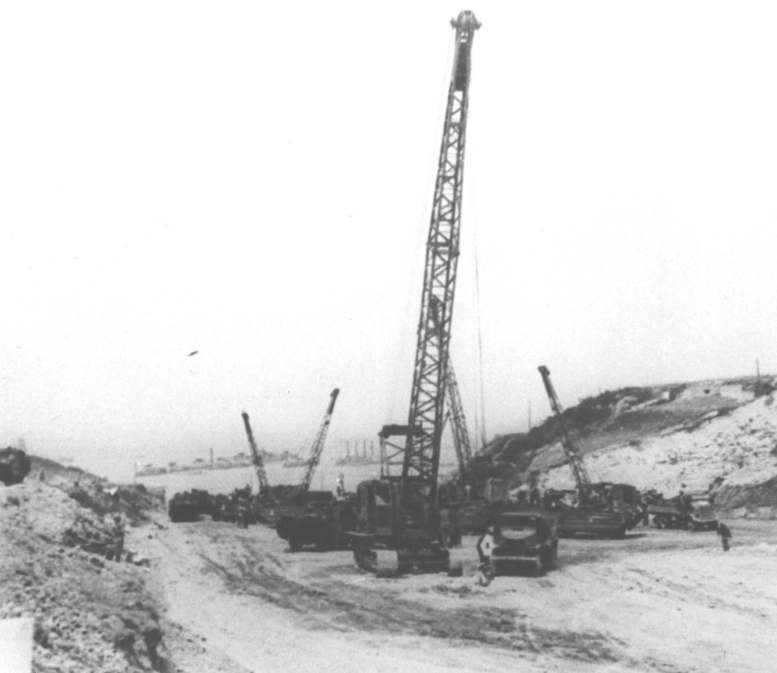
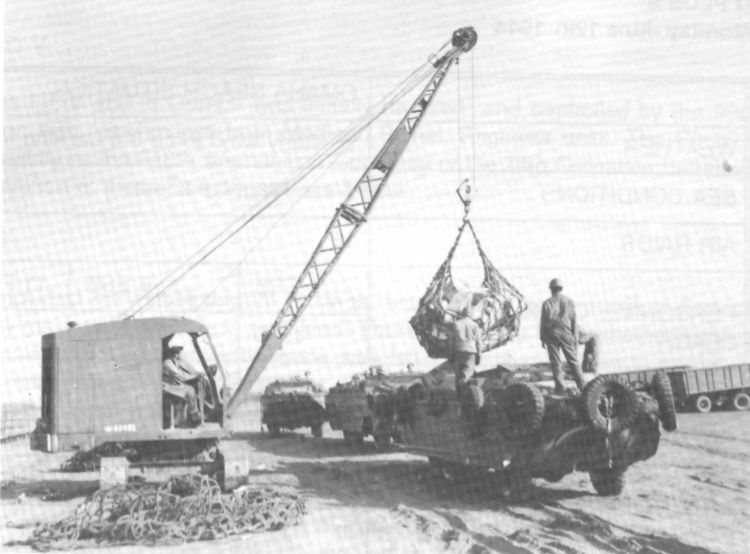
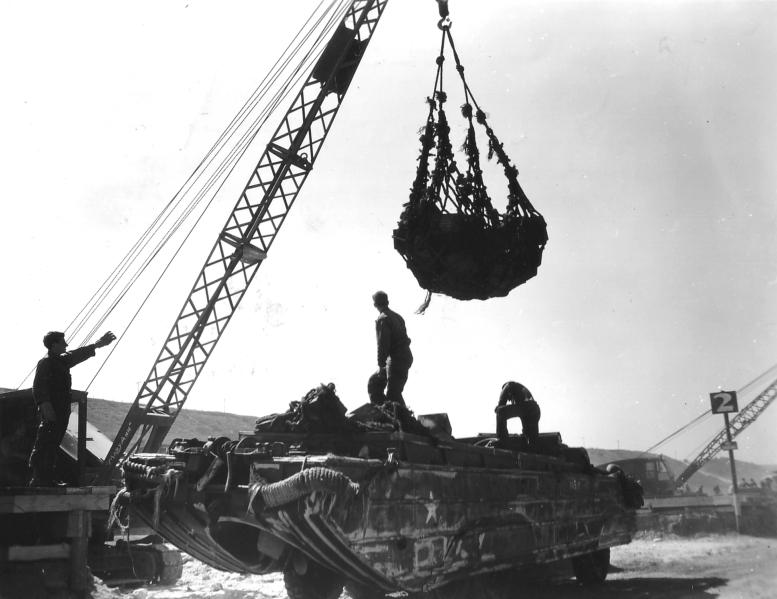
The ducks were loaded at sea with the cargo ships (the dockers, handlers and attendants of the loading masts were soldiers of the Port Companies). The ducks were then unloaded on land by engineering track cranes in trucks that delivered the equipment to the depots located in inland requisitioned grasslands.
Since ducks were the rarest material, everything had to be organized so that they waited as little as possible.
Illustration not available in the transmitted fund.
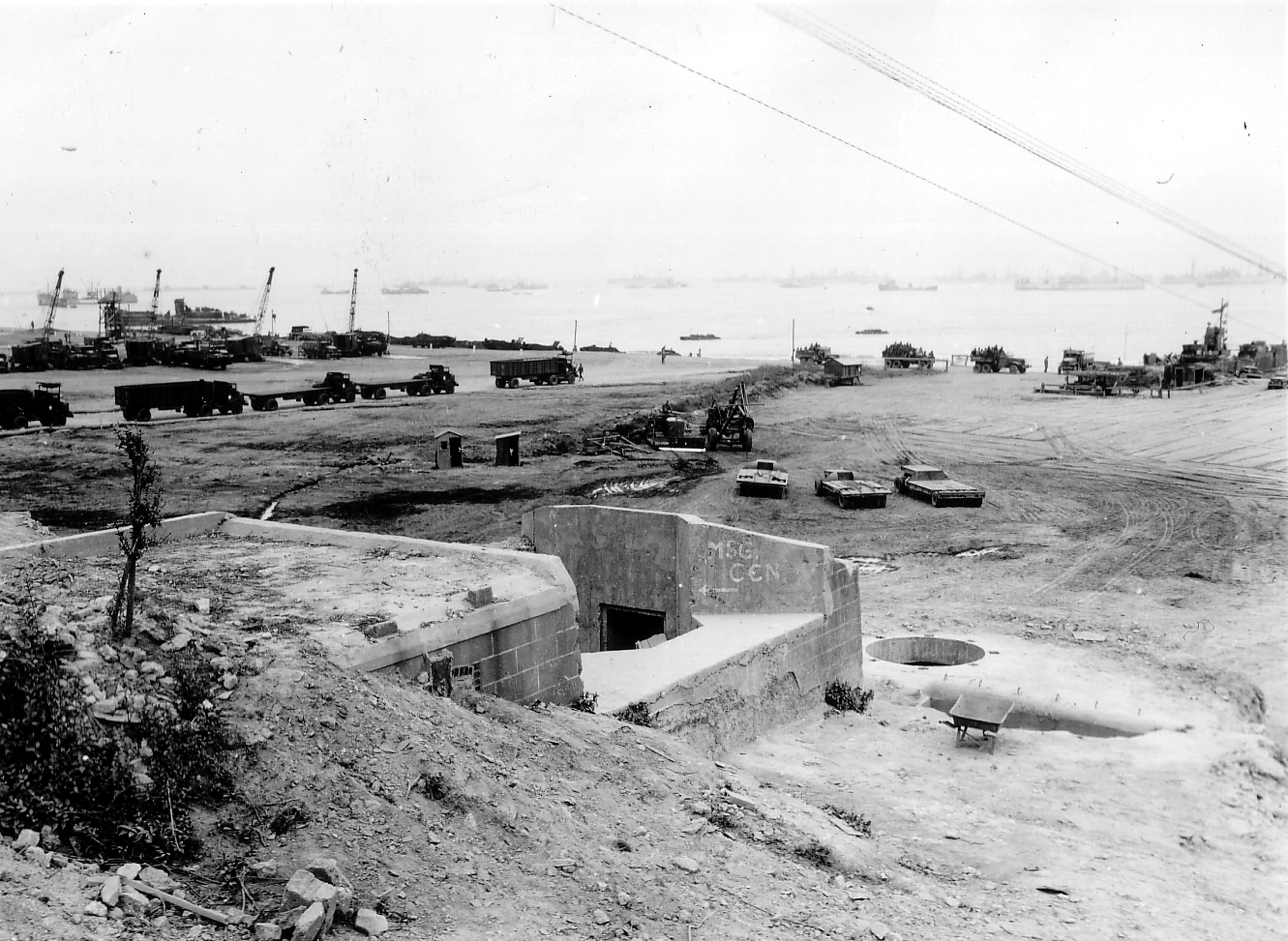
(details) the transfer post of St Laurent




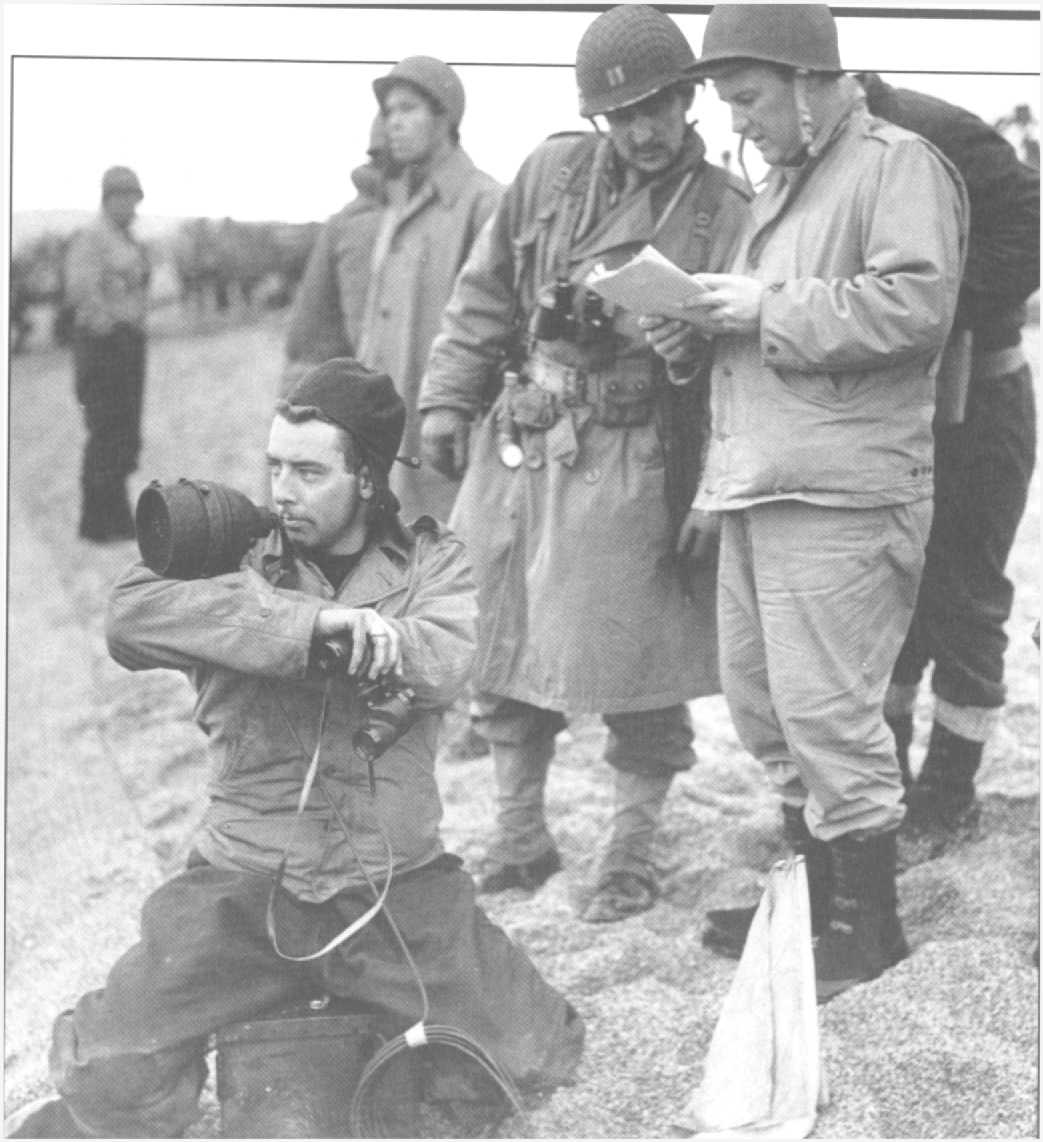
Marking of beaches


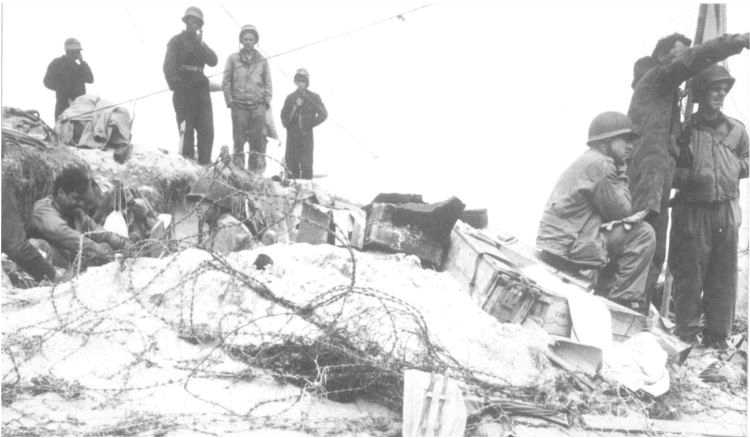
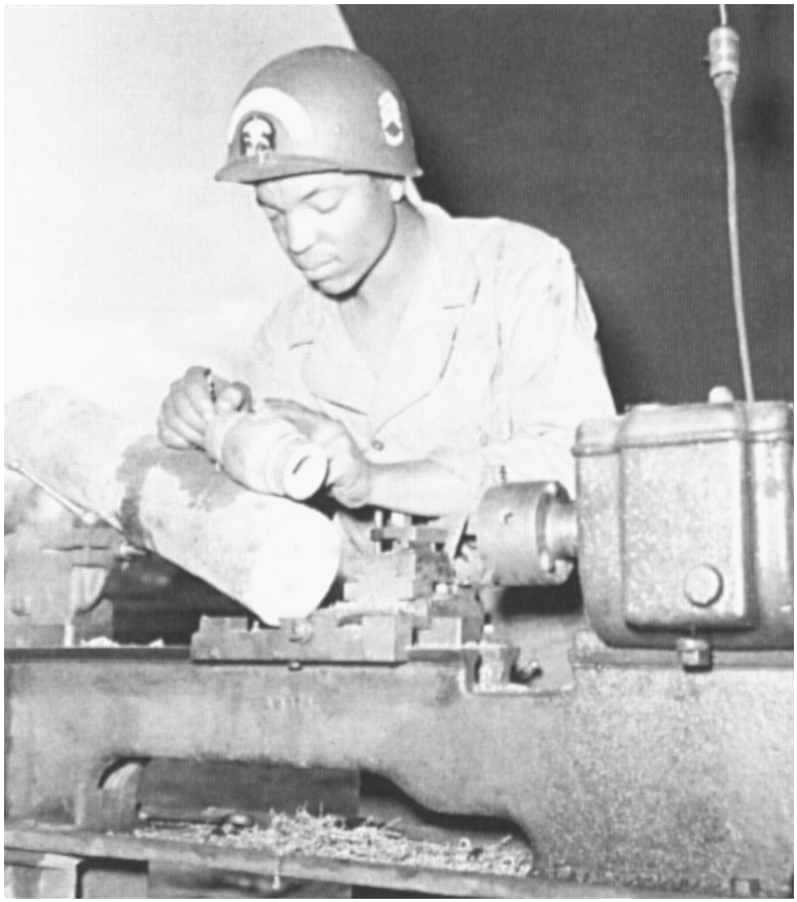
The maintenance workshops of the "ducks"
Amphibian truck companies were often made up of black American soldiers. At the time, segregation was normal in the US Army and the black units at Omaha Beach were those of the transport and the balloon battalion.
In the army, only a few fighting units were experimentally black (including a tank battalion). In the USNavy, however, there was no official segregation.
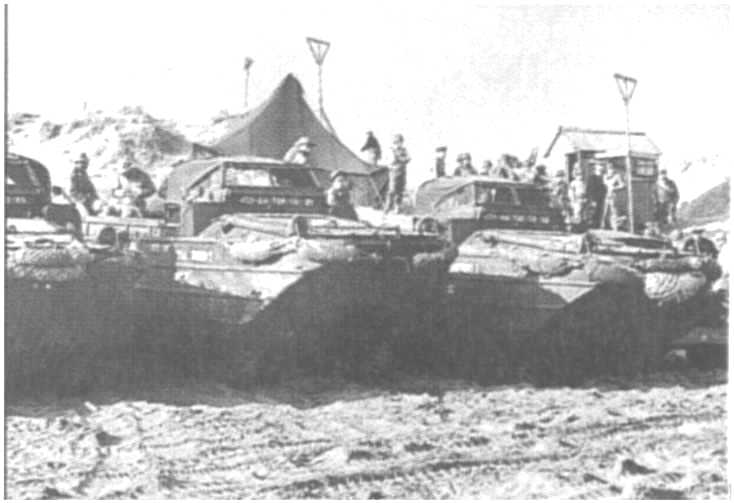
The camp of a "canard" company


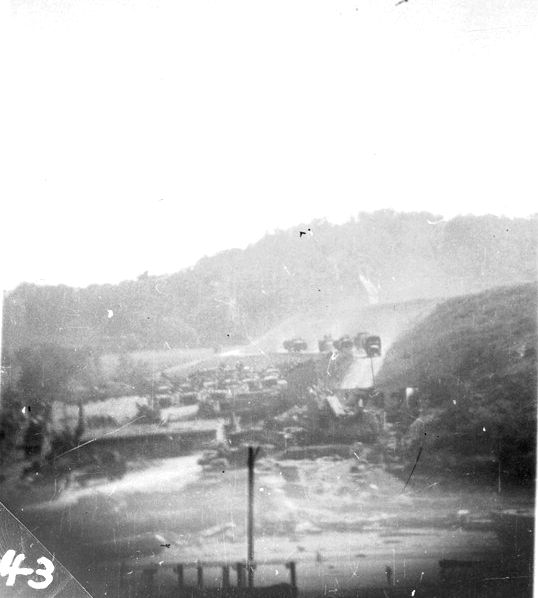

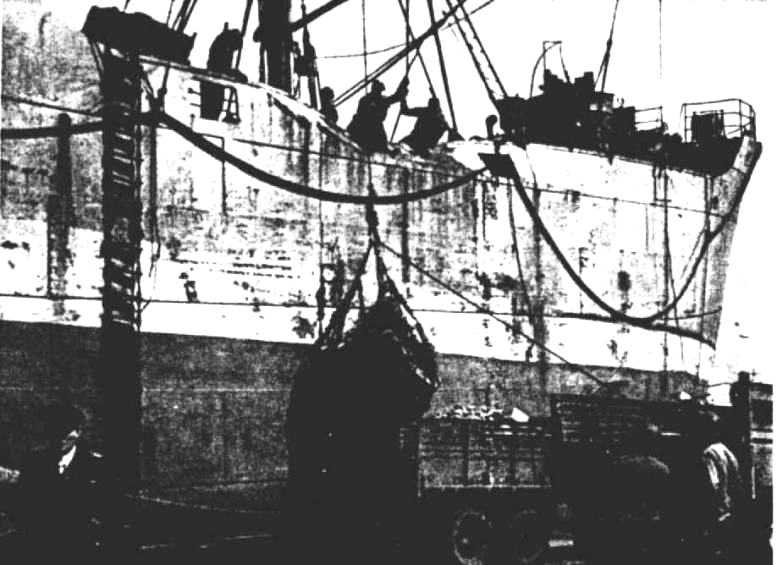
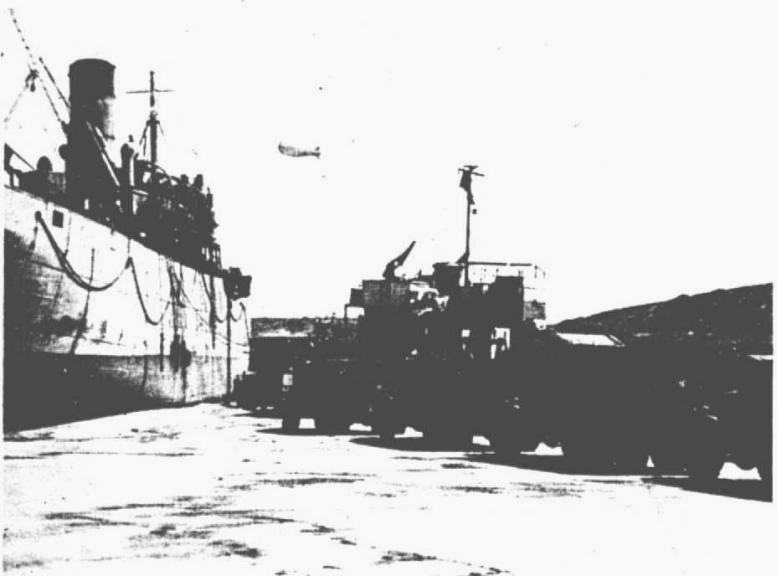
Sometimes coasters used the port of Port-en-Bessin to unload goods destined for the Americans, after failing in the port: