

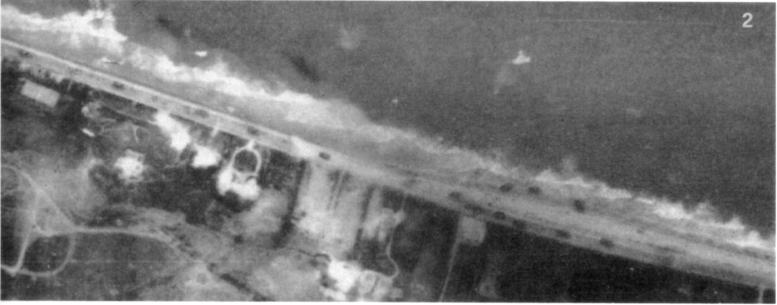

Between Vierville and StLaurent, at 9:00 a.m., after the departure into the cliff of the infantry and the Rangers, the beach was occupied only by engineers without their heavy equipment, the tanks surviving the 743rd Bat, and some medical posts badly sheltered and without equipment.. Of course, there were also the few survivors, the dead and wounded of the infantry units that had been destroyed under Vierville between 0630 and 0800.
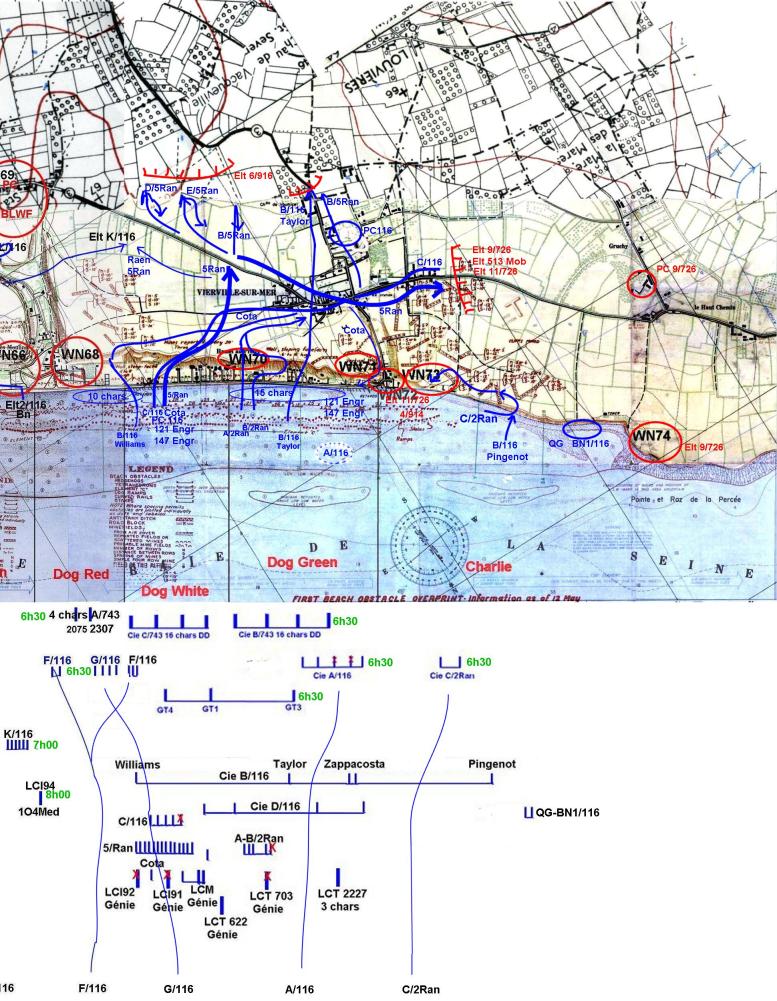
The 2 Engineer Battalions, the 121st Engineer Battalion and the 147th Beach Engineer Battalion, which were in charge of Dog Green and Dog White beaches and the Vierville descent, were scattered in small isolated groups for several kilometres, often well beyond these areas. They had suffered significant losses in terms of men and equipment. Some small groups of the 121st followed the assault infantry in the cliff and to Vierville.
A sapper who followed the infantry on the cliff:
Sergeant Debs H. Peter, from the 121st Bat. Engineering (disembarked on Dog White, LCI 91 or LCI 92):
"There was a chariot on the sand between us and the pebbly slope. We joined him and squatted behind him. But then a shell hit the tank. Scraps hit Captain Bainbridge (of another unit) and torn his face. It looked bad, a lot of blood. A shrapnel struck me in the chest, tearing her up too. I asked him if it was serious for him and he replied "just a scratch," but it seemed serious to me. I didn't see him again.
I reached the pebbly slope and found Captain John MacAllister of my unit and Major Robert Stewart, our deputy commander. We thought together we had to get out of here if we didn't want to be killed, Major Stewart told me to move on. I knew where the mines were, because I had carefully studied the aerial photos and the information. So I said "we're going." We jumped on the road, crossed, plunged into a ditch, came out along a path, then on the slope of the cliff, quite steep, but it was good, out of the fire line of machine guns.
We continued on the cliff ridge, and despite our good shape, we were out of breath. The artillery and mortars had ignited the grass and there was a lot of smoke. We had to put on our masks. So the major told me to go in reconnaissance to see what was in front of it. The machine gun fire was terrible, I went against my heart. Fortunately the grass was high and there was a lot of brush. I was flattened on the ground, I had to make about 100m when I was caught by a machine gun shot that tore my package and holed my helmet.
I tried a small depression of about 30cm and finally I was able to lift my rifle, put a grenade in it. I fired it in the direction of the machine gun. She exploded, and then I got out quickly and found a bigger hole."
But most sappers stayed on the beach:
At about 8:30 a.m., an officer on Dog White noticed two sappers moving hard by dragging a heavy box of explosives on the beach, in front of the pebbly slope. One of them stopped to rest, and wiped the sweat of his forehead and asked, "Where are we? We have to blow something down from Vierville."They took back their crate and continued their march towards the most dangerous part of the beach.
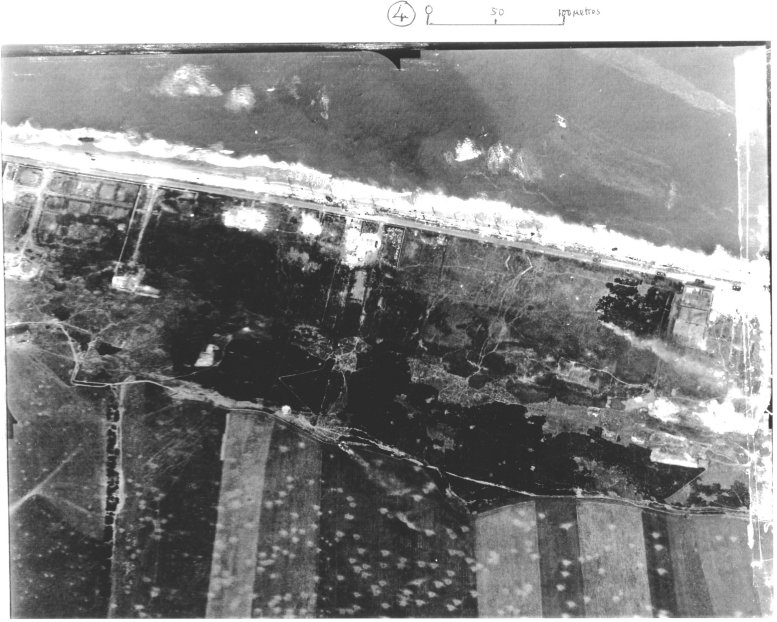
All these groups remained very dispersed throughout the morning between Vierville and the Ruquet, moving slowly and under the harassment of German fire, towards their main objective Vierville. Isolated snipers reappeared along the cliffs even in areas where penetrations had been made. Small combat patrols were launched in attempts to clean up the cliff. One of the patrols entered WN70 Fort over the Hardelay villa and found it demolished by naval fire and almost abandoned. But here as elsewhere long tunnels connected between them provided easy shelters for the enemy and made it impossible to clean up completely. Safety on the beach was still difficult on the morning of June 6, but it gradually improved.
The 352°Div German field artillery, although missing ammunition, sporadically continued to carry out harassment fire from its positions in the interior, led by the observers still active in the strengths still in operation.
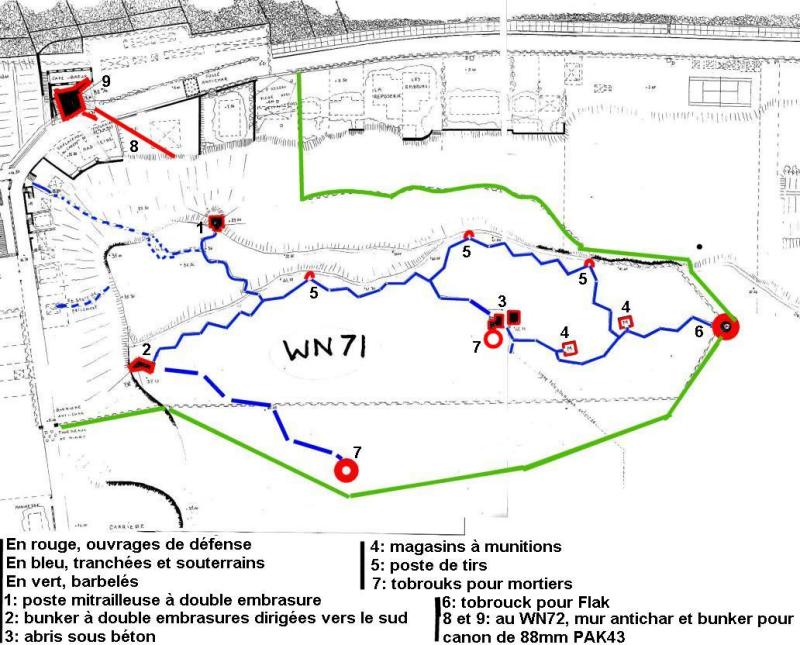
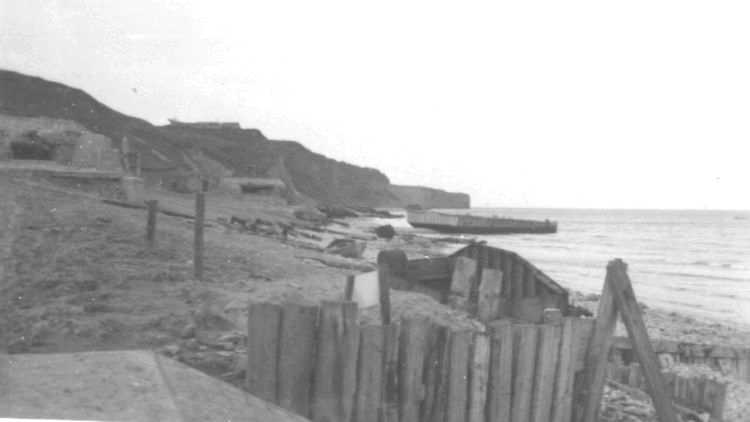
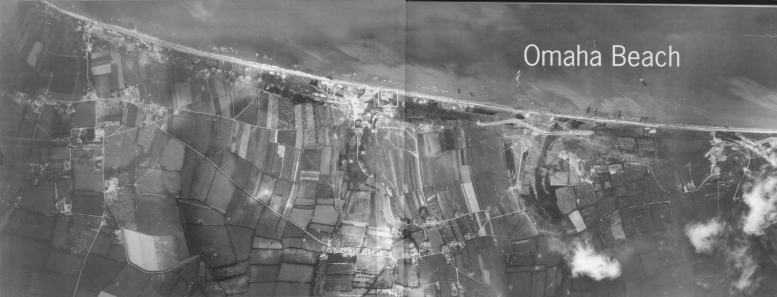


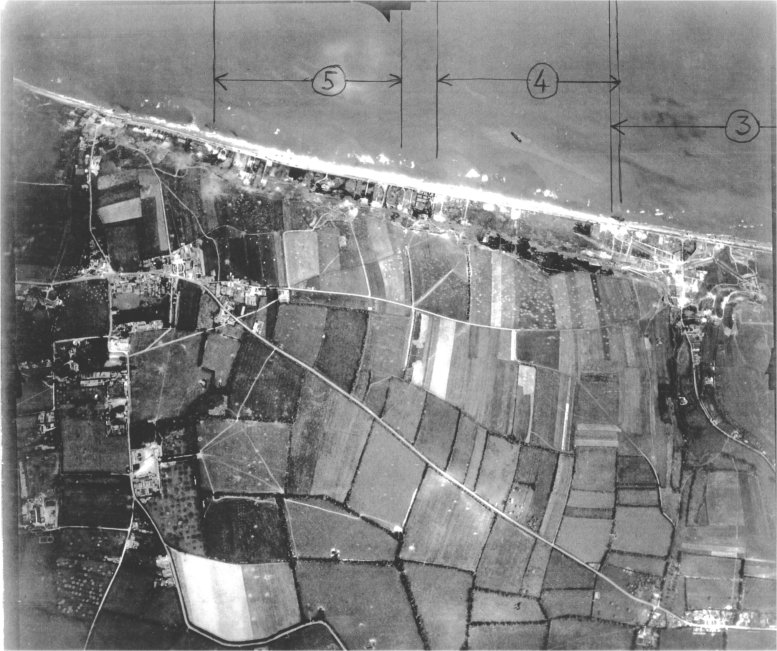

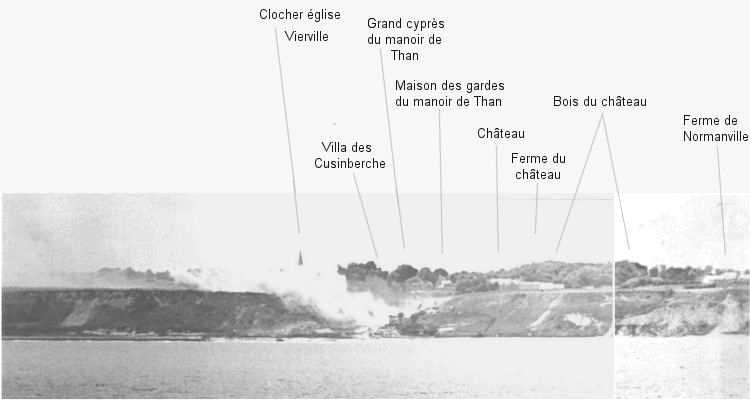
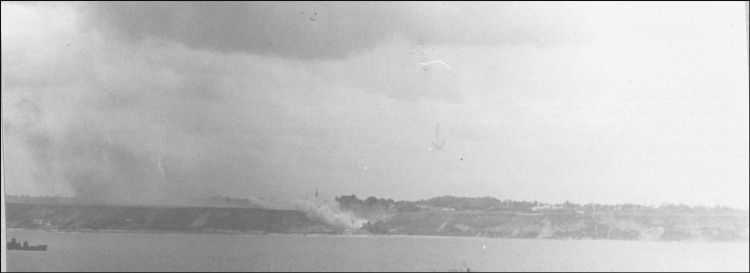
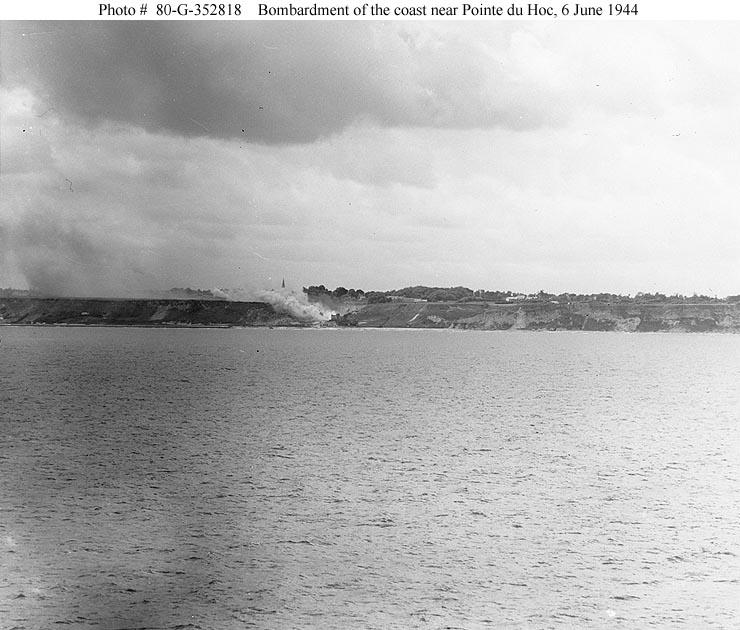
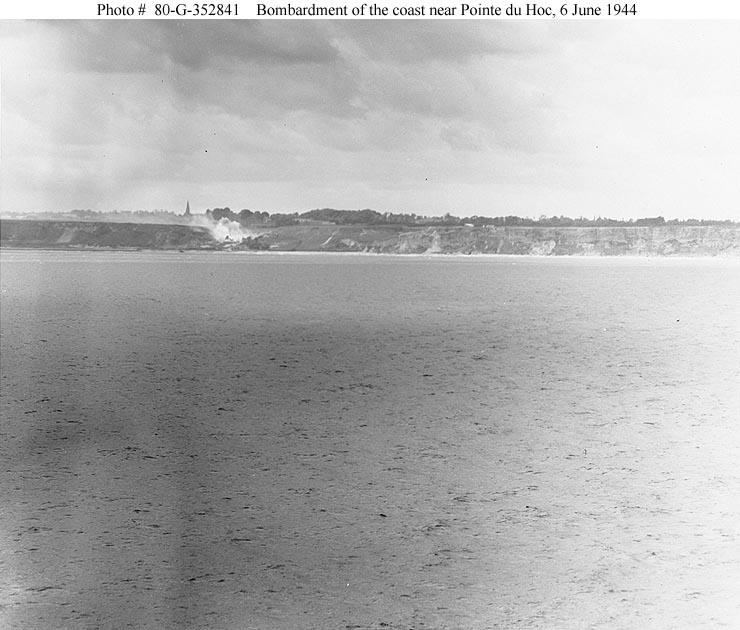


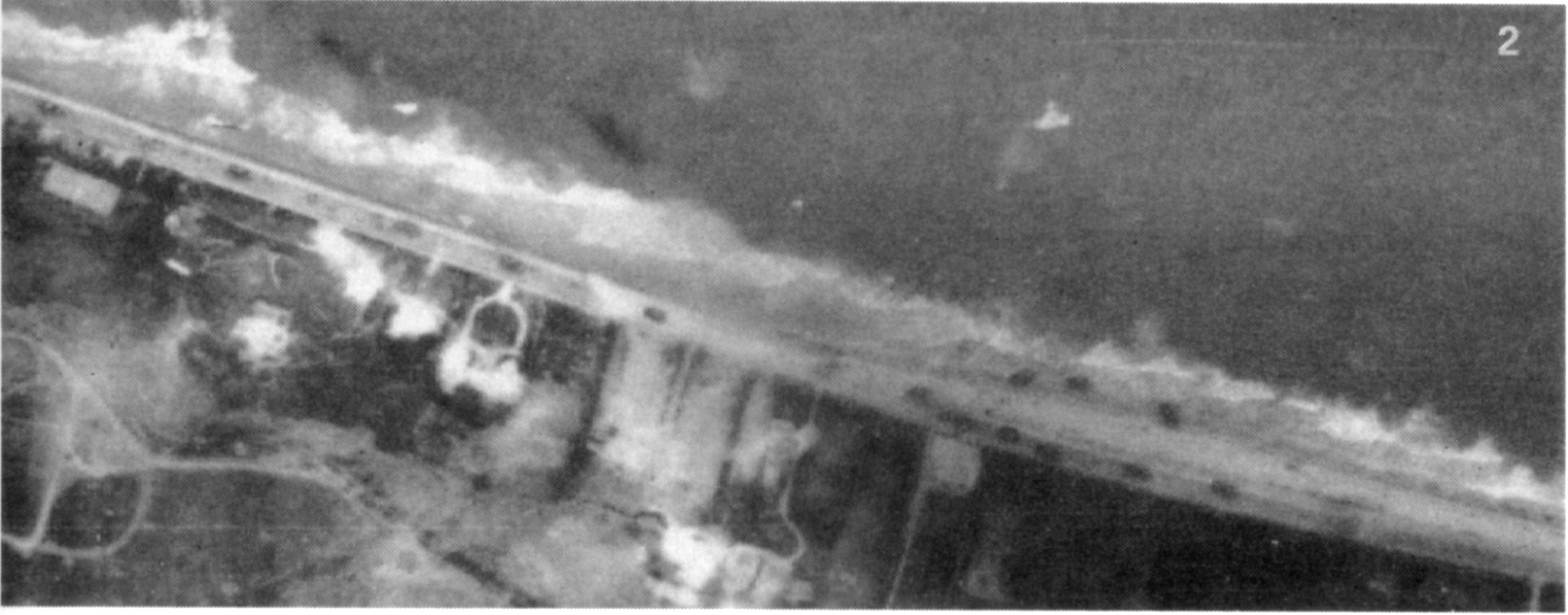
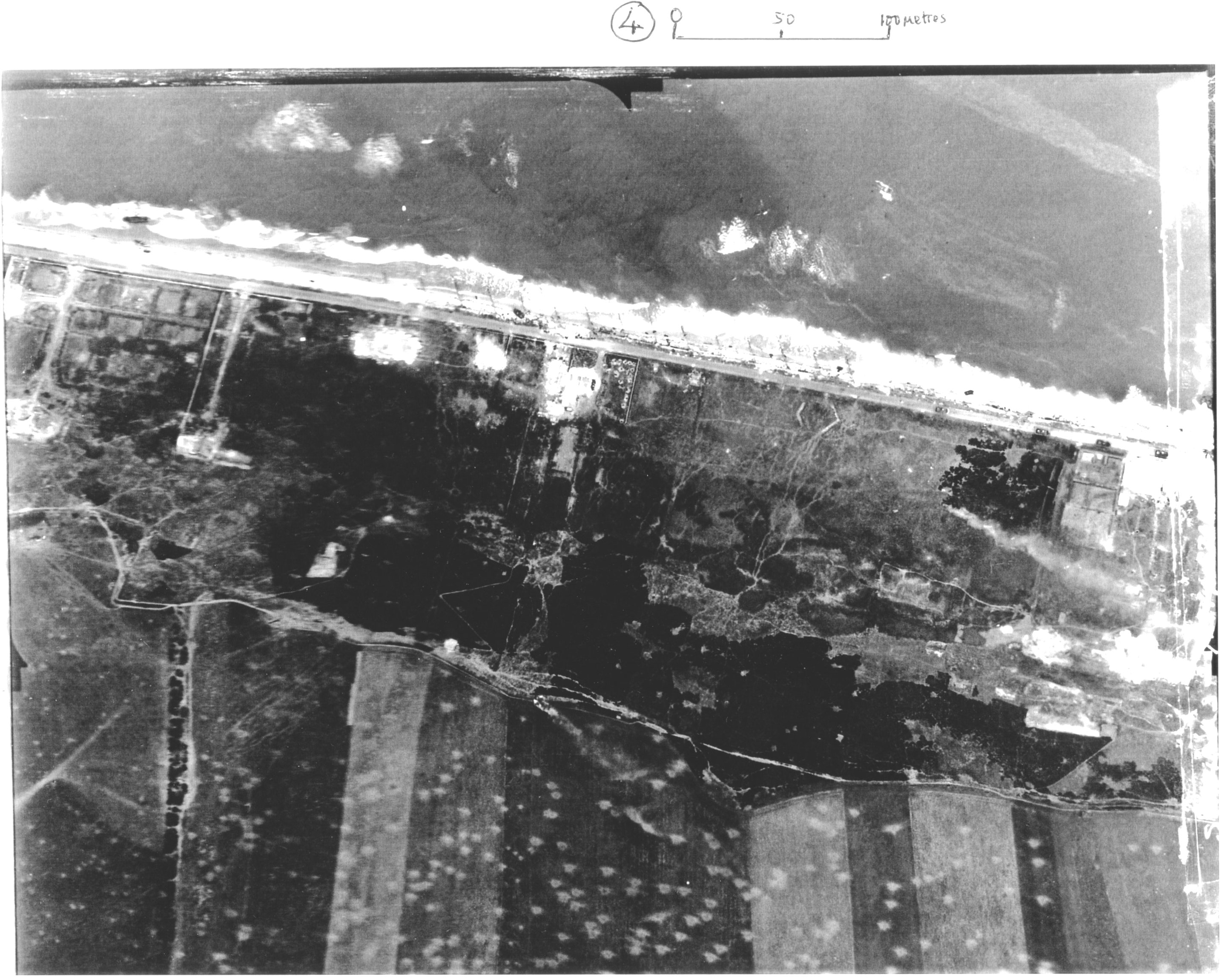



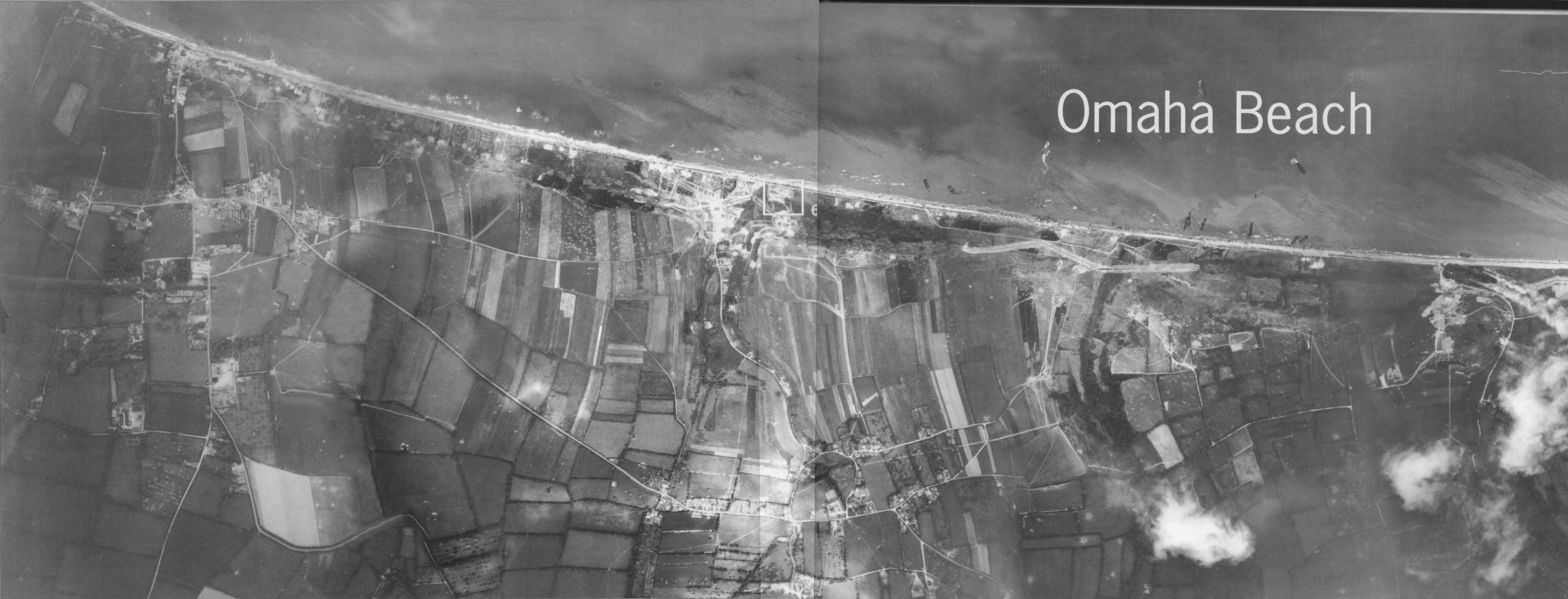
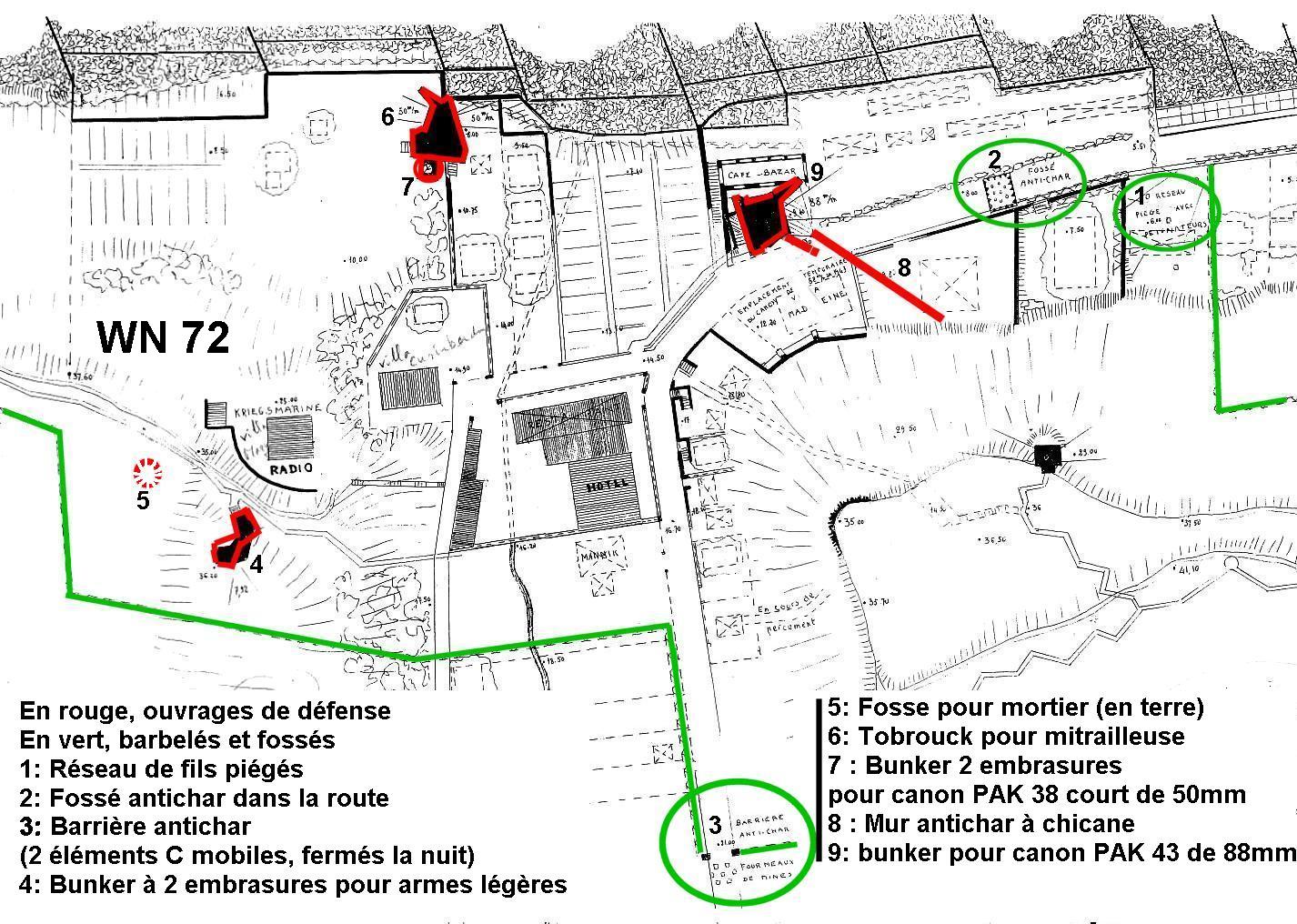
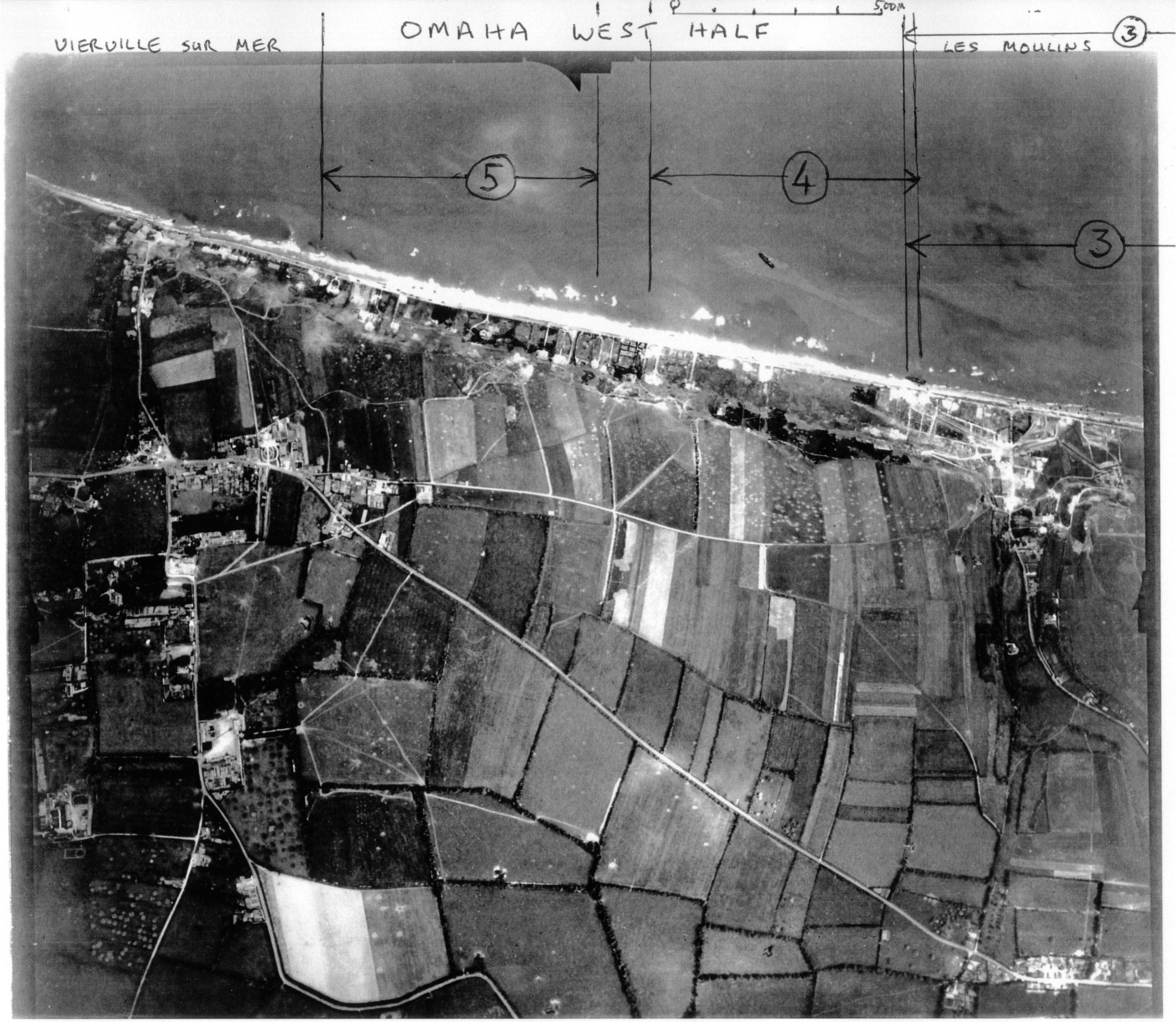
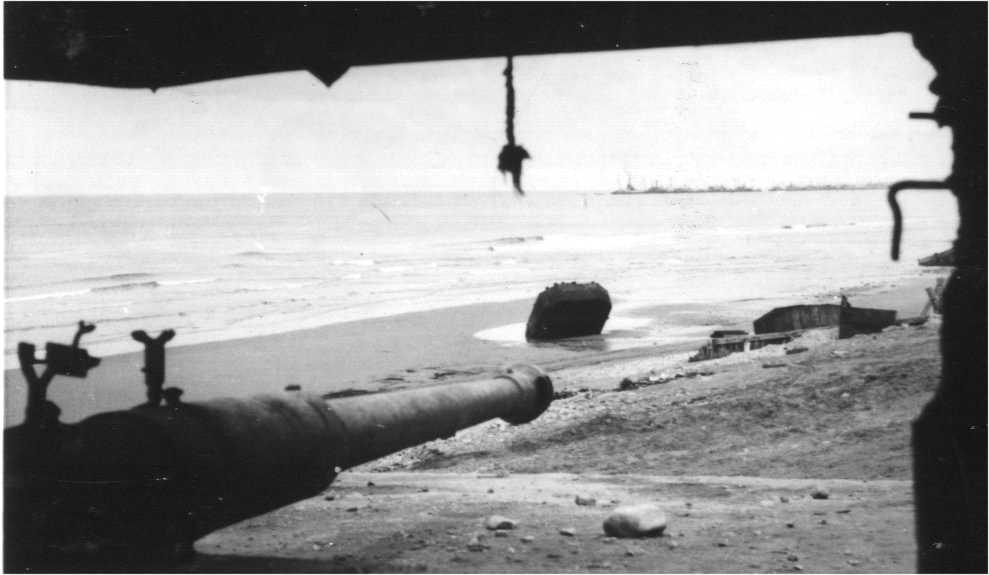
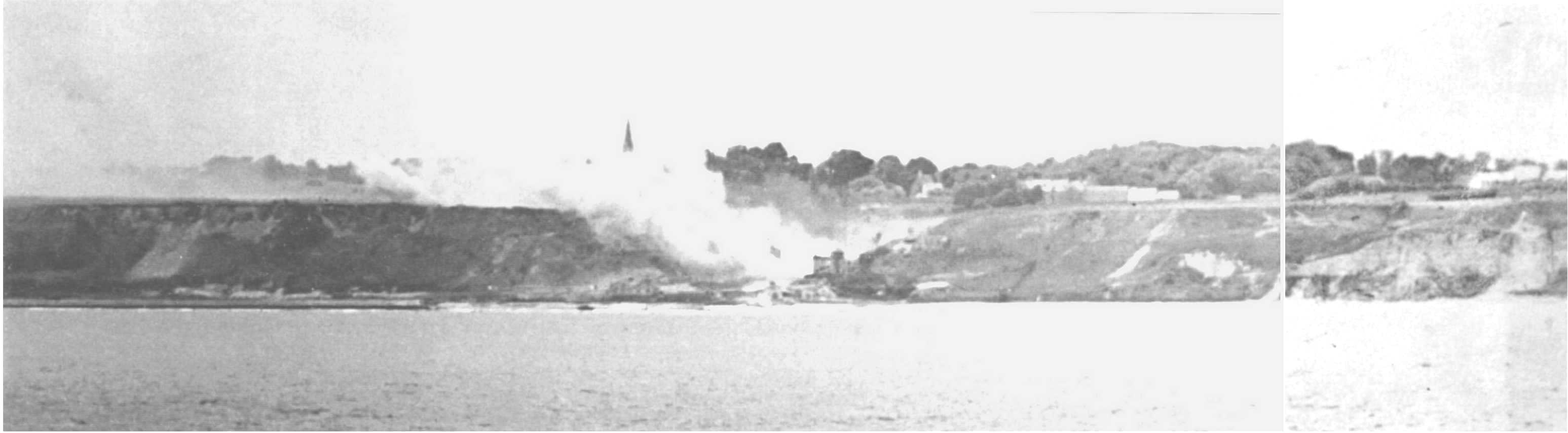
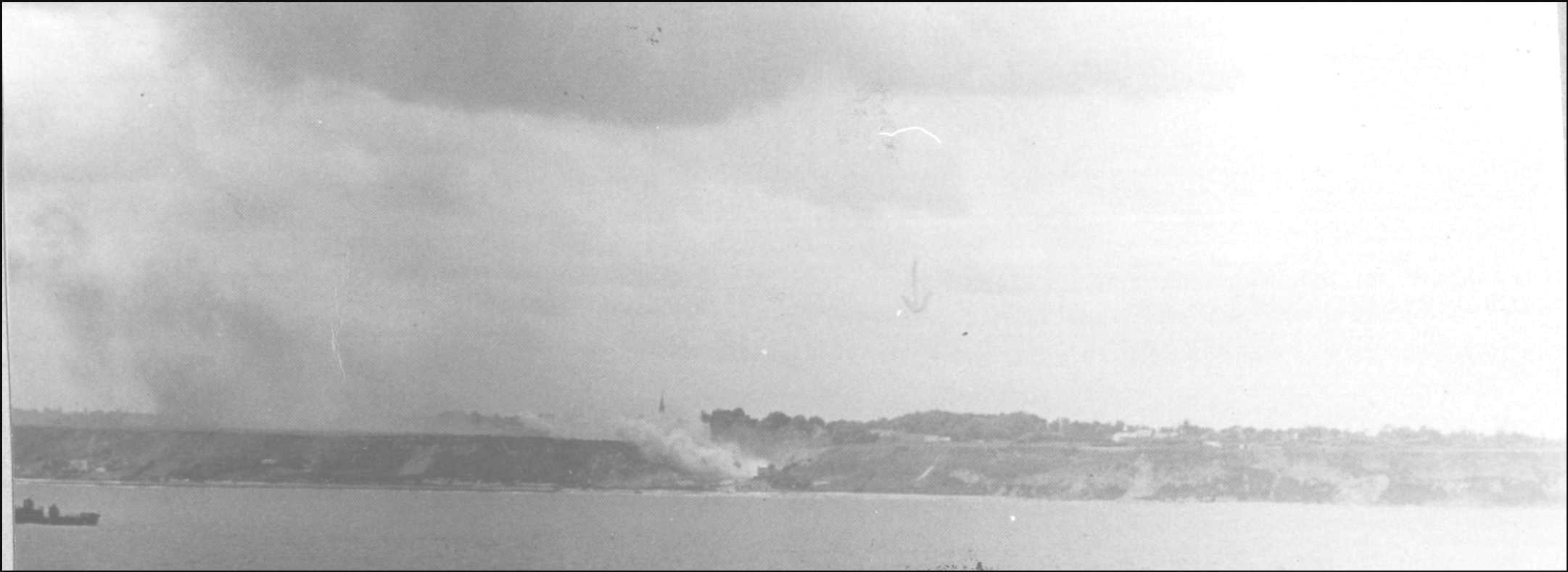

Vierville had been in the hands of 116th and Rangers groups since 09:00, and from the cliff came the Hamel-au-Prêtre, which completely isolated the Germans in their cliffs.
The WN70 (above the Hardelay villa) was neutralized from 8:30 a.m. by the Rangers of Cies A and B/2Ran, and a group of D/116.
The WN 73 (Gambian House) was neutralized in the middle of the morning by the Rangers of C/2Ran Cie.
The WN74 (at the Percée) saw its 2 75mm field guns destroyed in the morning by the shots of the cruiser "HMS Glasgow" and the USS Mac Cook destroyer.
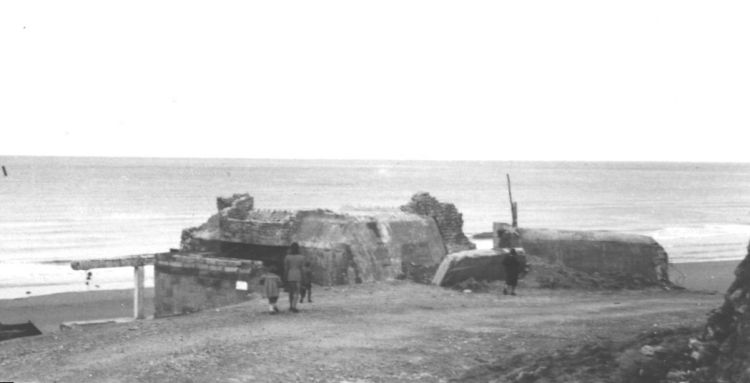
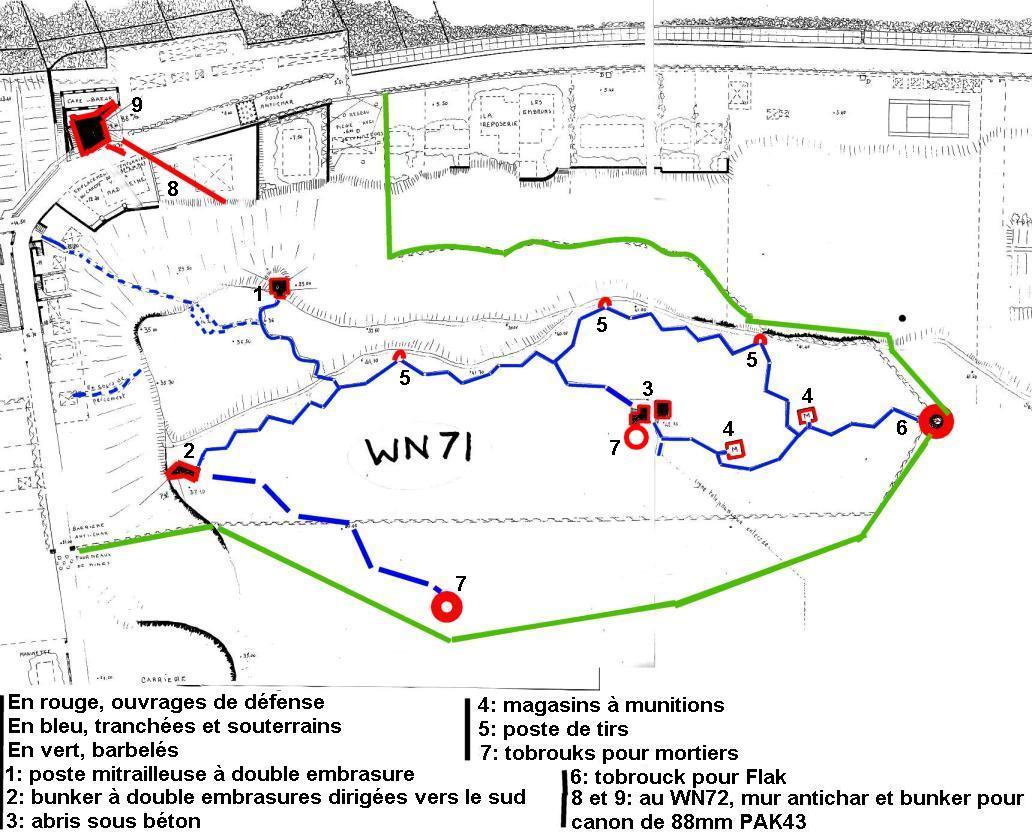
In the WN 71 and 72 defending the Vierville Valley, the 88mm and 50mm anti-tank guns of the Bunkesr of Vierville certainly caused significant damage to tanks, ships and various vehicles on the beach. But they either lacked ammunition or were silenced by the tank guns, very numerous on the beach of Vierville..
At about 1230, an intense naval fire, directed by shore-based observers on the beach and covered by the large 356mm pieces of the "Texas", fell on the WN 71 and 72. After the first four rounds of four shells each, the destroyer "McCook" passed a radio message to the shore, pointing out that the Germans were leaving the concrete sites to surrender and 27 prisoners were made by the engineers on the beach.
Shortly after the end of the naval fire, at about 1 p.m., General Cota accompanied by 5 men (his aide de camp the LT. Shea, a radio and three bodyguards) walked down the road from Vierville. He passed through the fortifications, crossed the anti-tank wall by his chicane, and arrived on the beach, attracting only a few small arms shots, having taken 5 prisoners in individual holes on the sides of the valley.
General Cota was able to see for the first time what had happened to the first landings under Vierville a few hours earlier. The only infantry unit in the vicinity consisted of the exhausted survivors of Company A/116. The sea was still high. The tanks were further east. Only a few engineering troops were available, but still without any equipment or explosives.
The general continued on foot by the seafront road to Saint-Laurent, stimulating the men of the engineers and especially those who could gather explosives and bulldozers down Vierville to clear the road.
There was no longer on the beach as German activities only shooting of indiscriminate harassment of field artillery and inevitable snipers, a wound impossible to eradicate completely due to lack of sufficient infantry strength.
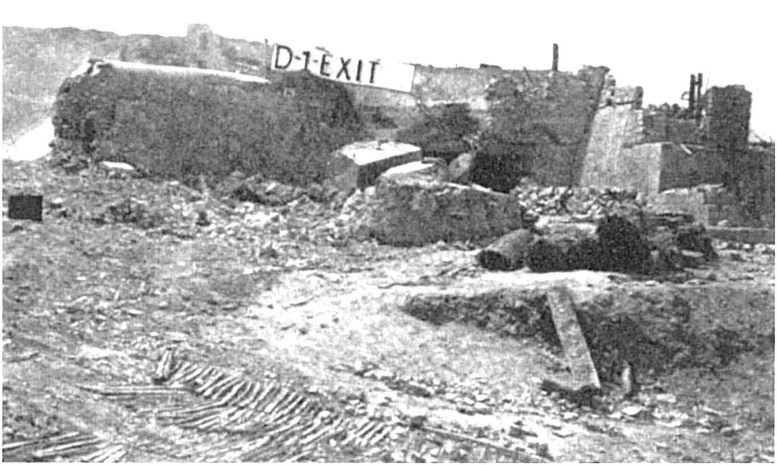
Testimony of Lt Shea: "Cota (who was now back on Dog White) turned to Colonel Lucius Chase, of the 6th Special Engineering Brigade (which included the 147th Engr Good.) -- Can you blow up the anti-tank wall from this exit (D1, Vierville)? "We will be able to do so as soon as the infantry clears the casemates all around -- Cota's answer: "We're coming, they don't count anymore, you just have to go --
Chase replied that he had no explosives on site. Cota showed him a bulldozer next door with 20 boxes of TNT attached to his roof (over the driver's seat) -- Use those, and he continued on foot to the east.... He then passed by a second bulldozer, also in charge of TNT, Cota approached a group of soldiers sheltered behind the wall of the seafront: "Who is driving this machine?" "No one answered, it seems that no one knew, they looked at each other." "Can anyone drive this damn thing?" "No answer -- They need explosives there, I come up there, only a few rifles on that cliff, we're cleaning them up. Does anyone have the courage to drive this bull?? A red soldier from the group said he was going there. Cota gave him a tap in the back and sent him: "That is what it takes! -- Later the general regretted that he had not noted the name of this unidentified soldier. It was about 1:30."
The 2 Engineer Battalions, the 121st Engineer Battalion and le 147th Beach Engineers Battalion , then opened the road from the climb to Vierville to the vehicles. They had to bring in at least 2 bulldozers loaded with explosives and a tankdozer (which was apparently on site) that moved from Dog White and Dog Red beaches.
The anti-tank wall was destroyed at around 15:00 and after the bulldozers' work and it seems like a tankdozer, the road was declared open at 18:00. The tanks, 23 of them, were mounted at around 9 p.m. At the end of the day, some 30 tanks in total out of the 51 of the 743th TkBn went up bivouaquer at Vierville.