241

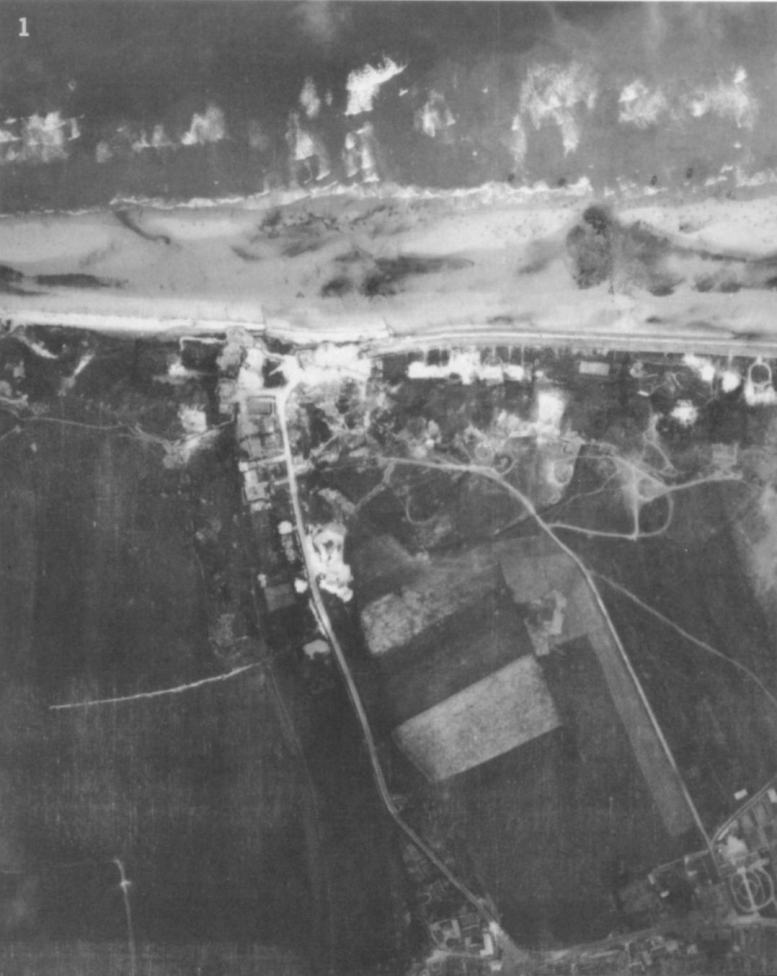


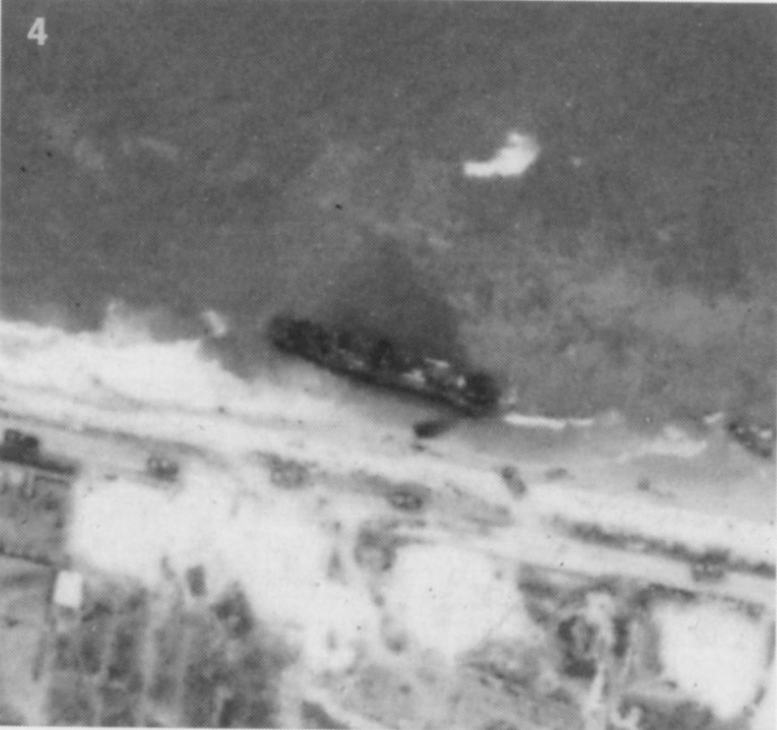
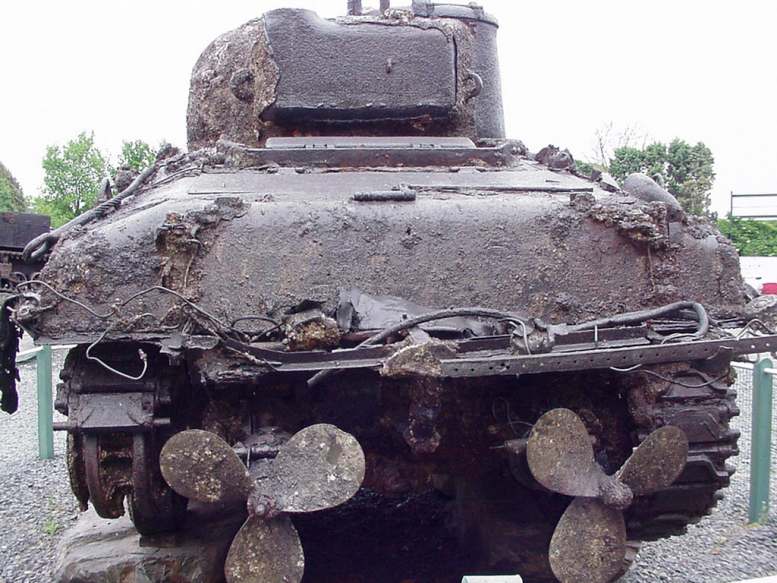
Sherman tanks on Vierville beach
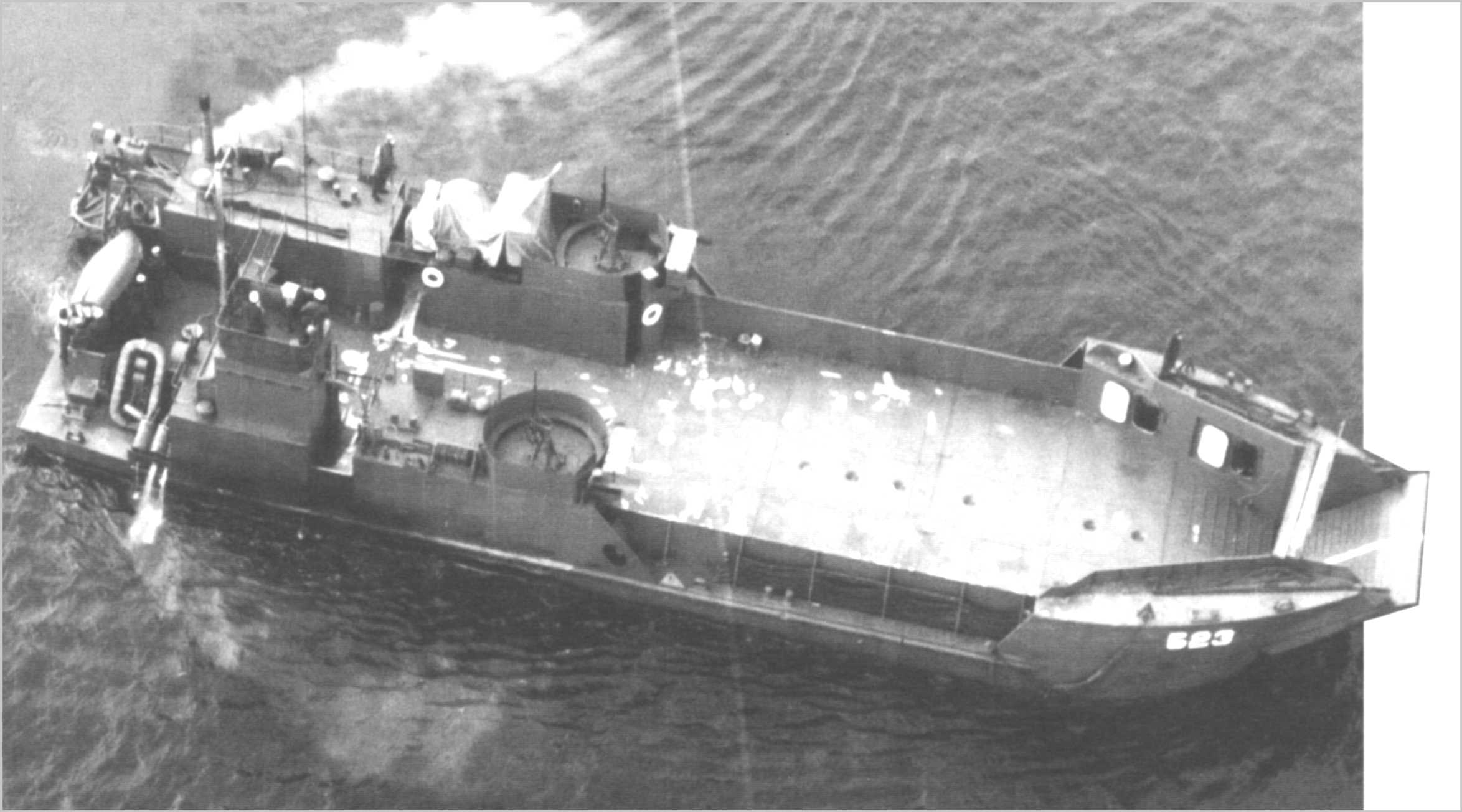
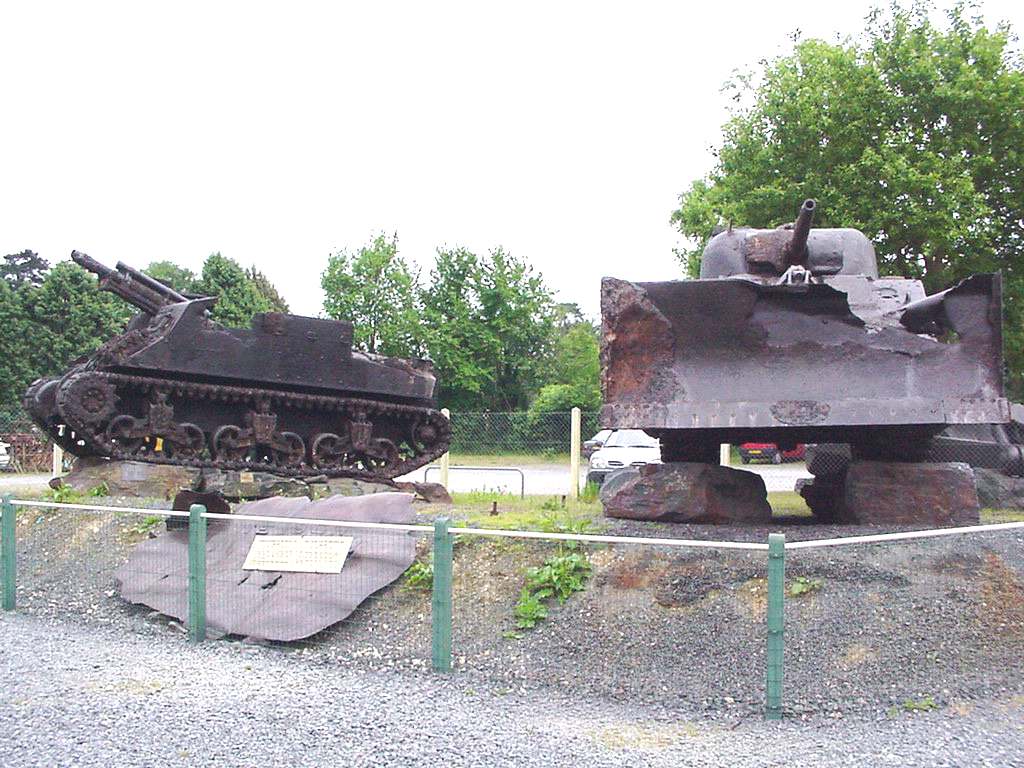
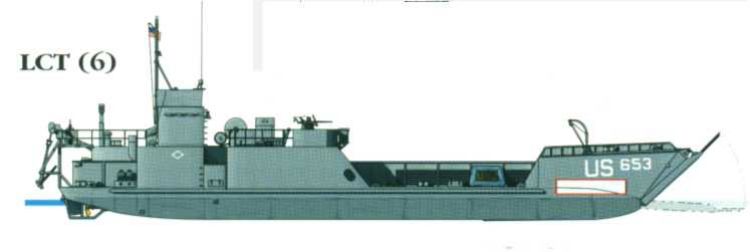
1/ The LCT(A) carrying 8 standard tanks of the A/743 and 4 tanks-bulldozers (of the 610th Light Equipment Cy)
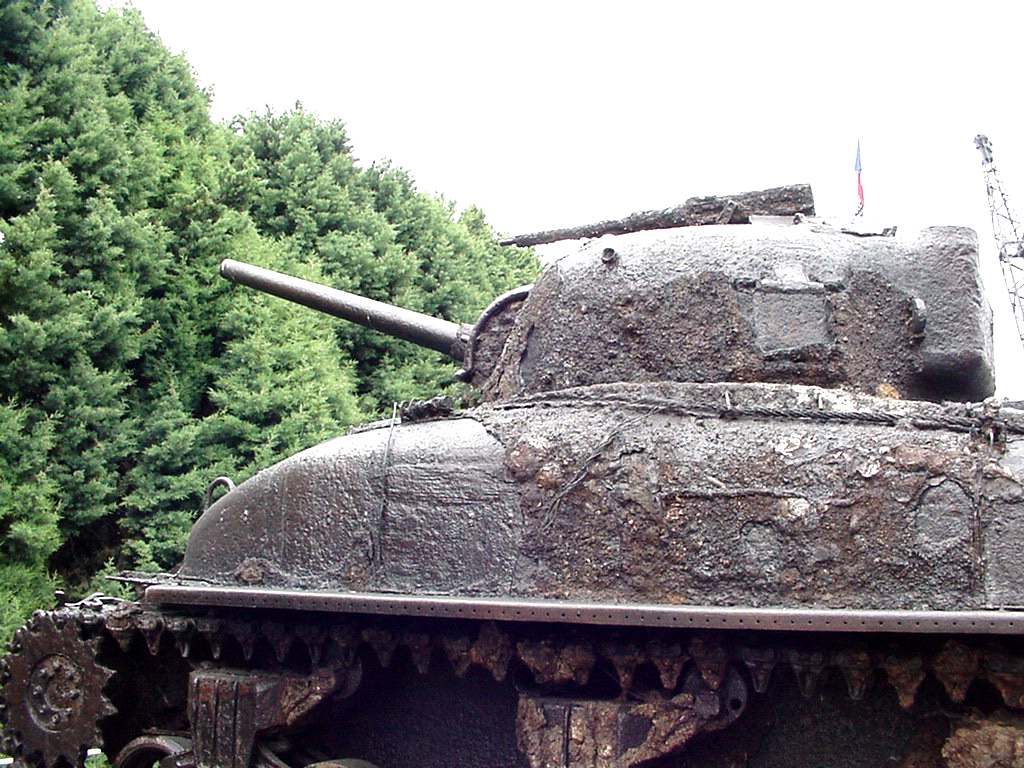
The LCT(A) (A as armoured, armoured cad) were armored at the front and cockpit and a large wooden ramp was located on the deck to raise the Shermans, allowing them to fire as the vessel approached the shore.
These LCAs were heavy, crossing the Channel, they had towed a SETF LCM, and they were usually delayed, often by several hours.
Only LCT 2227, under a hell of a fire, seems to have approached Vierville at about 7:30 a.m., (with the Gapteam No. 1 tankdozer, and 2 standard Shermans) on Dog Green. Its bow ramp, chains and their mechanisms were severely damaged by mortar fire, which also reached the hull under the flotation. The entire ship was marked by machine gun impacts. He ended up losing his bow ramp during the day.
The remaining LCT(A) were further delayed and came much later on St-Laurent, including the LCT 2050 (Gapteam 3). The LCT 2273 (Gapteam 2) severely damaged by artillery, marked by machine gun fire ended up breaking in half and sinking into the sea with its 3 tanks after being fired off Saint-Laurent beach by LCT 2275 after 1700 hours.
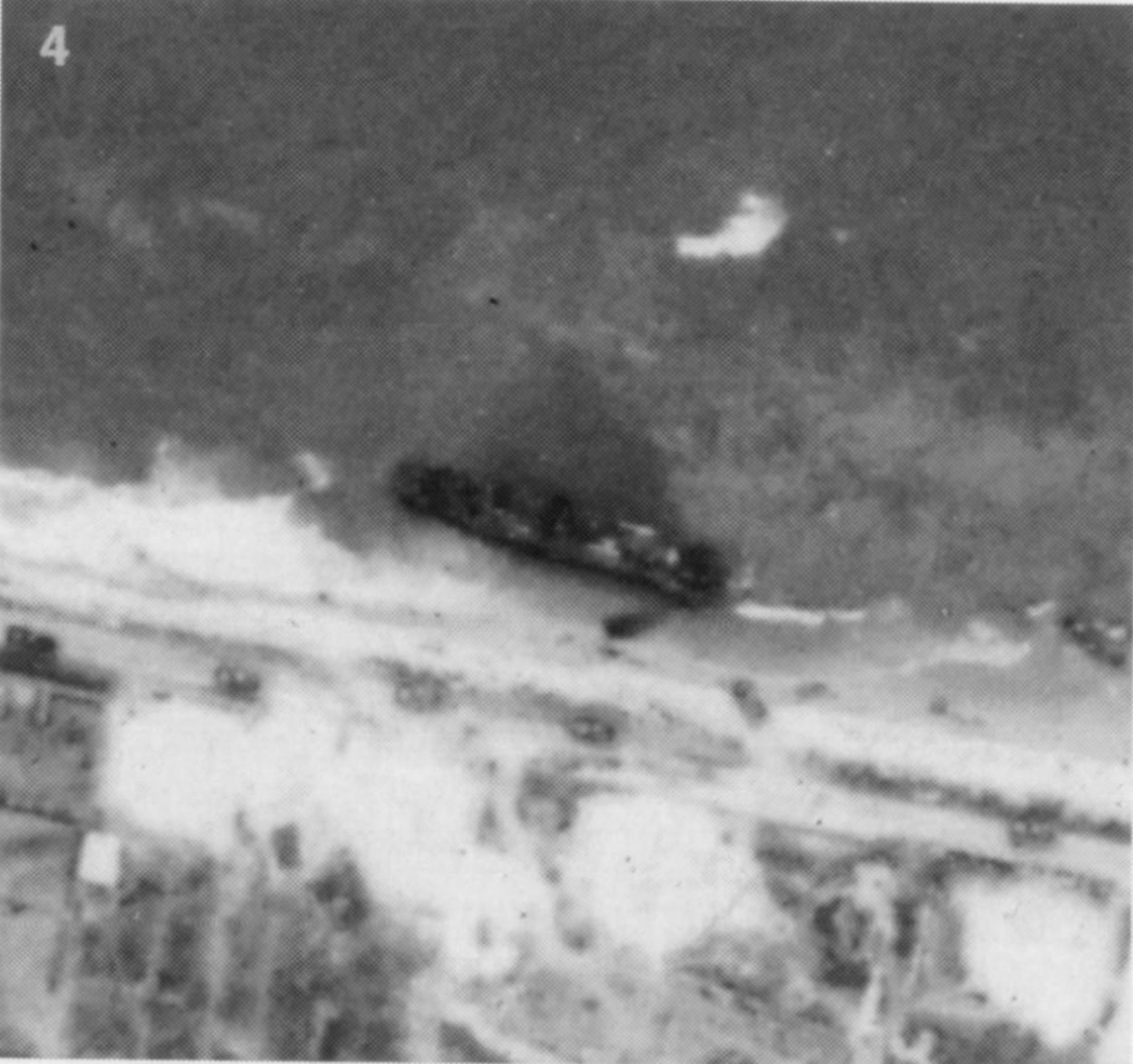
The LCT 2275 (Gapteam 4) watered as early as 5 June during the crossing of the Channel. At 11:00 a.m., he lost his starboard engine, with a large heel on starboard and 50cm of water on the starboard deck. At 2:00 p.m., he had to transfer the Gapteam 4 men to their LCM that was on a trailer and drop that trailer to allow the LCM to drive alone to Dog White Beach. At 1800, the starboard engine was returned to service, but the convoy was no longer visible. All night the LCT went to 140. At 0600, he was advised by a British mine dredger that he was in the wrong direction and 18 miles from Dog White where he arrived only at 12:00 on June 6, but was unable to approach. He managed to unload his 2 tanks and the tankdozer at the low sea at about 5:00 p.m. in St-Laurent, under fire, and withdrew by towing the LCT 2273 disbanded.
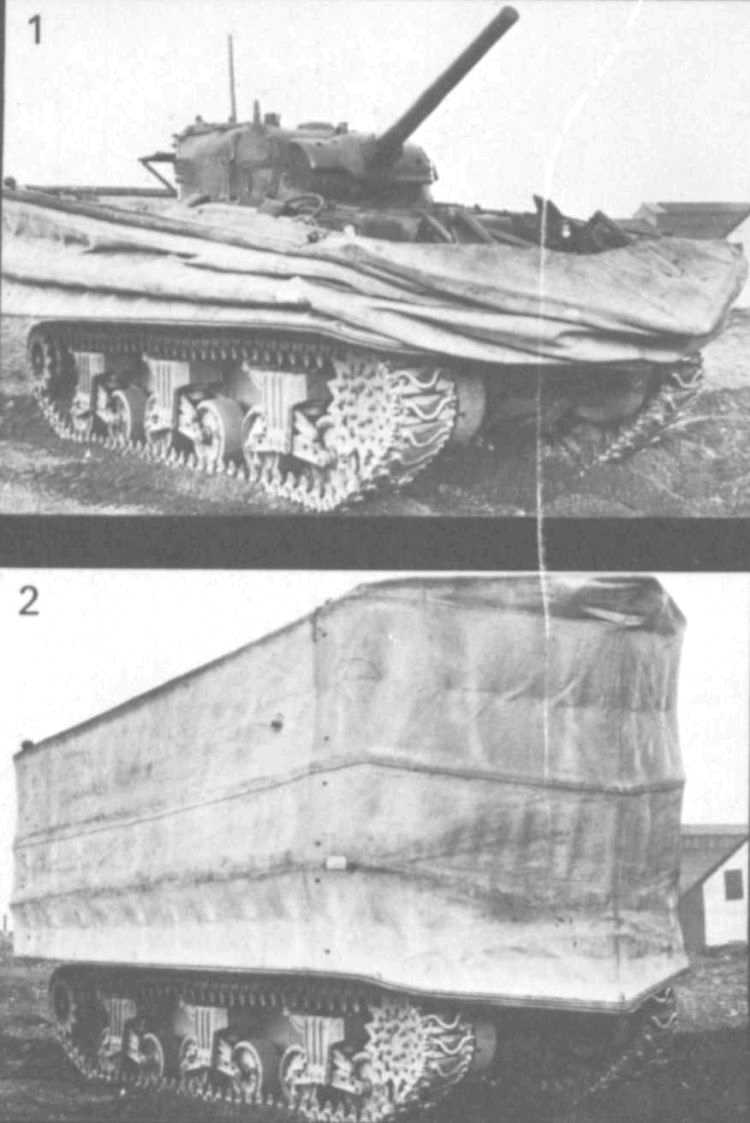
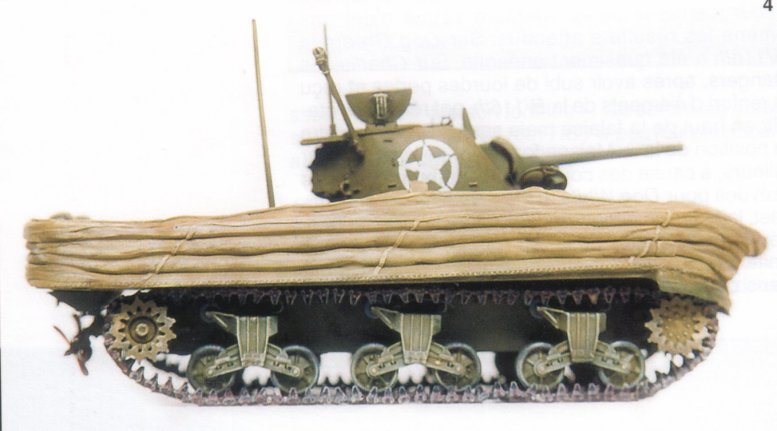
2/ LCT carrying the 32 Sherman DD (Duplex Drive) Amphibies of Cies B/743 and C/743
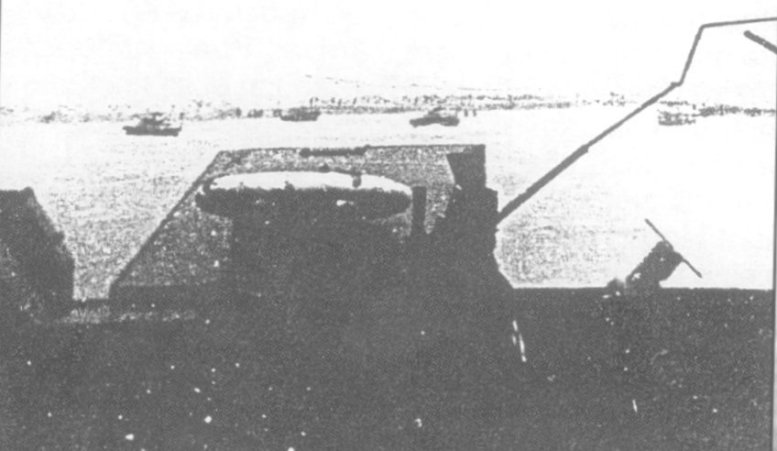
Instead of being launched at sea 5400m from shore as planned, they were transported to land with the 8 LCT of the Lieutenant Dean Rockwell's fleet, accompanied by patroller PC 568. See also excerpts from Rockwell report of 14/7/44.
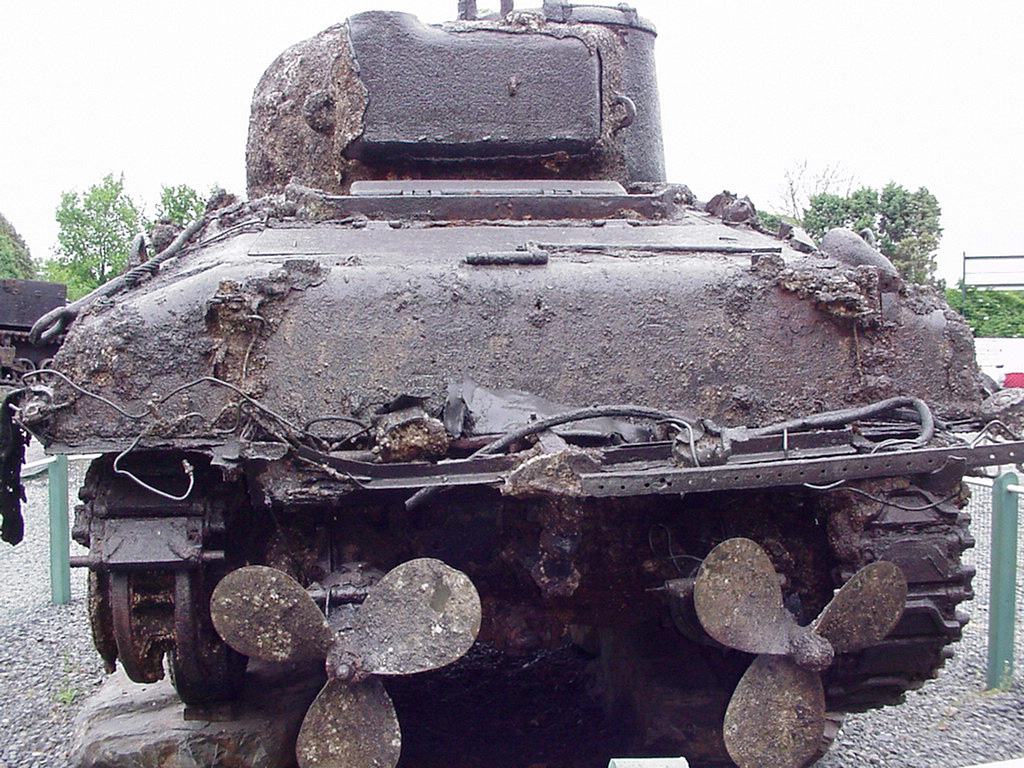
The first Americans to arrive on Dog Green and Dog White beaches were the Sherman DD tanks at H-1 minute. Rockwell's LCT 535 heeled on a sandbank about 15 metres from the shore, lowering its ramp and the 4 tanks successively left the LCT. They plunged into deep water, protected by their isolated engines from water and then continued to shore.
As the tanks came down on the ramps, a German gun took the beach in line and caught them under his fire. While Rockwell was withdrawing his barge, he noticed two tanks hit. One of them was burning. The next two, and others of the 743rd Battalion, remained in the water while firing with their machine guns and 75mm guns.
Not all tanks have been so far away. The F.S. Ship Ensign. White, commanding LCT 713, told Rockwell later: "The ramp was lowered, and the first tank launched. The water was very deep and as the tank was leaving the ramp, it went straight to the bottom and stopped moving. The tank captain ordered the abandonment and the whole crew was brought back on board the LCT using a long jetty of the ship." Ensign White made a rear engine, moved 100m laterally, and approached for a second time. The last three tanks were able to get out of the water, and the LCT took a direct shot. The LCT 713 left with three sailors killed on board. He must have been towed to England.
The LCT 590 was also hit with men killed. The LCT 535, 586, 587, 588, 589 and 591 withdrew normally and were able to return to the anchorage zone to be reloaded to perform their second mission at H+215 (10:05) on Dog Beaches.
Often the tactics of the tanks were to stay in the water, and to advance with the rising tide. They got less noticed, pulling with the turret out of the water, but risking being overwhelmed by a big wave.
Colonel John Upham, commander of the 743rd Tank Battalion, arrived on the heels of the first wave. He first stayed a few hundred meters from the shore, directing his tanks by radio. When his LCT approached at about 8 a.m., he jumped overboard and swam to the beach to join his tanks. Always on foot, he directed their shots. A gunshot crossed his right shoulder, but he refused medical attention. He met Private Charles Leveque and Corporal William Beckett who had abandoned their tank with a broken caterpillar. Upham, his inert right arm and then sent them on the pebbly slope. Beckett commented: "Can't get the colonel out of his impossibility. Even then."

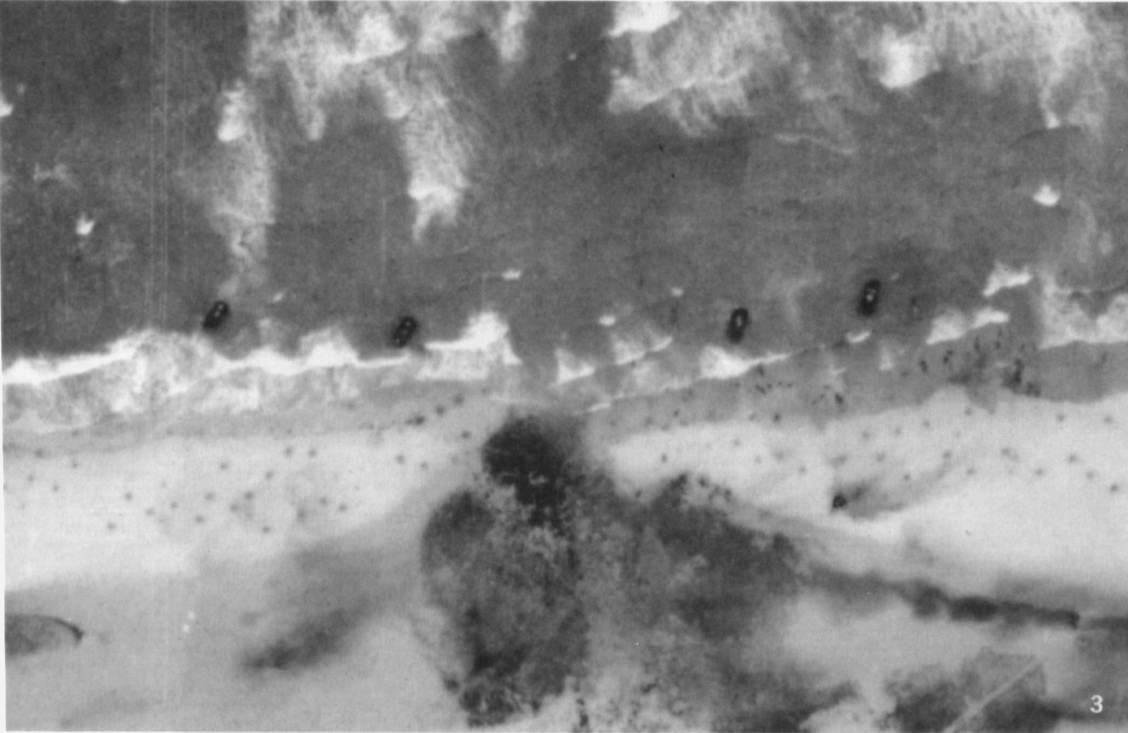
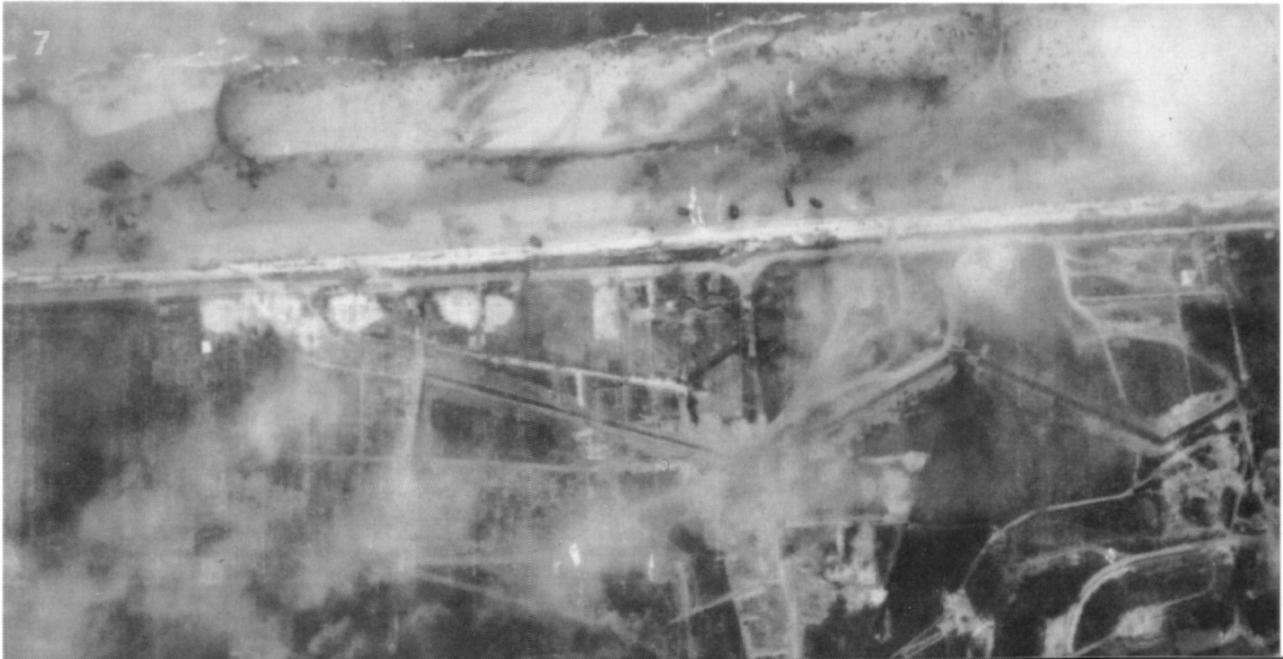
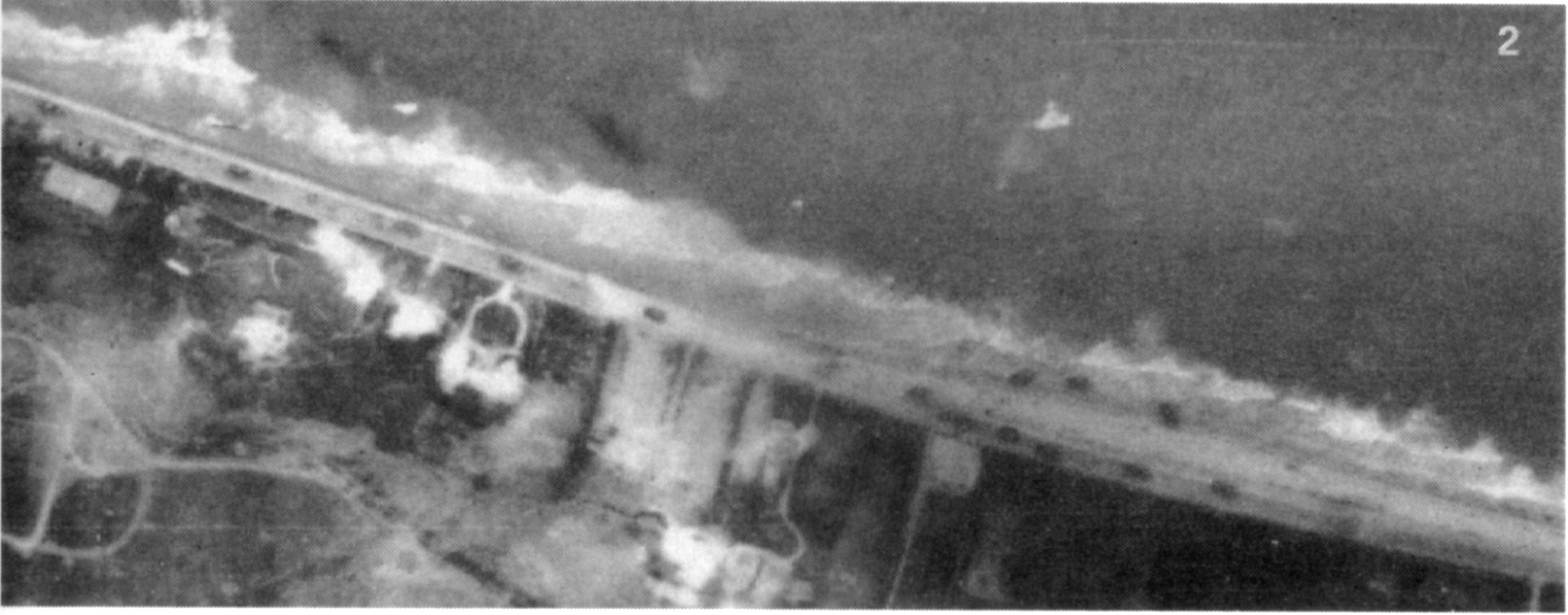
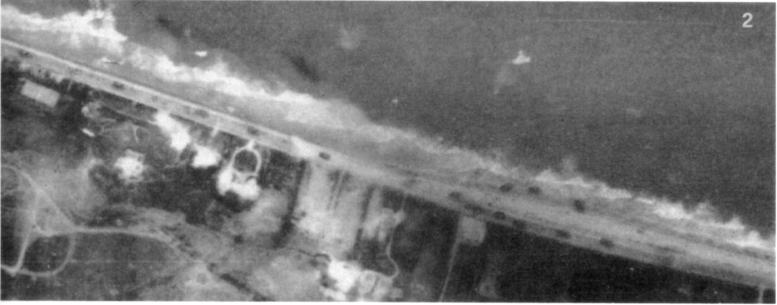
(details) Charlie Dog Green Beach, around 7:30 a.m.
On these 2 photos we distinguish quite poorly about 25 tanks DD and some Standard or tankdozer, around 7:30 am on the beach, at the time of the arrival of the Cie C/116, the 2nd and 5th Ranger and the LCI 91 in front of Dog White; 35 landed on this area, which suggests that the missing ones are destroyed and drowned in the lower part of the beach

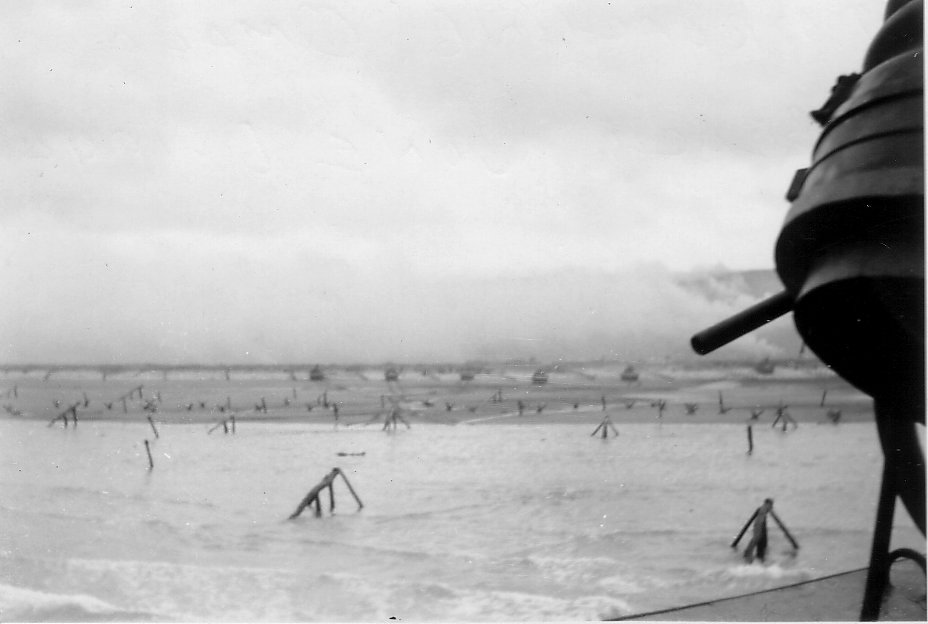
Below 3 photos taken from LCI 91, around 1750-8:00, showing DD tanks on the beach and the Dog White pebble bench, with wooden spikes from this area of Dog White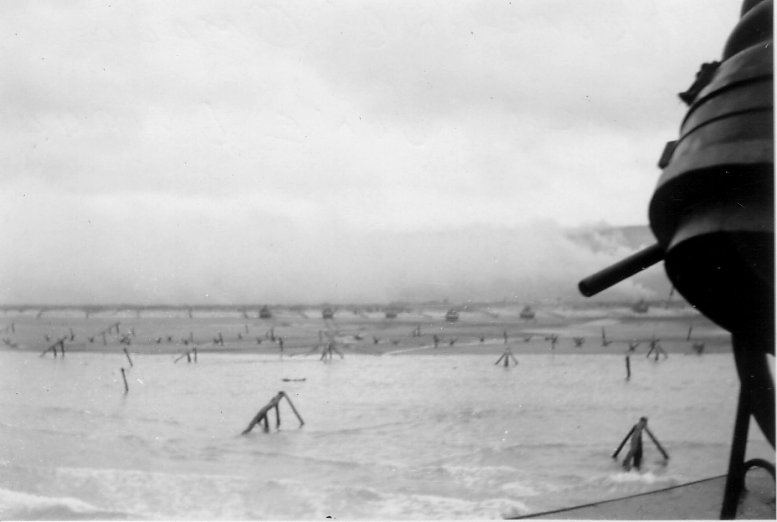
Details View of LCI 91, to the left, several DD tanks are placed between the ears
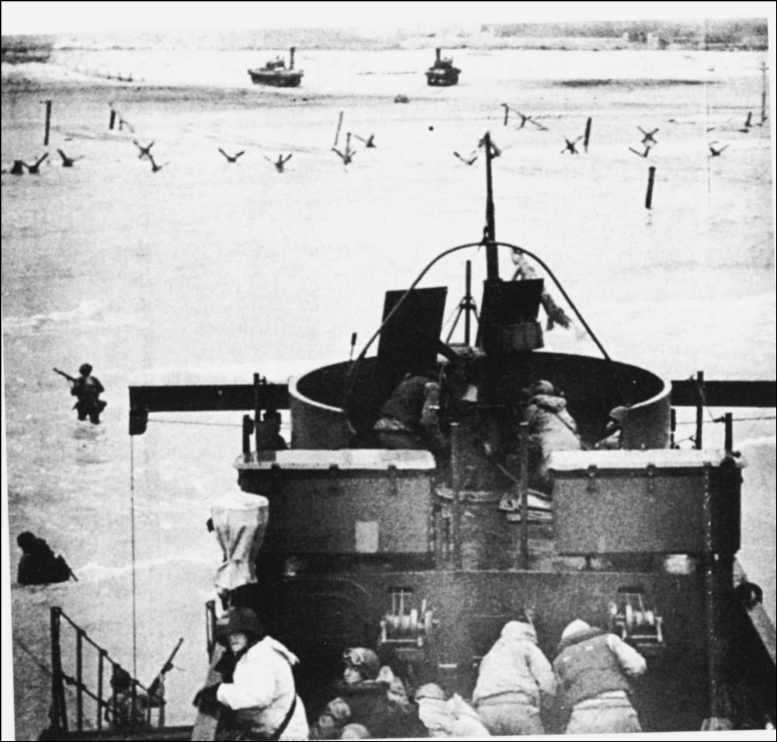
(details) LCI 91, front view, 2 DD tanks
Details View of LCI 91, to the right




Fighting both the enemy and the rising tide, the tanks had much to do, trapped on the sand, between the water and the slope, unable to pass the pebble barrier to reach the road and forming easy targets for enemy guns. The control of each tank was impossible, with tanks scattered throughout the beach and embarrassed in their maneuvers.
However, the tanks continued to fire. One of them, in a breakdown, fired until the tide rose and drowned his parts. Others fired while the crew repaired the caterpillars.
Sergeant Sheppard of the 743rd Tank Batallon:
"My pointer, Corporal Legler, began shooting immediately at the goals I designated for him. There were pillbox encumbrances and cannon locations. I found a tunnel on my left. Legler threw two 75mm perforating shells at him. A big explosion..."
At the end of the day, 23 surviving tanks (some damaged) from the 743rd left the beach by Vierville. Cie B/743 had lost 7 of 16 tanks, Cie C/743 had lost 8 of 16 tanks. The A/743 Cie, equipped with 16 standard Sherman landed on the Dog Green - Easy Green set had lost 4 tanks.
Their work cannot be easily summarized; the best testimony in their favour is the brief mention in the archives of many scattered units indicating positions neutralized by tanks. "The tanks saved the day. They fired a fire from hell at the Germans, just as they received a fire from them from hell."
It is true that they were numerous, several dozen between Vierville and St-Laurent, and that their shielding protected them from all German cannons, with the exception of the 88mm blockhouse in Vierville. They provided a considerable amount of fire to the Americans.
The 2 75mm field of the Percée or the PAK38 and 40 of 50 mm and 75mm of the WN 72 and 73 were too far away or too weak to do anything other than immobilize some by touching the caterpillars.
The field artillery fired from inland was unclear and should be directed as a priority against the large LCI or LCT.
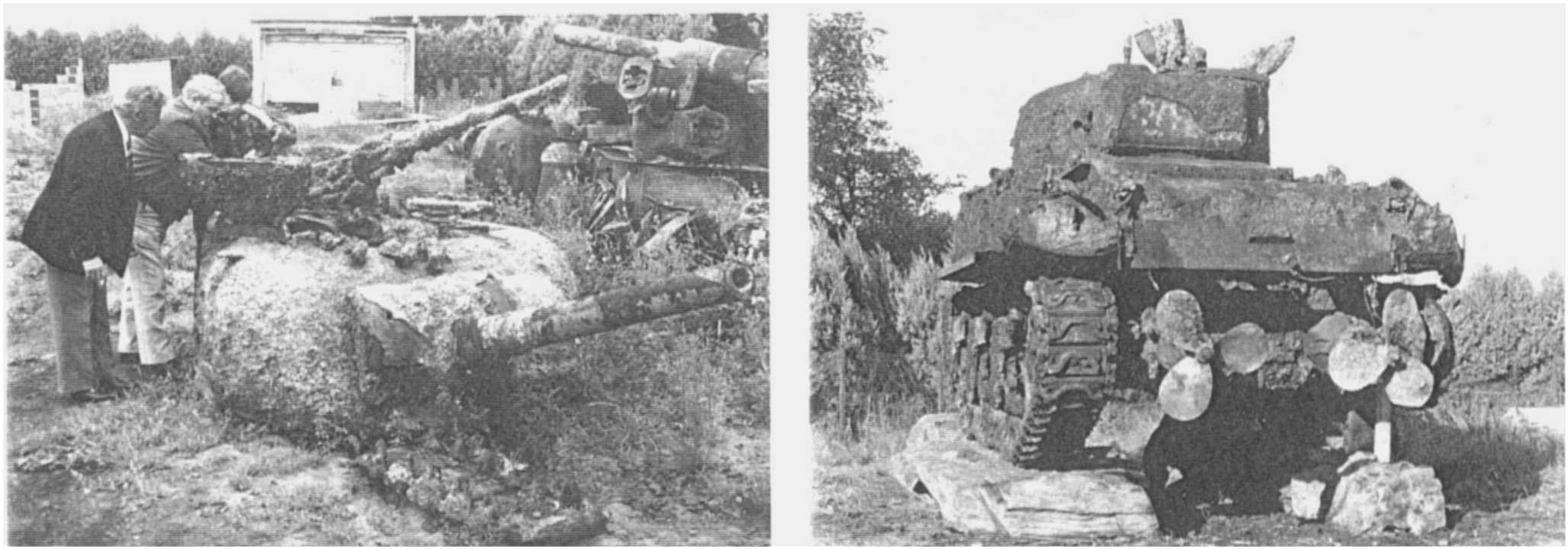
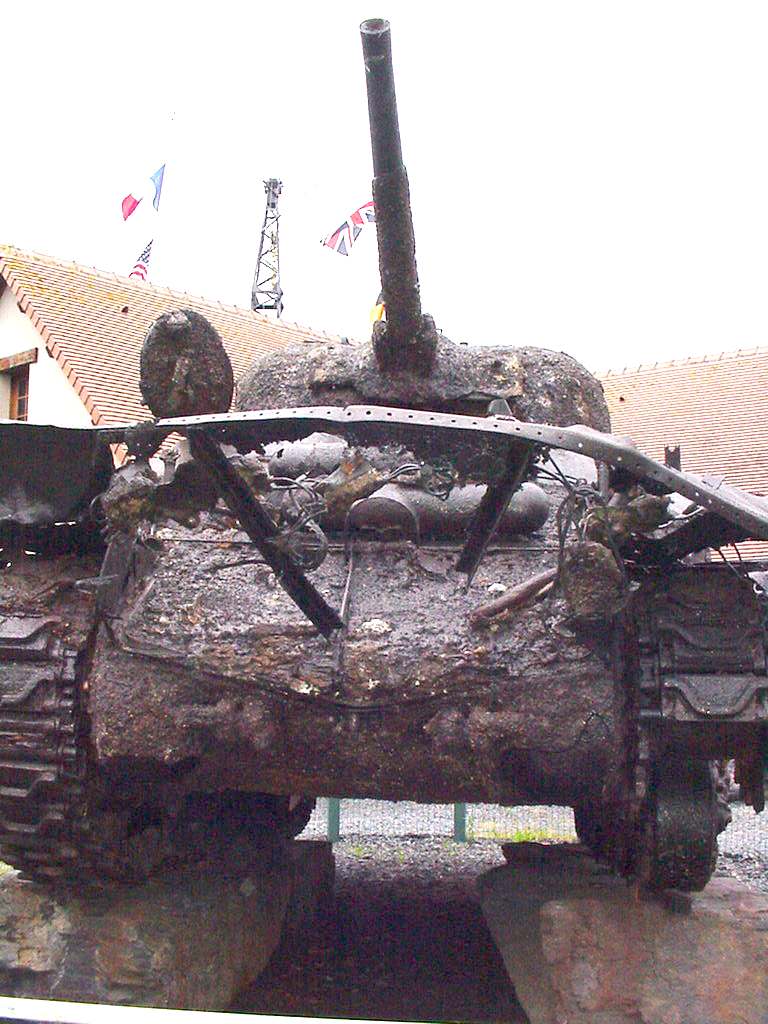
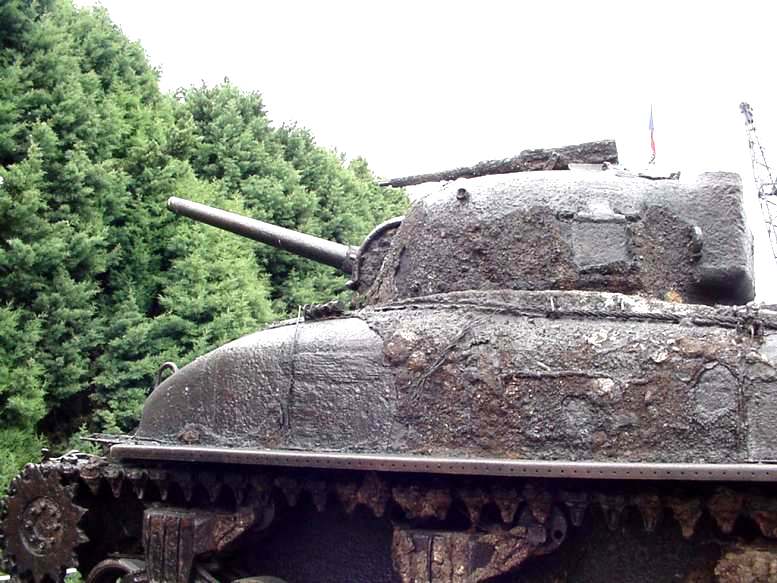
The 88 mm PAK43 of the WN72 was able to destroy several tanks, but it had to be quickly spotted and the tanks eventually succeeded in bursting, the traces of which are still visible today.