Reference 201

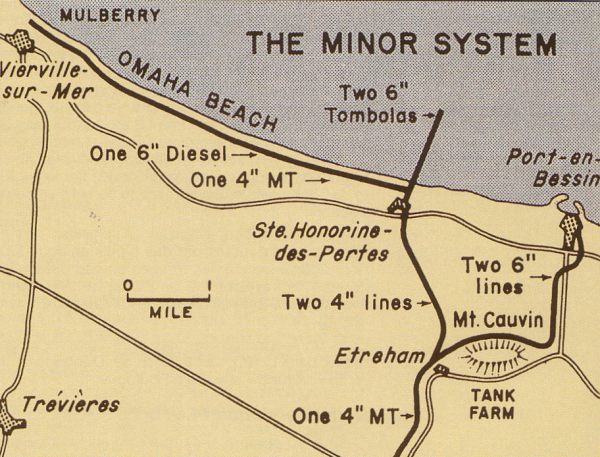
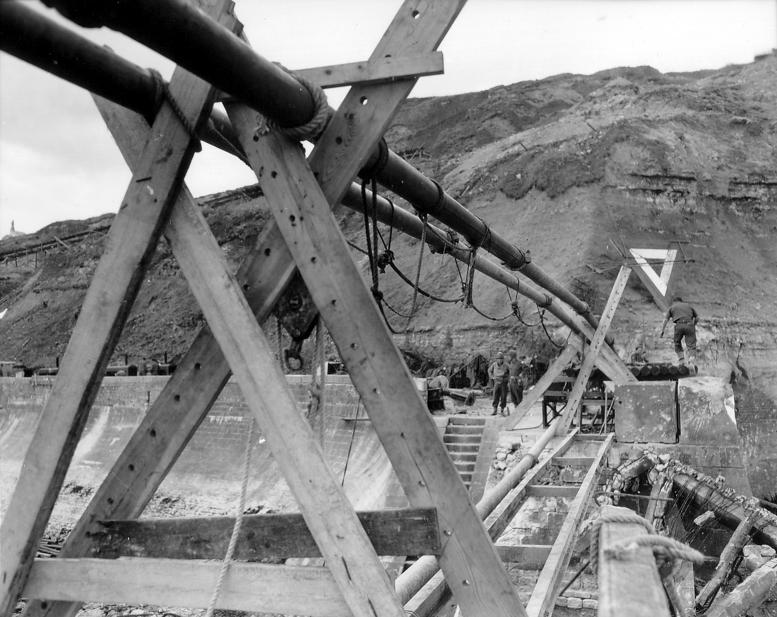
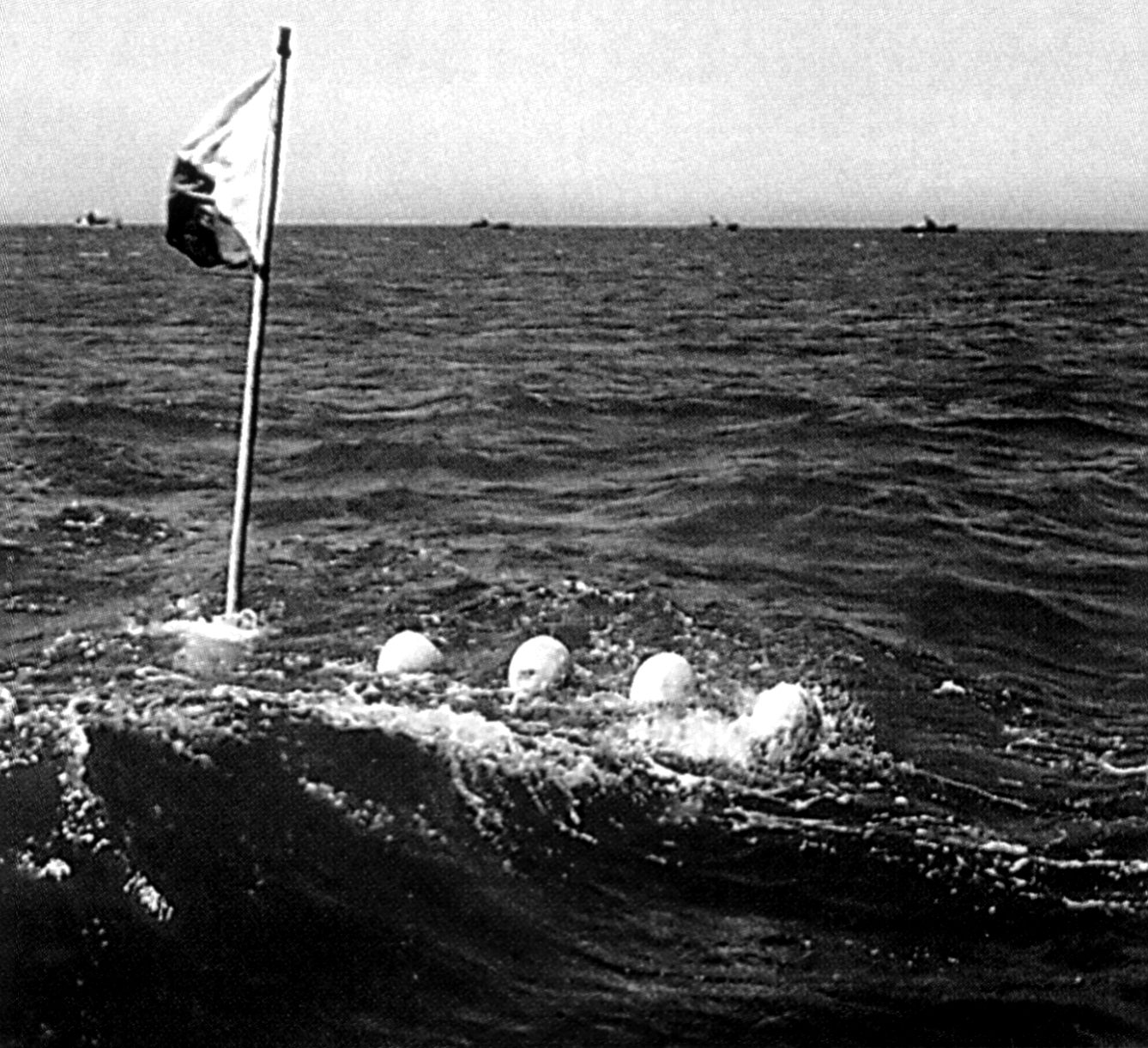
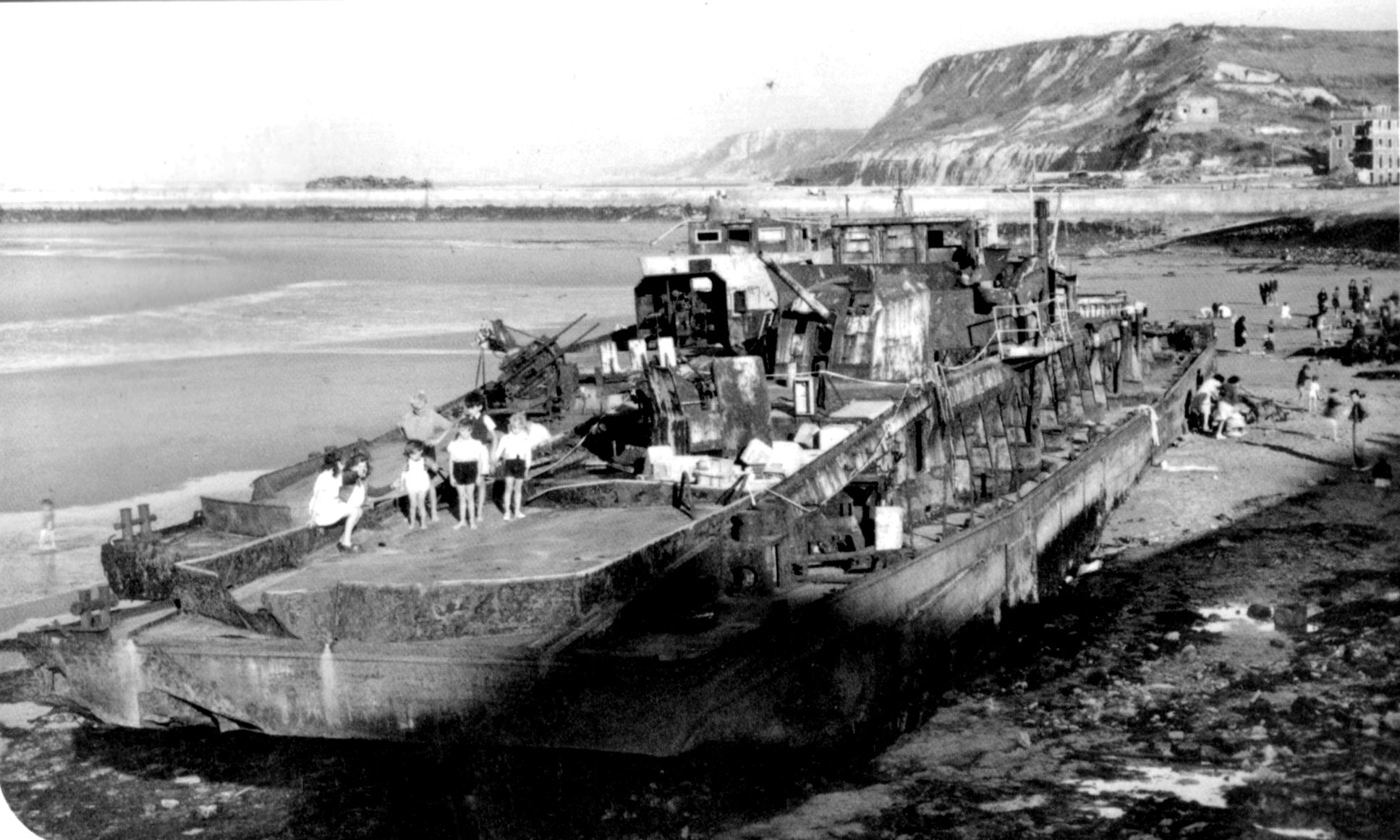
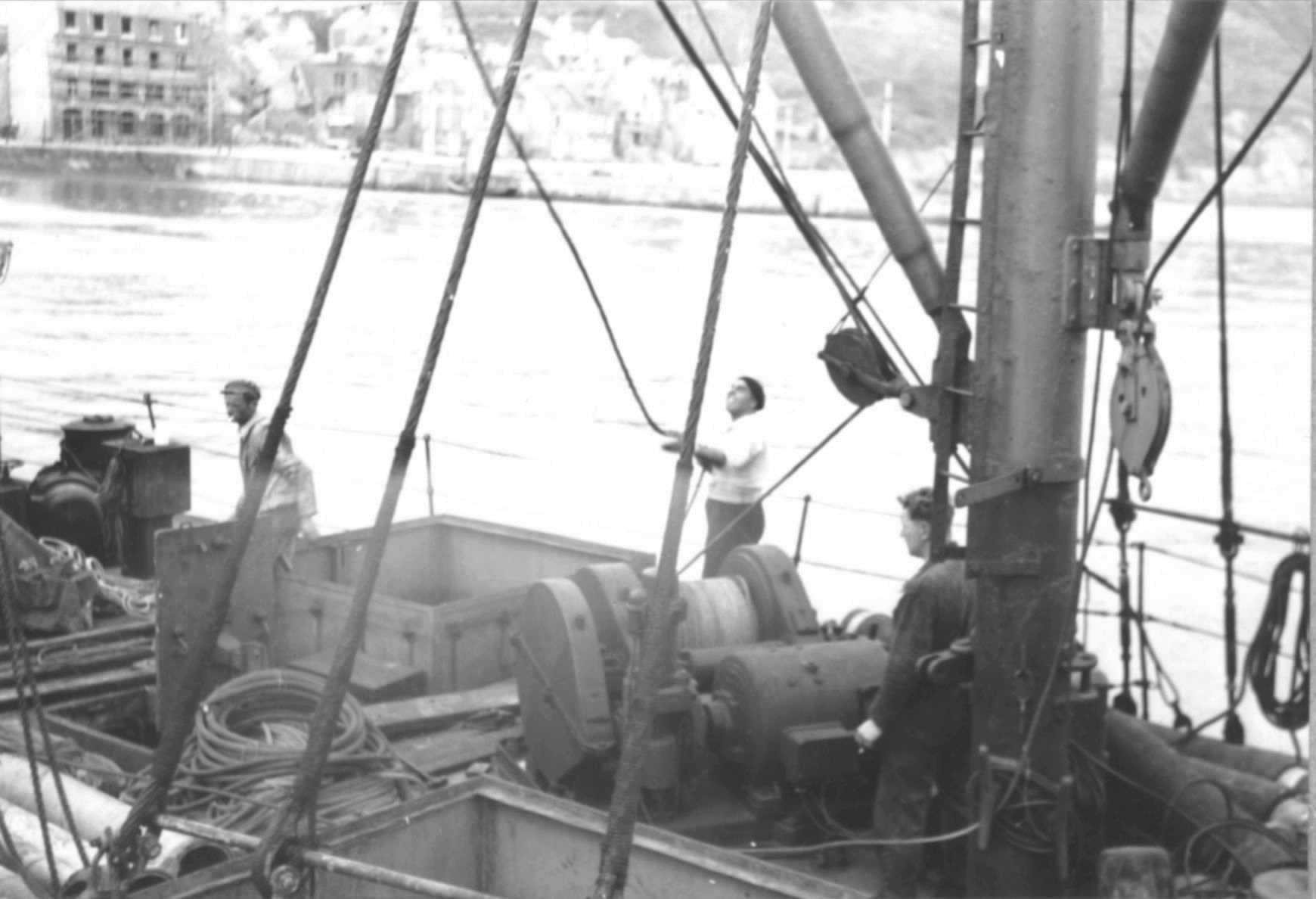
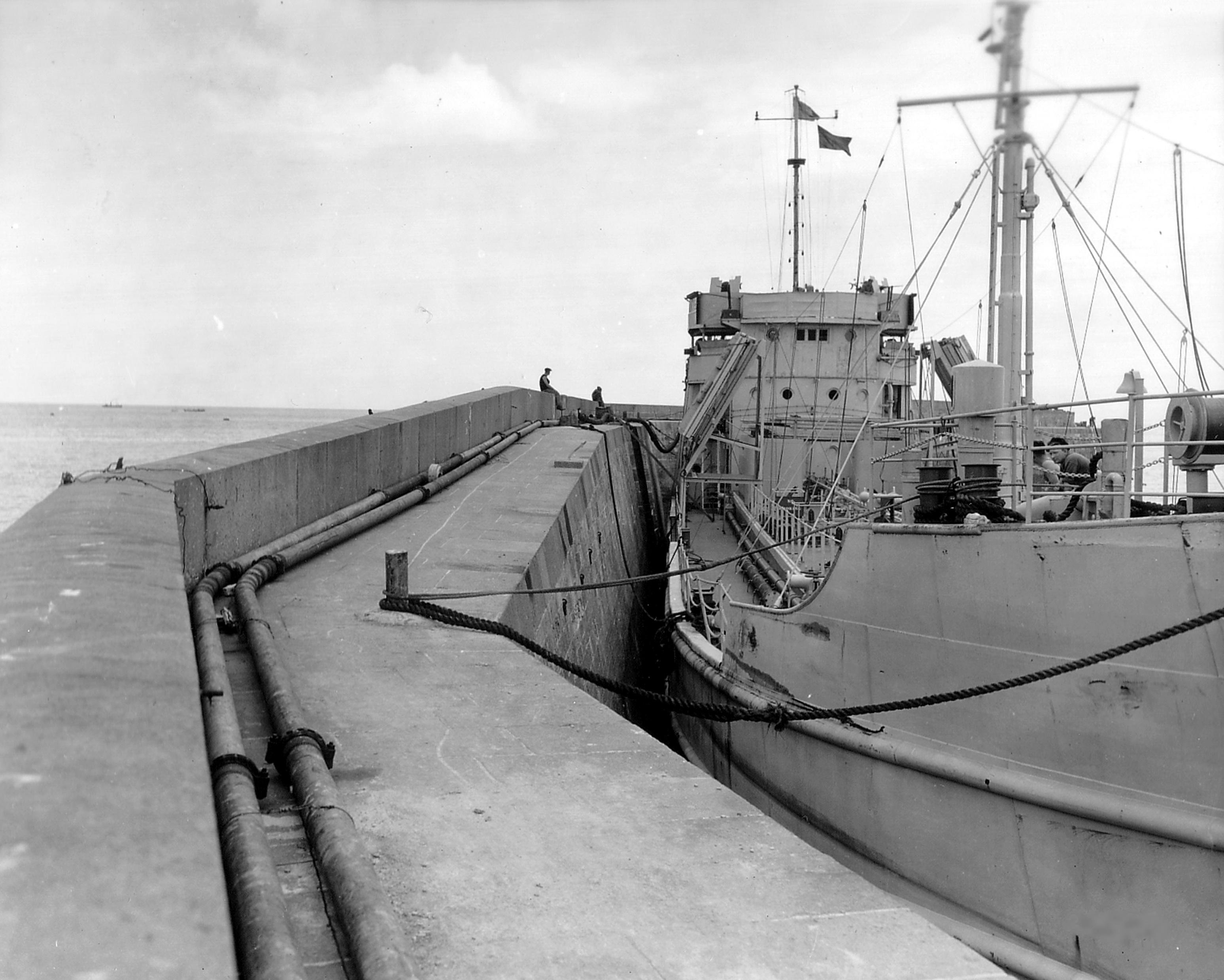
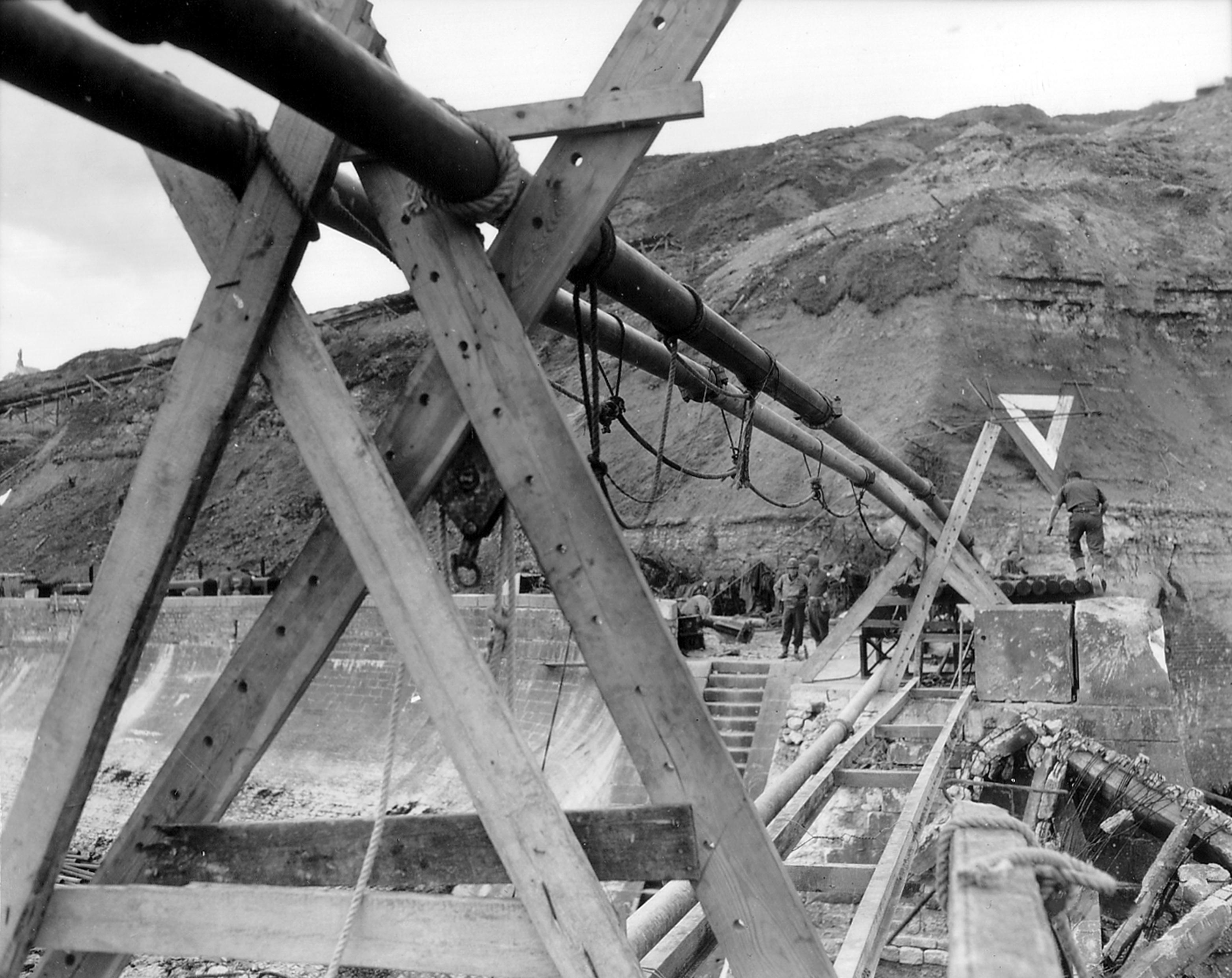
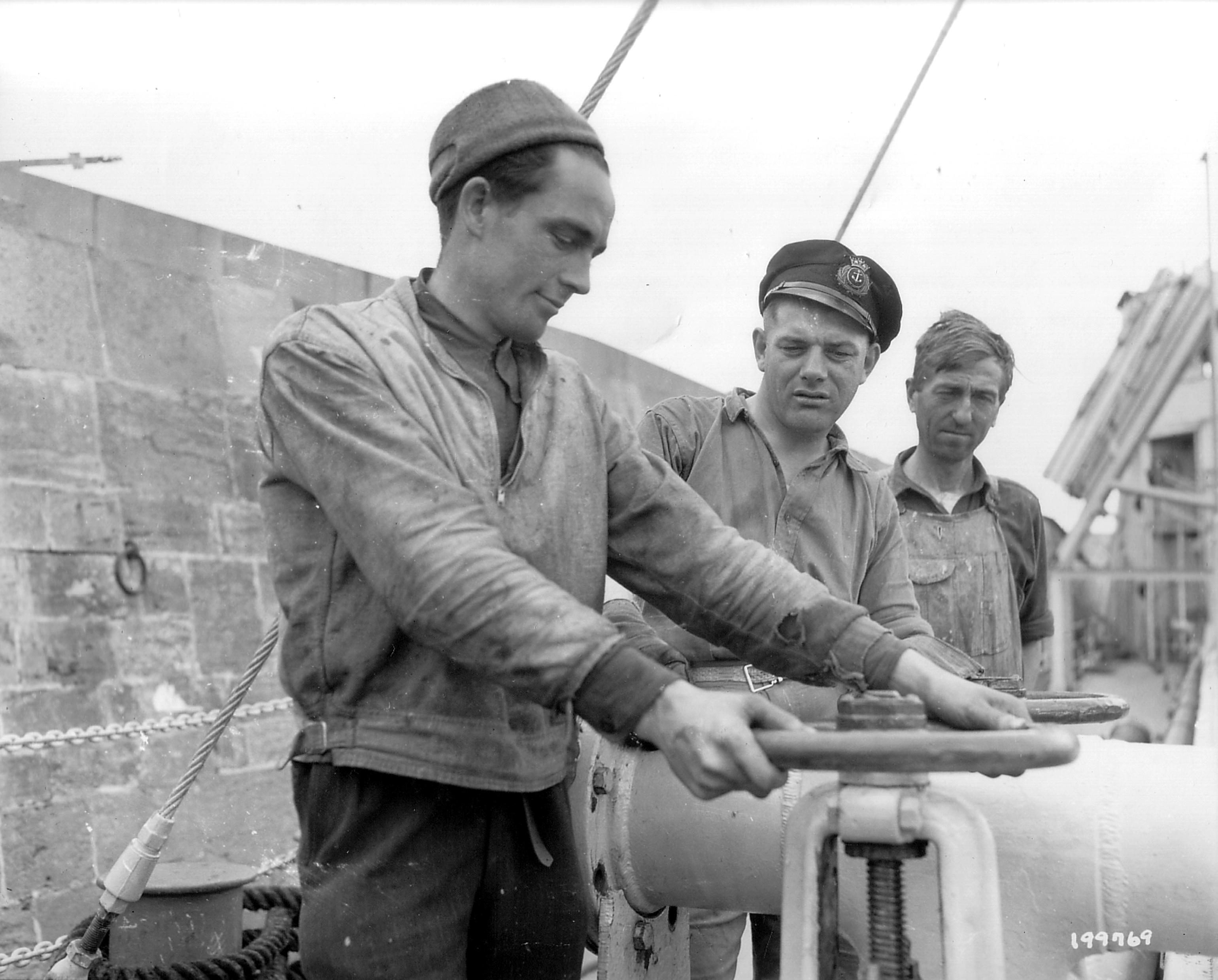
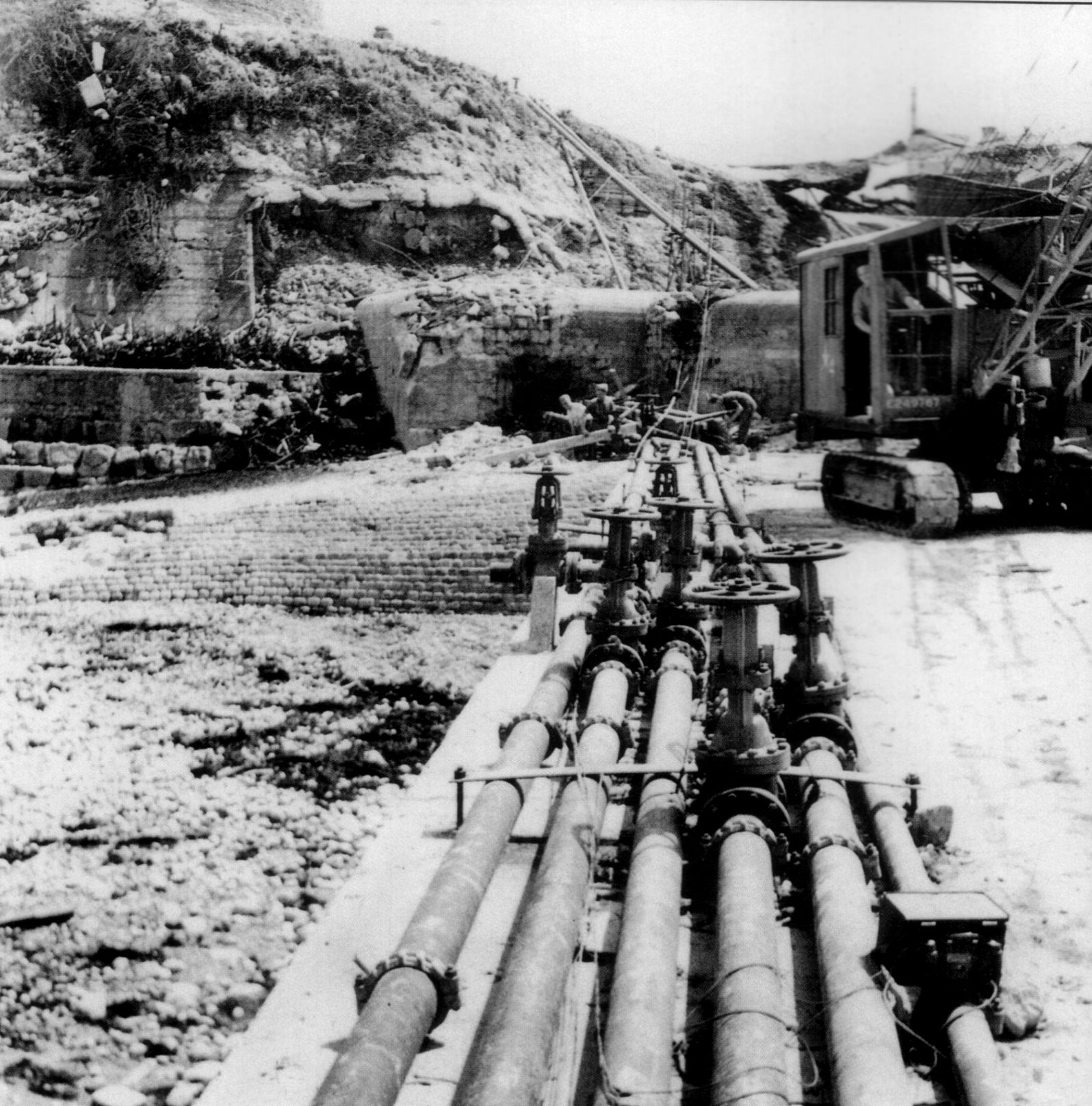
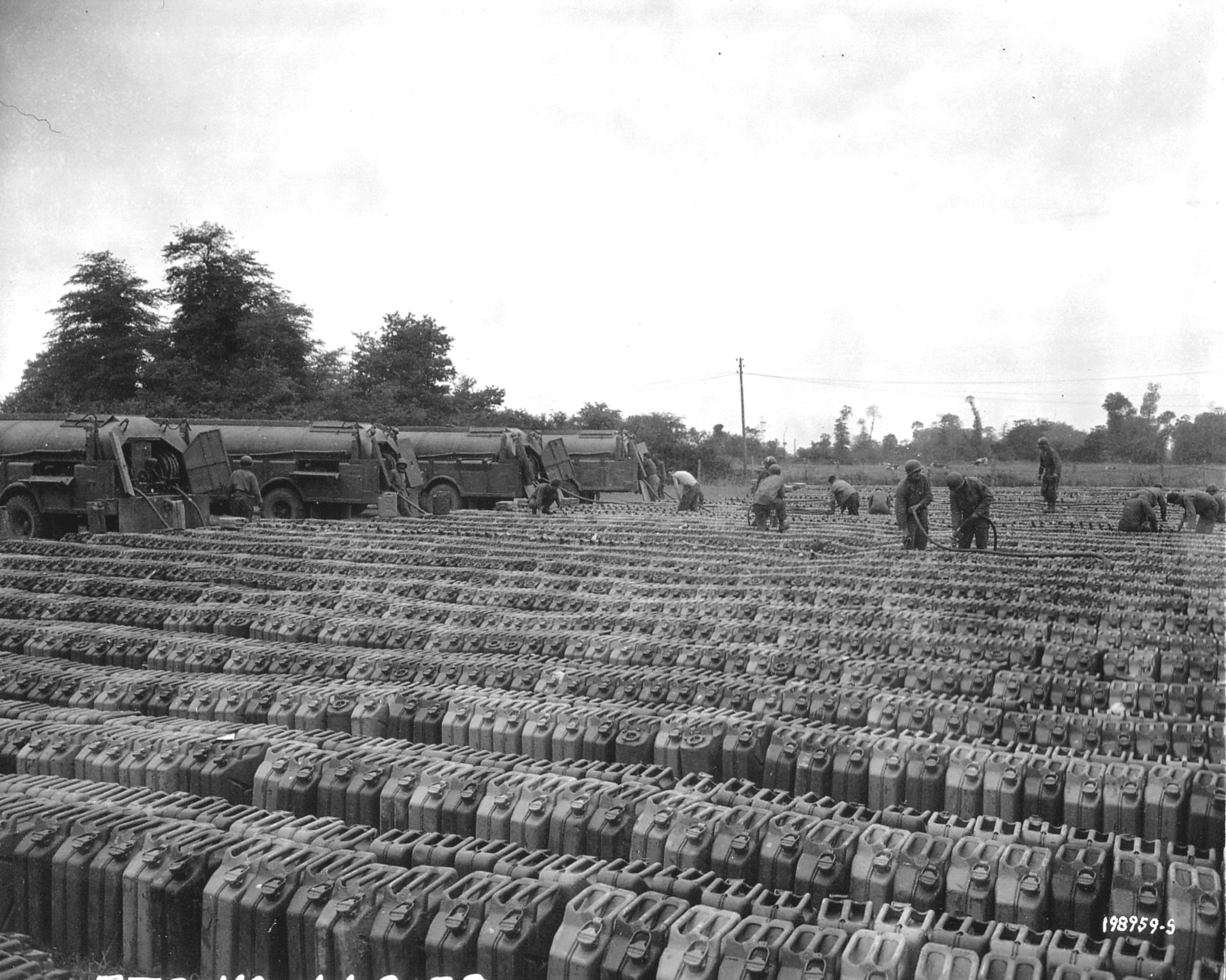
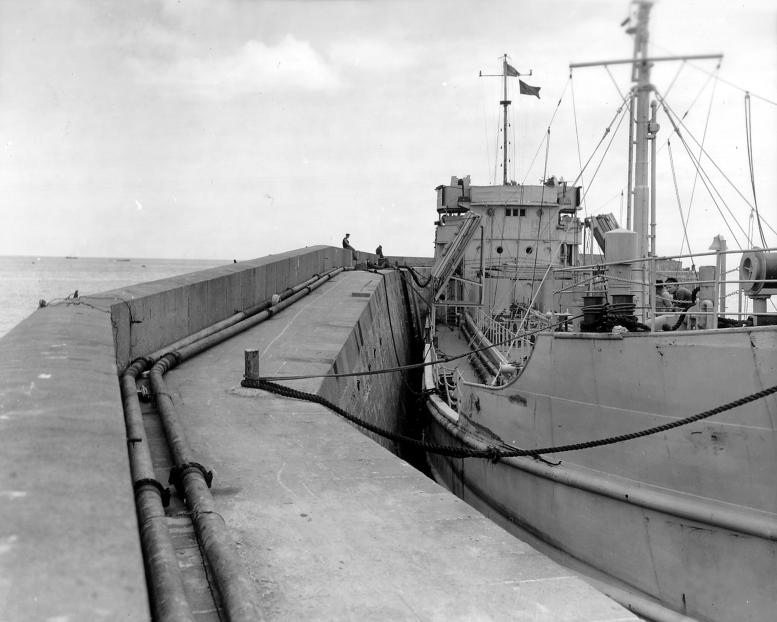
The Allies had planned to supply petrol (vehicle quality and aircraft quality) by means of 2 "sealine" on the beach of Sainte-Honorine and in front of Port en Bessin, and a double oil terminal installed on the inland docks of the East and West dikes of Port-en-Bessin.
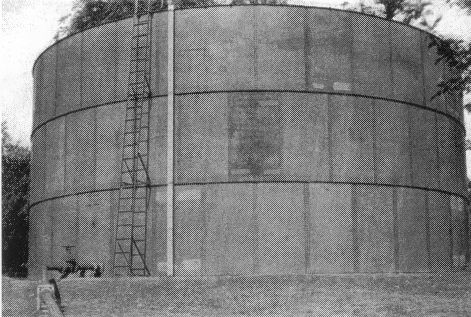
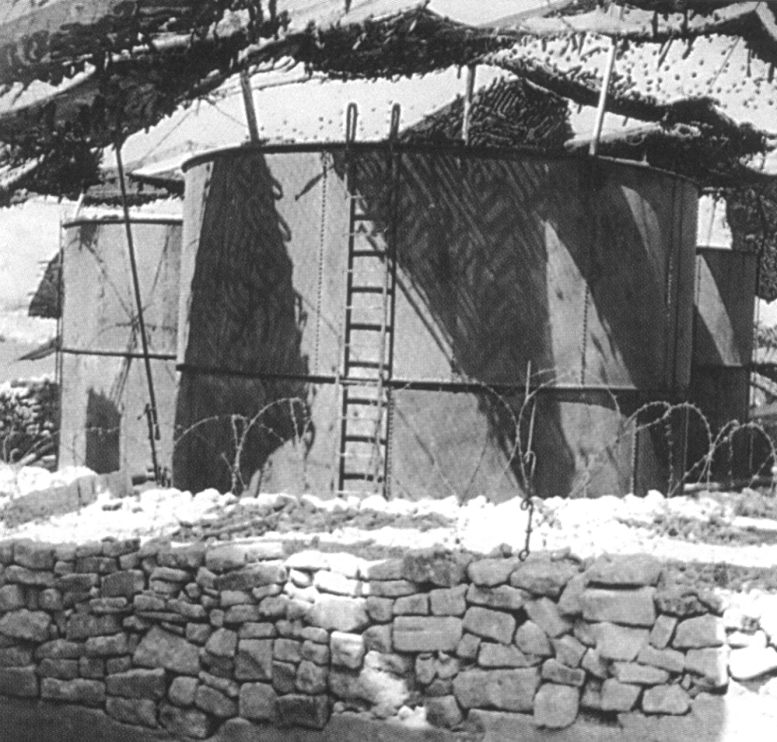
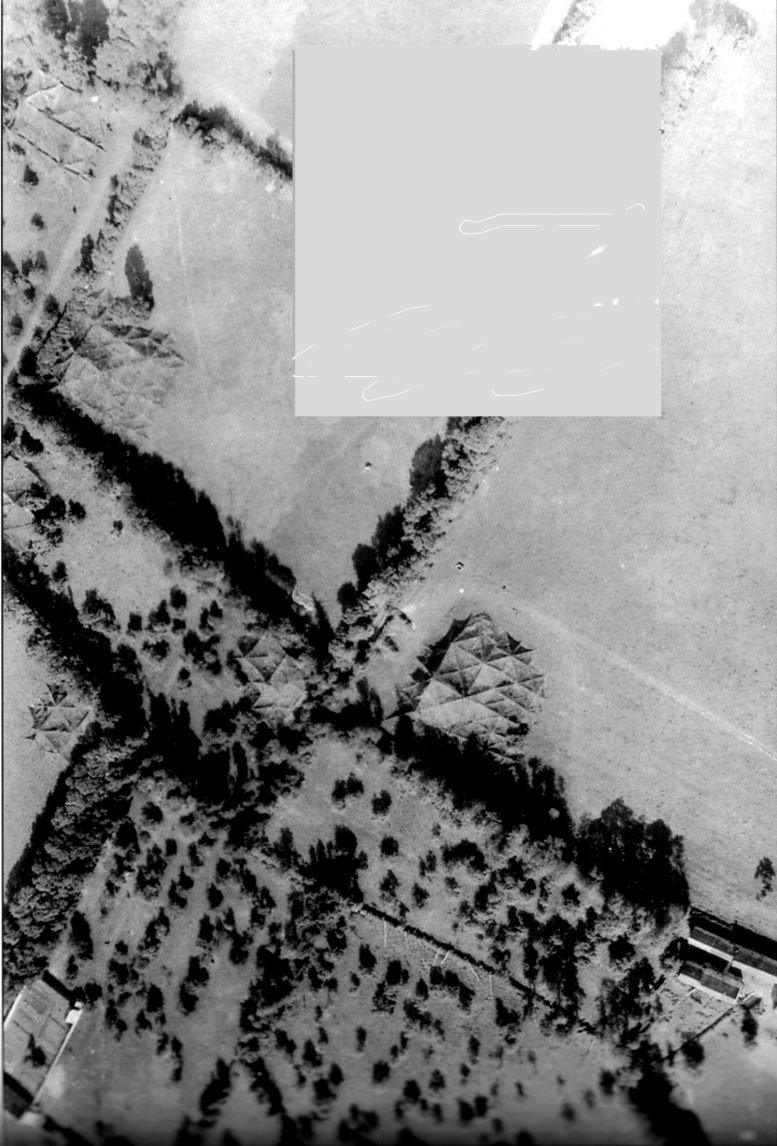
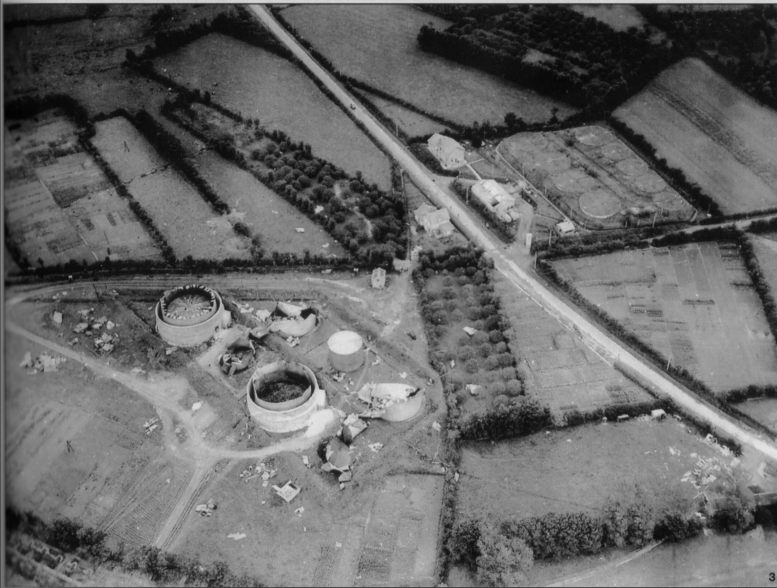
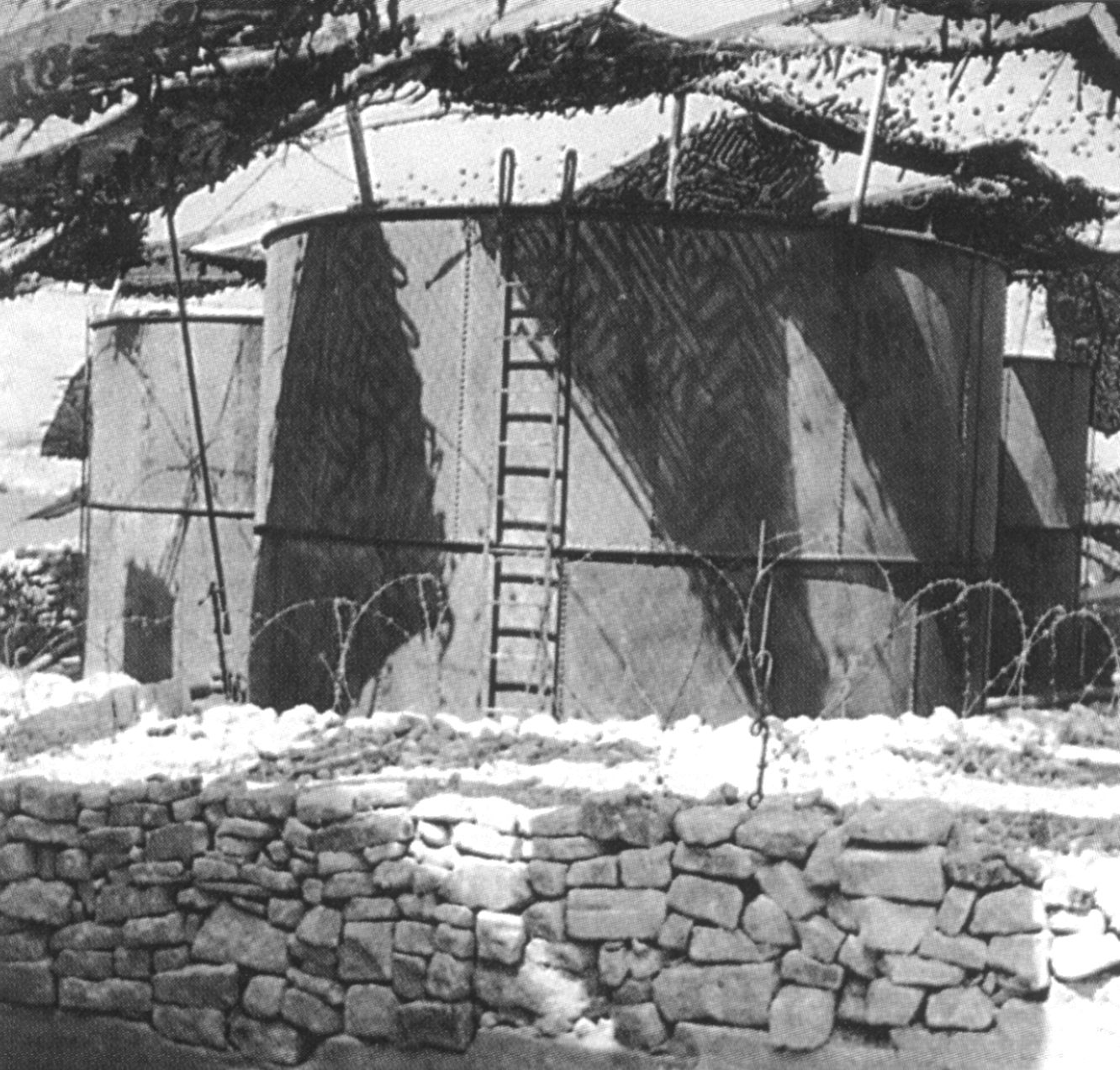
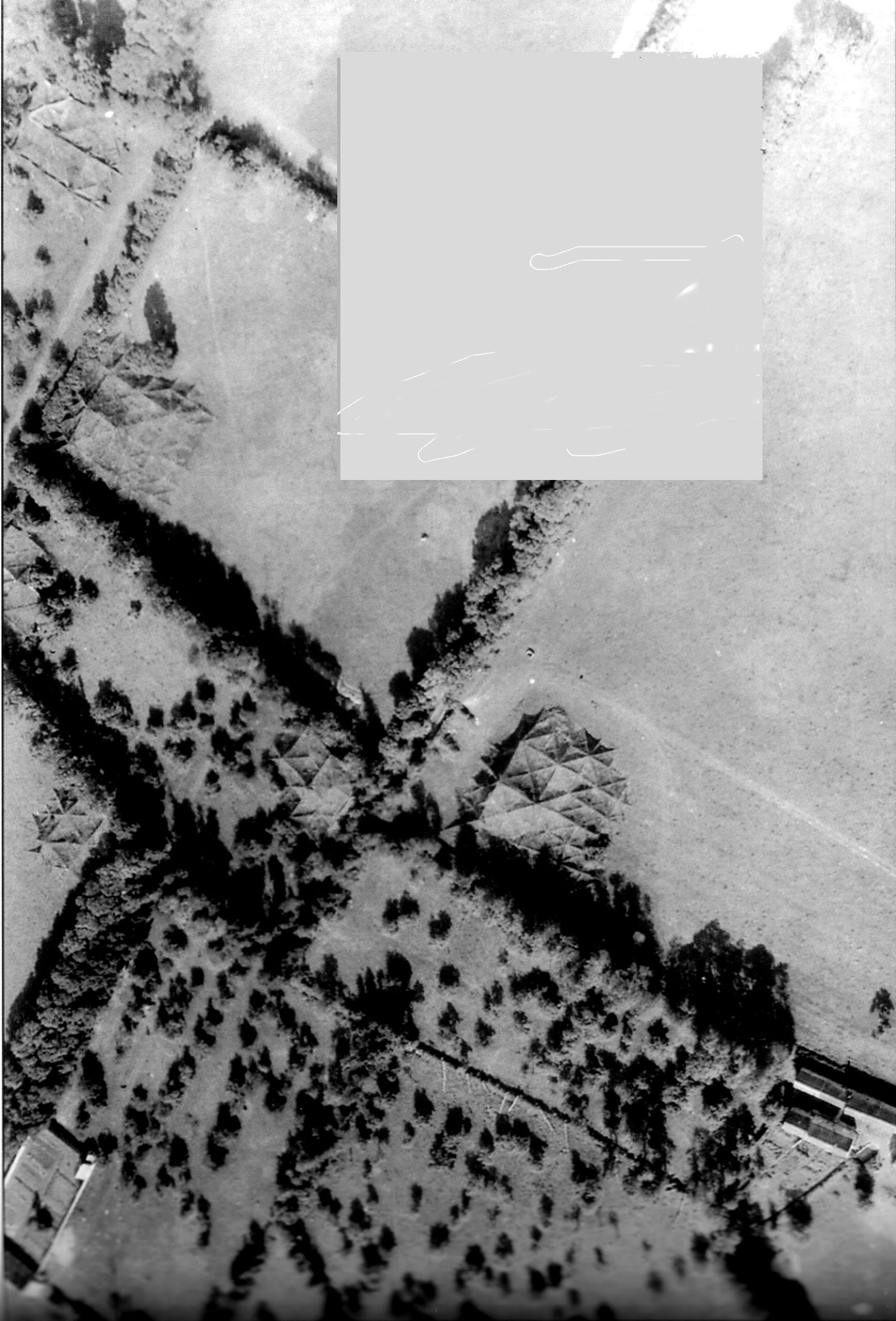
These facilities were connected to a network that fed large gas tanks built on a high point, Mount Cauvin, the NO de Maisons and a few kilometres from Port.
They served both the British and the Americans. Work began on 10 June, with a first start-up on 16 June. progressively replaced by the "Major system" in Cherbourg, their dismantling began on October 10, 44, gradually replaced by the port of Cherbourg and then by the ports of the North.
They were connected to the pipeline line linking the Cherbourg oil terminal to the east of France, following more or less the RN13.
The Cherbourg terminal was largely powered by tankers because the pipe under the sea (Pluto = Pipe Line Under The Ocean) did not meet the expectations. He had too many leaks.
(See in particular "When Black Gold flowed in waves" by Philippe Bauduin and "10 million tons for a victory" by Jean-Pierre Benamou), from which some photos are taken,

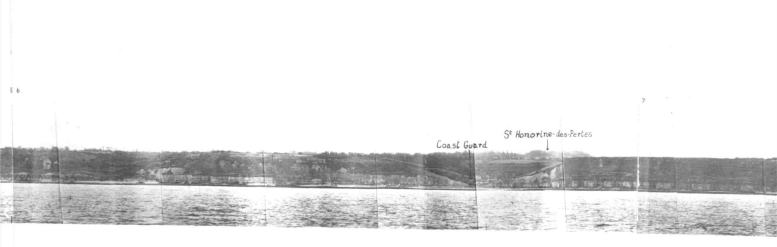
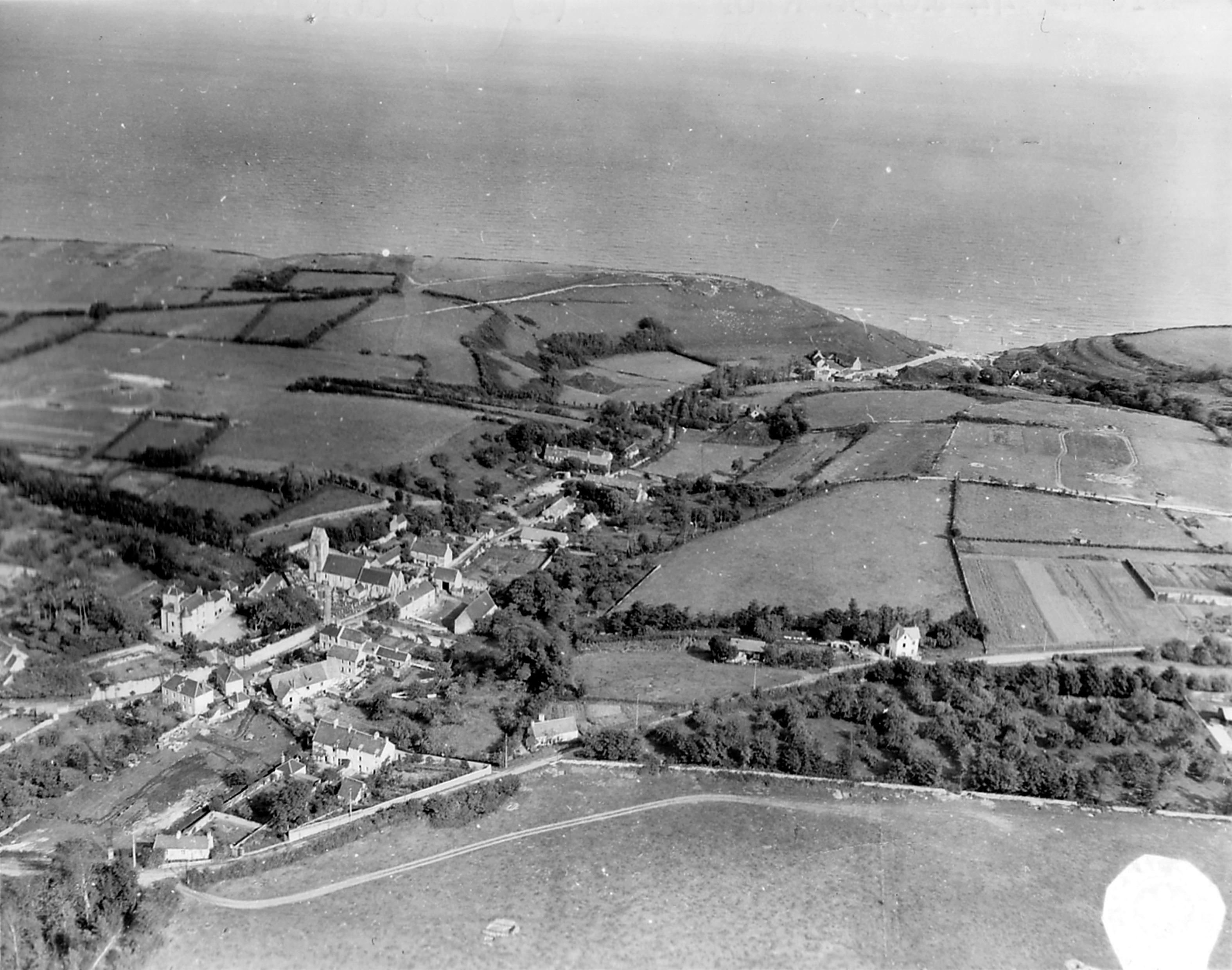
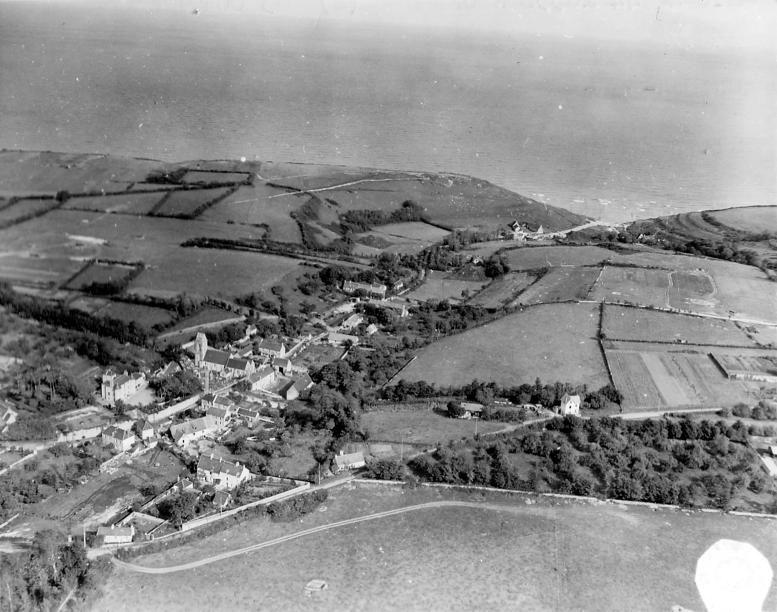
Saint-Honorine-des-Pertes
Panoramics of the coasts of Port-en-Bessin to Sainte-Honorine, seen by an English submarine late 43 or early 44





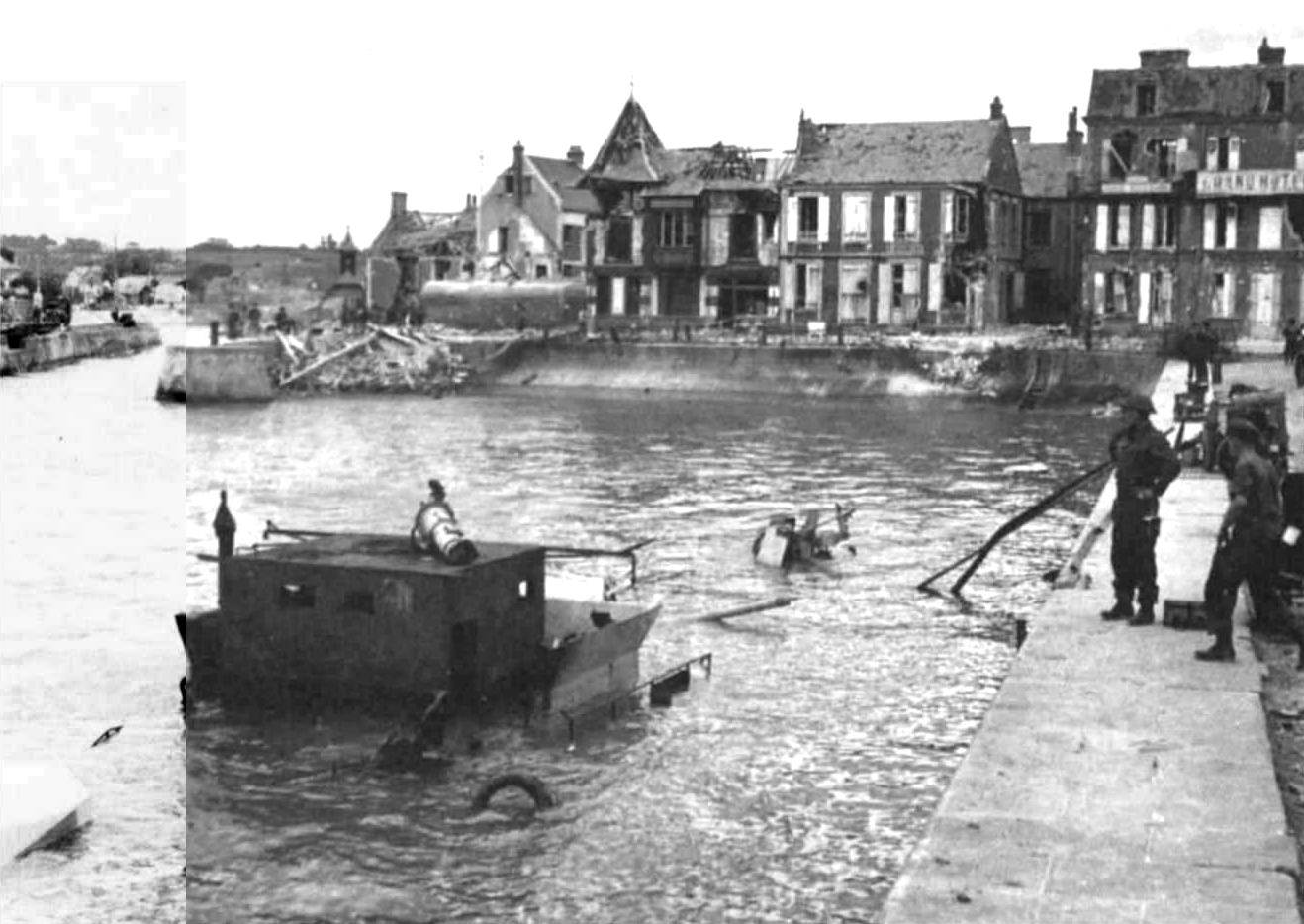
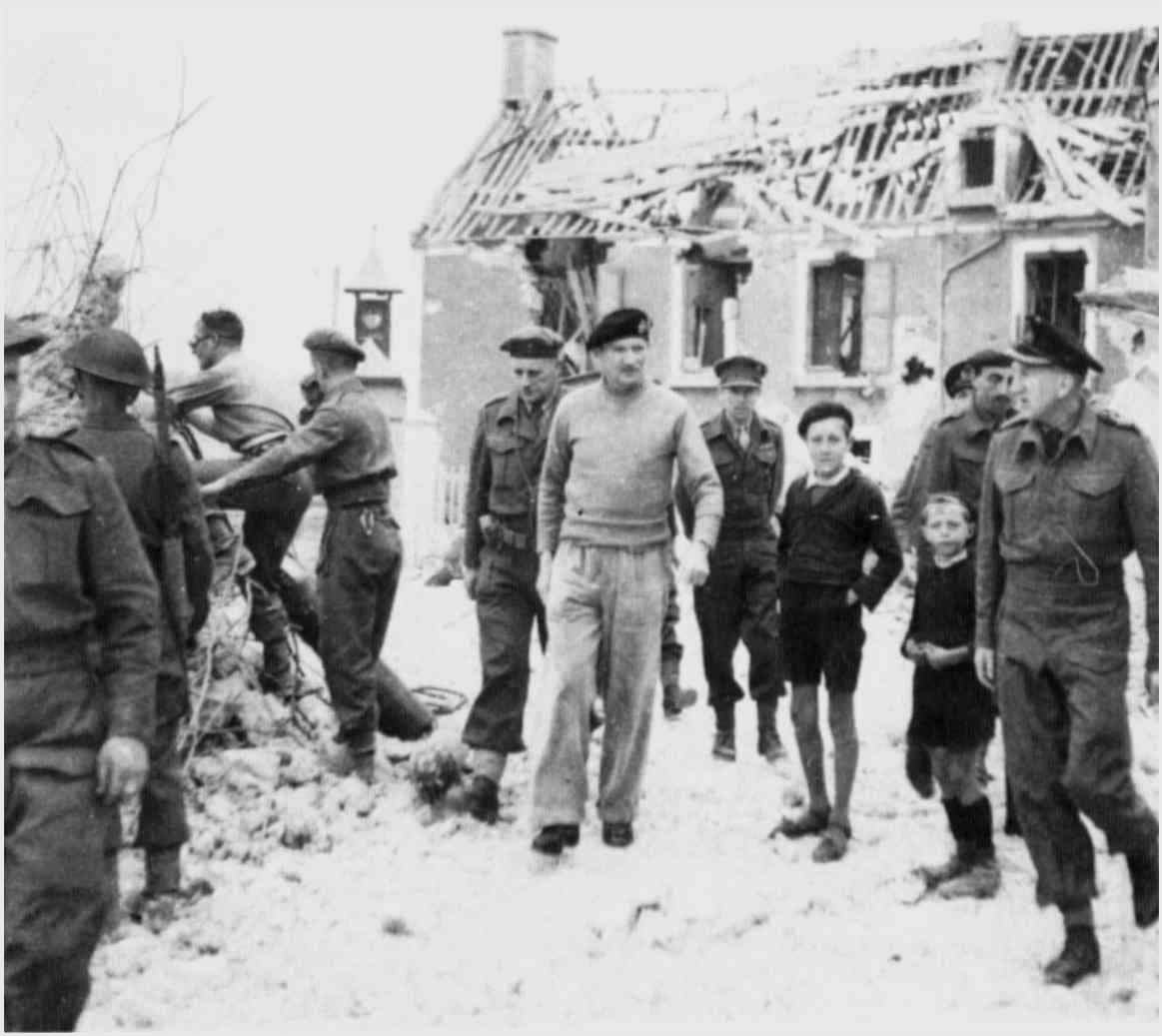
Destruction in Port-en-Bessin port


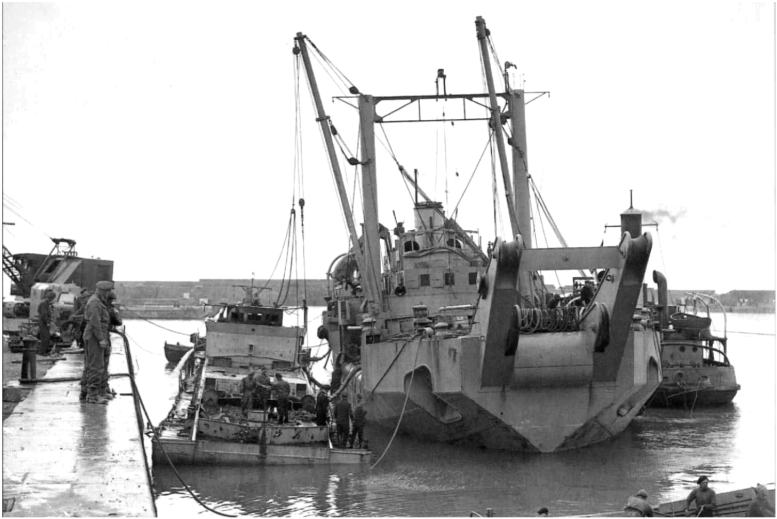

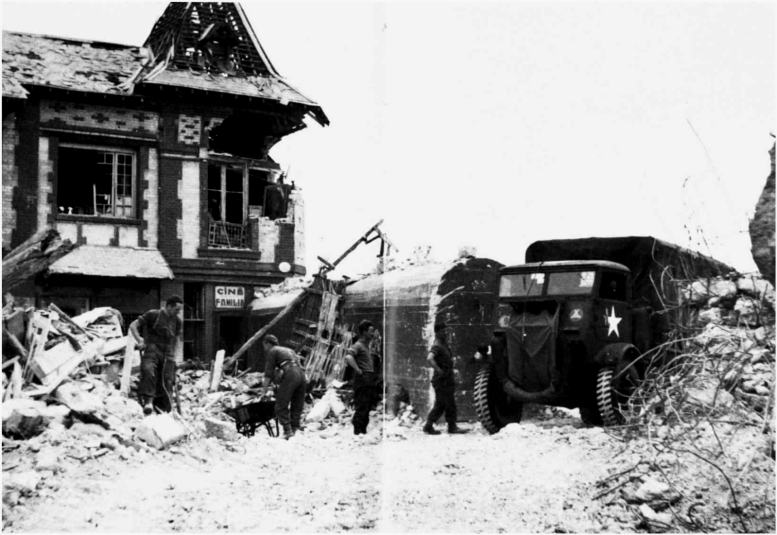
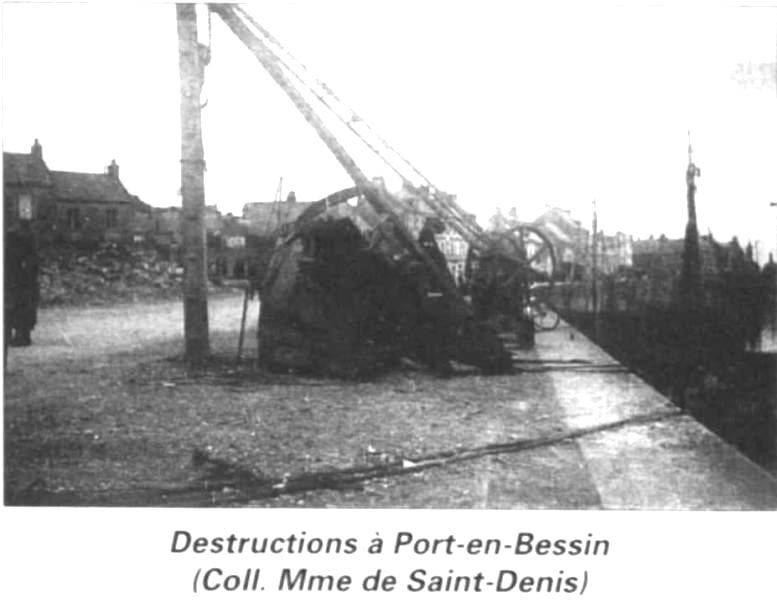

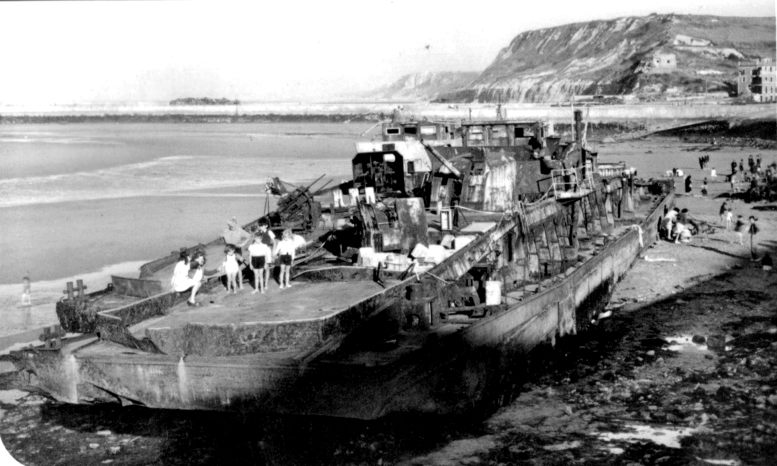

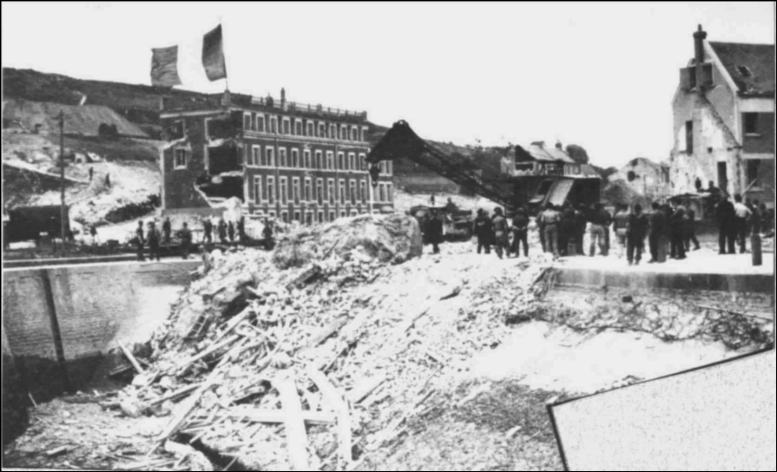
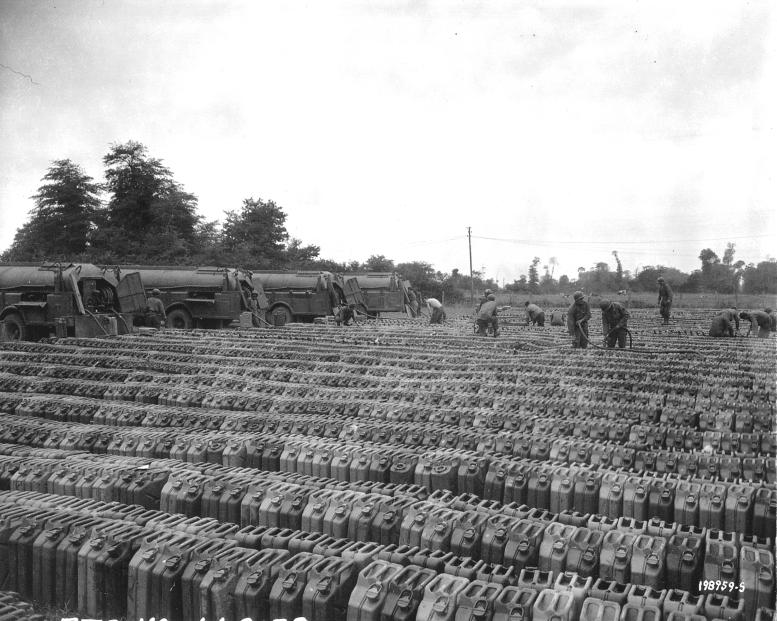
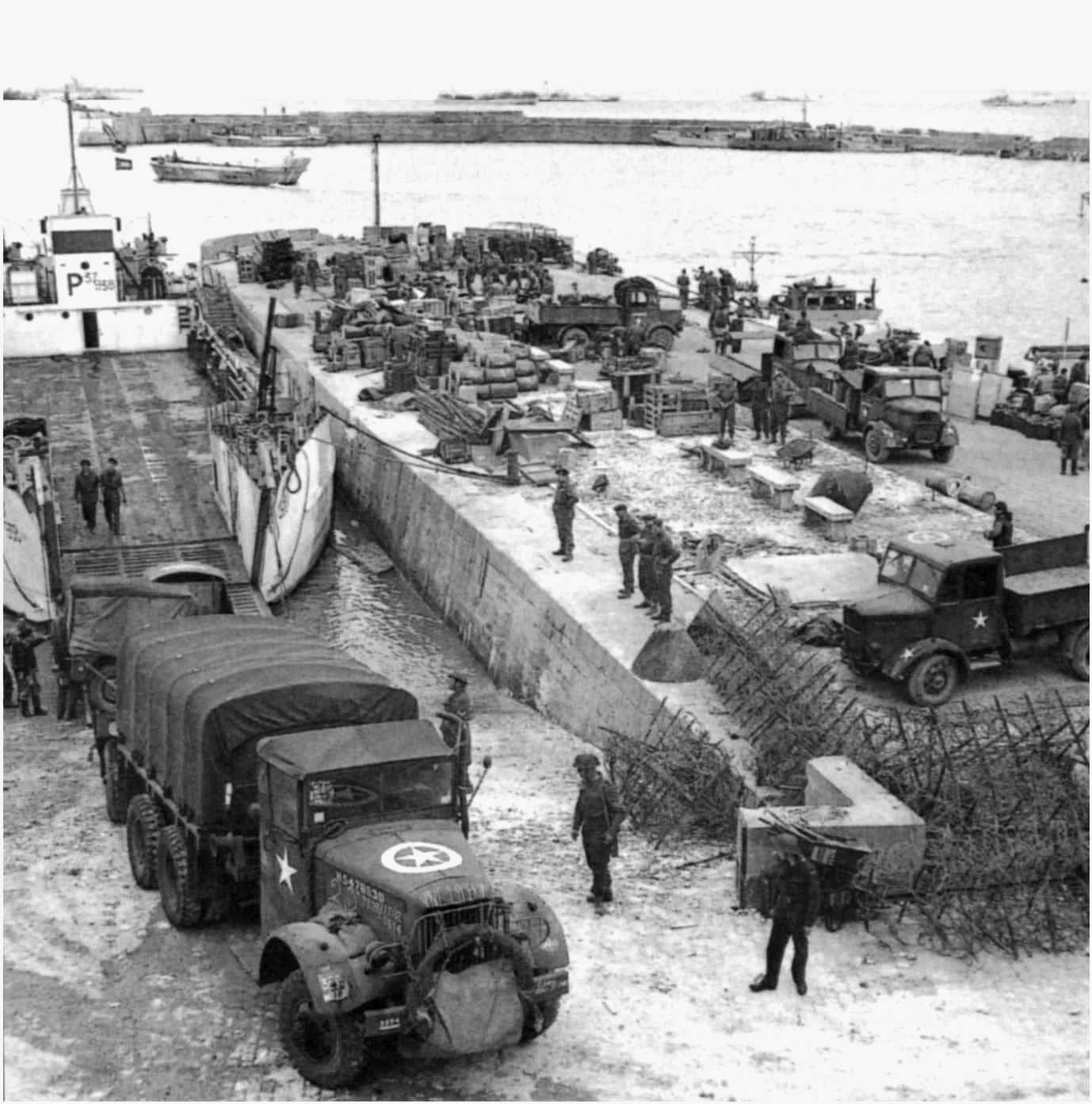
Miscellaneous discharges in Port en Bessin

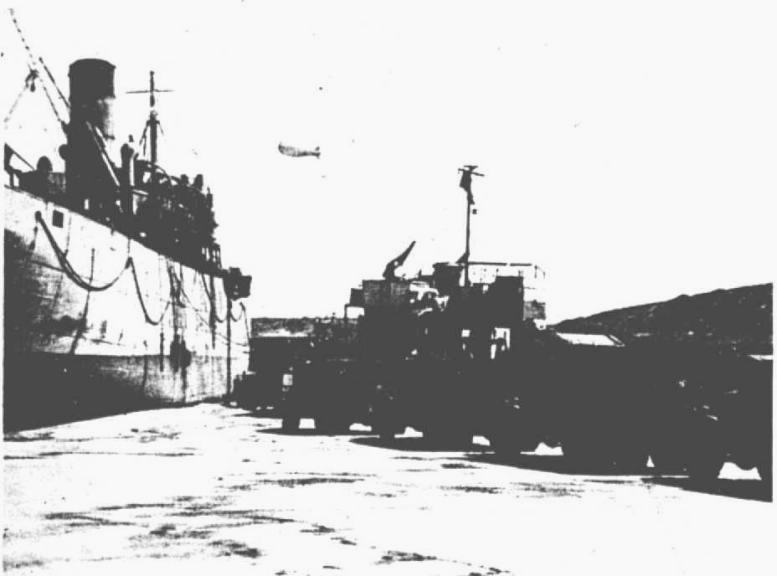
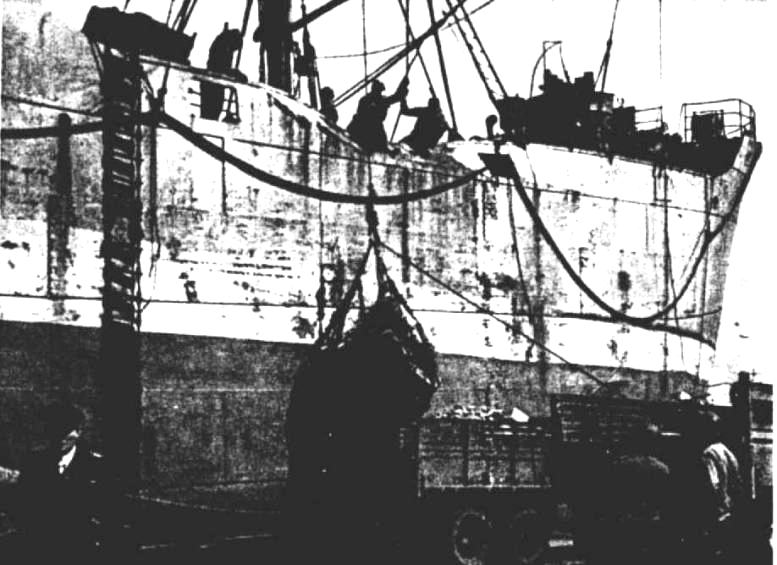
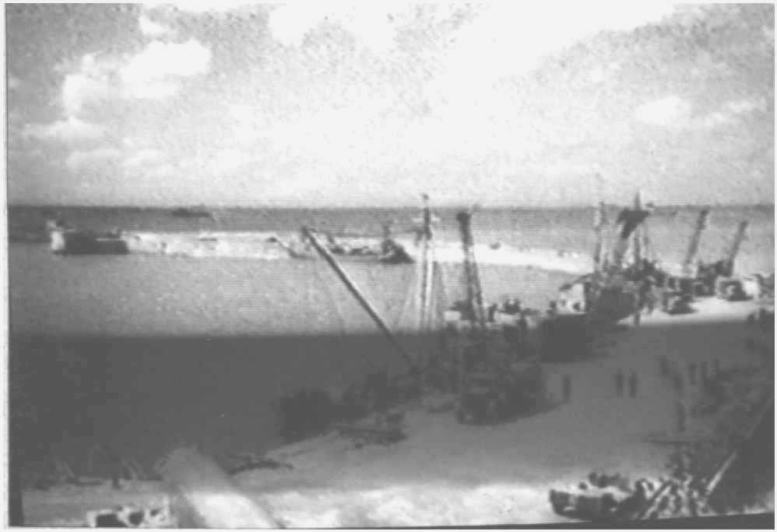
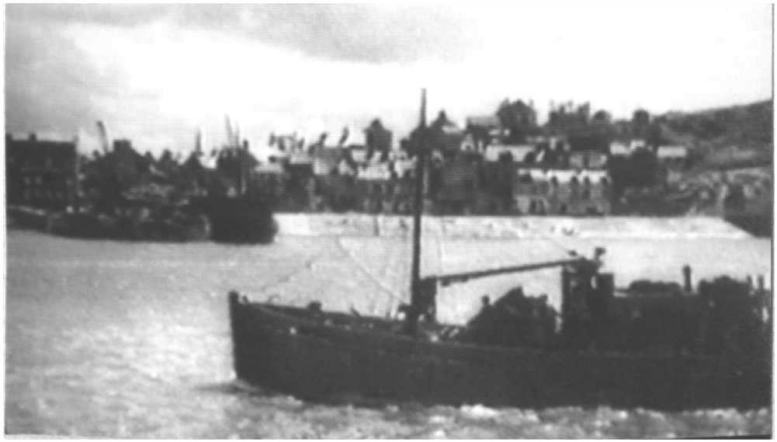


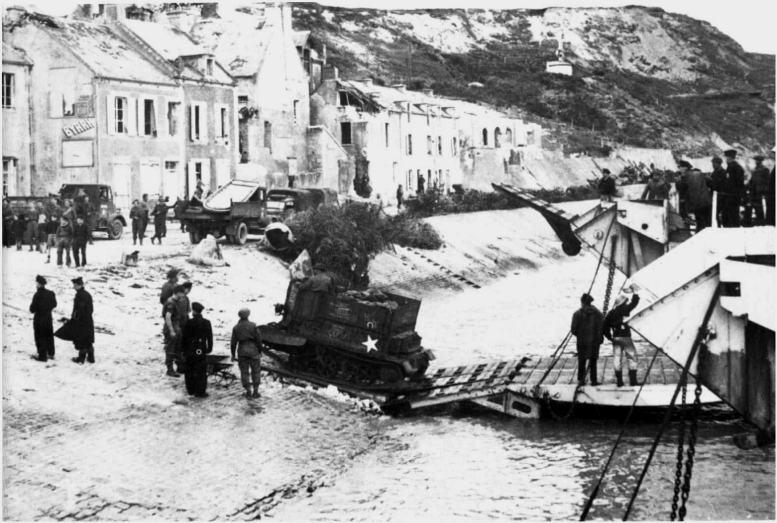
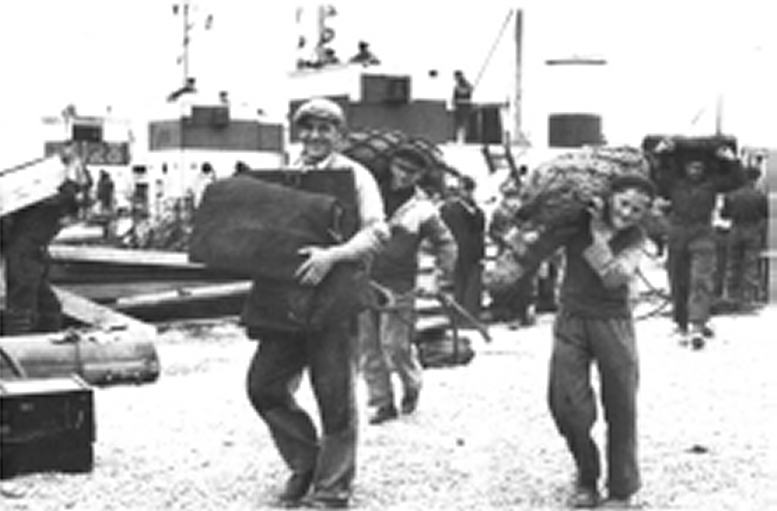

Port-en-Bessin oil terminal
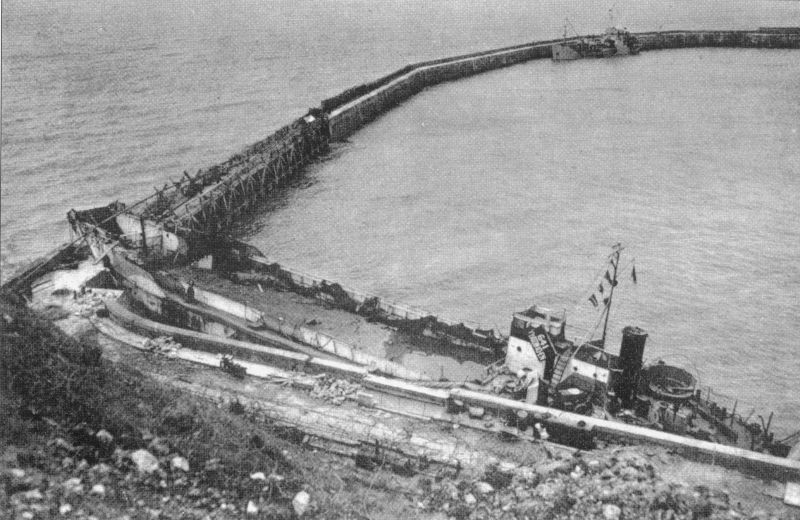


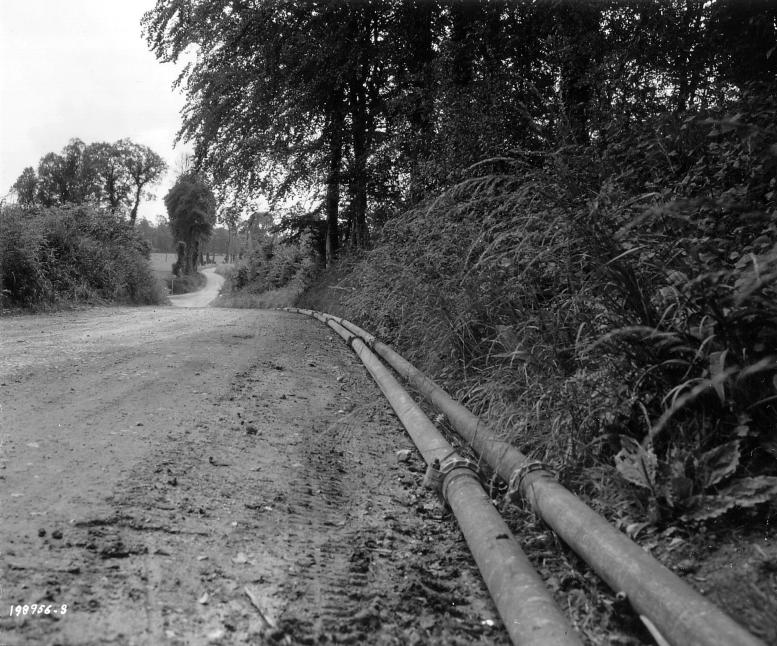
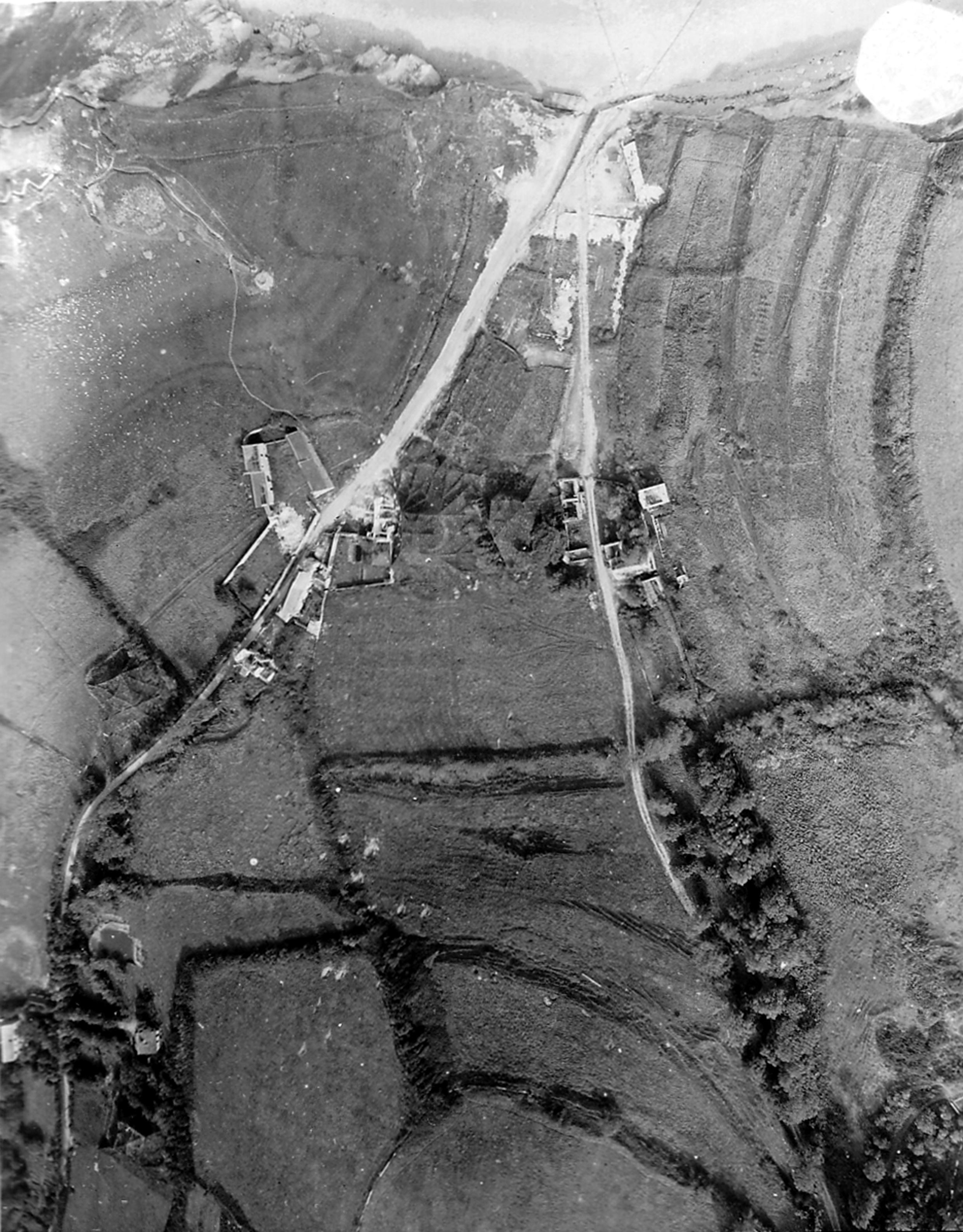
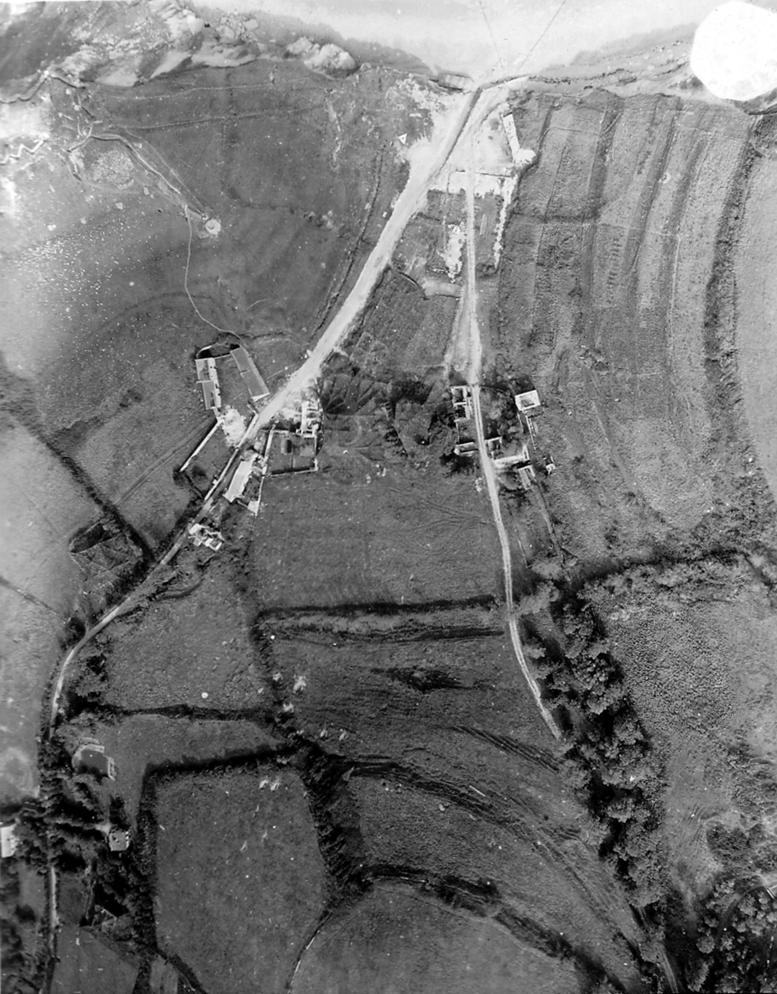
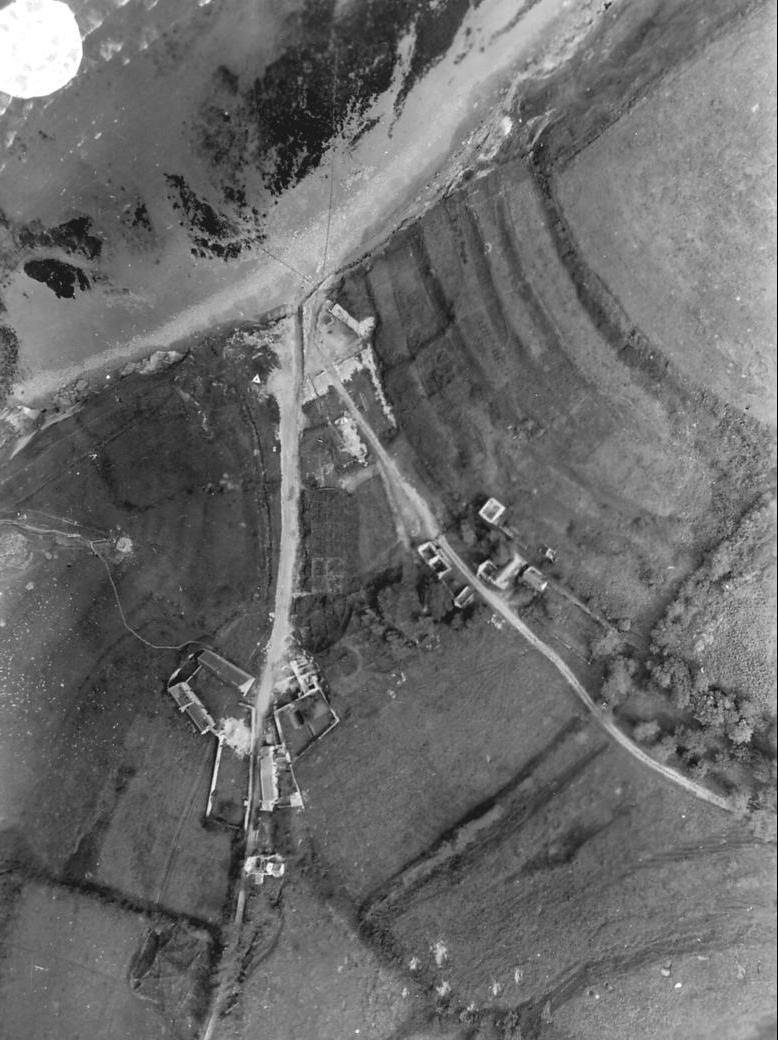
The Ste-Honorine and Port-en-Bessin pipelines
to the tanks of Etreham