Reference 142

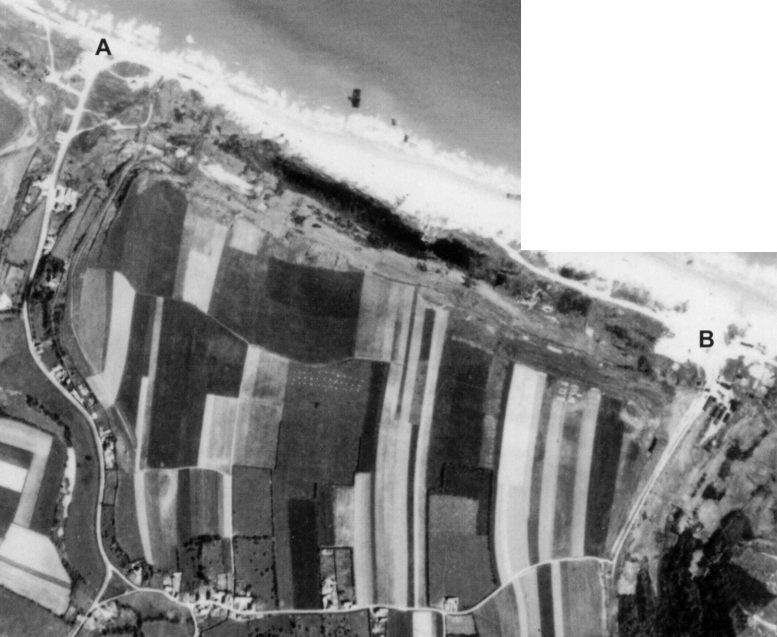
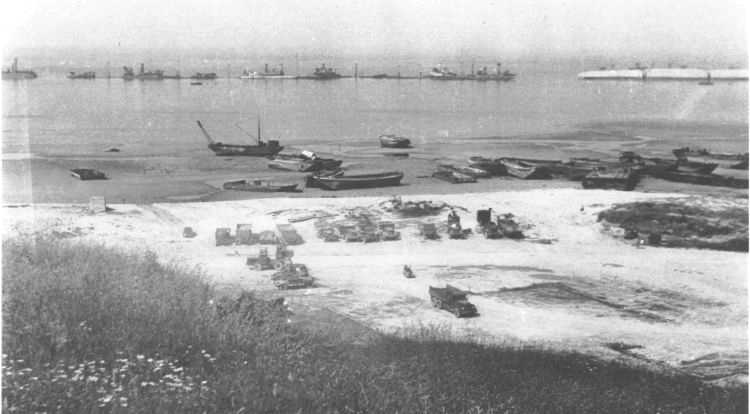
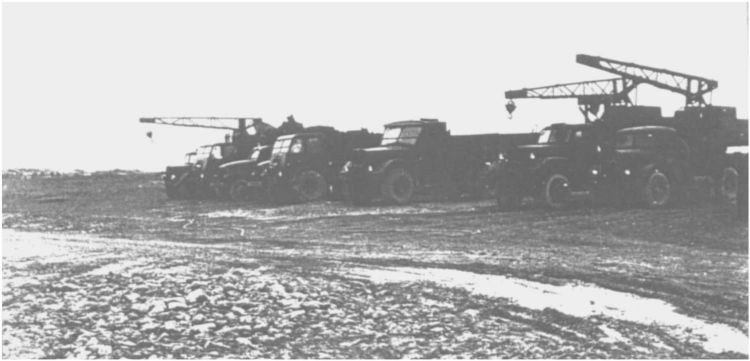
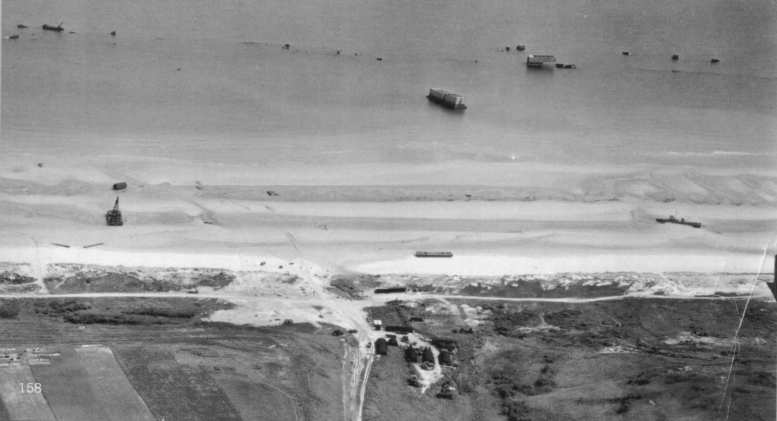

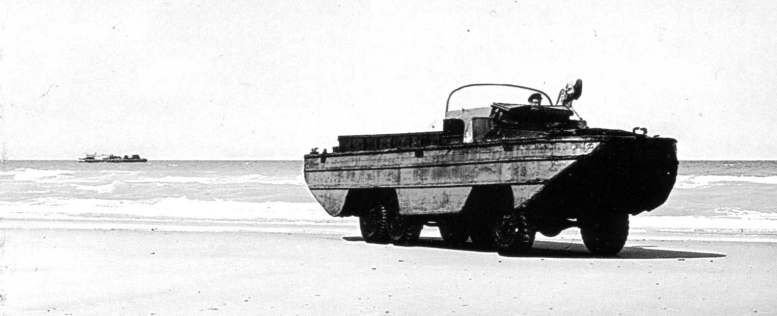
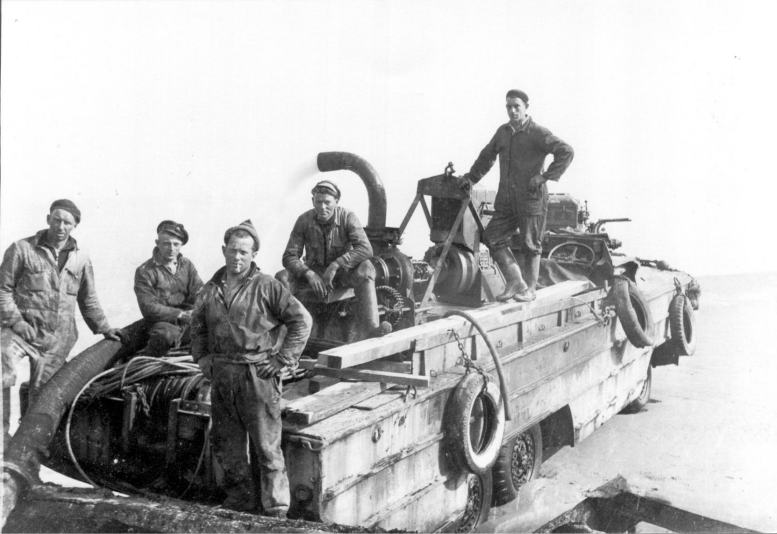


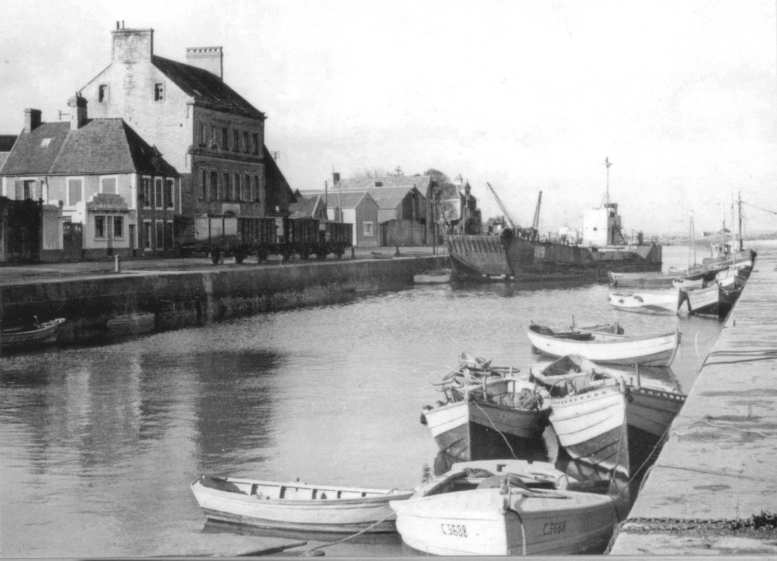

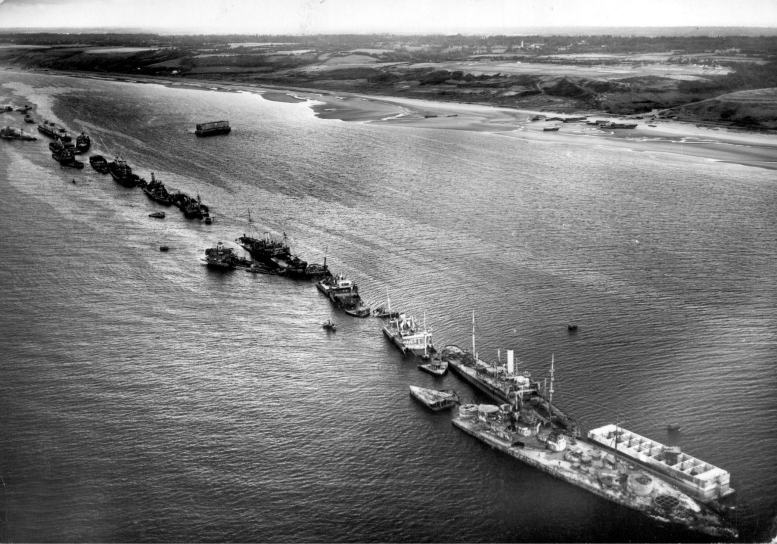
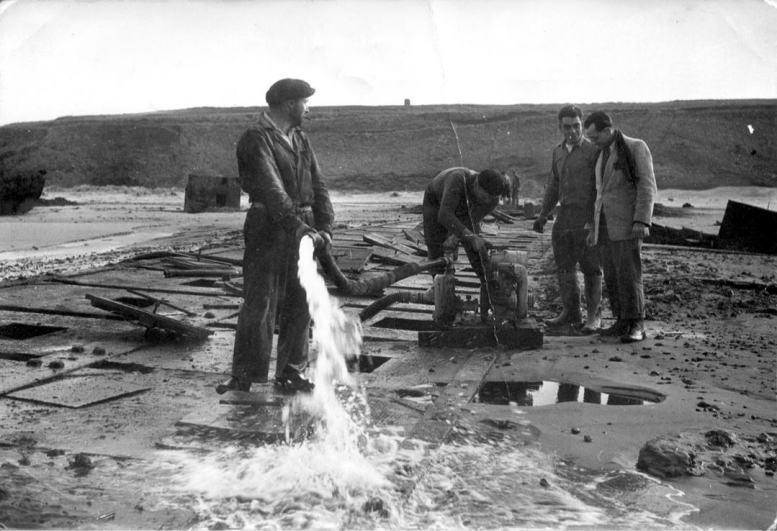
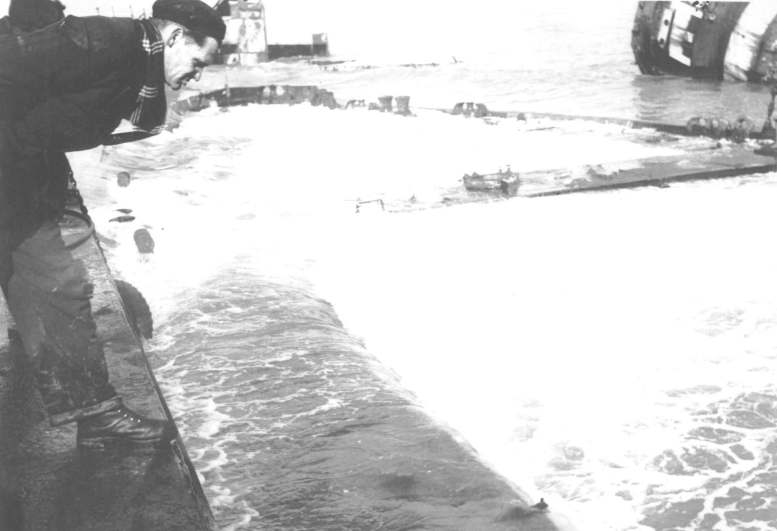
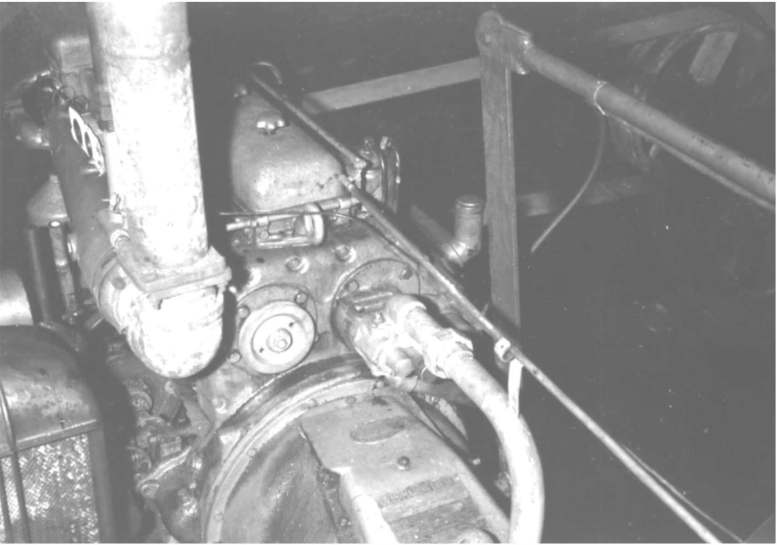
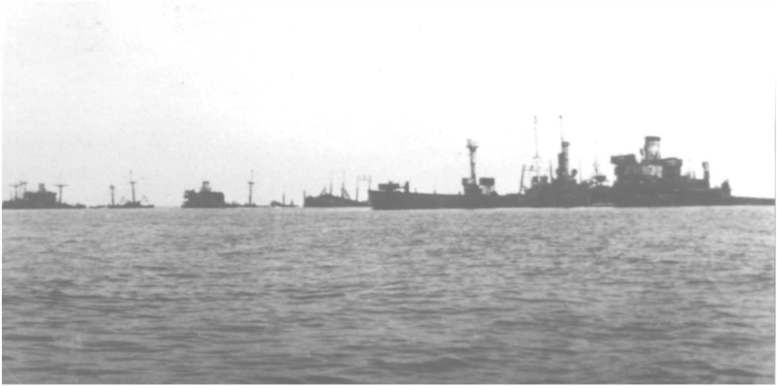
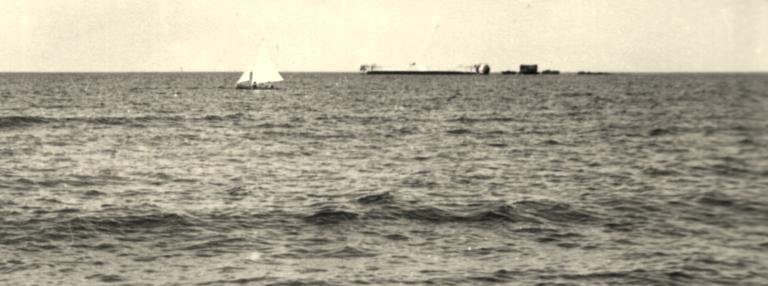


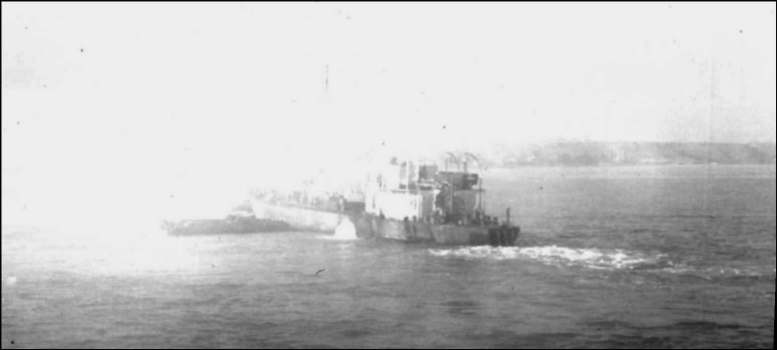

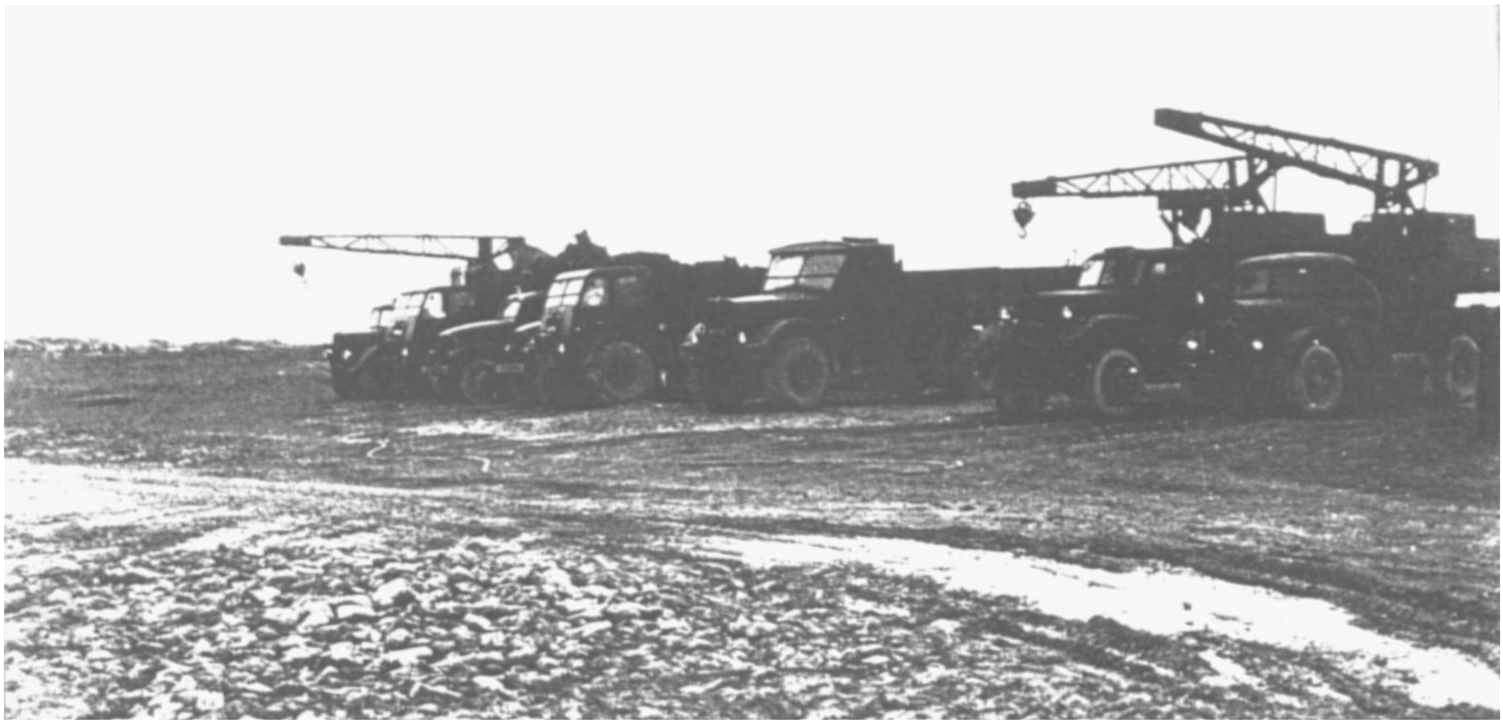
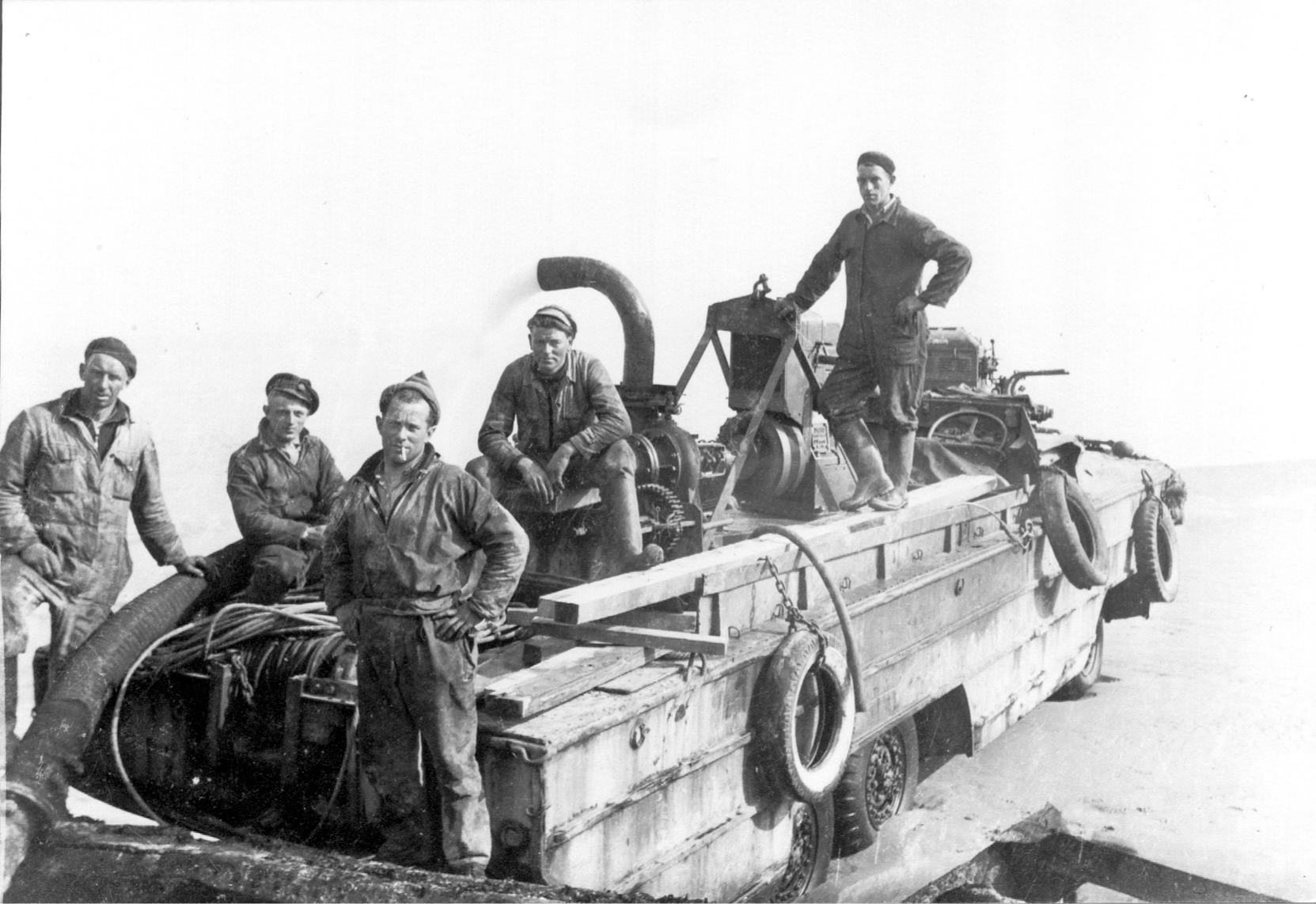
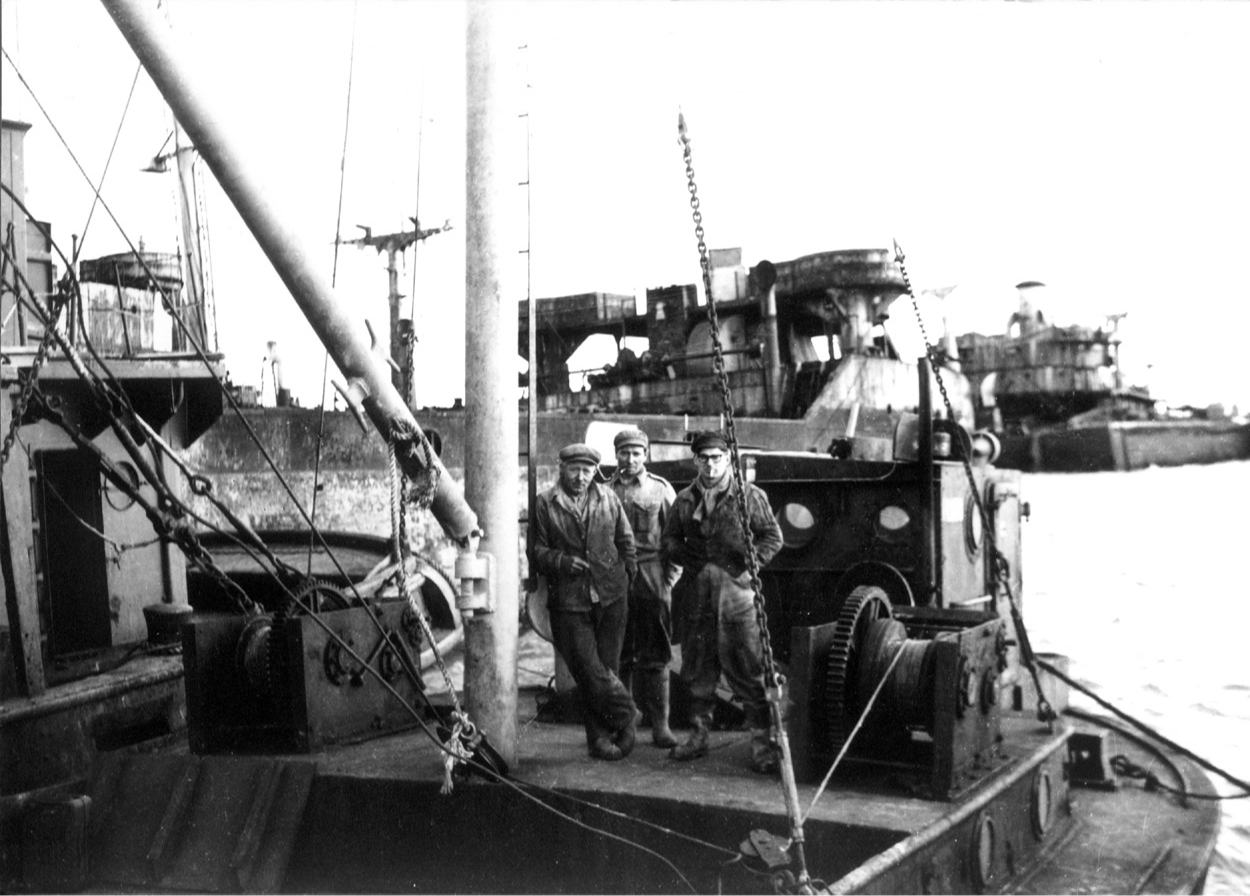
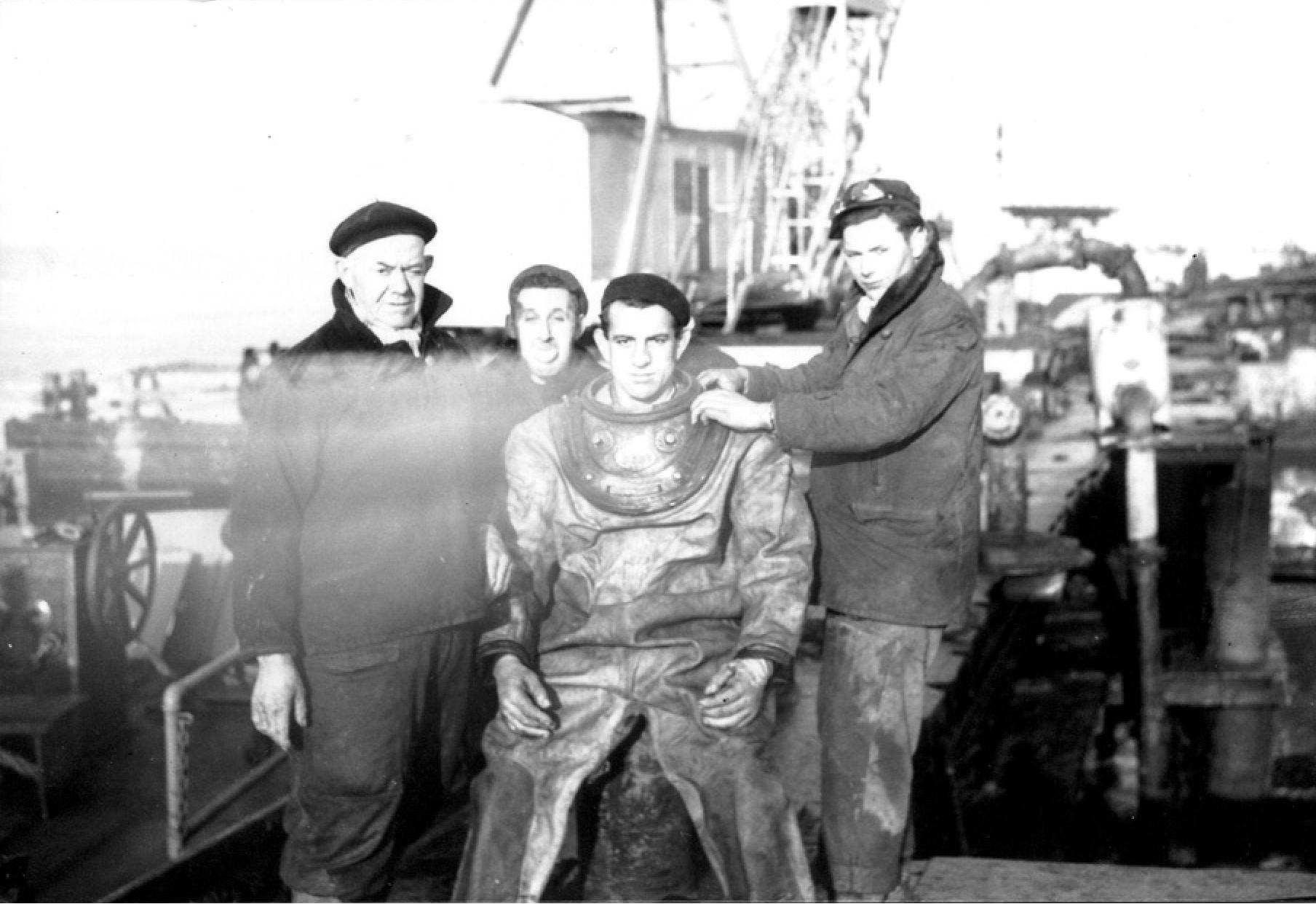
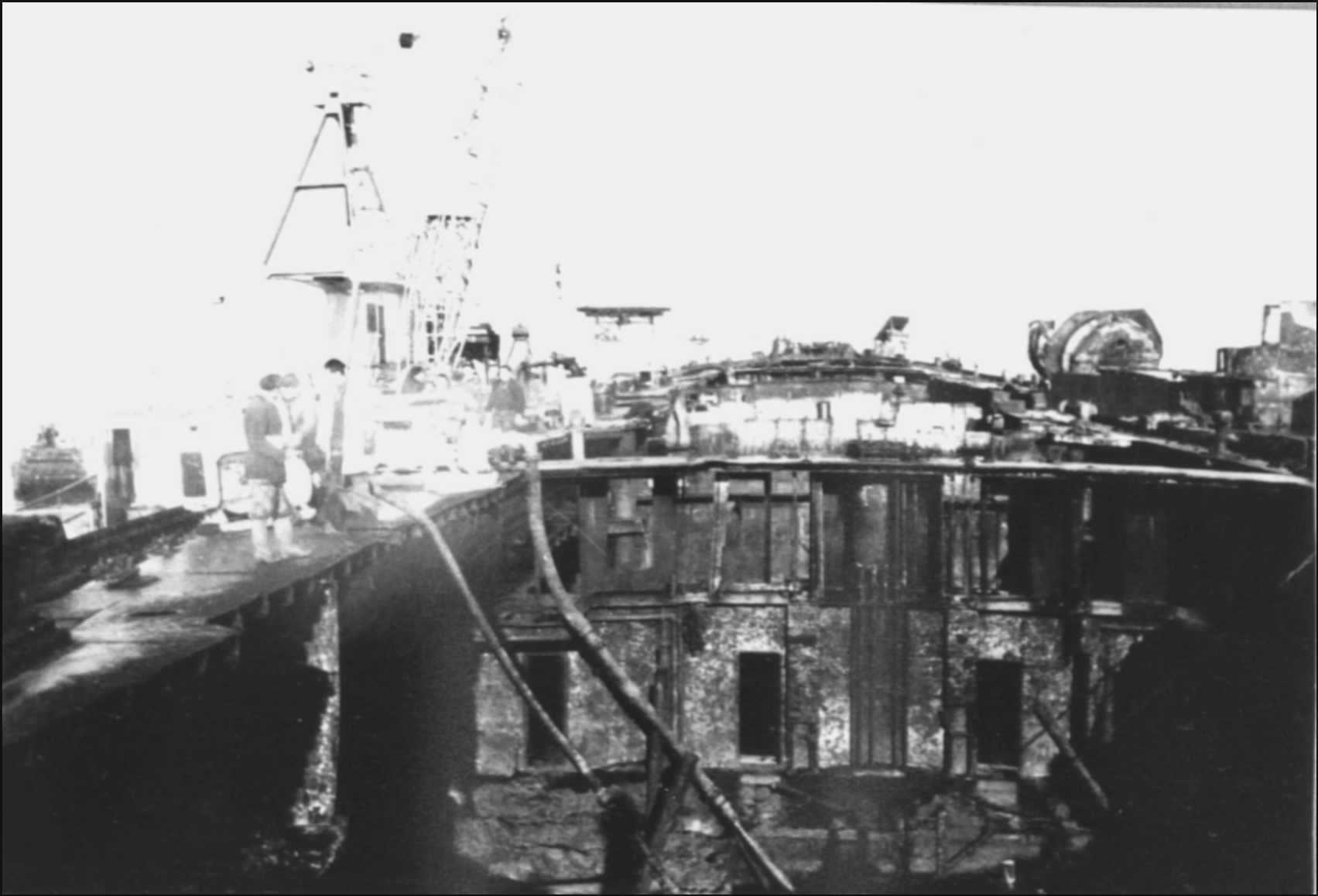
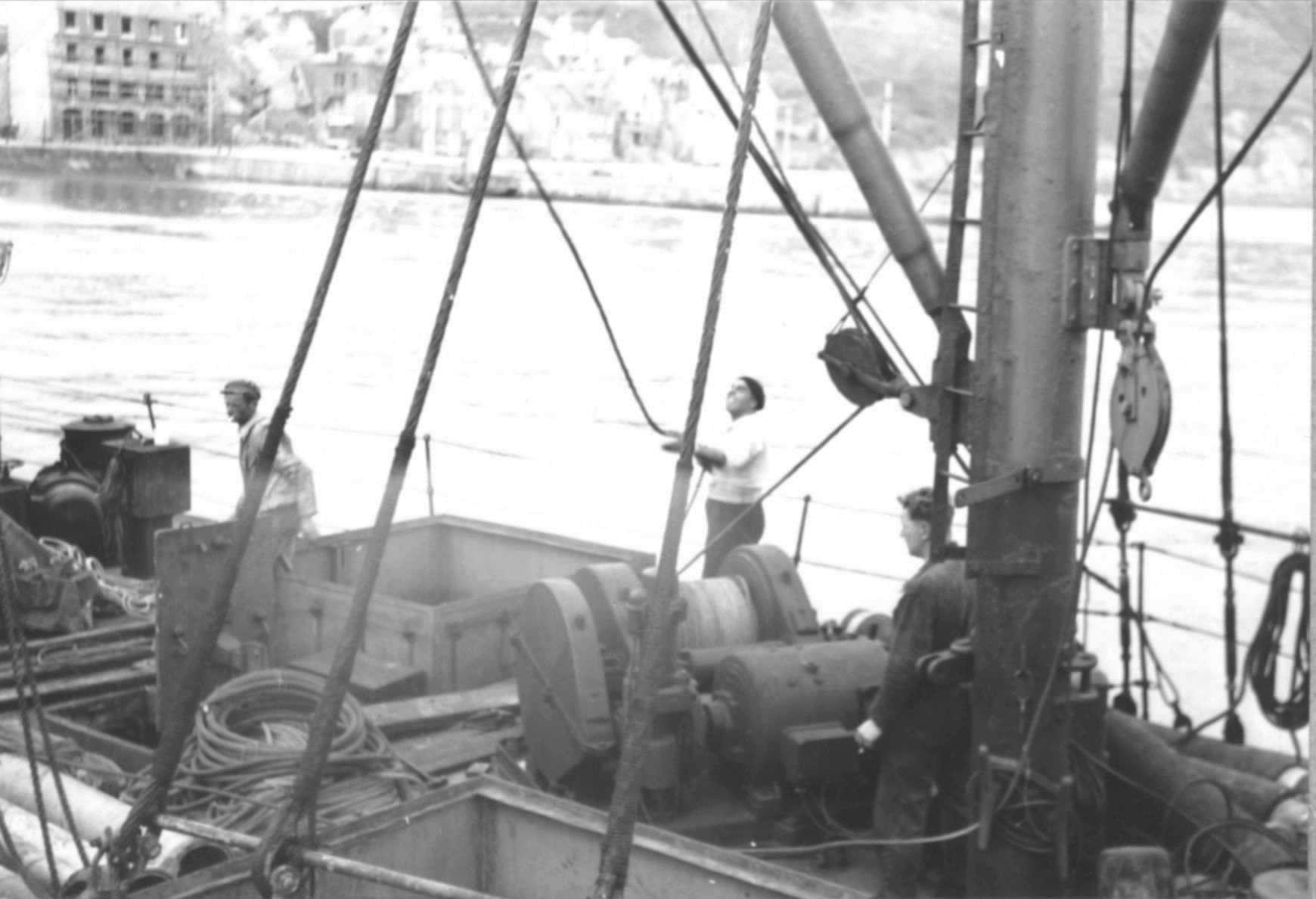
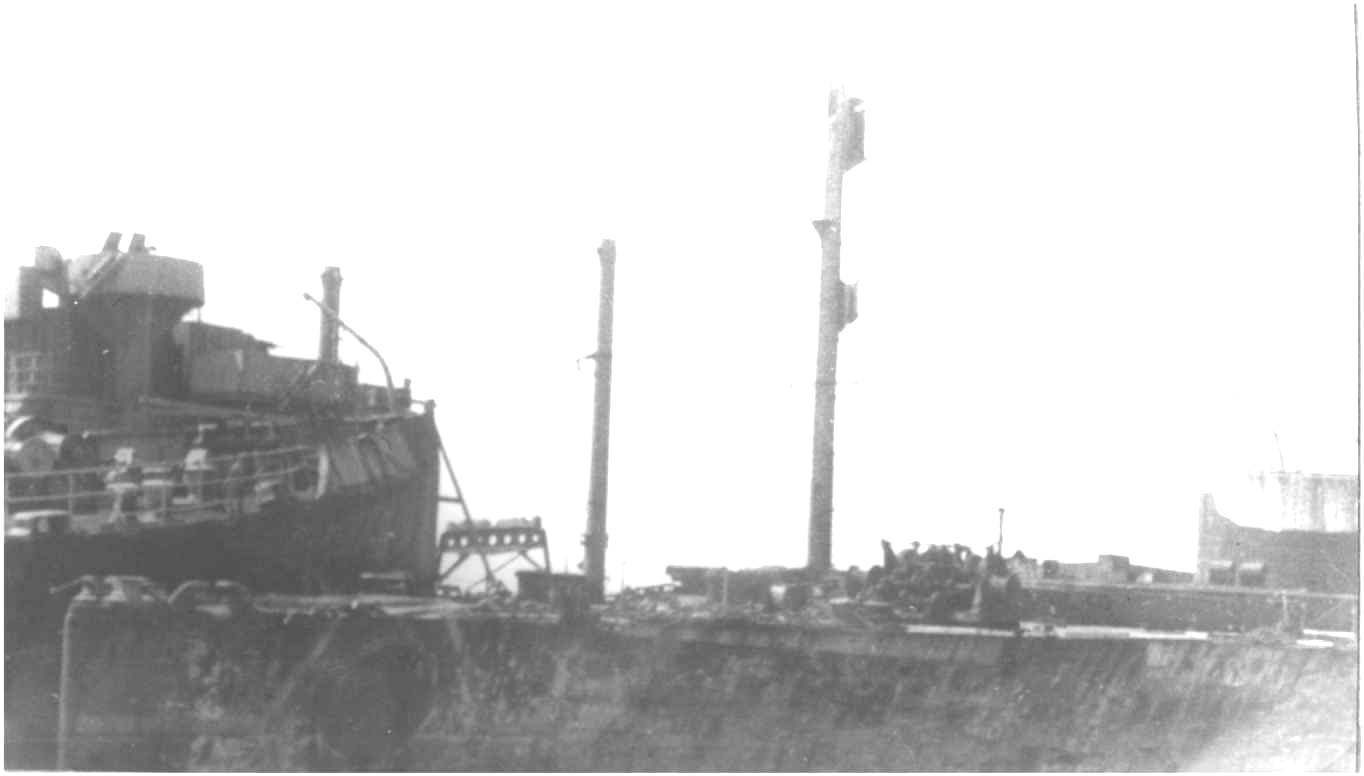
Many of the photos of the site were taken by Edmond Scelles who worked at Van Loo around 1950.
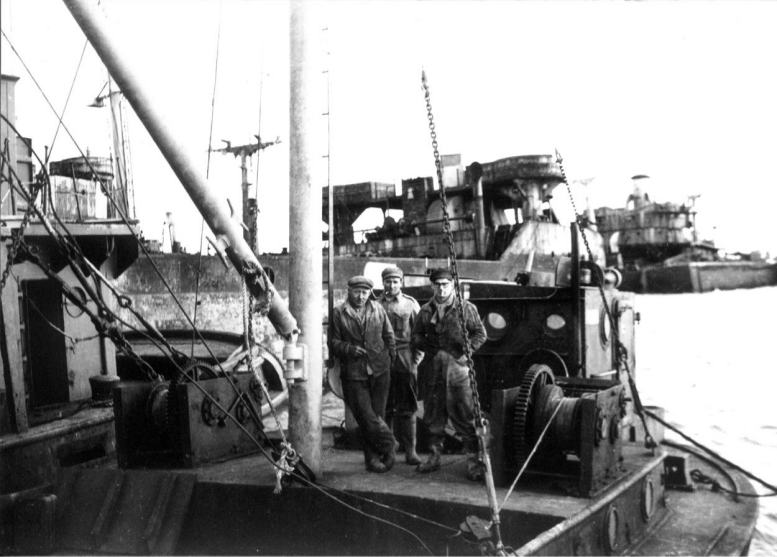
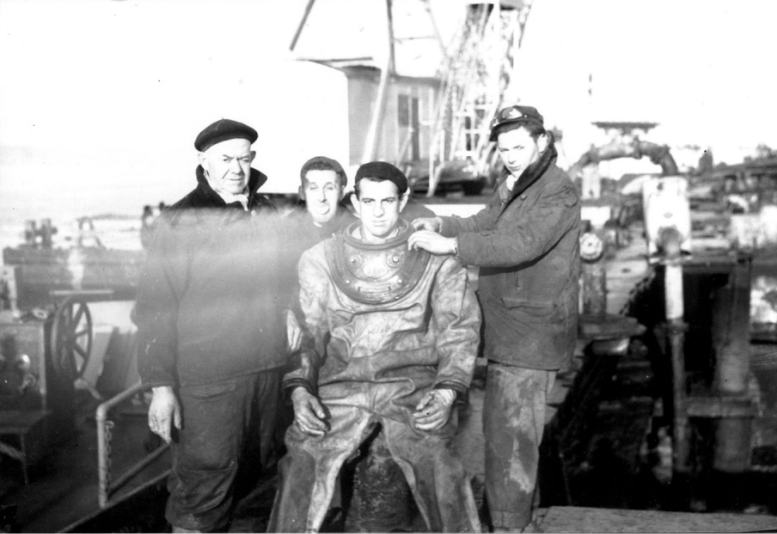
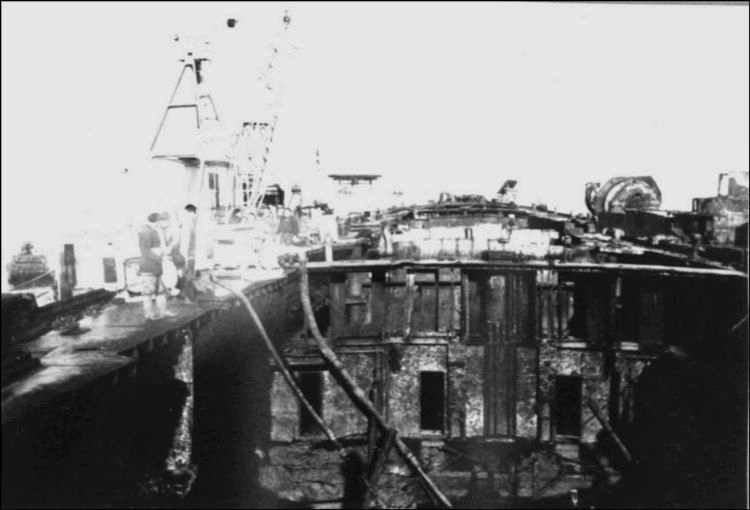
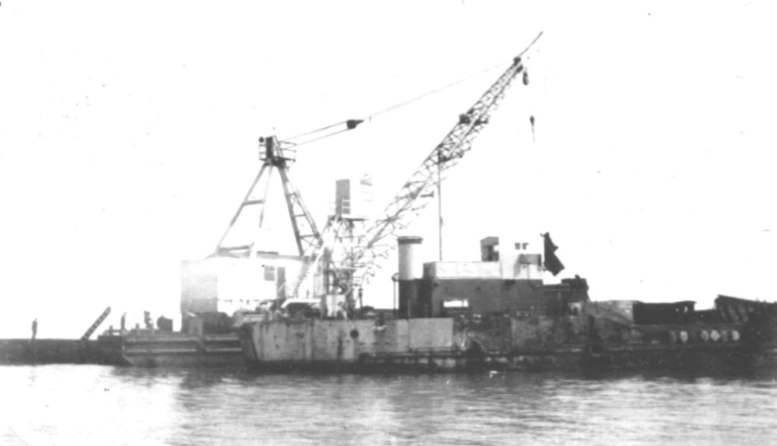

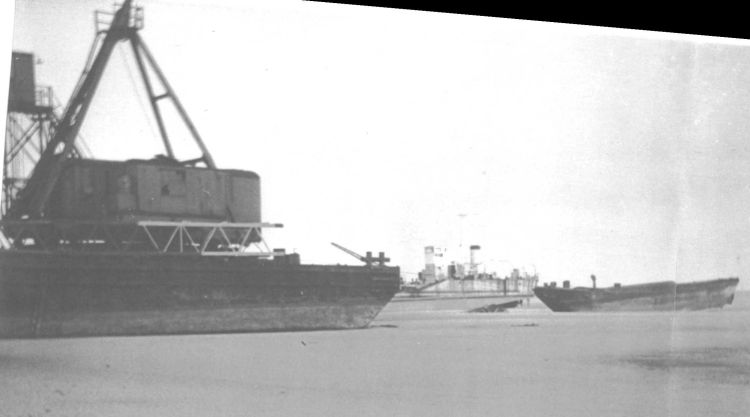
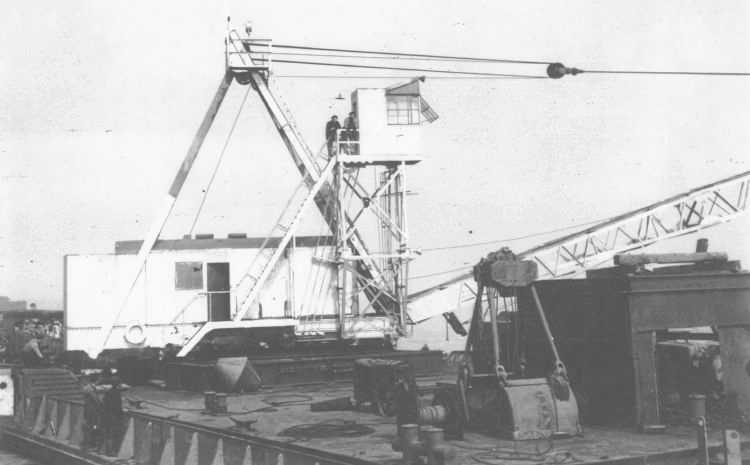
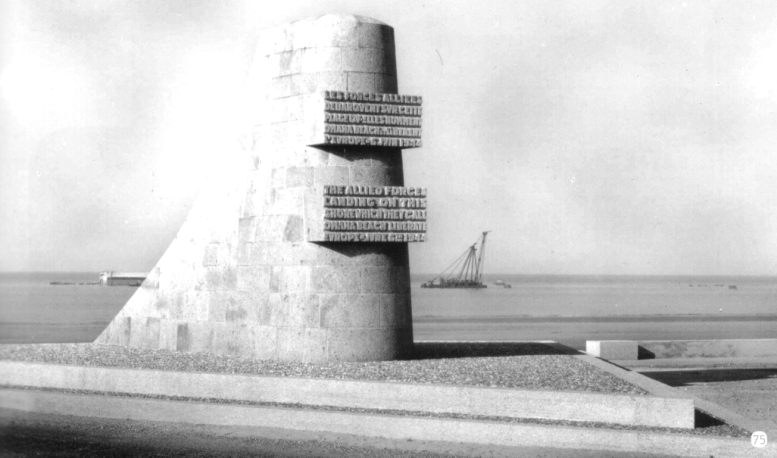
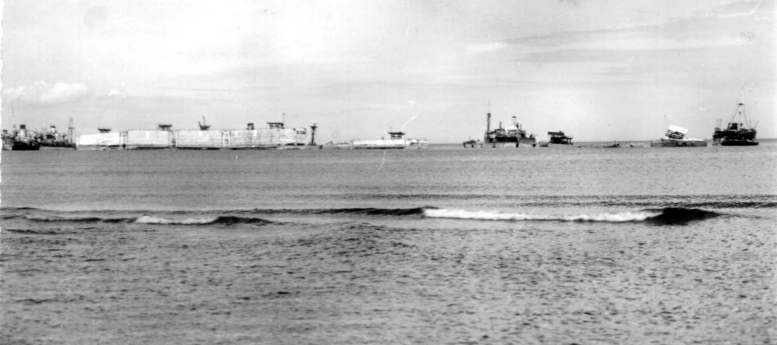
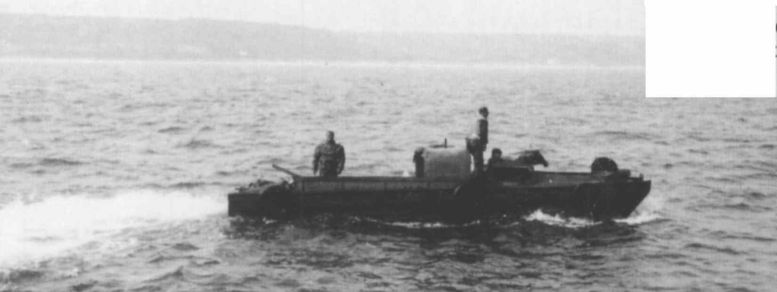

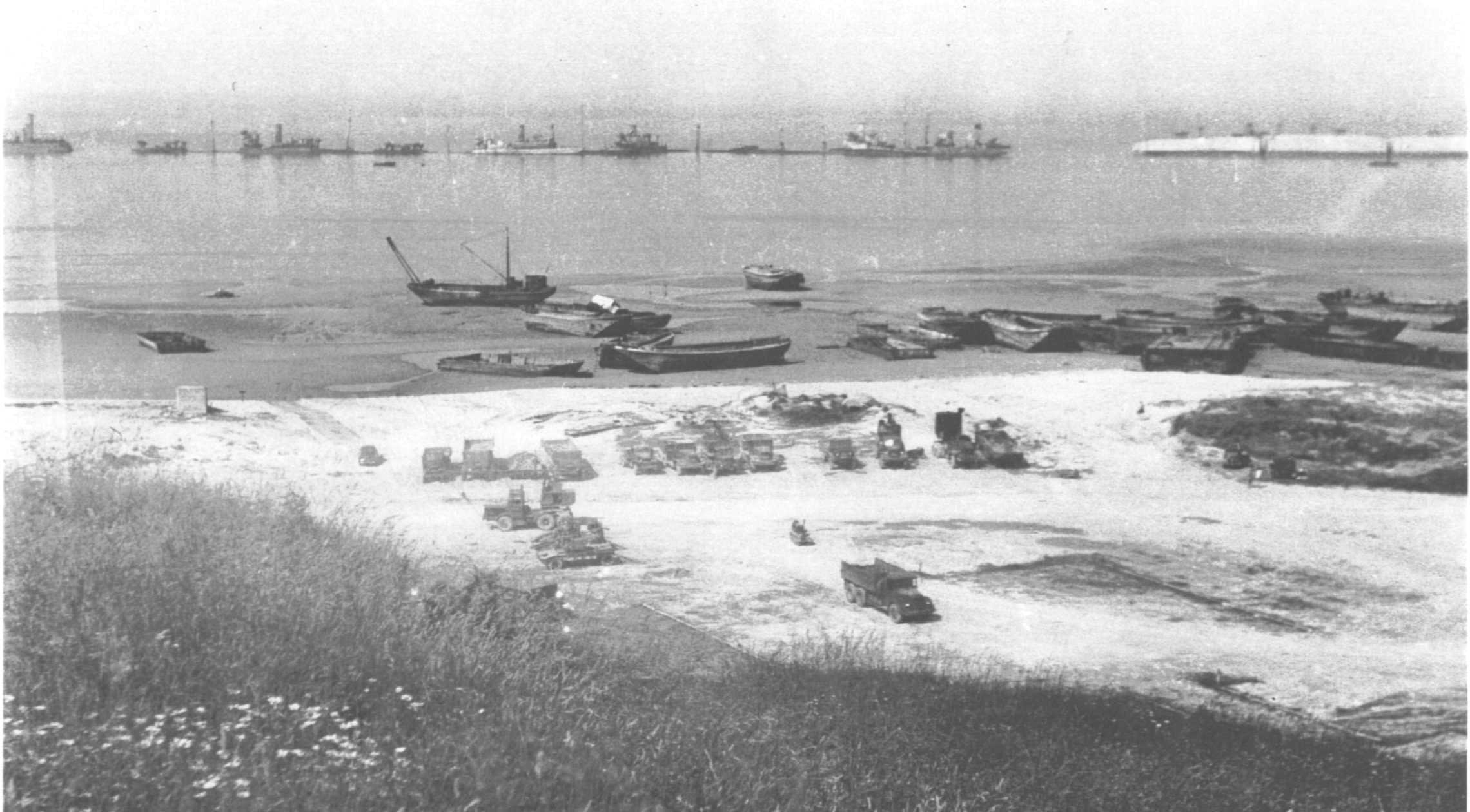
The demolition and removal of Omaha Beach's metal wreckage was entrusted to a shipping company, the Van Loo Company (belge), and then to Demota (de Courseulles), who sold them to scrap metal.
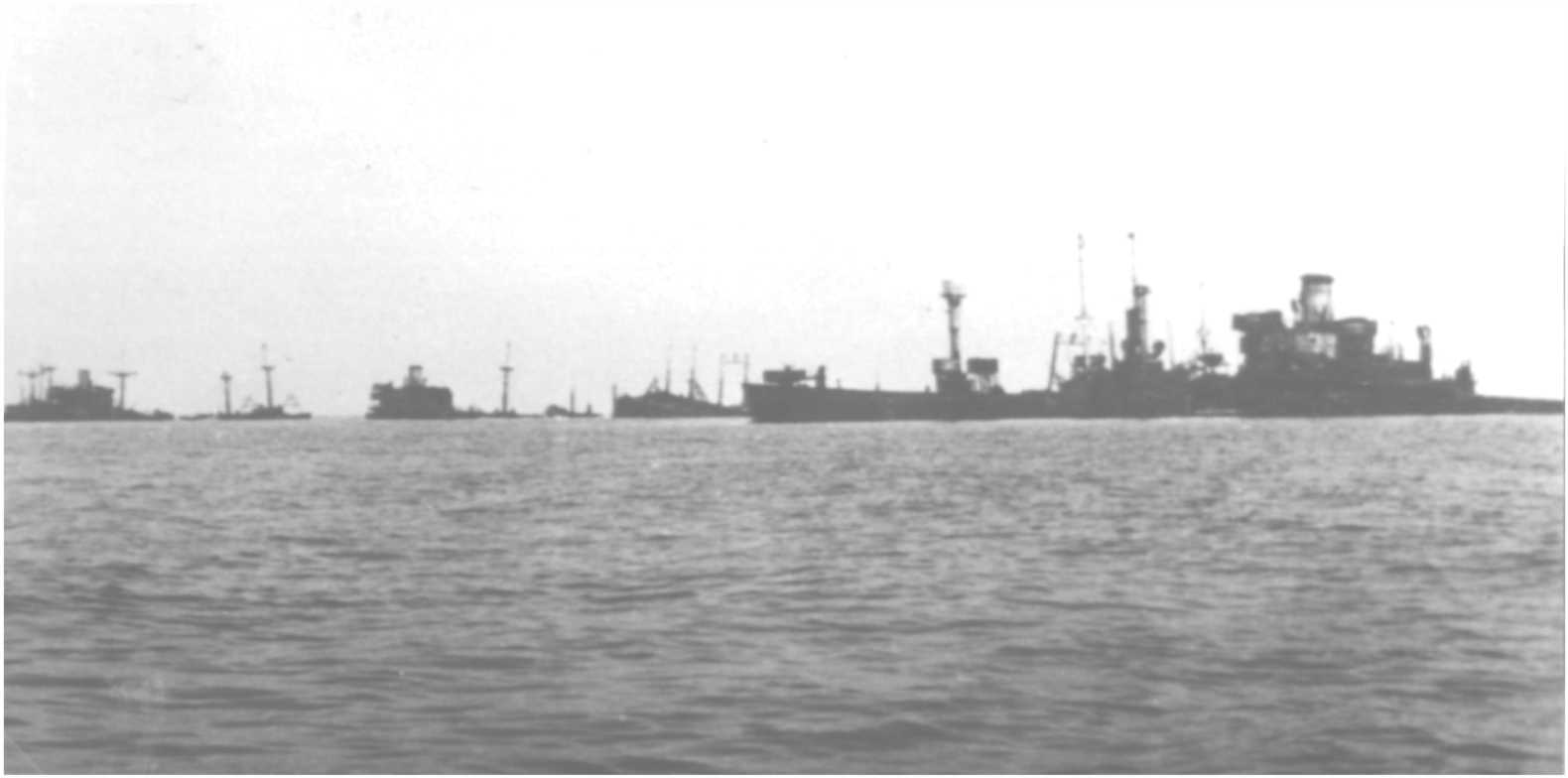
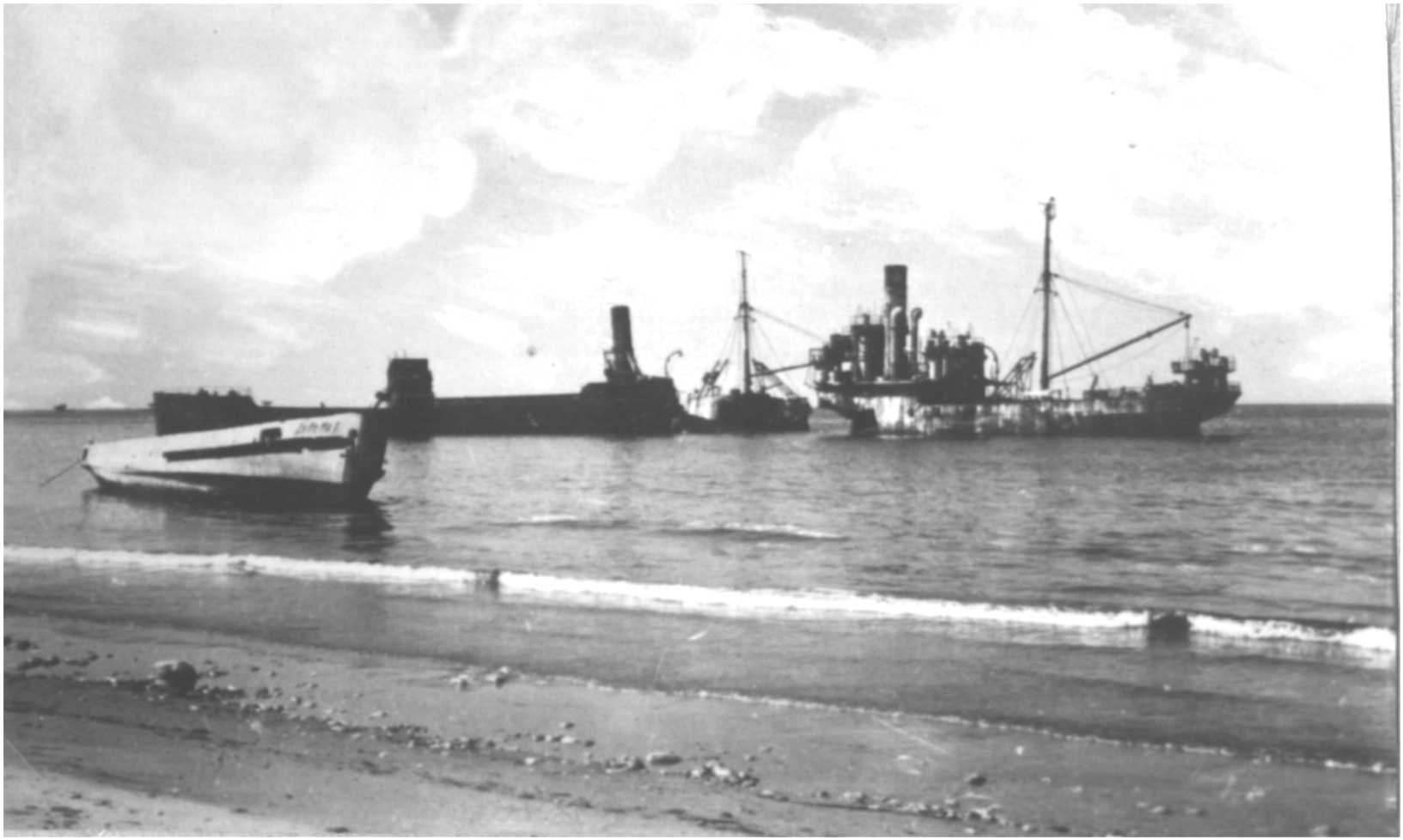
All the metal wrecks were ironed, including all the "corncob" cargo ships of the dam, the "Centurion" battleship, the wrecks of "Whale" and "Beetle" bridges, the wrecks of "Bombardons", the 2 stranded cargo ships on the beach, the LCI 91, the French YMS dredger stranded around 1947, the LCI 92 at Percée, and all the remains of LCT and LCM. Only shell bottoms have often remained on site, too difficult to dismantle and recover.
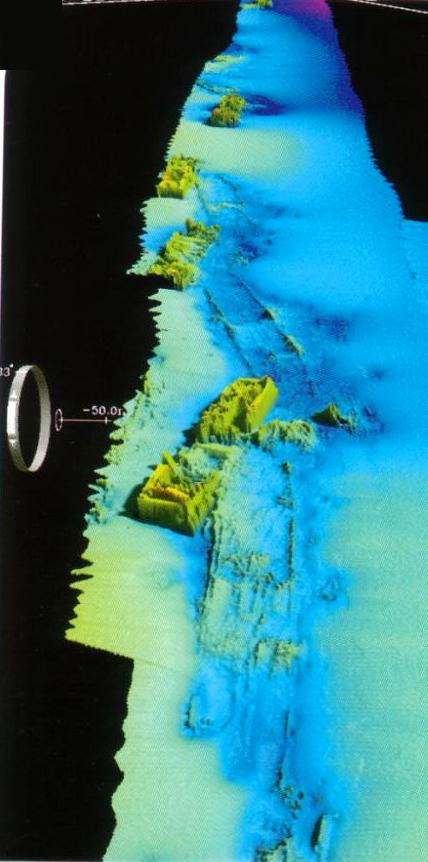
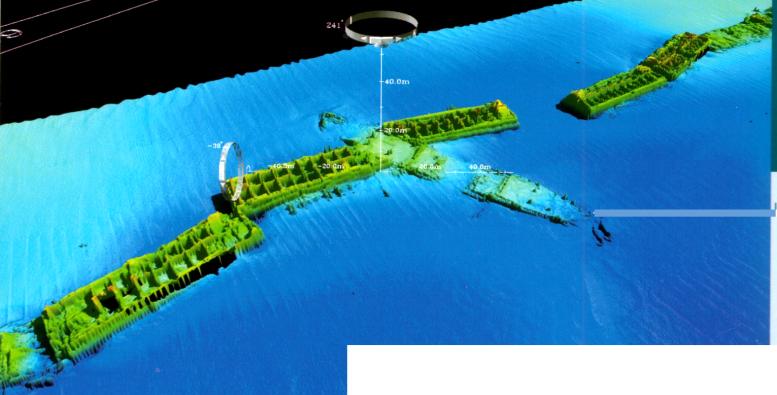
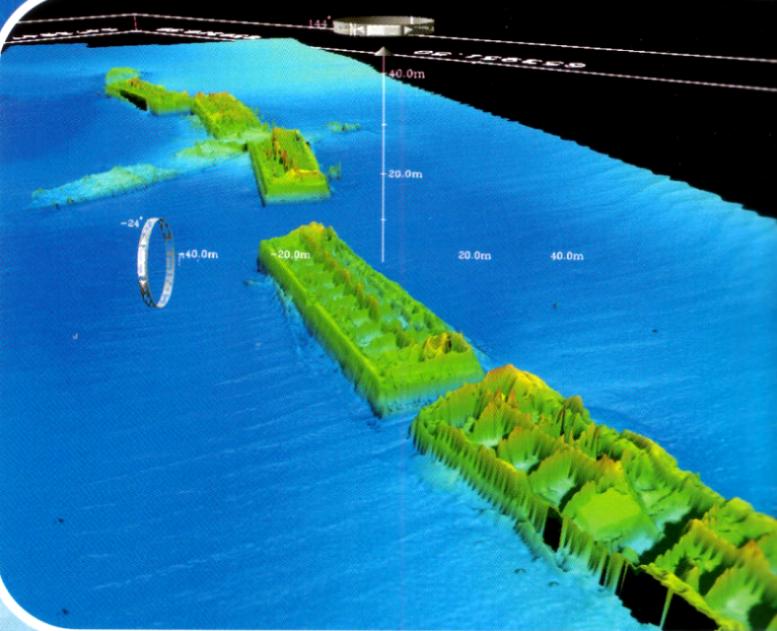
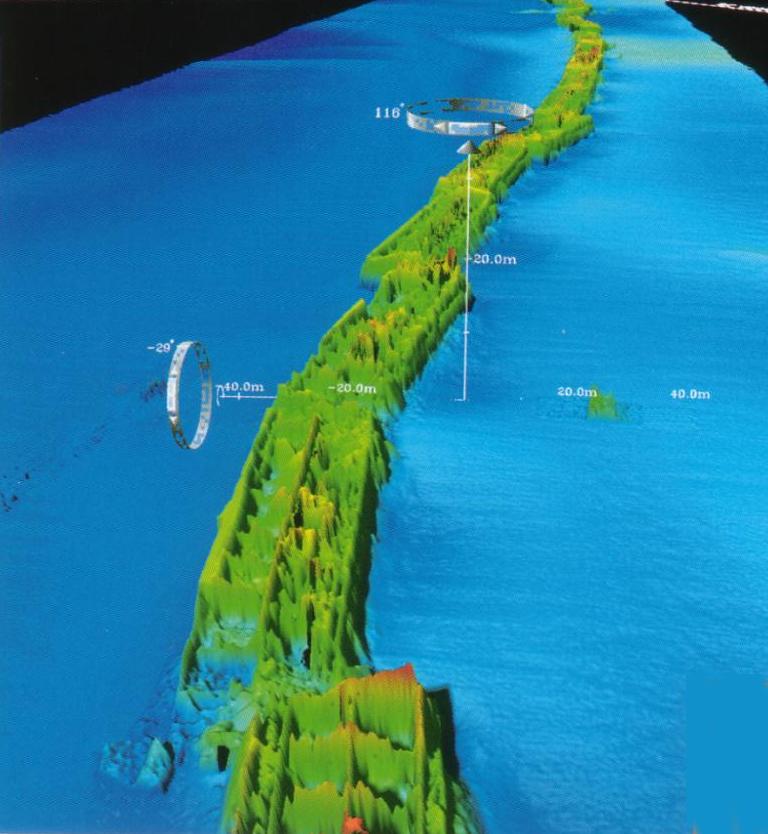
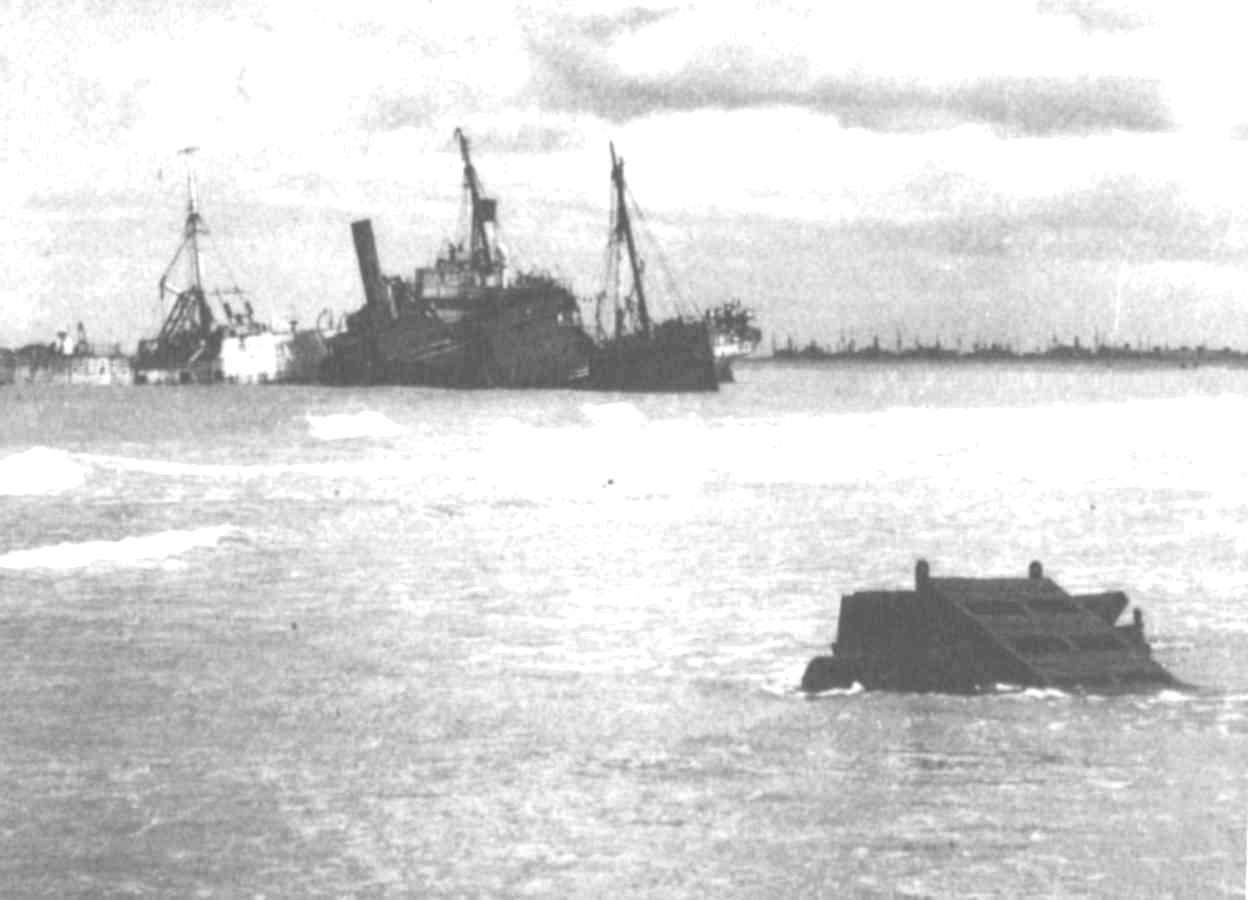
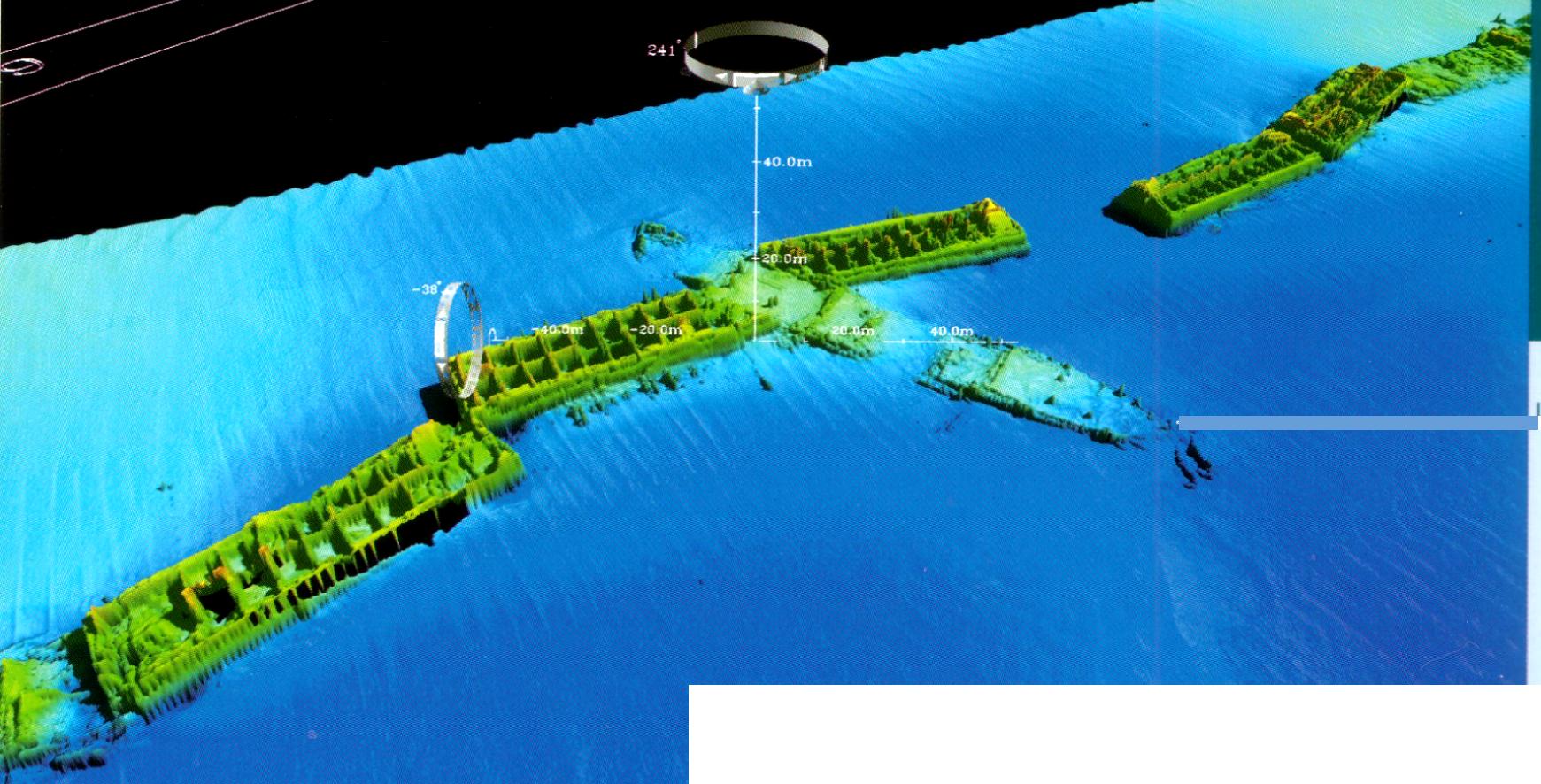
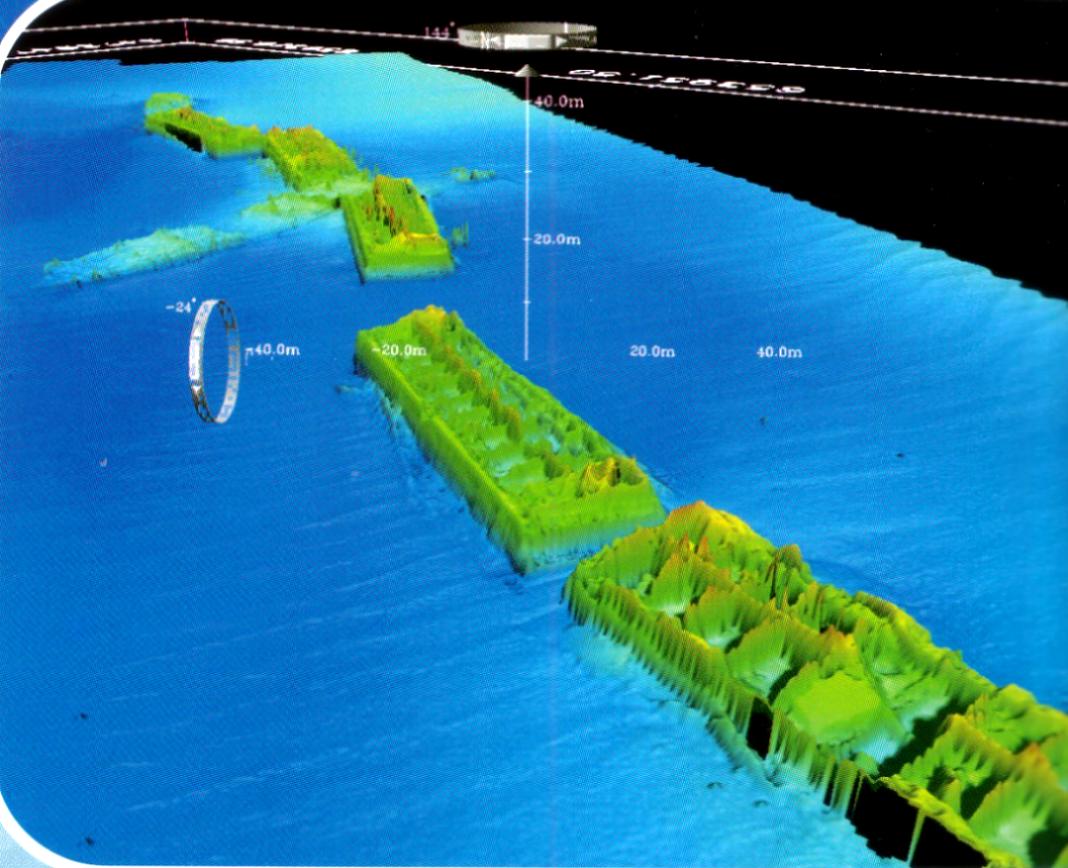
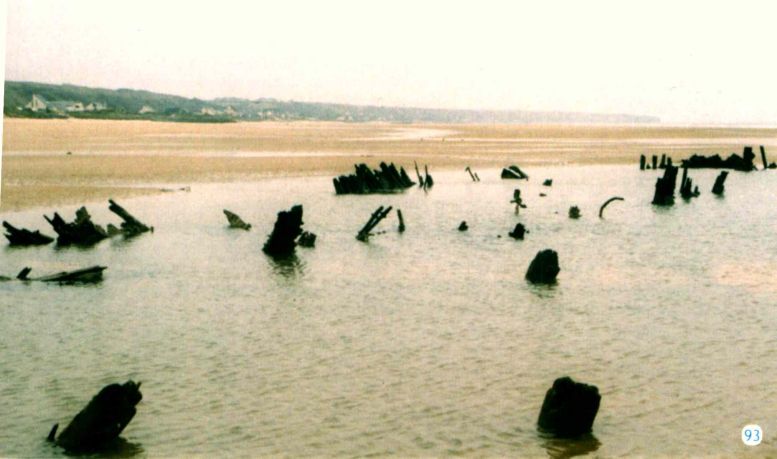
Phoenix reinforced concrete pontoons and some of the "Beetle" floats that were concrete remained on site and are often still visible, disbanding very slowly.
One of the Phoenix pontoons (one of the three that were near the "Centurion") was able to be recovered and reused elsewhere.
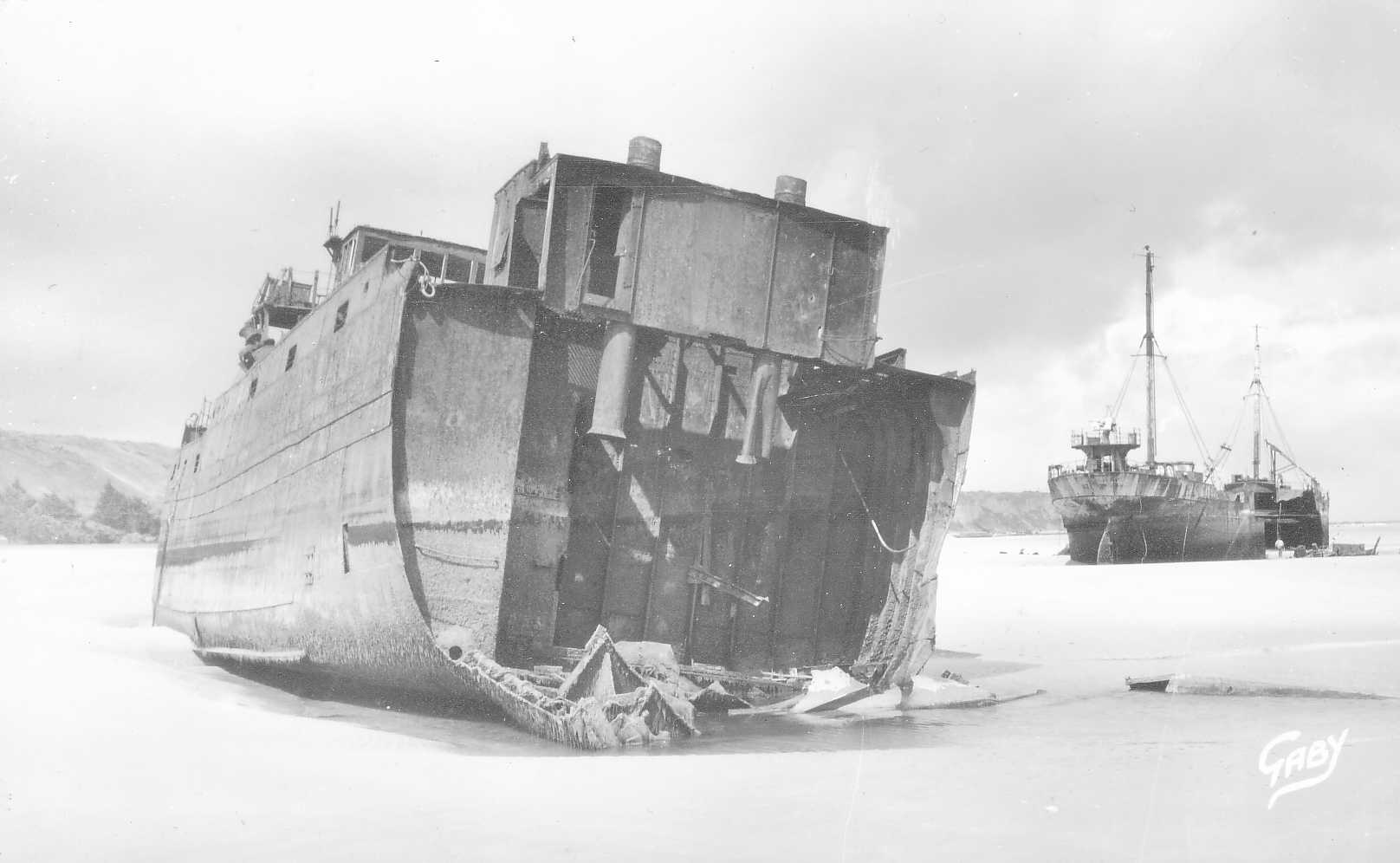
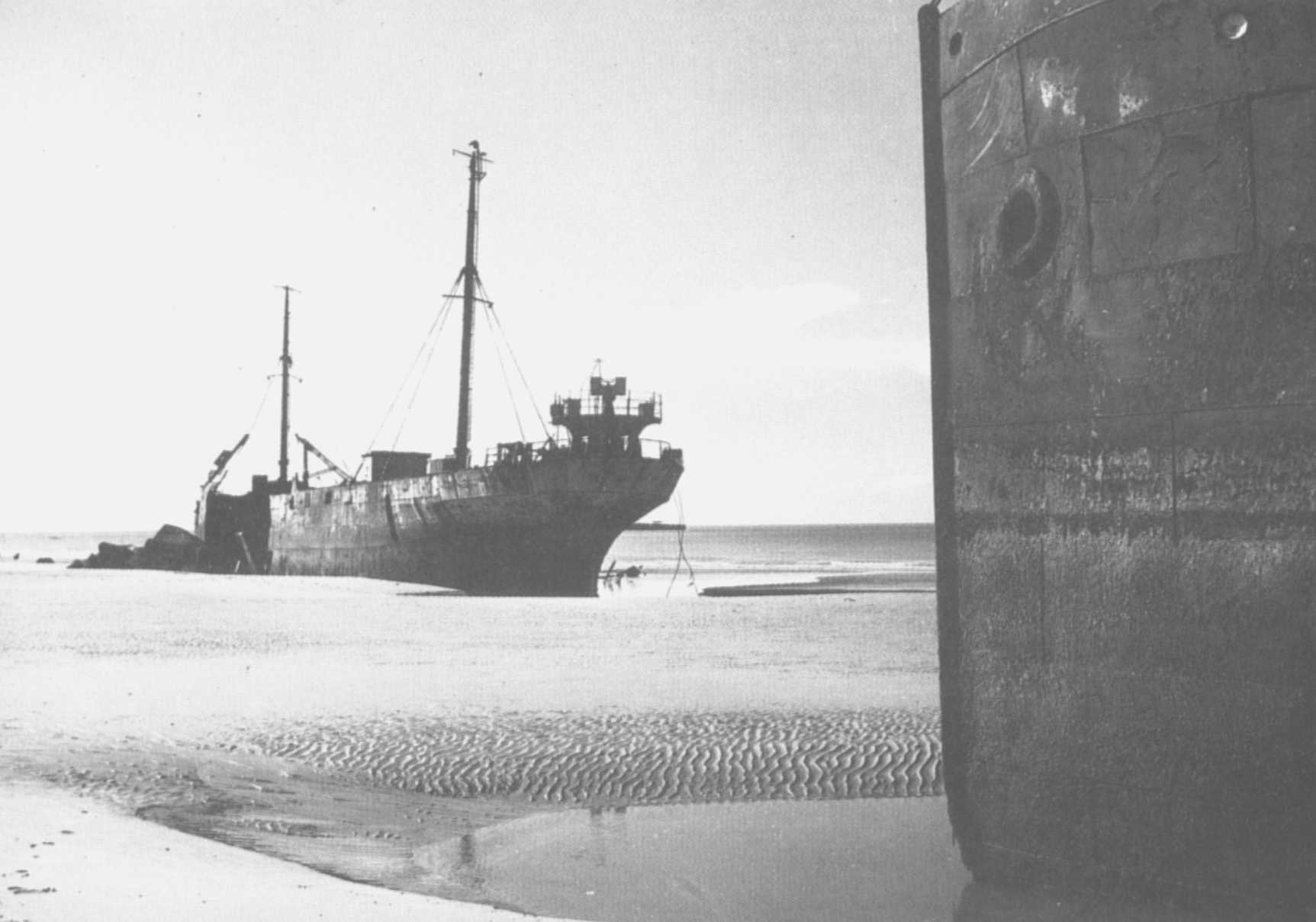
One of the cargo ships, the "Exford", was bailed out to be completely recovered but was in principle accidentally stranded (?) on unvisible Phoenix wrecks (one of those of the offshore Phoenix dyke destroyed by the storm of 19/22 June 1944). It was then ironed like the other cargo ships, and its shell bottom is still in place, across the Phoenix dyke.
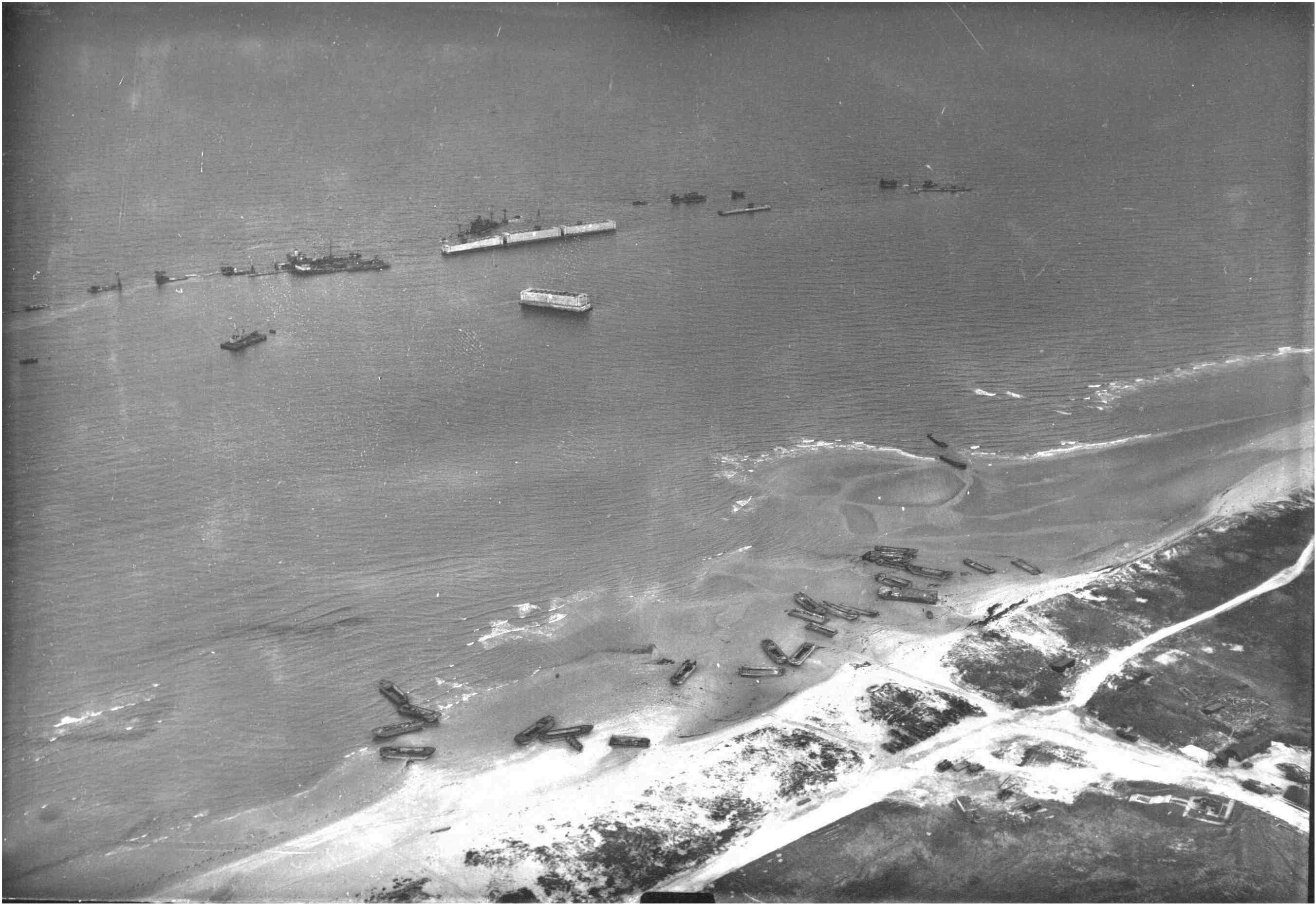
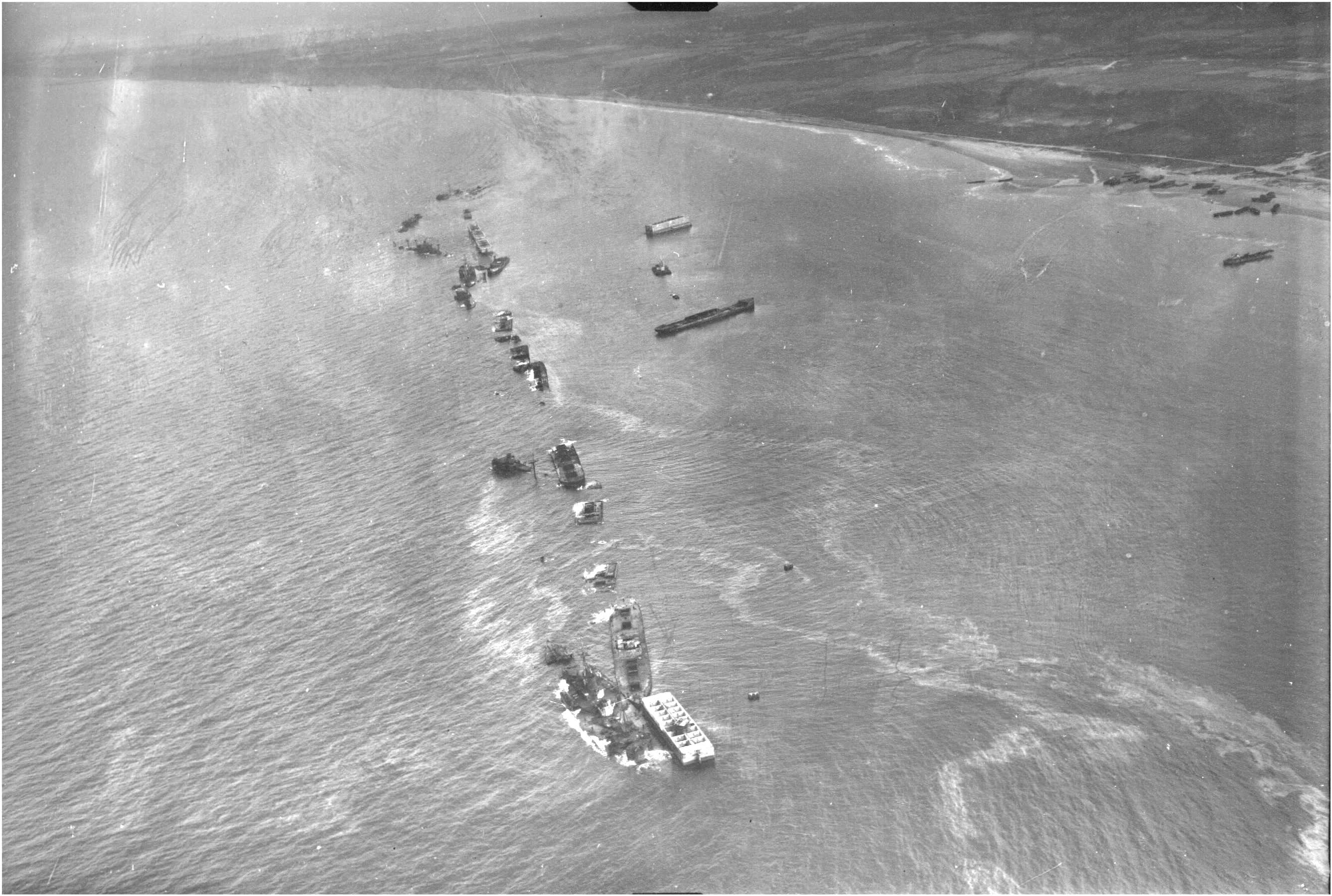
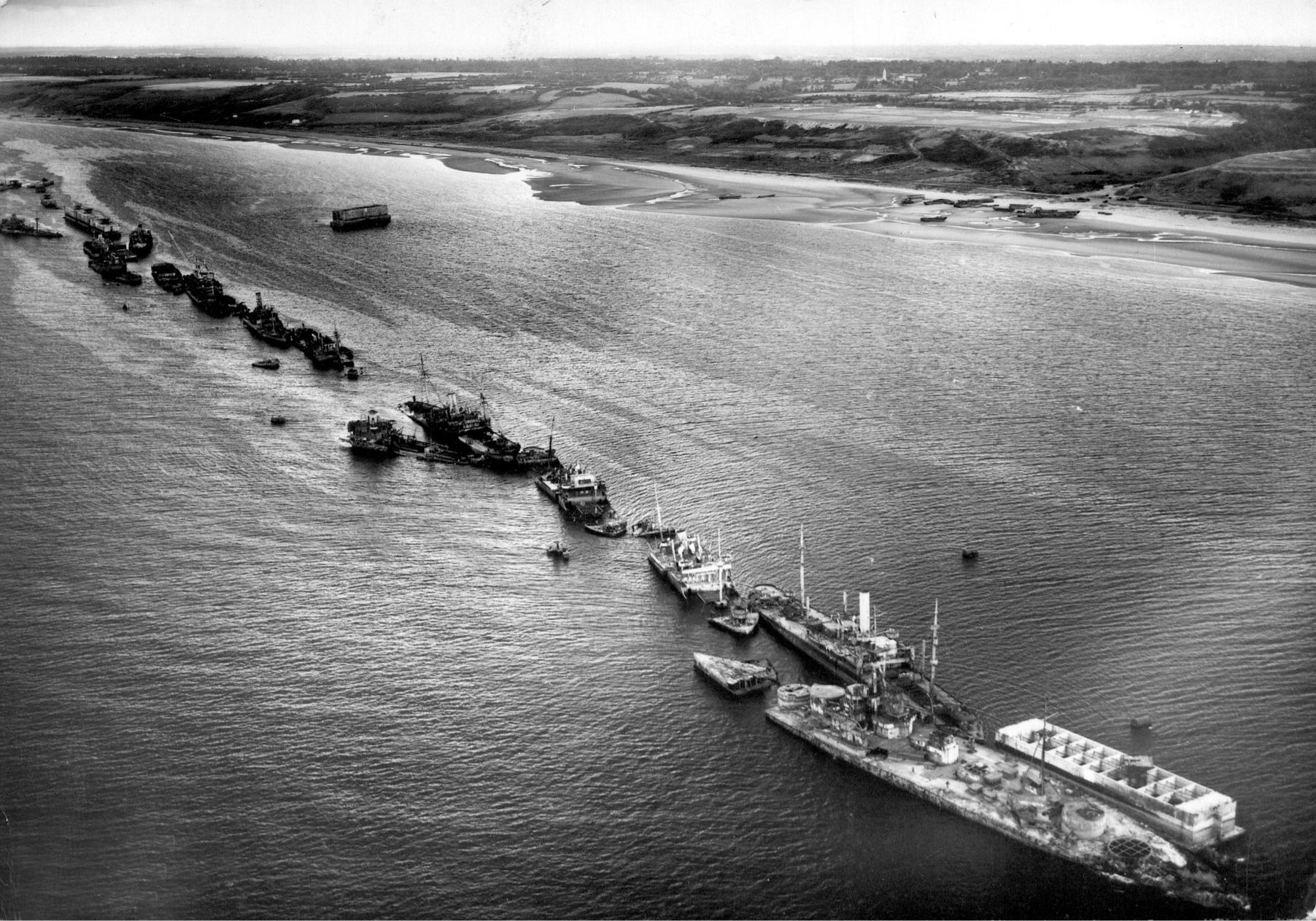
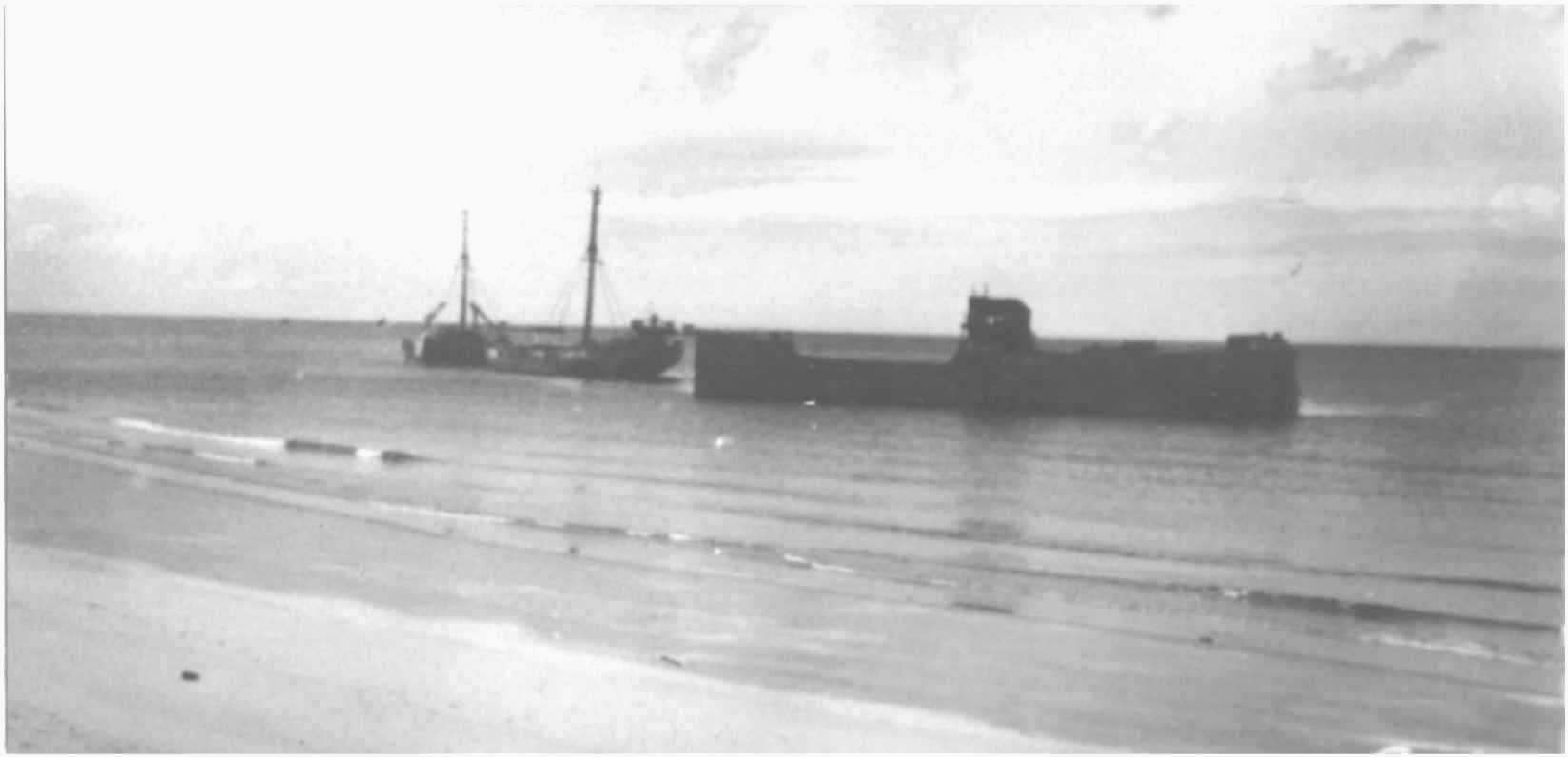
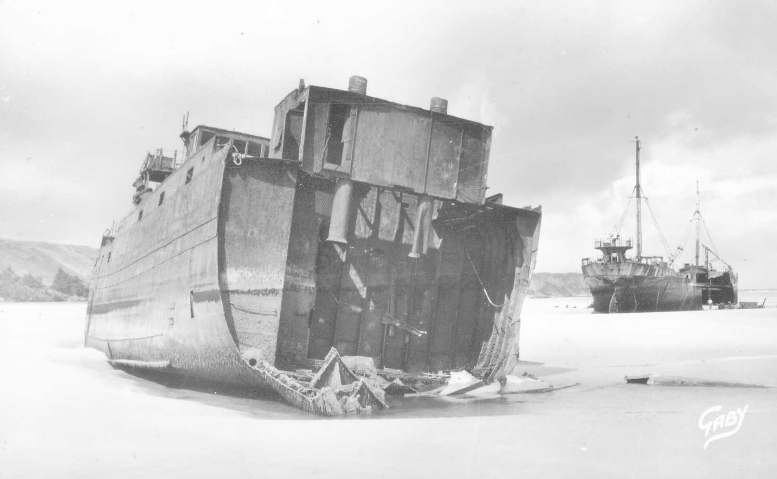
On the right, what remains of the "Phoenix" pontoon dyke stranded parallelly to the coast about 1200 m from the high seas line.The vessel across, the "Exford", a blockship bailed out by scrap pickers, was the victim of an error of appreciation by the pilot of the tug of the ferry company who had to bring him back to the beach to be cut or repaired, the two solutions being possible depending on the state.
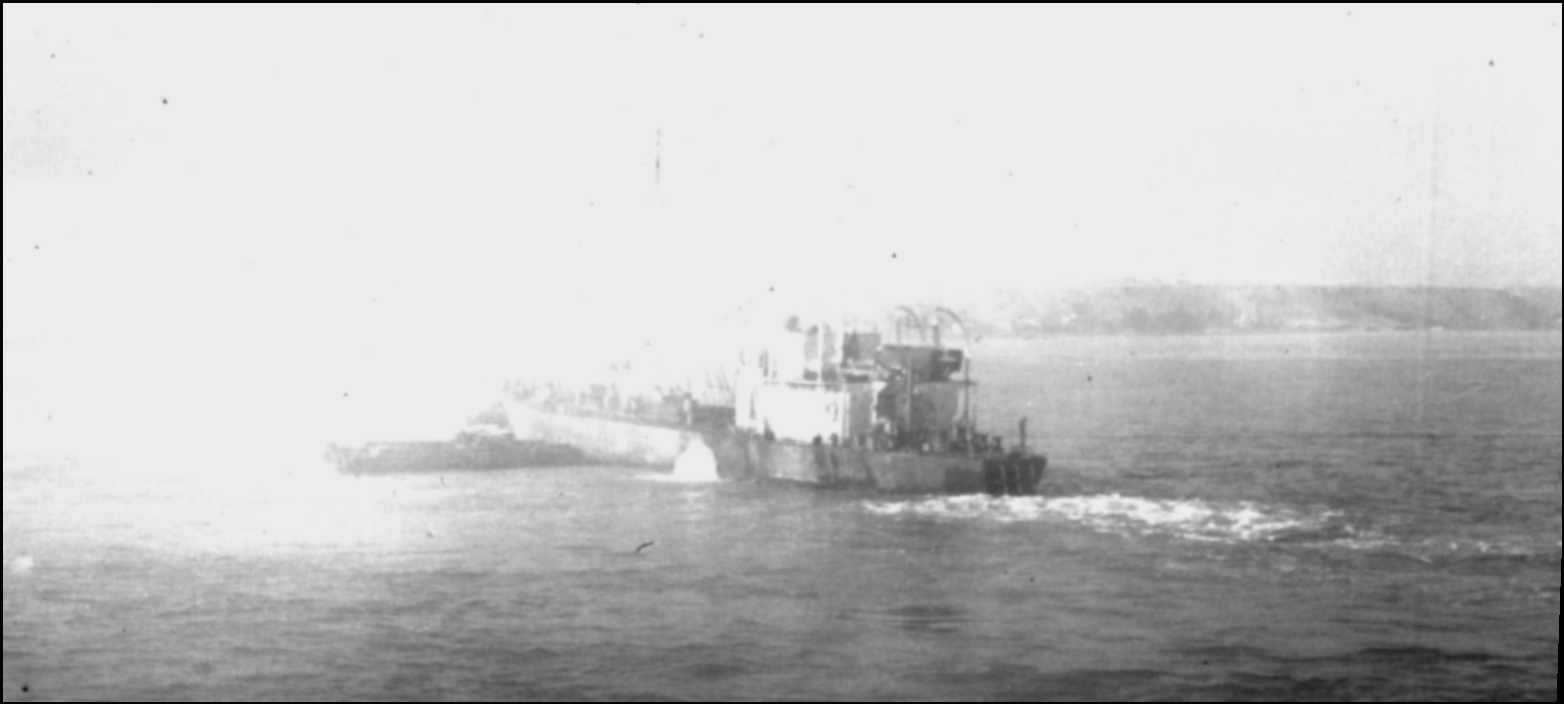
Indeed, this blockship after being summarily bailed, (scaphandriers plug holes into the hull by welding over the plates of the tâte, then pumping part of the water from the holds until it emerges), was towed to dry. Between the row of blockships and the beach, there was your row of pontoons to cross.
As these were partially destroyed, the pass to ['west of the CENTURION, was invisible at high tide. The pilot in charge of the operation had to be distracted because he made a mistake of a quarter of a mile to the west and if his tug with a low draught passed unabated, on the other hand the huge carcass he was tow came to fail on the invisible wall hidden by the high tide. Witnesses say that after breaking its mooring, the bow of the boat rose about ten meters before falling back and smashing across, on the pontoons. It had to be ironed on the spot and it is the bottom of the hull that appears today on these original images.
This boat, whose end was enlivened, was launched in 1919 under the name of "EXPRESS. " Affrected by American Export Lines, he participated under the name of "EXFORD " in the famous convoy PQ 17 which in July 1942 rejoined Iceland in Murmansk to refuel the Russian front; then in March 43 he was integrated into a new convoy the UG S6 which joined the USA in Gibraltar.
After a rich career, breathless, and in poor condition, the Admiralty decided to sacrifice him as a blockship at Omaha Beach. It was under number 384 that he was late scuttled on August 26, 1944 in front of St-Laurent sur Mer.
taken from the book "Itineraries by the bottom" published by "Caen Plongée" in 2004

These wrecks, by their great value, were the object of various lusts. Here is what the book "Epaves de la Baie de Seine, Itinerary 2" says:
The wrecks of Omaha ~ a political and economic issue from 1945 to 1952.
Or how do you build your museum when you're a post-war Gaullist?
"Terrean owner, editor-in-chief of the agricultural magazine Le Cri du Sol from 1936 to 1939, Raymond Triboulet entered the resistance movement CDLR (Ceux de la Résistance) from 1939 to 1944. During the allied landing, he quickly took the party of De Gaulle. Appointed Deputy Prefect of Bayeux upon the liberation of Bessin, he was elected MP for Calvados in 1946.
On 8 May 1947, a law declared the land portion of Port Winston (artificial port of Arromanches) "national site"; the remains of the port remained the property of the English.
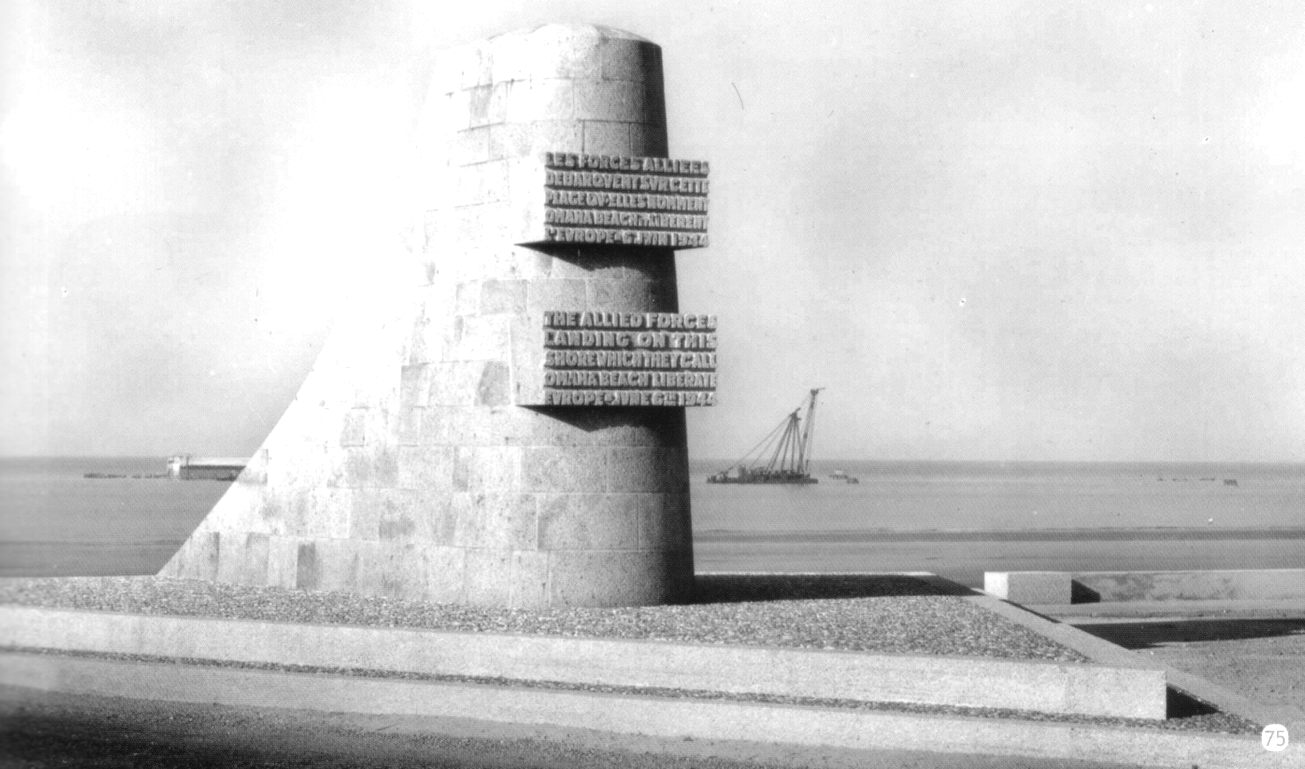
On 21 May 1947, a law passed by Parliament on the initiative of Raymond Triboulet concerned the construction of two museums relating to the memory of the landing, one in Arromanches and the other in Cherbourg.
After the October 1947 elections, Raymond Triboulet found himself in the opposition and lost his ministerial relays, and his museum project was slowed down. In fact, it just seems to fall into the oblivion of power.
Max Lejeune Socialist MP from 1948 to 1951 was also Secretary of State for the Armed Forces of the Blum government; he was the one who, one day in December 1948, signed a troubling exchange agreement calling into question Raymond Triboulet's project.
This agreement, signed on 24 December 1948 between a metal dealer and scrapman from Antwerp and France, notified the official exchange of the Omaha wrecks against 735 Sherman M4 A4 tanks and 2,000 tons of various weapons and spare parts. (it would be curious to read this Convention in extenso and to know whether it has been ratified, it seems unlikely)
Since its signature and despite rumours, this convention has remained taboo and does not fit into the official history of wrecks. (There is no "official" story, the following is a second hand and probably verbal testimony from Raymond Triboulet to the authors)
Indeed, in their "Histoire d'Arromanches", volume 2 from 1850 to 1960, published in July 2003, Hervé and Pascal Baptiste, report the testimony of Raymond Triboulet, founder of the Disembarkation Committee.
According to this testimony, the U.S. government freed itself on December 23, 1946, the wrecks of Omaha to the Landing Committee. This donation is clearly facilitated by the prestige Raymond Triboulet acquired from a few American officers. (This assignment by the Americans, which probably exists, even if we do not have the contract, should concern only the American ports of Omaha and Utah, and perhaps only that of Omaha. What is said in Vierville, also indirect but likely testimony, is that the Americans would have donated scrap metal "to the local populations" so that they could have public vents of running water installed. This interpretation leads the so-called populations to consider that Raymond Triboulet, through his political influence, managed to have the funds allocated to the Committee of Disembarkation, which used them to build the only museum of Arromanches and the memorial monument of the entrance to Bayeux, where his effigy and that of General De Gaulle appear. As for the distribution of water, the municipalities of Omaha Beach had to borrow to make them...
Around 1950, the Disembarkation Committee decided to sell these wrecks, and according to the authors, this "sale" frees up the sum of 180 million francs (currently 4 million euros) which will be paid out of the budget of the Ministry of National Education. The money is officially set aside in anticipation of the construction of a museum in Arromanches on the D‐DAY theme with the support of some British private companies. The government crisis of 1951 enabled the Normand to regain the attentive ears of the power which could finally create its dear museum. In 1952, this museum opened in 1954, the success of which has never been denied, brought the fortune of the Disembarkation Committee to life.
Whatever Raymond Triboulet said, the wrecks according to the agreement signed by Max Lejeune were still the property of the state in 1948. How could he dispose of it in 1950 when they had been exchanged two years before for weapons, and some had already been ironed in 1947 (I suppose the 1948 exchange for military equipment did not materialize, and the 1946 donation by the Americans could then be valued by a sale to Van Loo)
In these sources, which report the only official version of Raymond Triboulet, we don't know how this "sale" was carried out, either over the counter or at auction? The buyer is never quoted."
........ (It was Victor Van Loo's Belgian company that worked from 1949 to 1958 on the wrecks of Omaha Beach)
The largest vessel of the Omaha Gooseberry is the 23,000-ton HMS Centurion battleship owned by the Royal Navy.
It seems very doubtful that this boat was part of the American transfer to the Landing Committee in 1946. This likely absence of the lot devalues the potential of metals to be recovered although this vessel no longer has its artillery. (In fact, the Centurion was indeed ironed by Van Loo, I am sure - testimony of Edmond Scelles who worked at Van Loo for several years)
Two other English cargo ships are in the same case: the Maycrest and the Stanwell requisitioned by the MOWT (Minister Of War) 29 June 1944. (They were also ironed by Van Loo, the British property does not seem to have bothered either the sales negotiators or Van Loo)
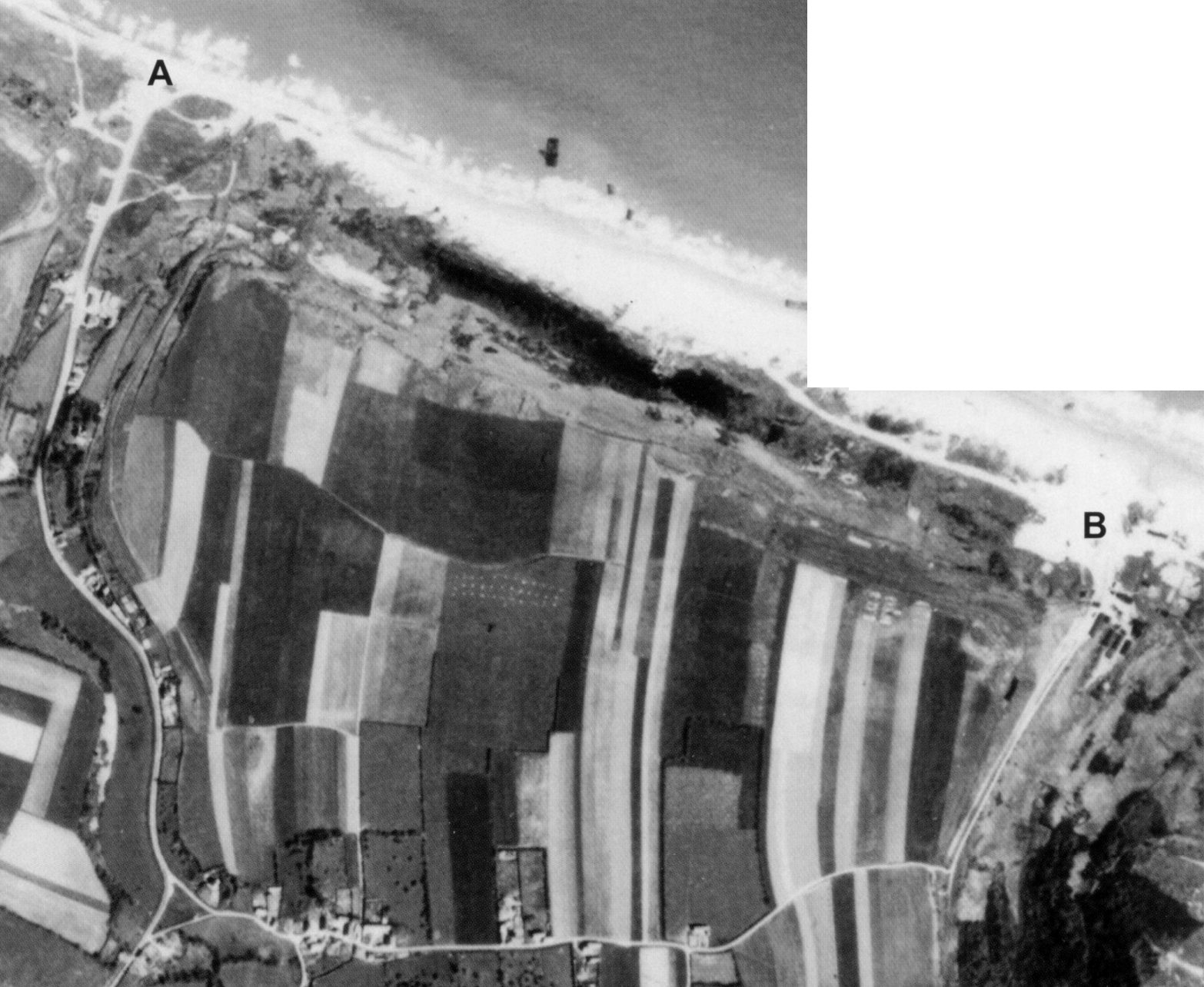
In the 1947 IGN photos of Omaha beaches, one year before the transfer to the Van Loo Society, there are already a few ships missing, including two Panamanian ships, the Flight Command and the Audacious.
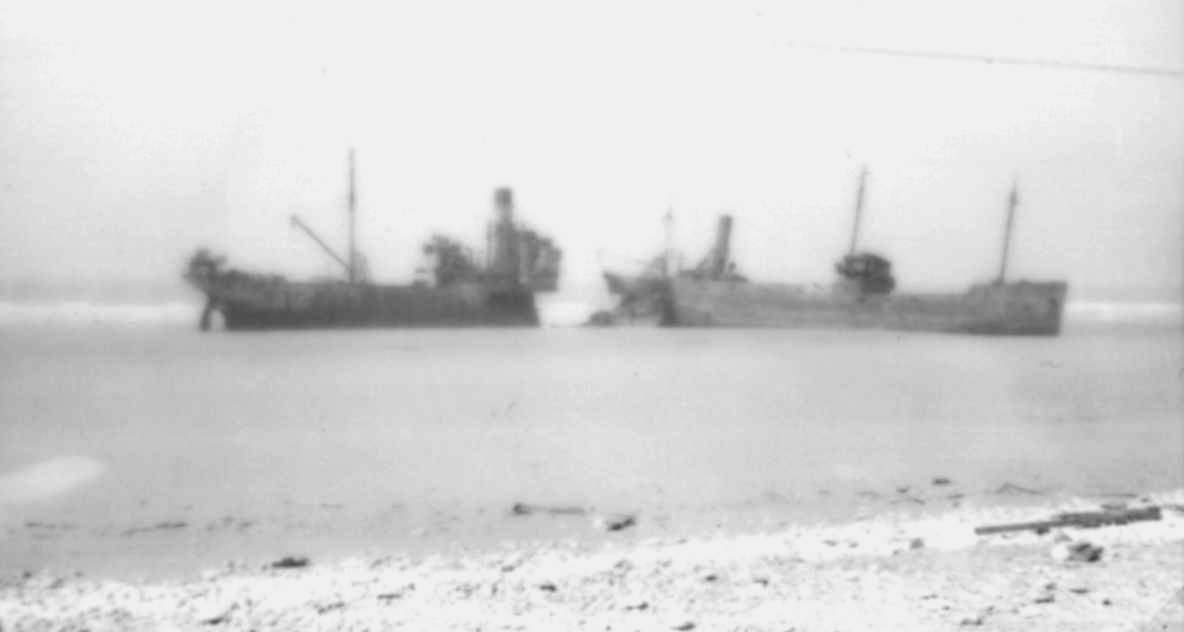
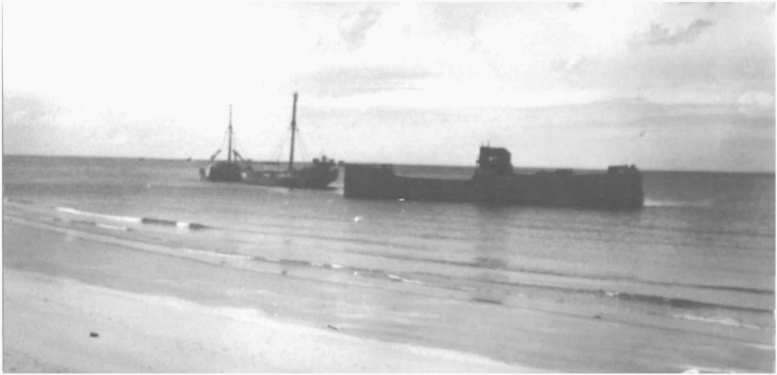
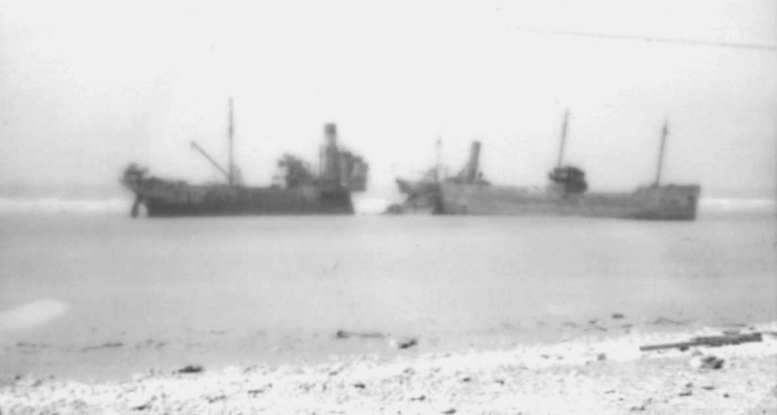
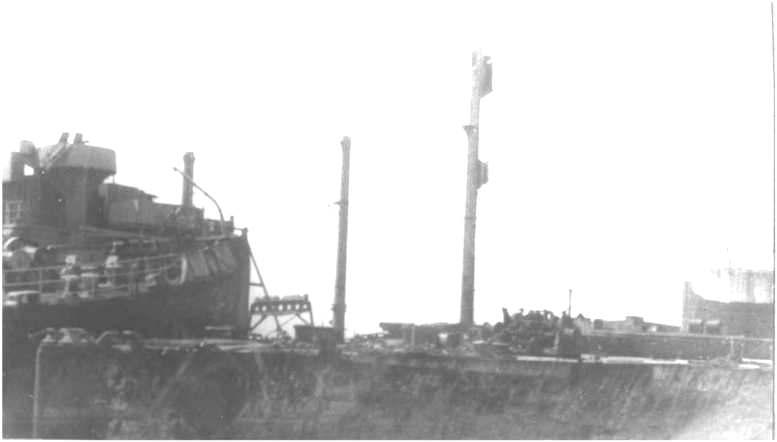
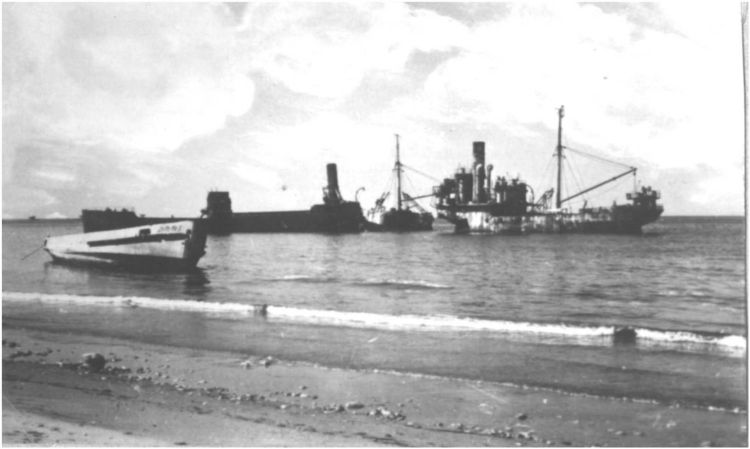
In addition, numerous photographs and postcards dated 1947 show 2 unidentified ships, stranded near the Moulins beach, one of which is being demolished. The presence of these two cargo ships remains enigmatic.
Who has already bailed out and ironed these ships before the famous 1948 exchange? One more mystery."
(I can testify that the 2 stranded coasters on the beach were on Omaha Beach from the start of the Americans in December 44, in their position in IGN's 1947 photo, and that they were not demolished until the 1950s, which was done by Van Loo, I visited them almost every year in those years. The postcards showing these ships being demolished can only be dated after 1949.
These vessels were small and could not be confused with the two "disappeared" Panamanians. Their disappearance could then date back to 1944, as there were no fences between 1945 and 1948. But these highly exposed vessels were to be unrecoverable by bailout, and the Americans were not concerned about recovering scrap in 1944. So there is a possibility that these invisible ships in the 1947 photo were simply already dismantled by the storms, Van Loo would then have fenced their remains to the keel as for all others)

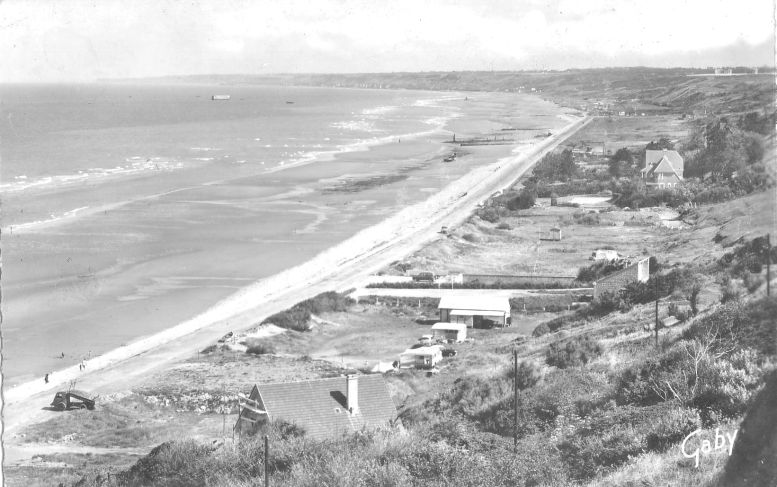
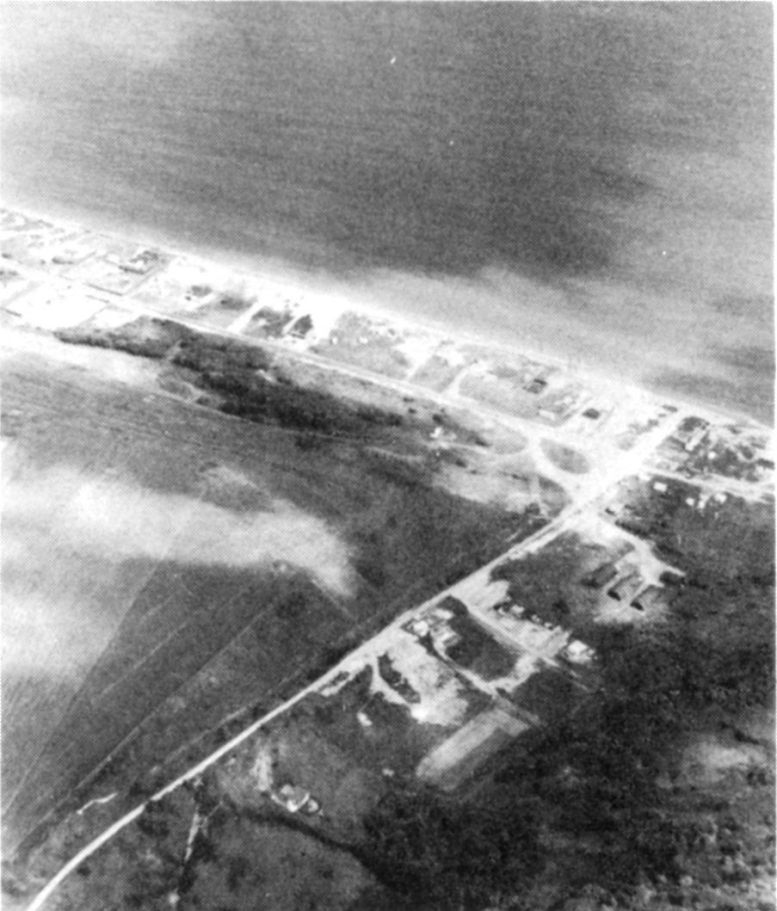


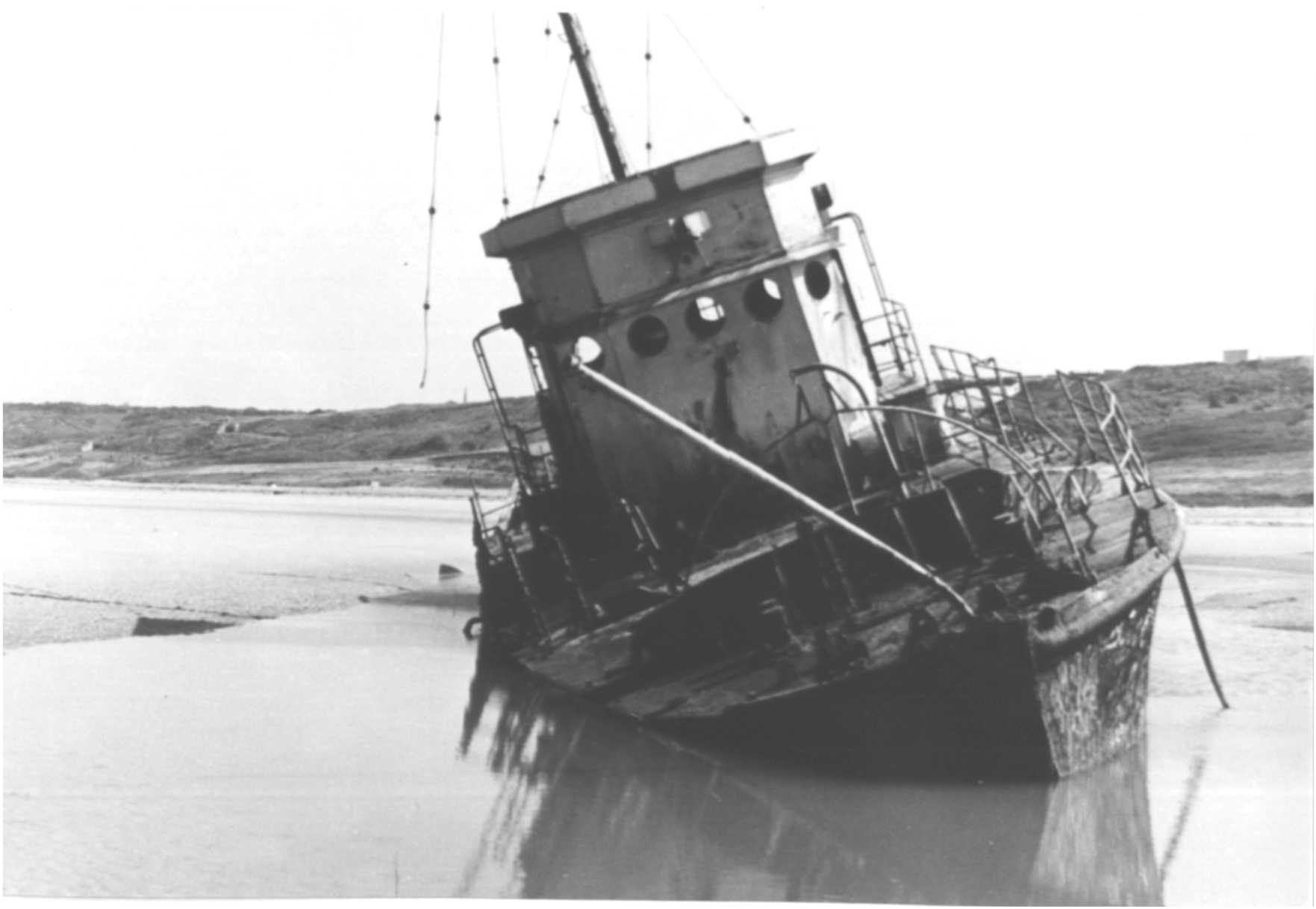
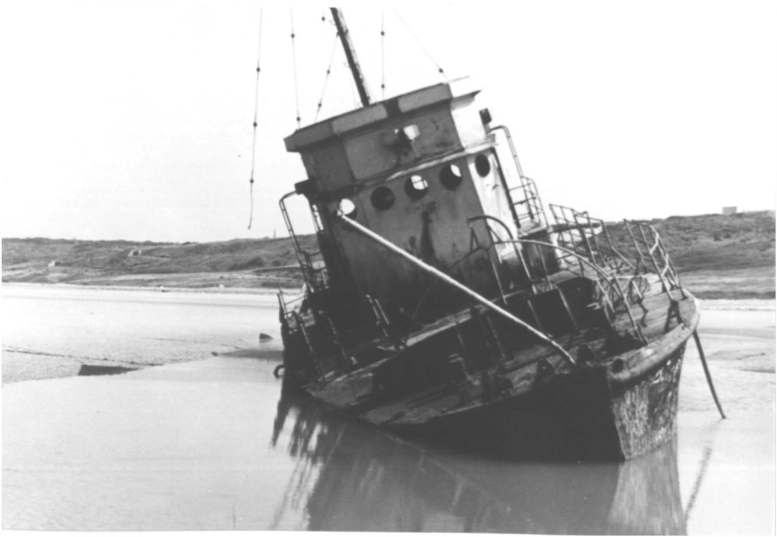
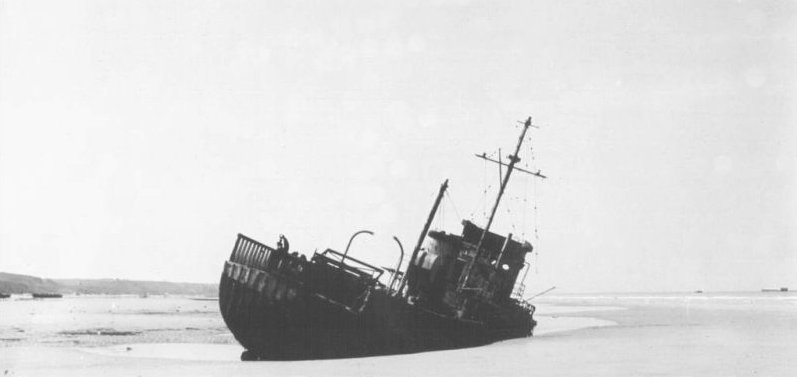
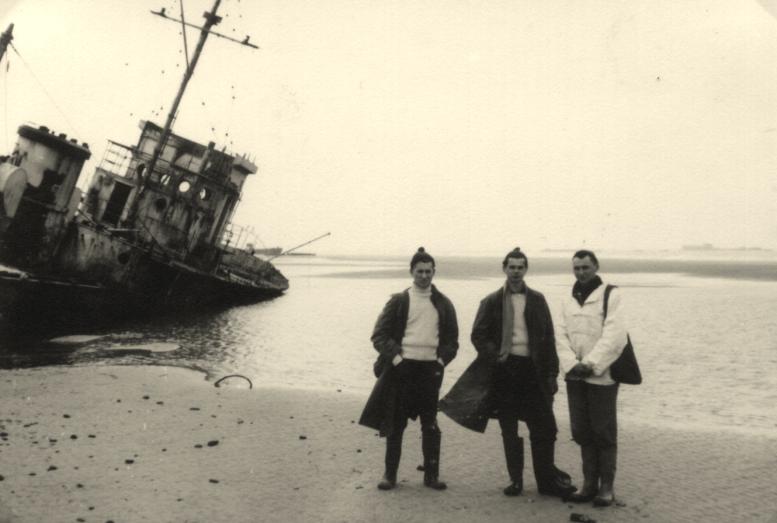
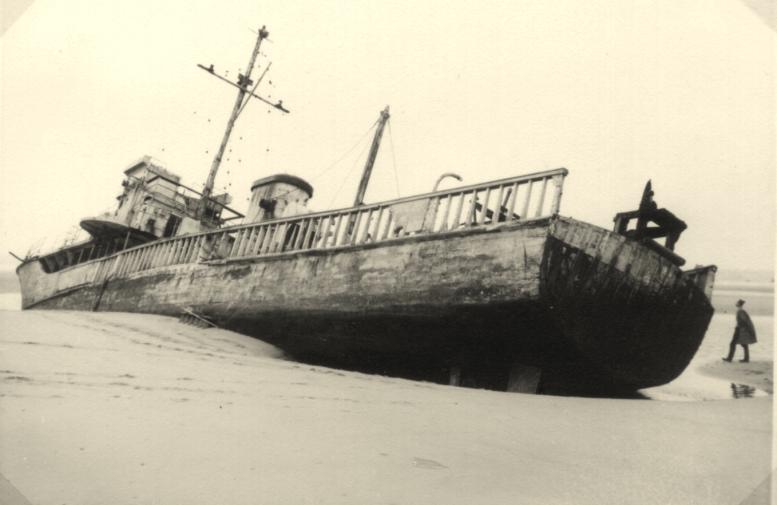
A U.S. YMS-type dredger, failed around 1951
(details)
This 1951 wreck is that of a YMS type dredger (US origin) that was purchased by Van Loo as an annex building.


Many elements of this chapter were taken from the book "Itineraries through the Background" published by "Caen Plongée" in 2004
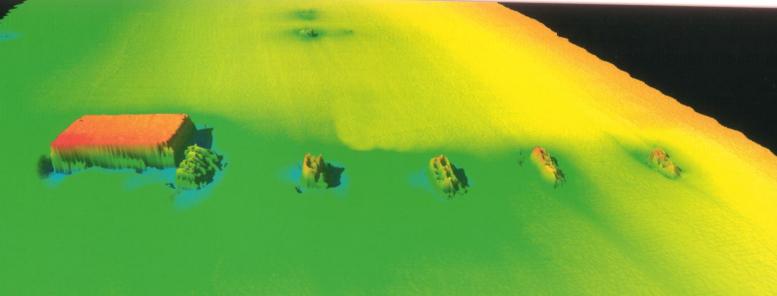
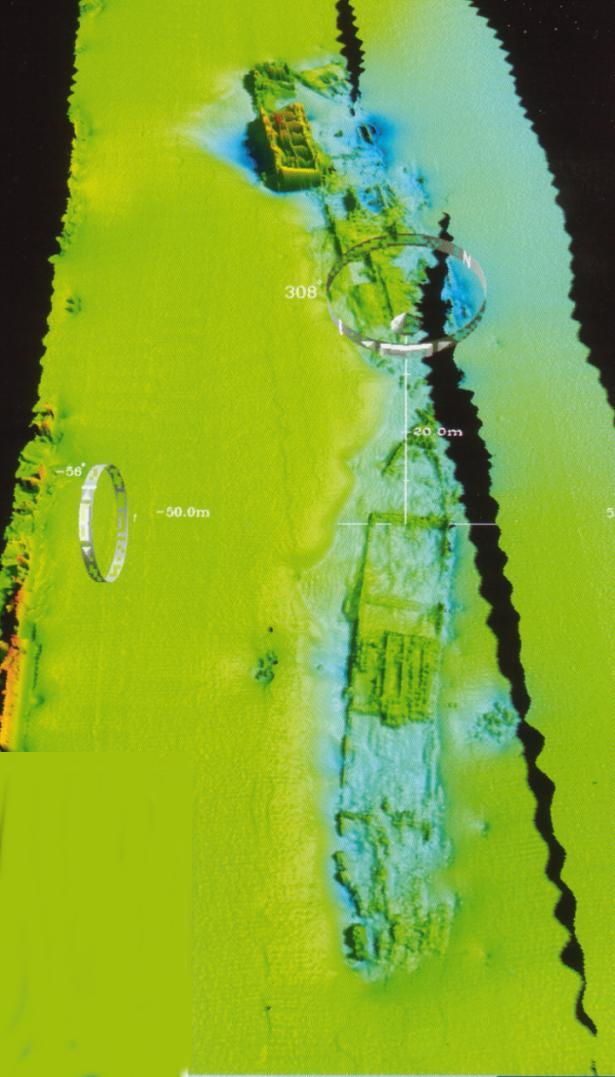
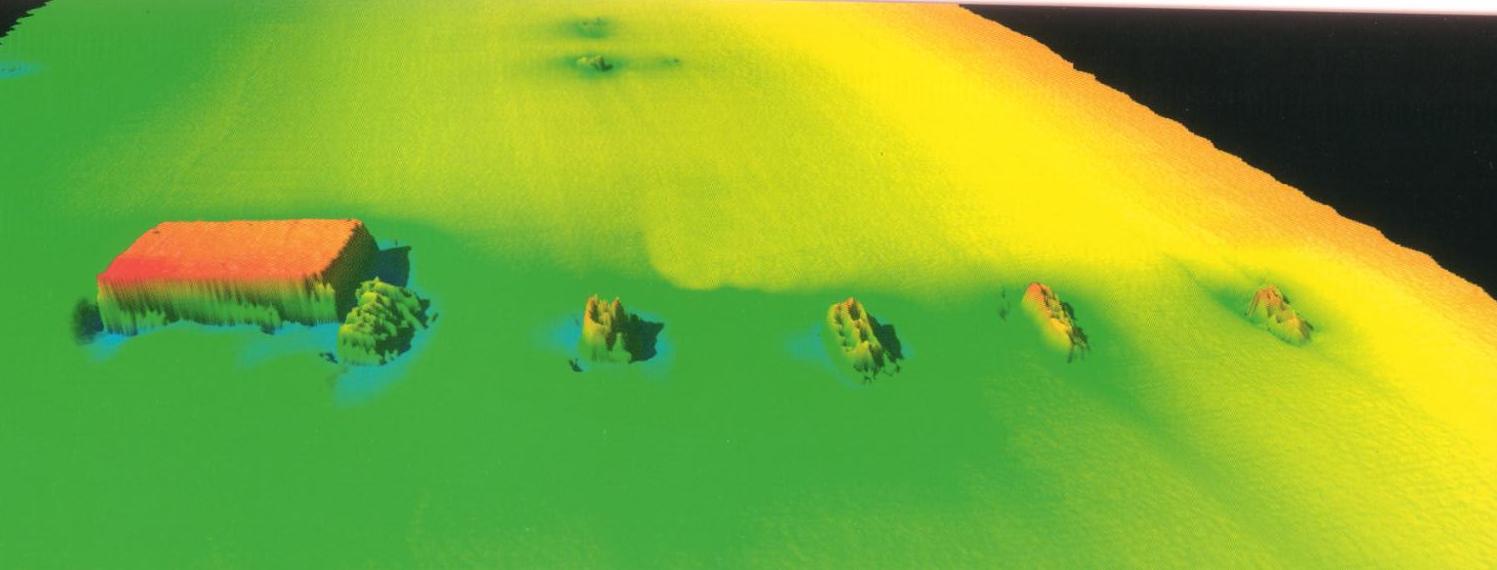
Images of the pontoons of the artificial port of Omaha Beach, obtained in the 2000's by a side-scan sonar