Reference 126
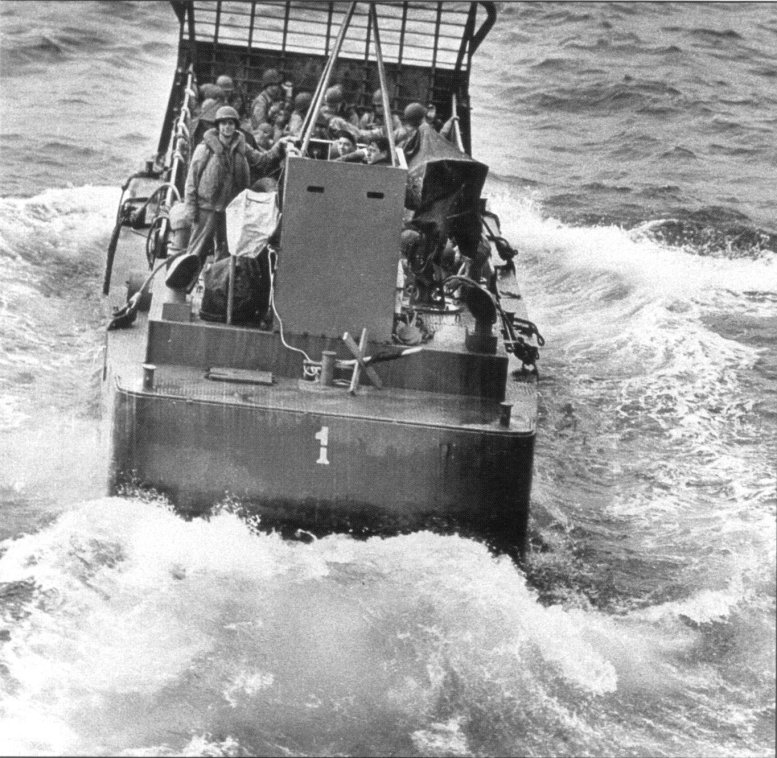
The small landing barges served as shuttle boats between the offshore wet vessels and the coast. It appears that the most used were the larger, mostly non-LSI or LST LCMs. The LCVP and LCA generally followed in other theatres these transports on which they were charged for long journeys. The landing in Provence (August 15, 44) led to the dispatch of the entire LSI fleet and many LSTs to the Mediterranean.
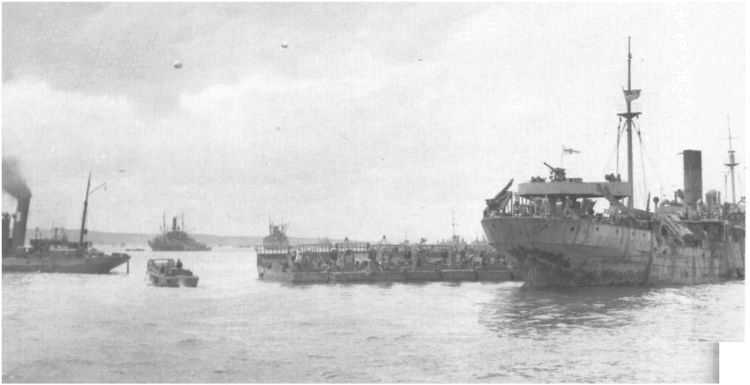
The LCDs, they were used in large numbers all the time of the exploitation of the artificial port
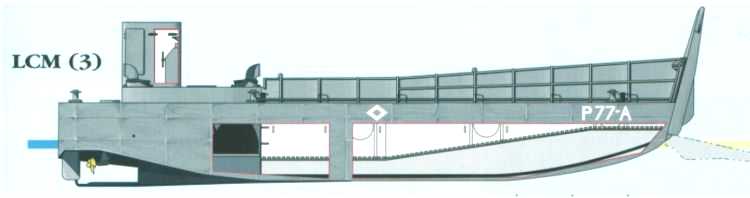

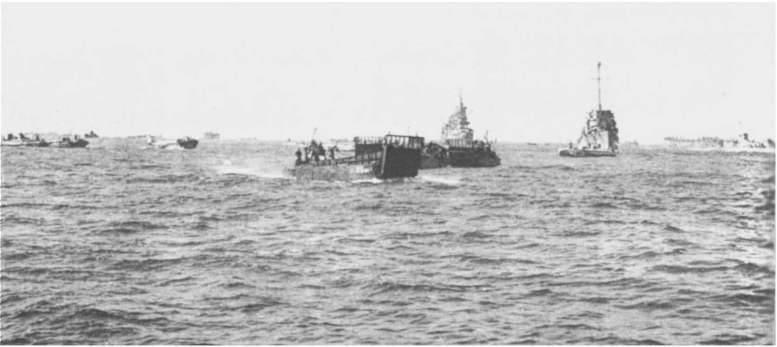

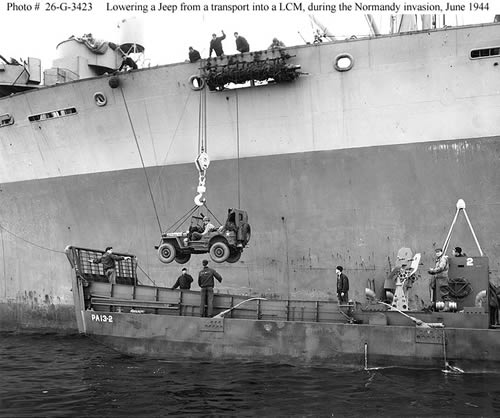
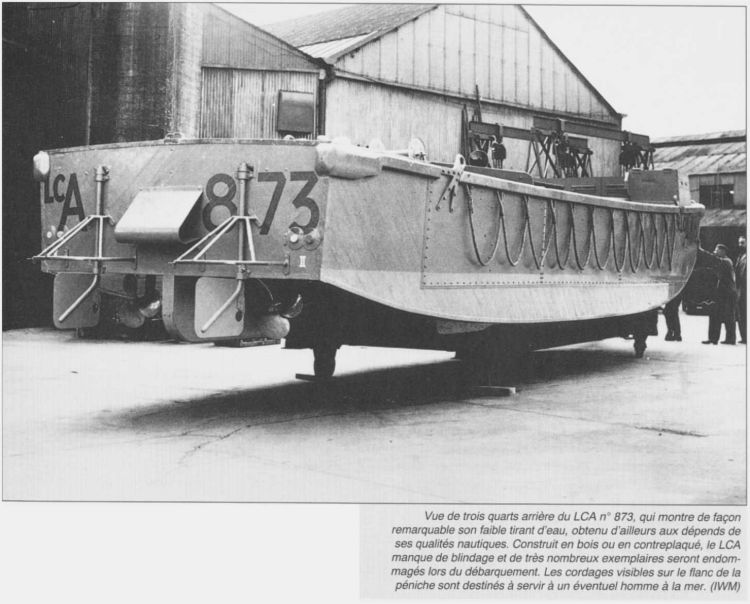
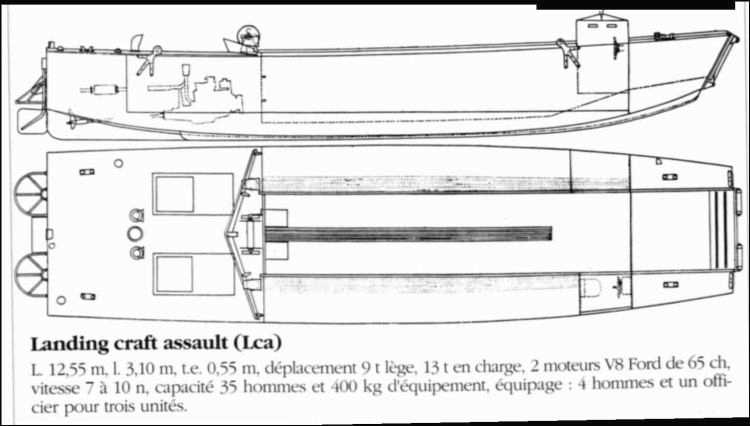
The British-built LCAs were used for British LSI transport, they were only used in the first few days.

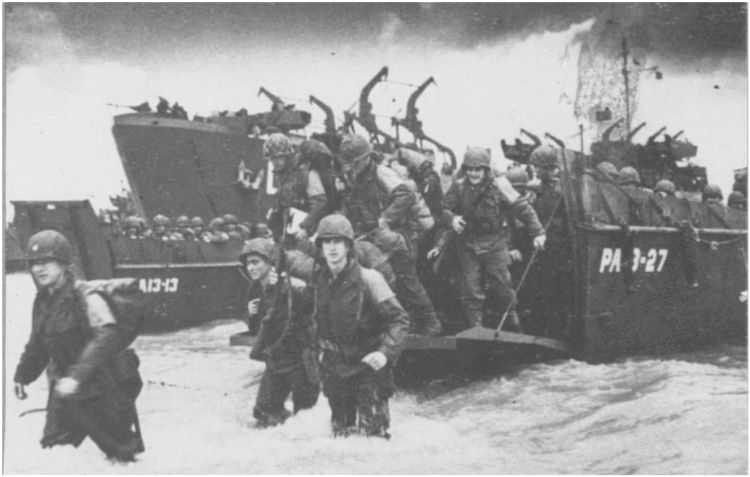


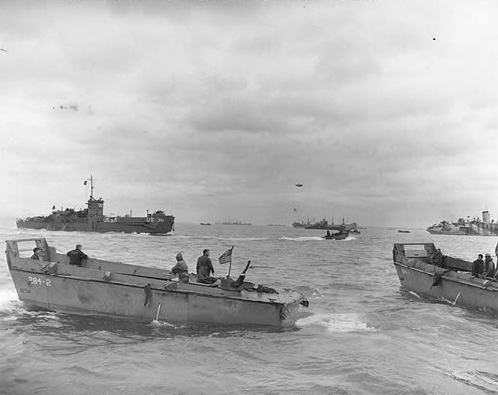
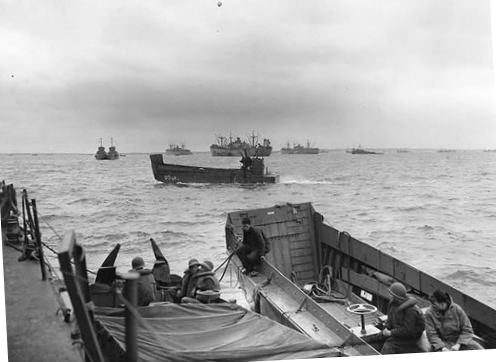
The LCVP, assigned to U.S. LSI or LST transports, followed the latter in their journeys to the Mediterranean for the landing of 15 August 44

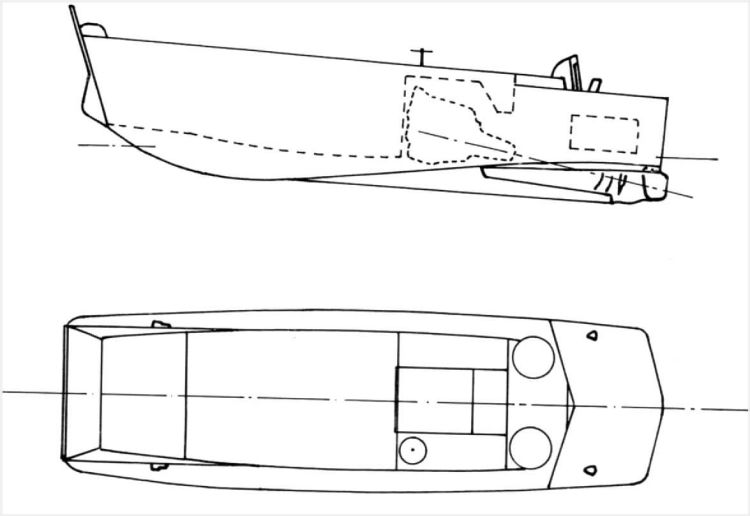
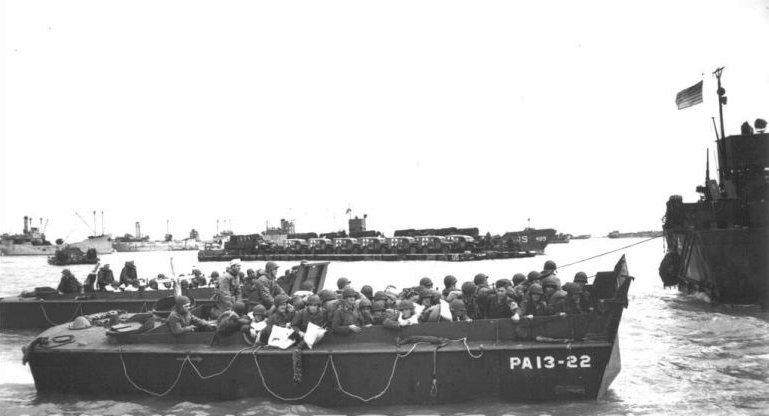
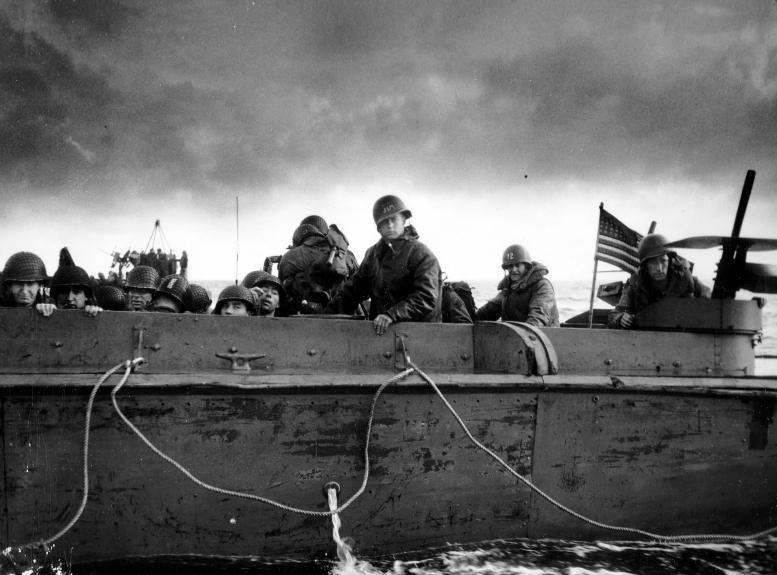
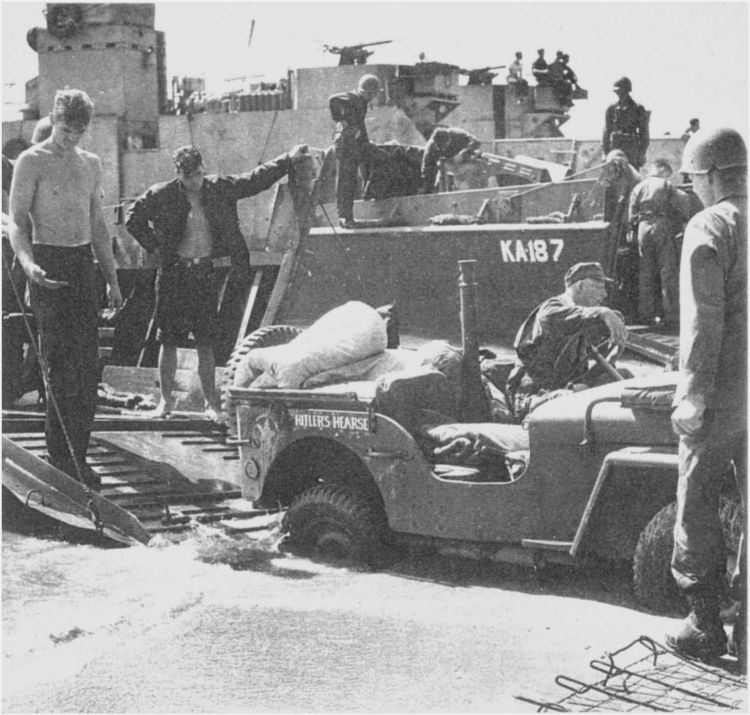
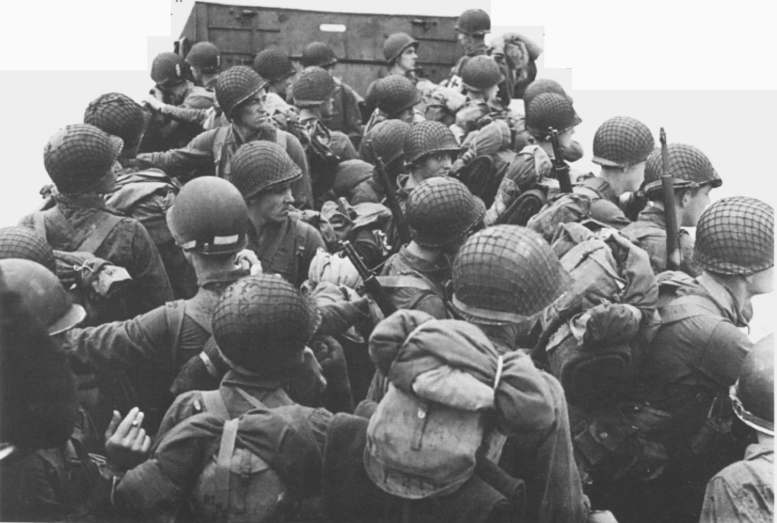
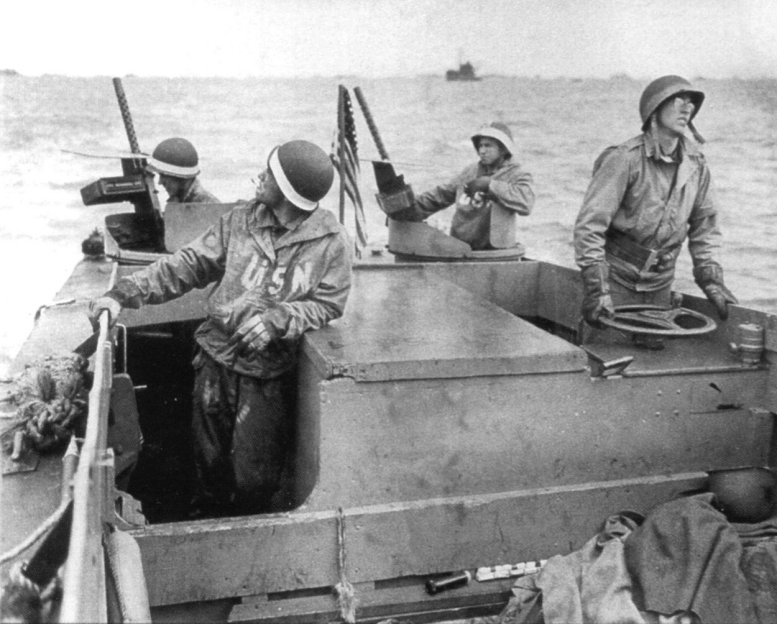
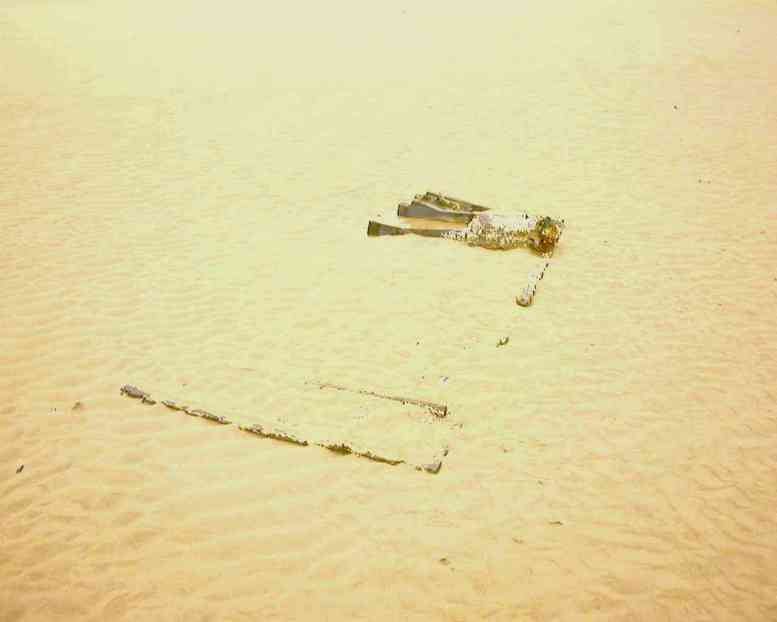


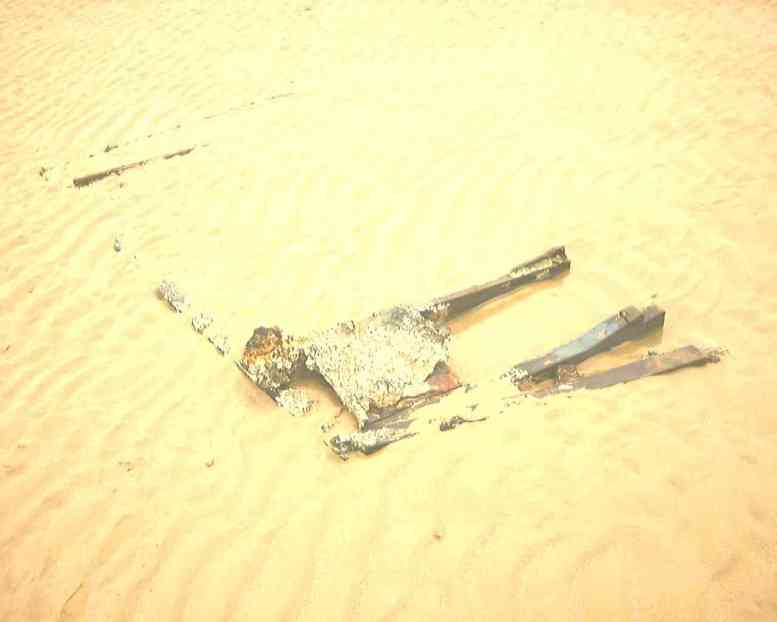
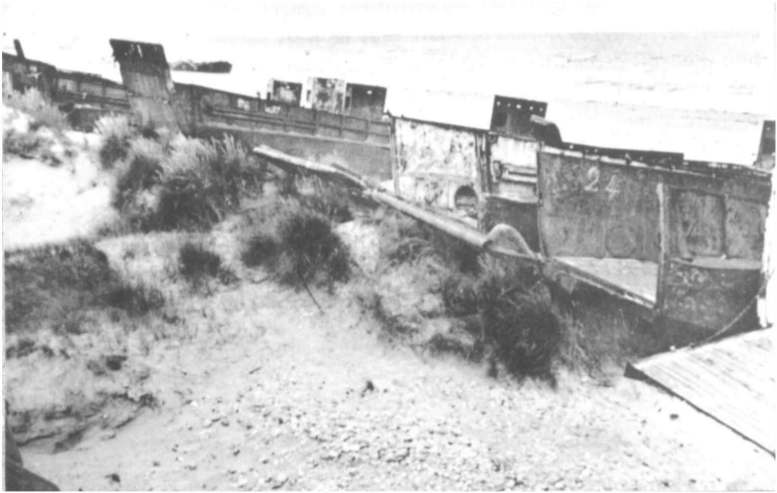
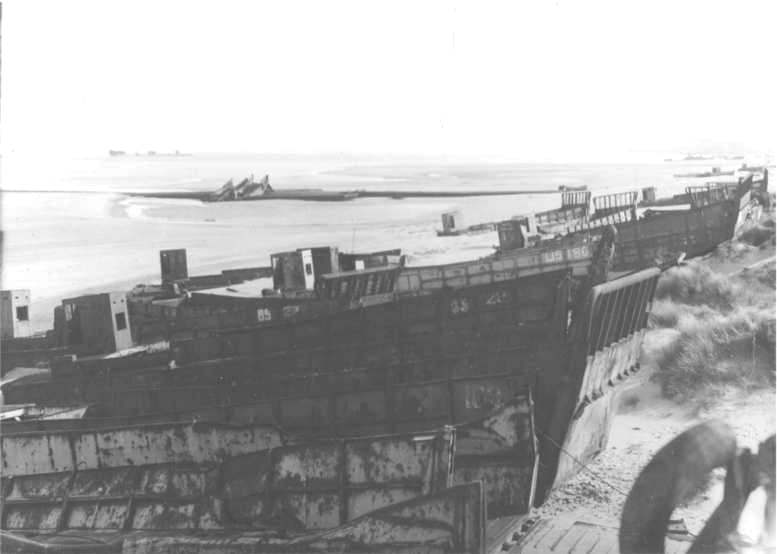
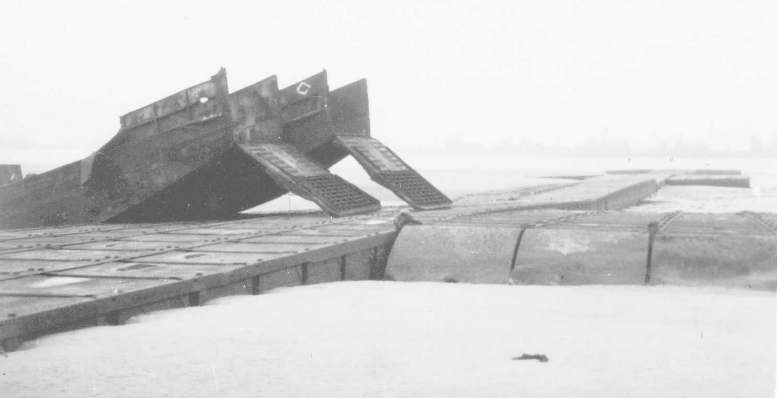
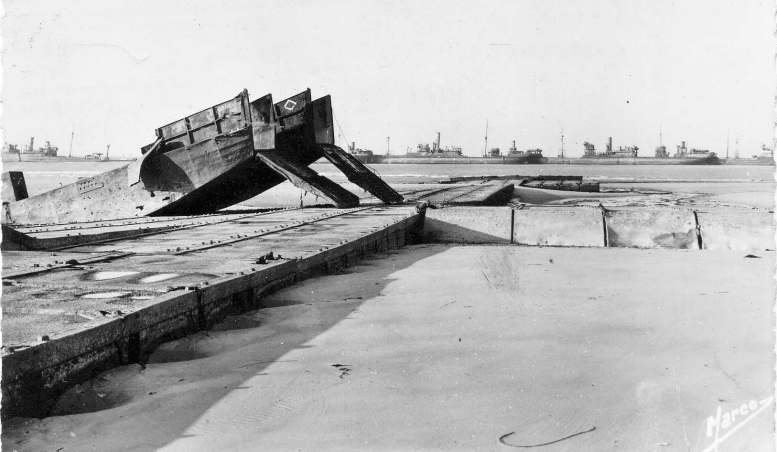

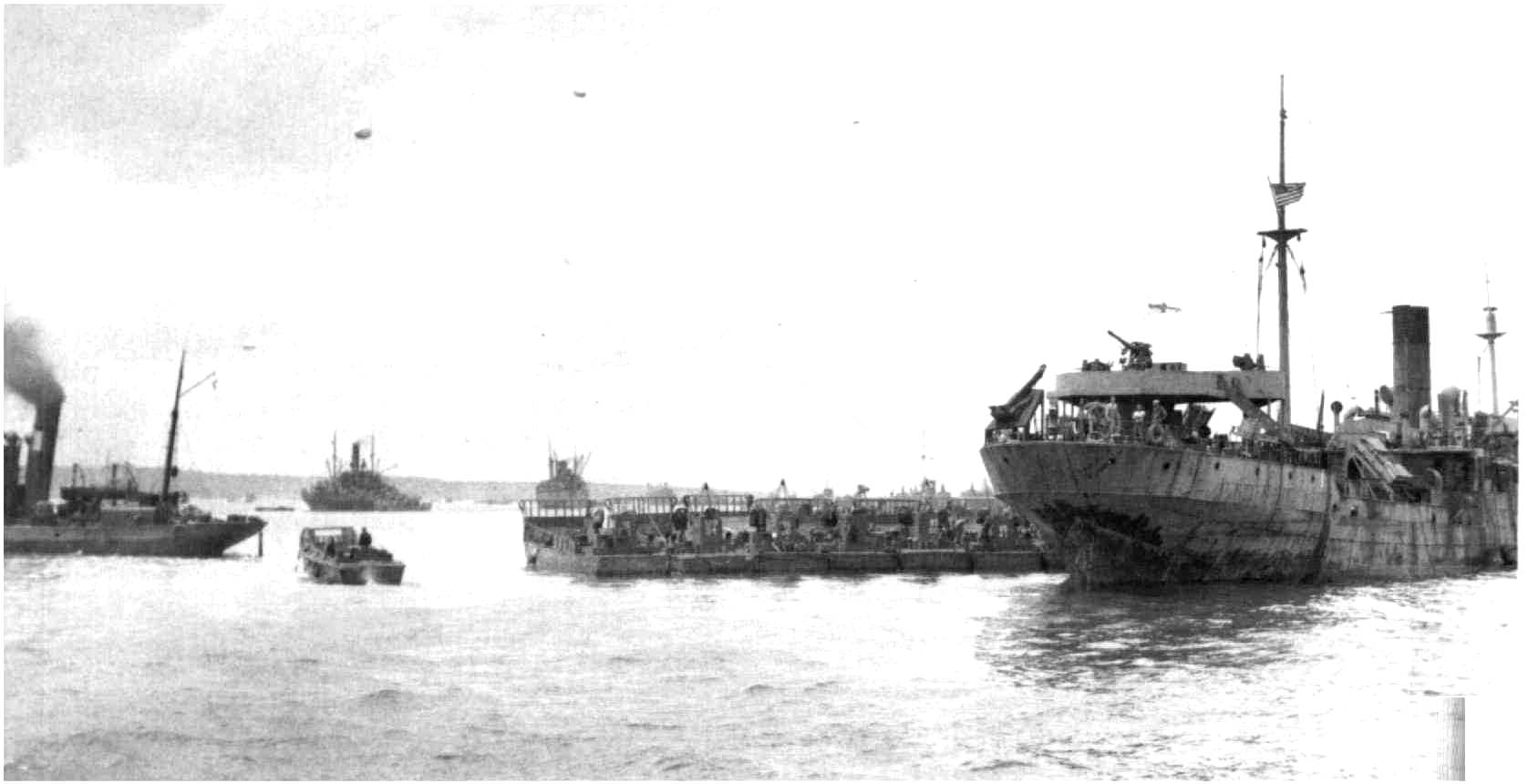

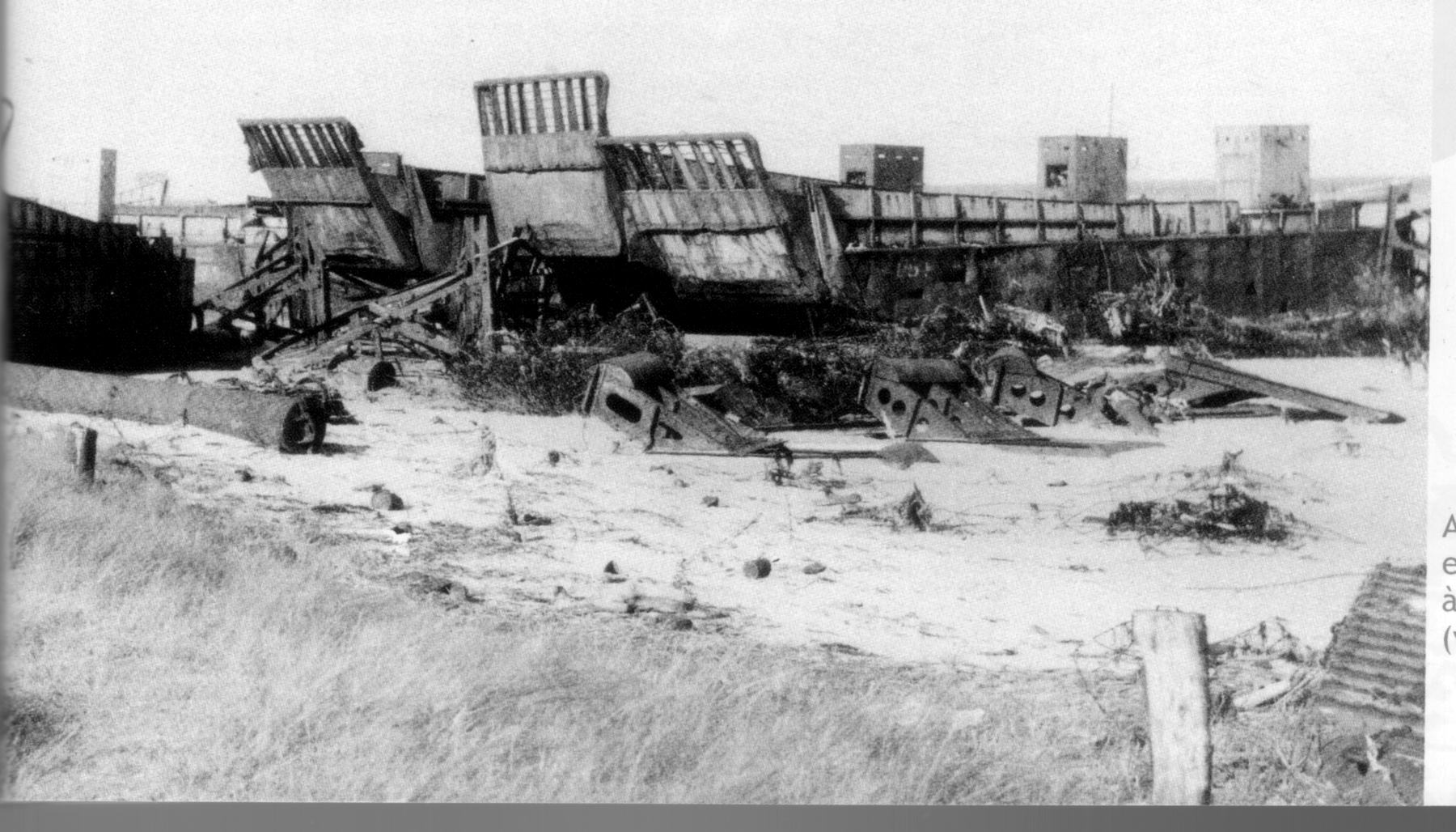


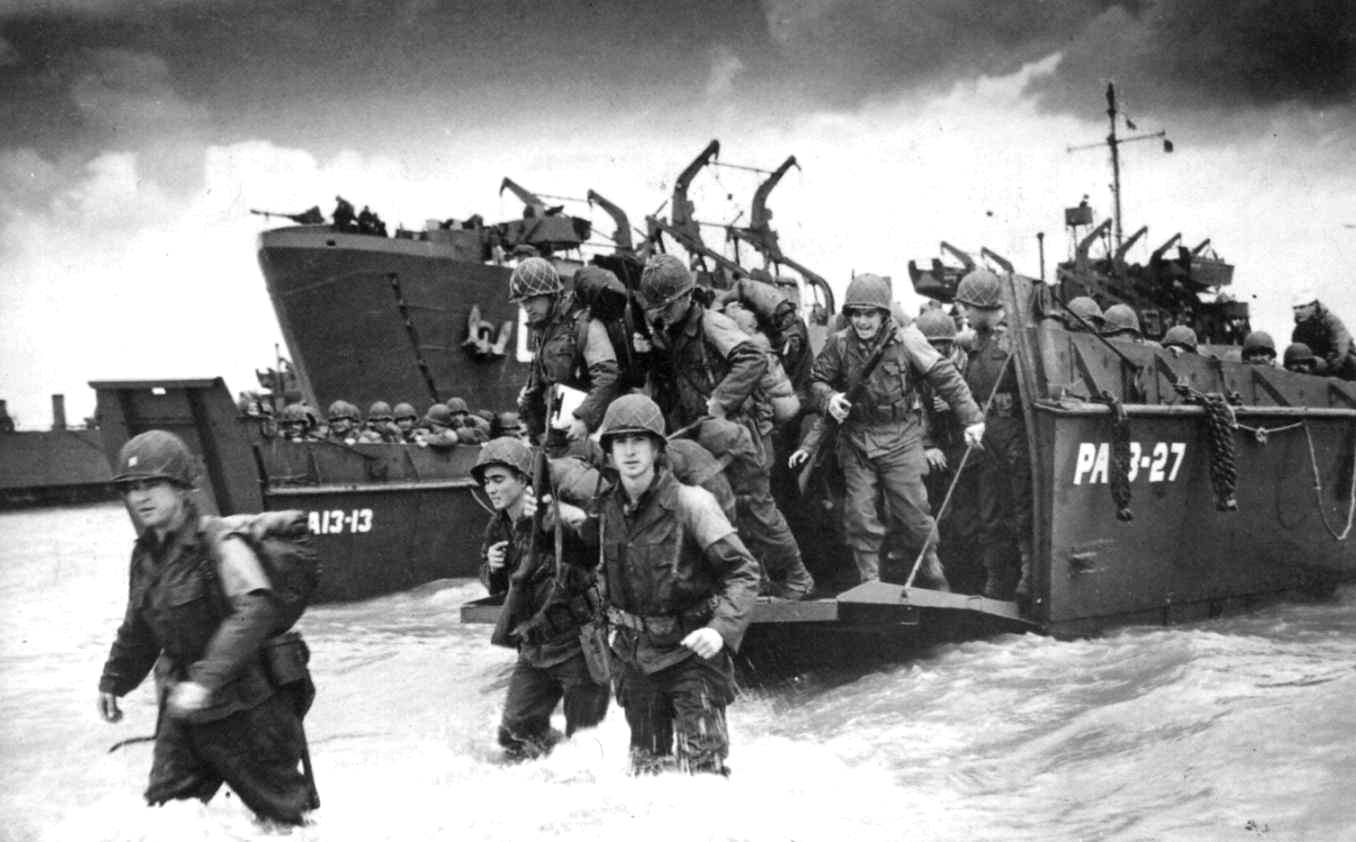
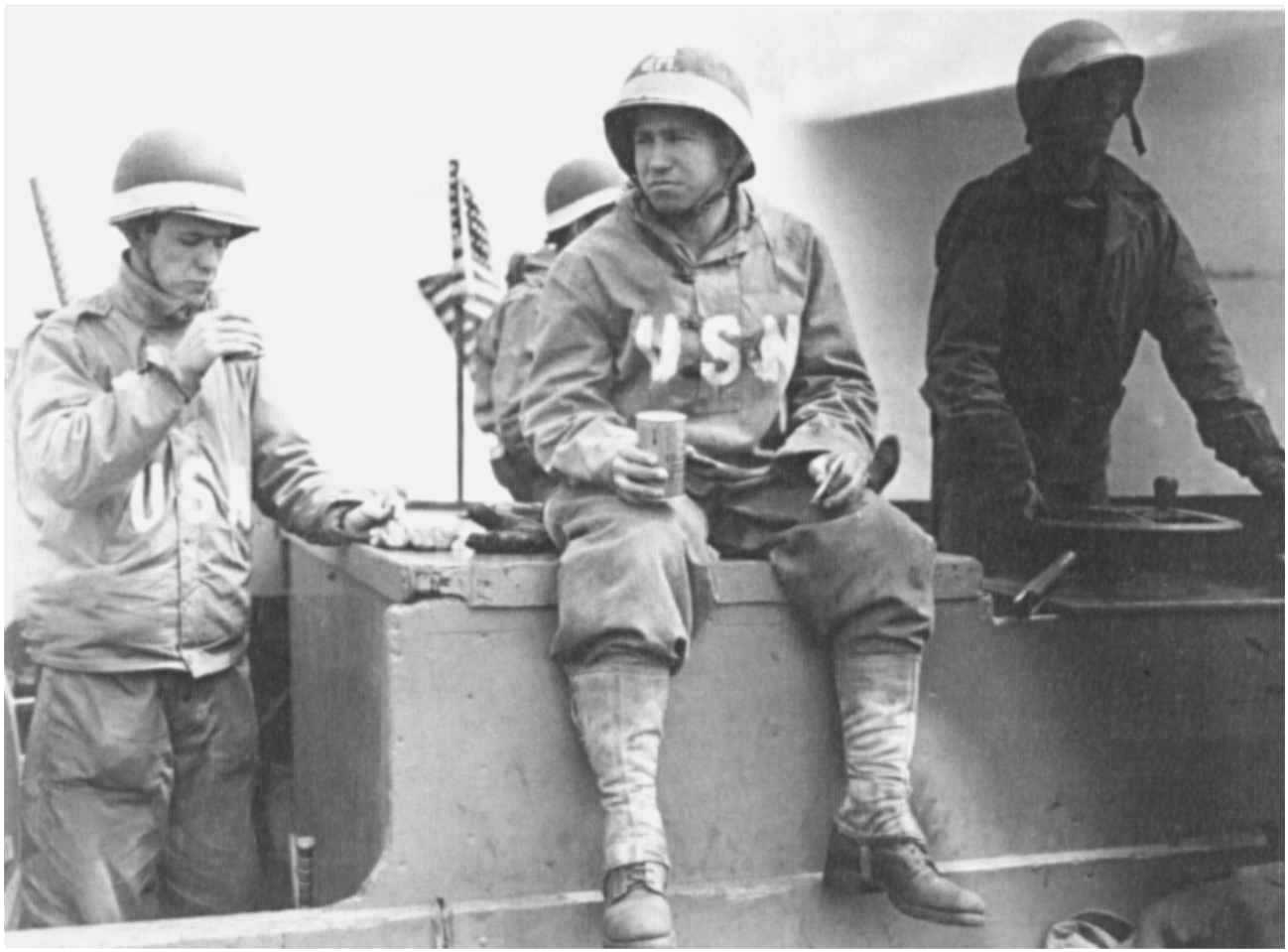
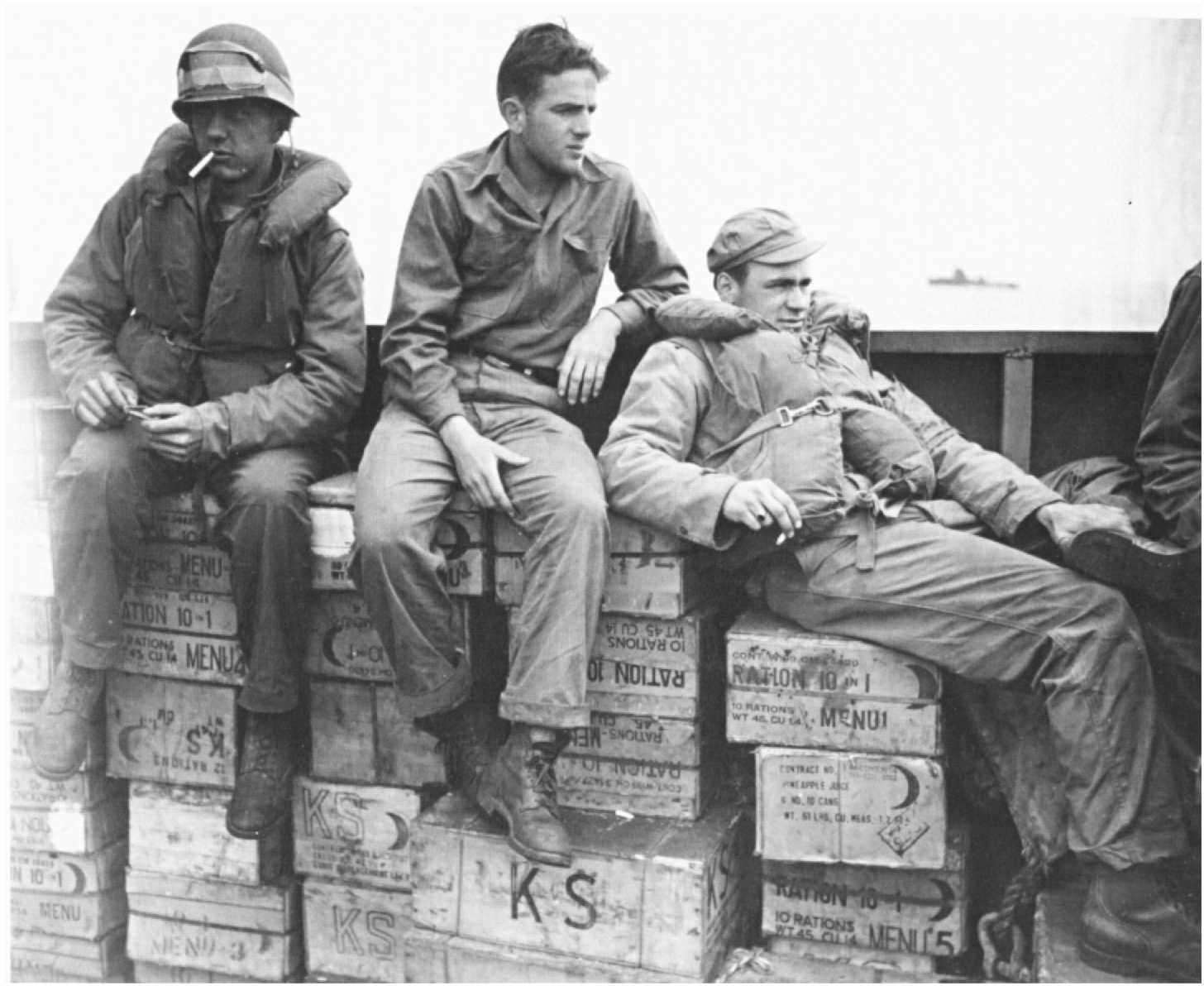

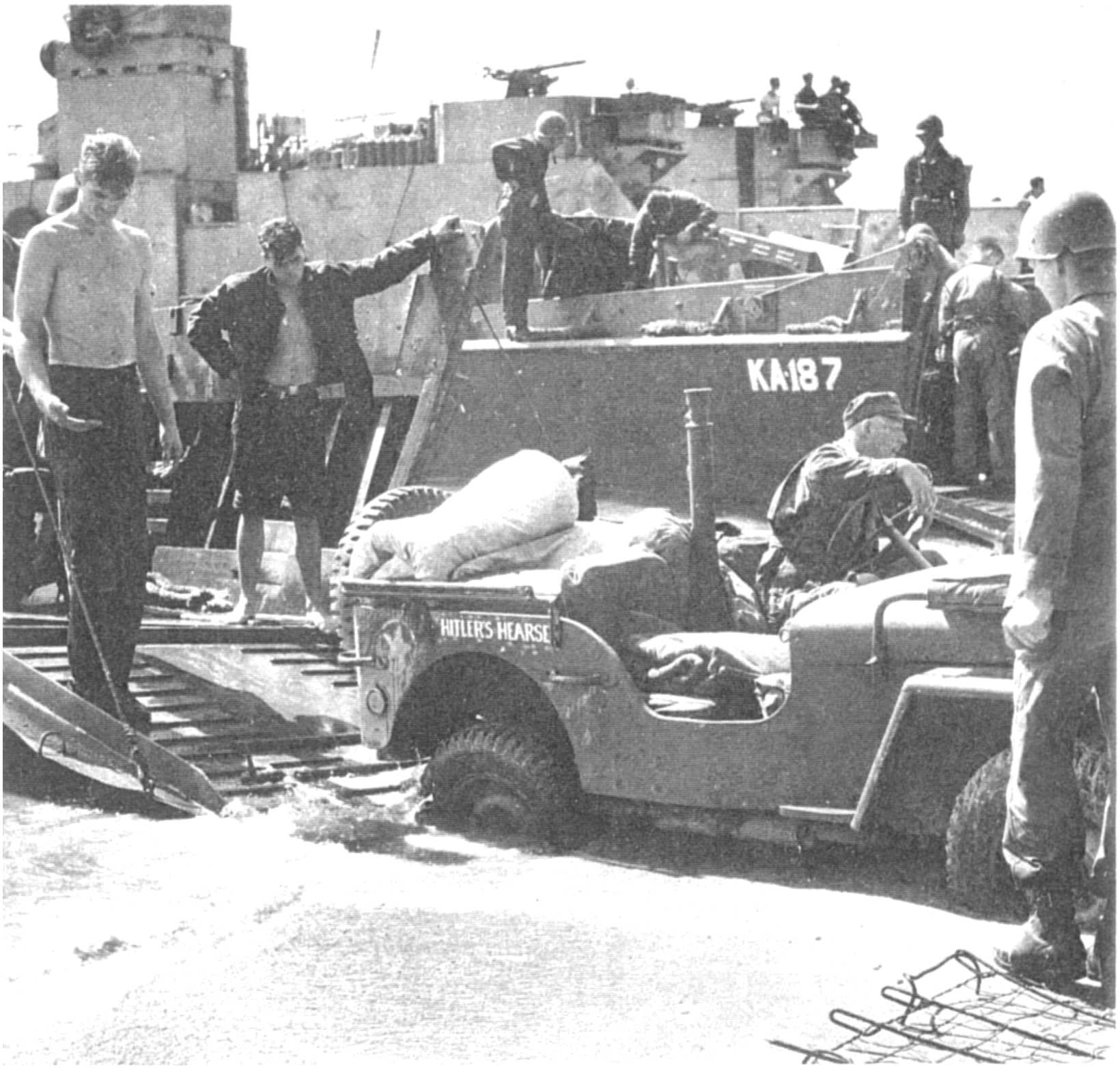
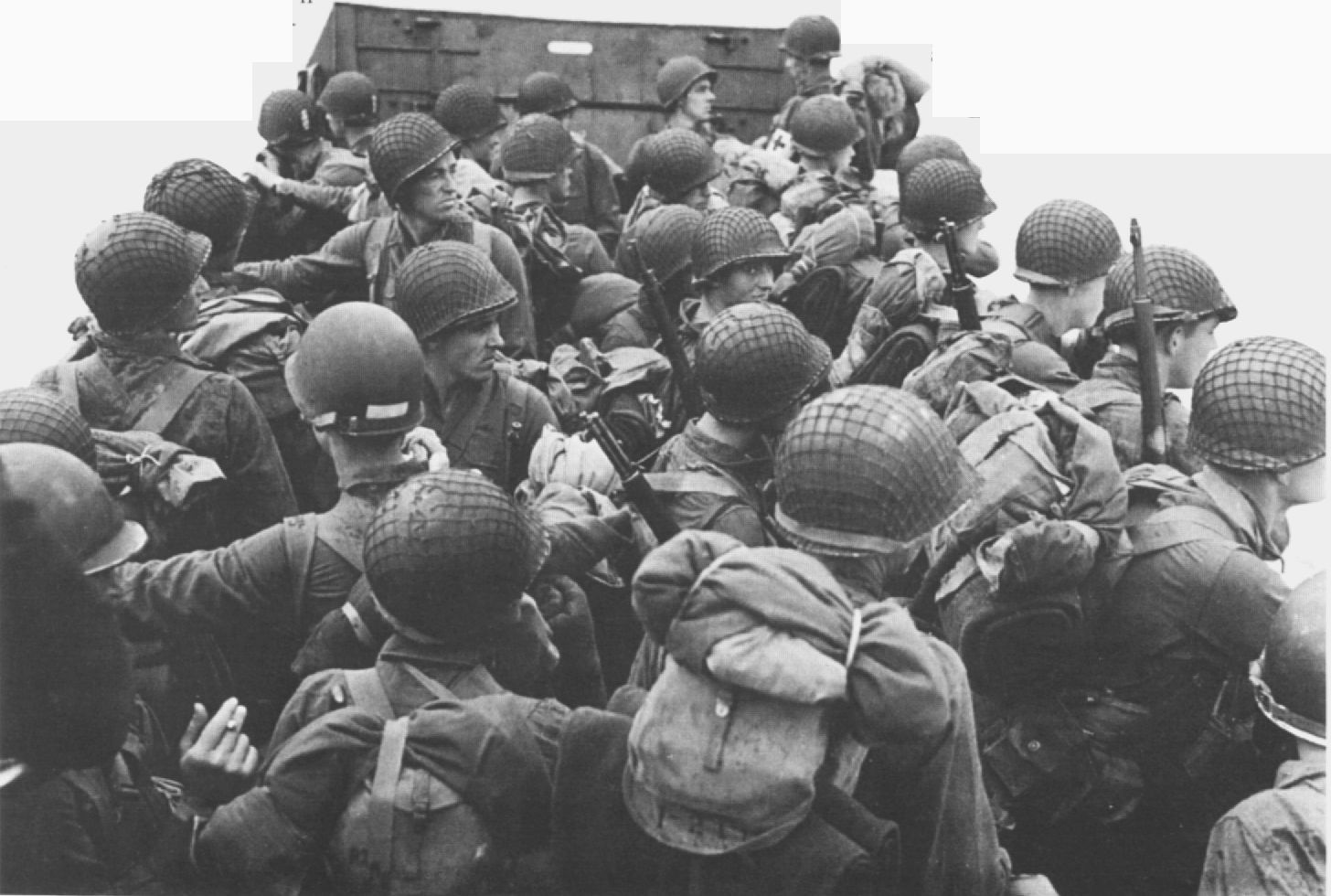


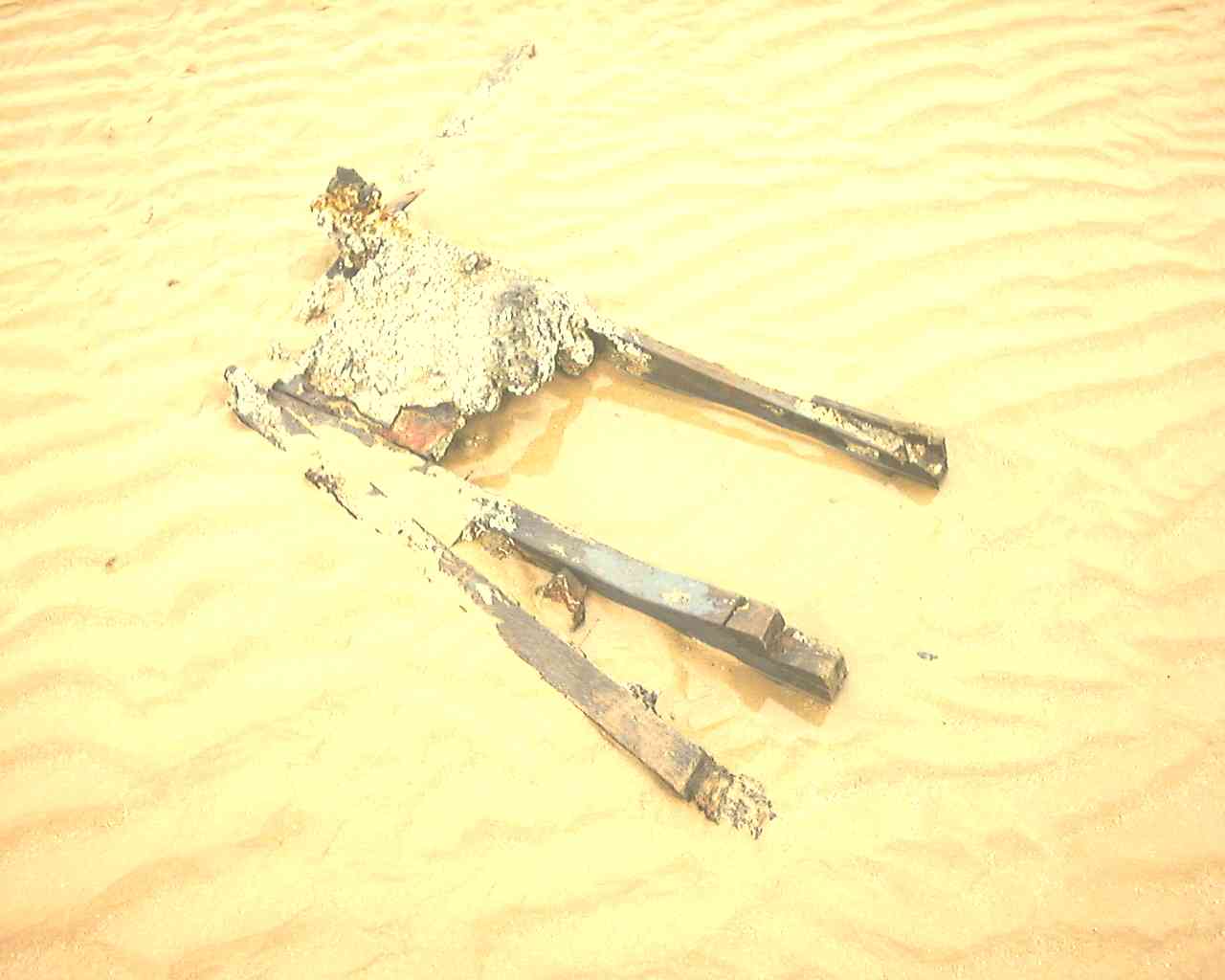
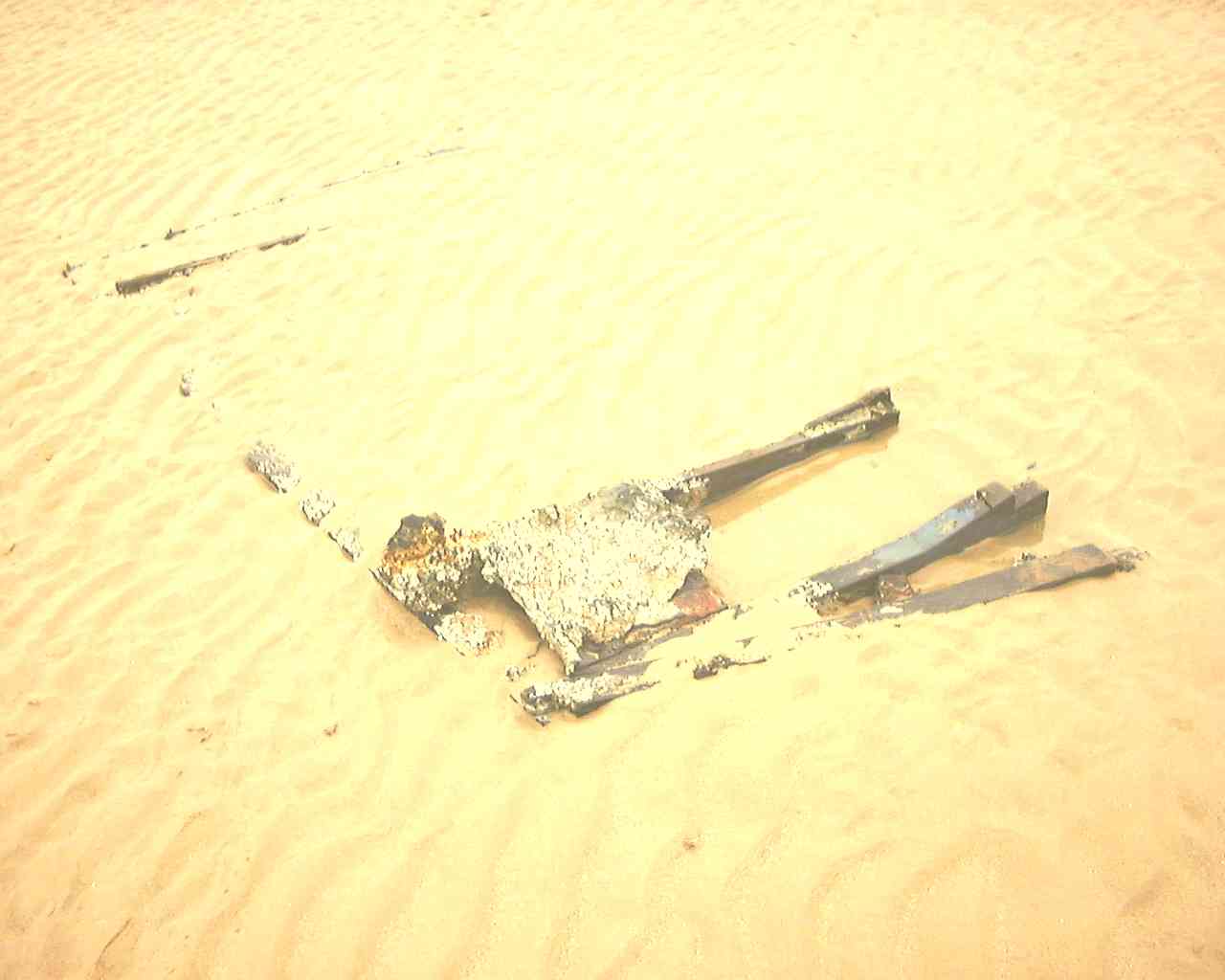
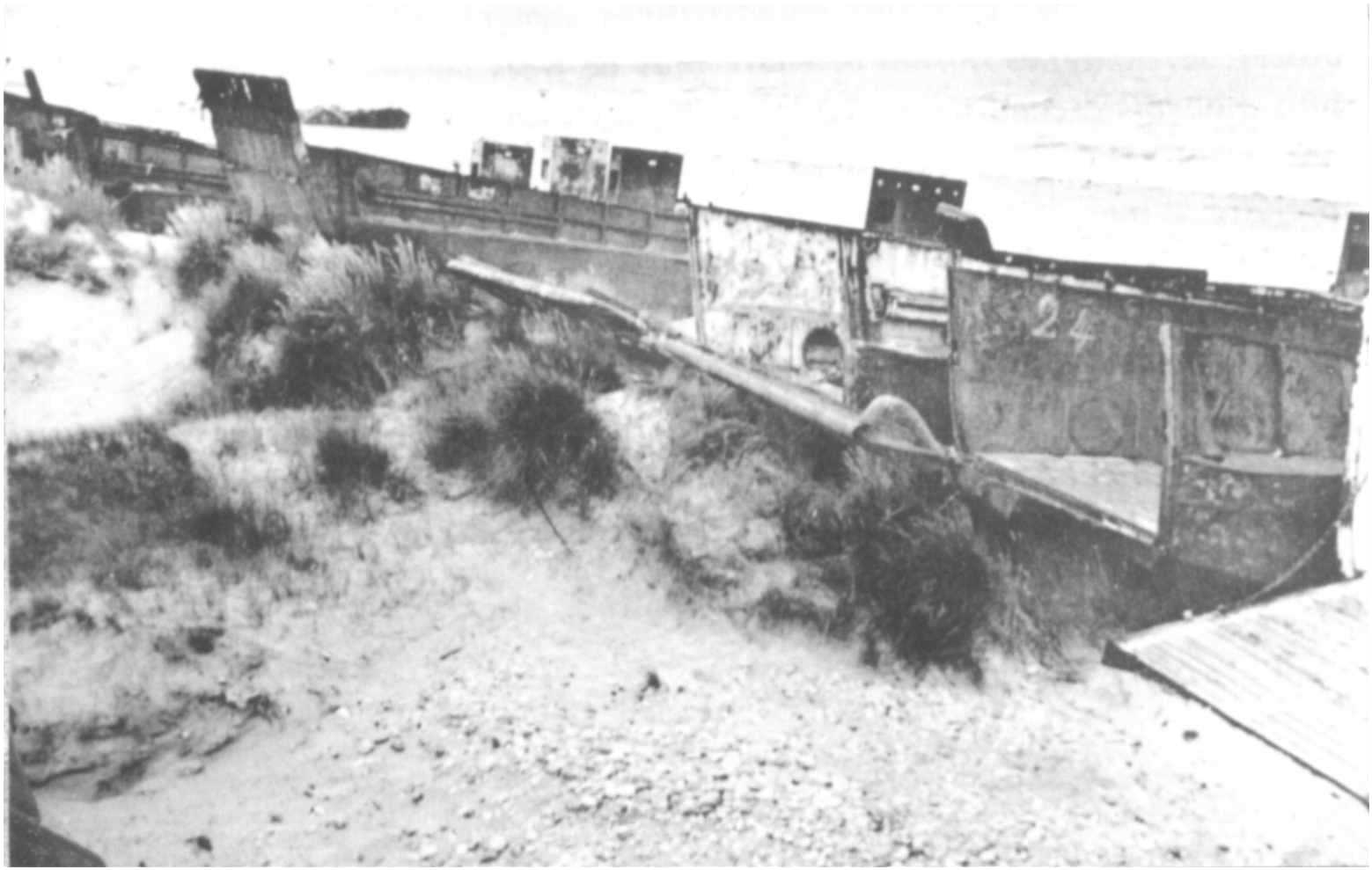
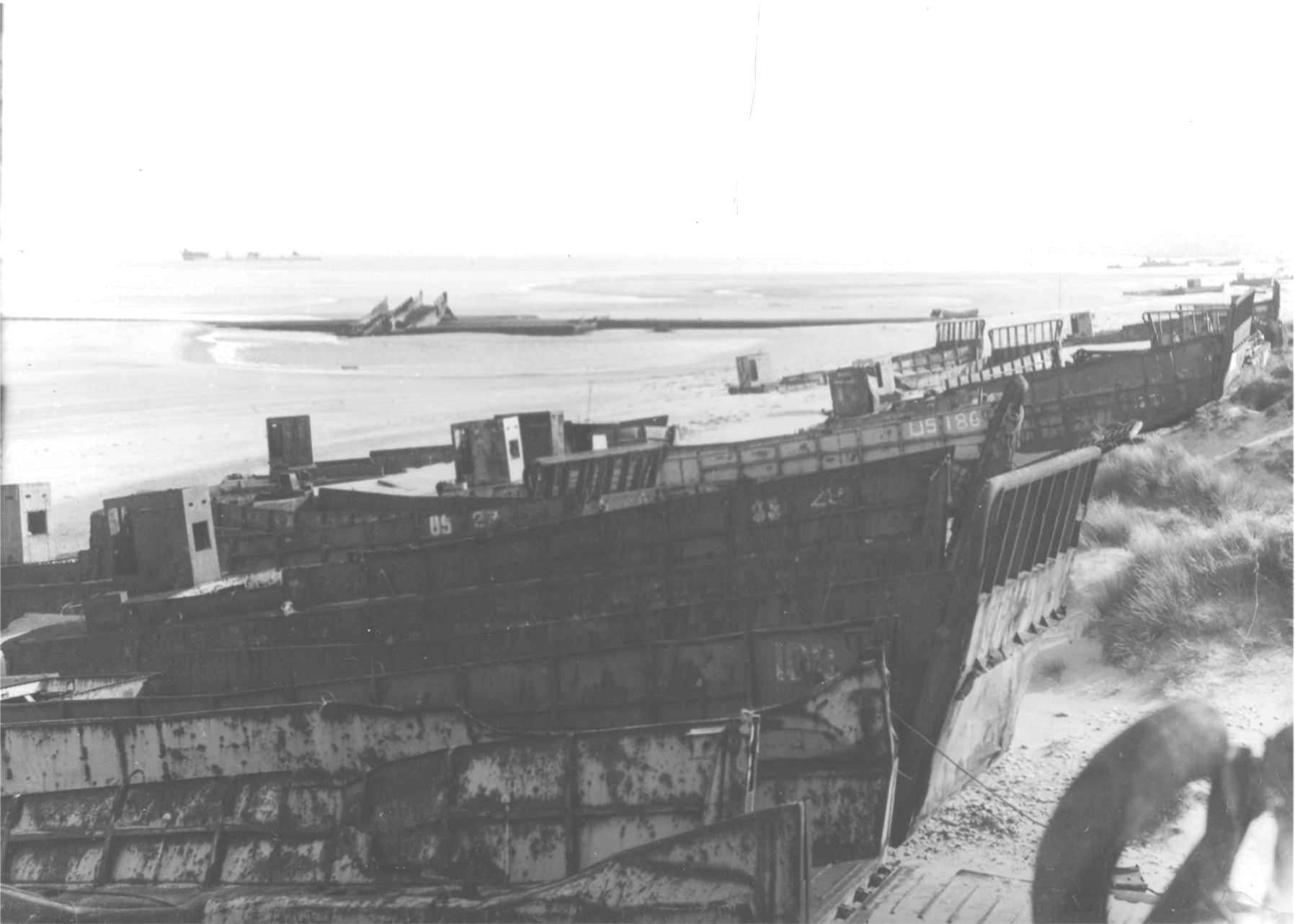
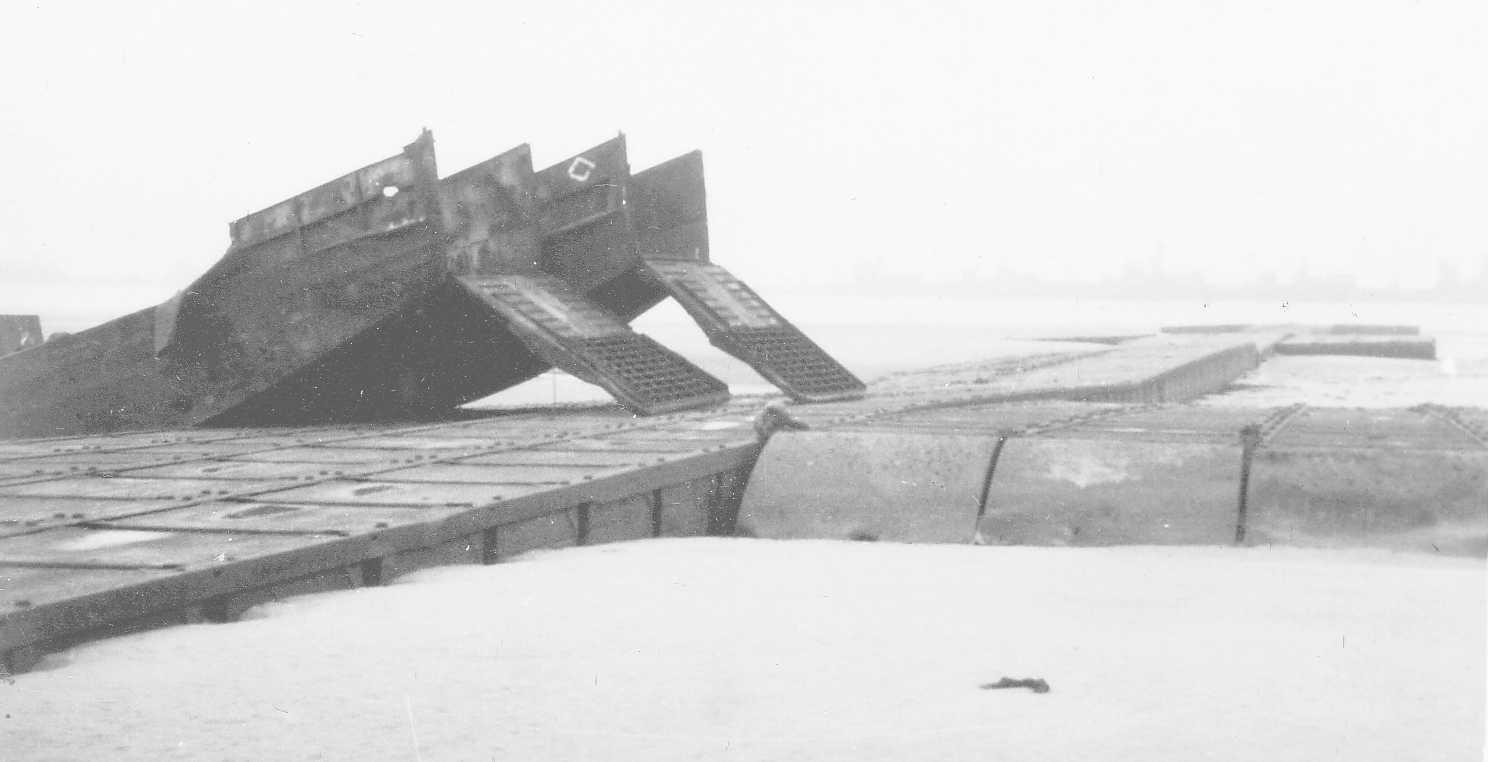
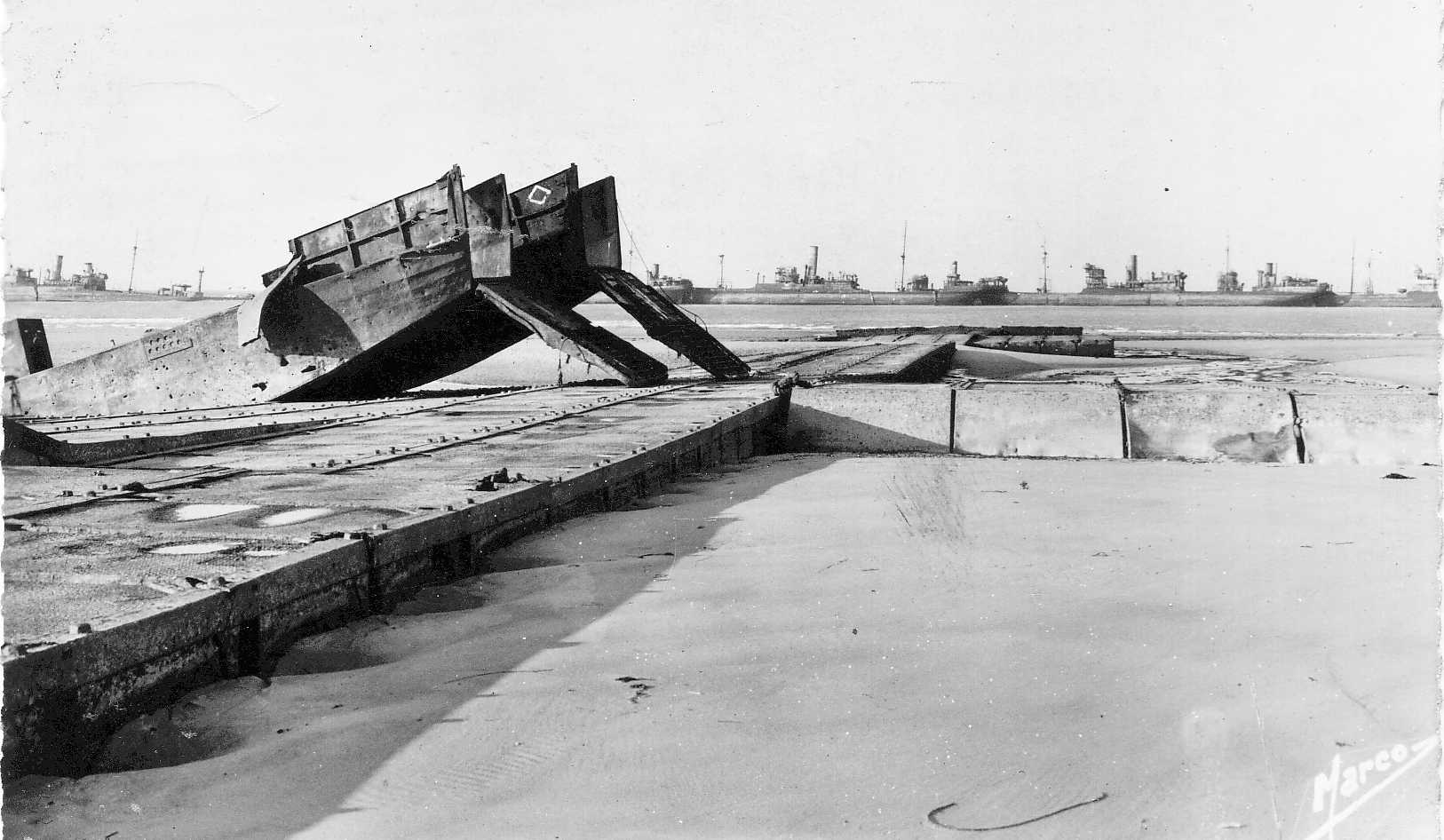
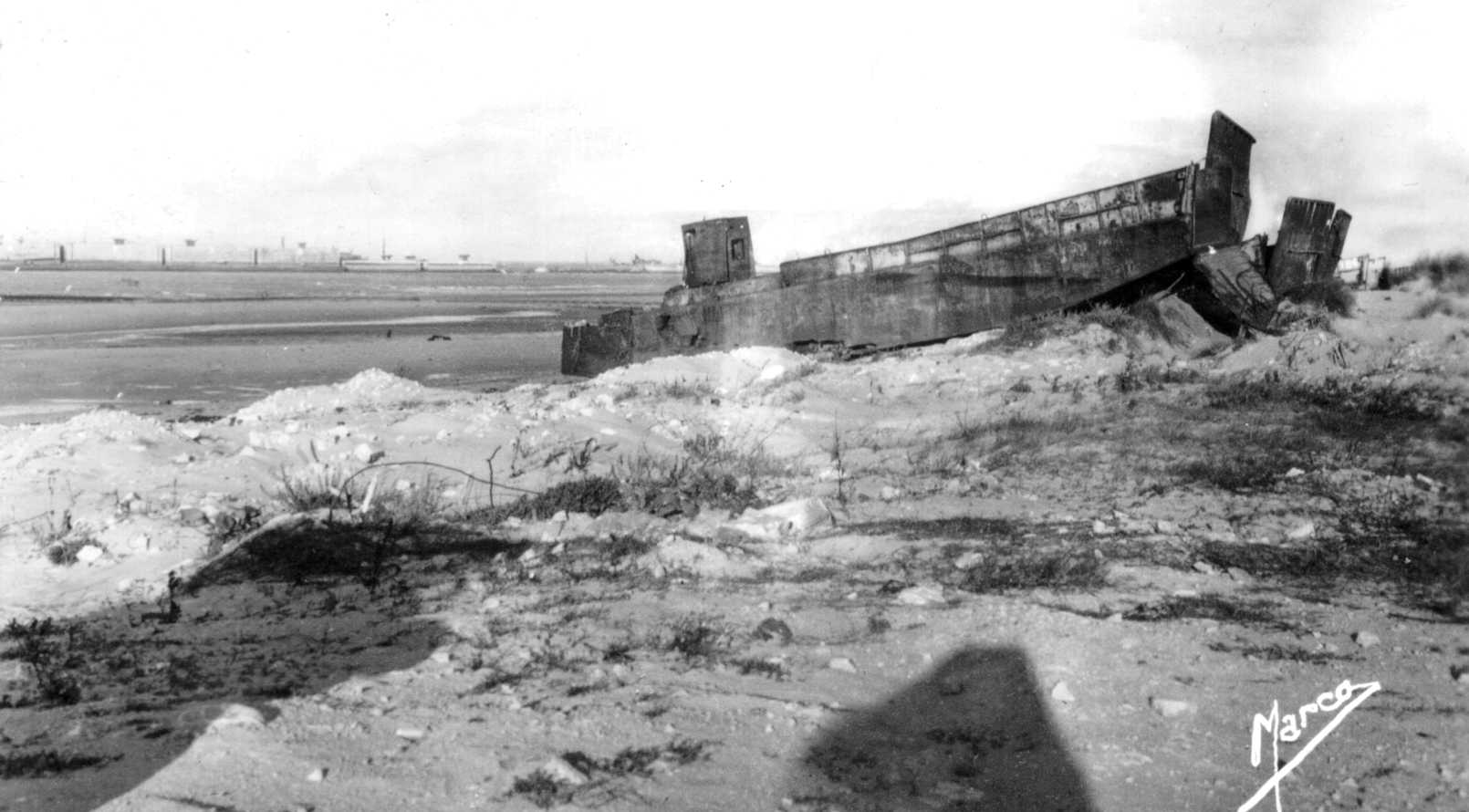
Report by Gil Miller, seaman on board an LCM in charge of marine rescue
On the morning of June 7, Gil Miller's LCM helped clean up the beach, enabling him to play his role in disembarking supplies and reinforcements.
"We used 3 LCM to tow out of the beach destroyed ships. We fired them off and slid them. Engineering bulldozers pushed wrecks out of traffic areas. For J+3 (9 June), the Army had Mulberry floating docks.
"We then handed over our LCDs, and we became beach cleaners. Sometimes we sat on the cliff to watch the troops pass by and talk to them. The big question was "Where did you come from? Around the 4thème or 5ème I even went into town on a full truck, and I came back to a vacuum.
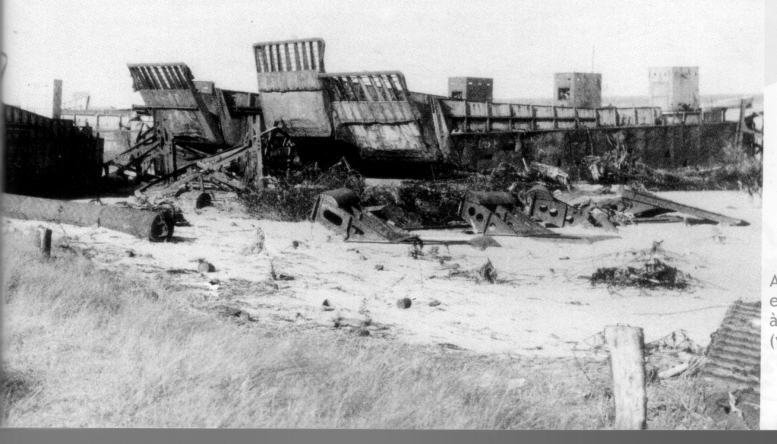
"Then the weather became really bad; rain, wind and waves bringing everything back to the strike. For three or four days nothing moved. The storm did more damage than the 88. We lost five of our LCMs that were piled up like logs. During this storm, we had nowhere to go except on the beach. For a group of us, our only shelter was a LCVP (an 11 m long barge) overturned. It was a real mess. No supplies. We only had what we were wearing on our backs. All our LCM stuff was lost. The army has provided us with small tents to live there."