126
Naval forces and naval bombardments
planned on Omaha Beach

(details) The channels of the bombing forces
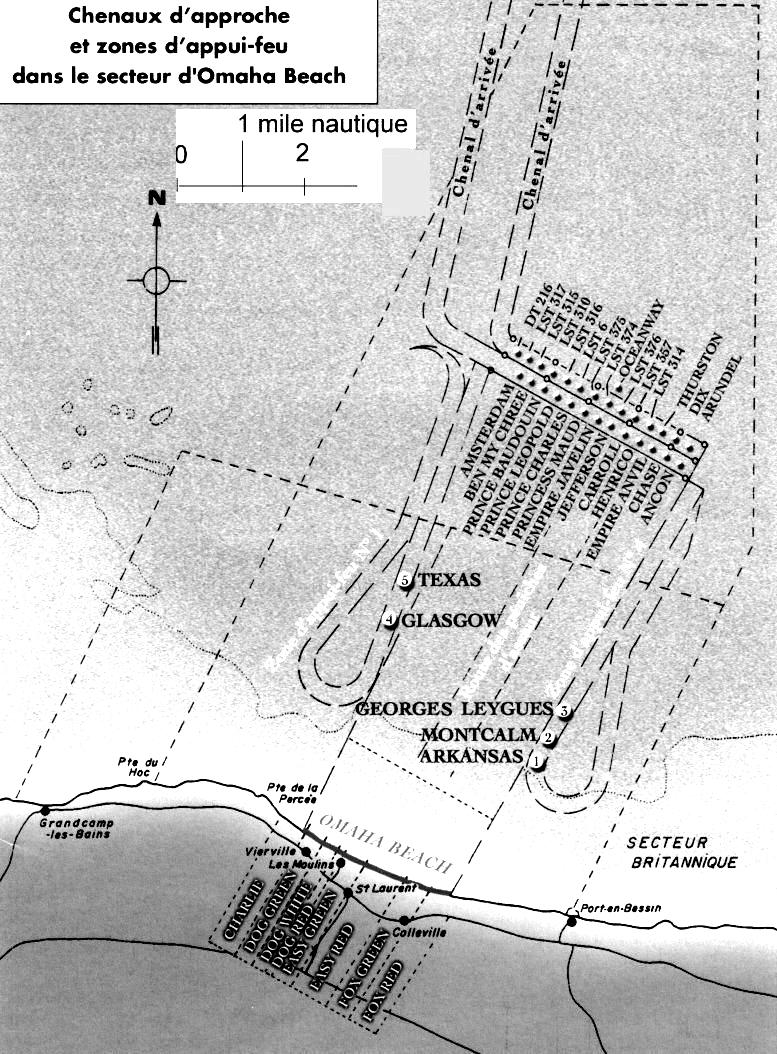

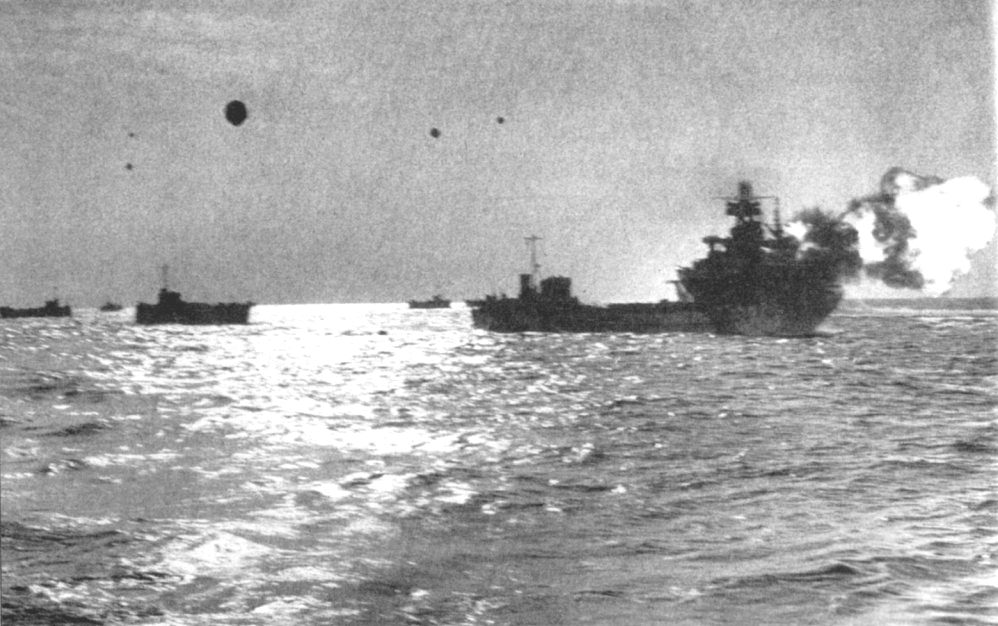
The naval bombardment was to take place exactly from 0550 to 0627.
The FSG "Fire Support Group", fire support groups of force "O" were divided into 6 groups.
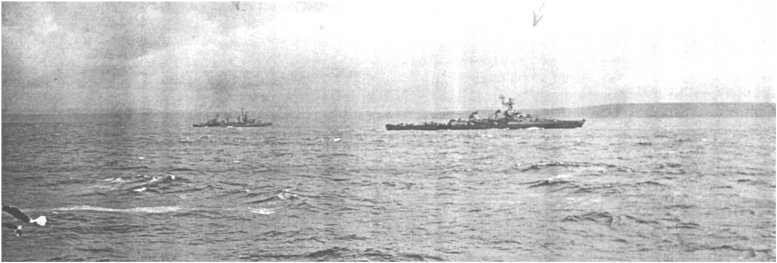
The FSG1 included the 2 large vessels, Texas and Glasgow, wet in a dredged channel in front of the Point de la Percée, so as not to risk getting out and touching mines. They were more vulnerable to coastal artillery fire, but it did not appear at all in front of Vierville.
The "USS Texas" (with 10 pieces of 356mm and 12 of 127mm) was wet 6 nautical miles off Vierville and was to fire 190 shots of its 127mm on the WN 72 and 73 of the descent of Vierville, (226 shells of 356mm were to target only the tip of the Hoc).
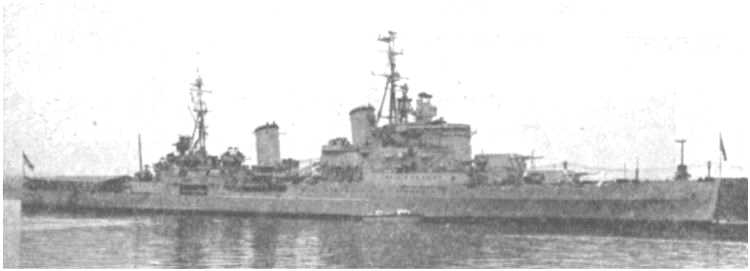
The cruiser "HMS Glasgow", (armed with 150mm guns), wet 5 miles from Vierville, was to bomb the descent of St-Laurent.

Objectives of the Naval Forces

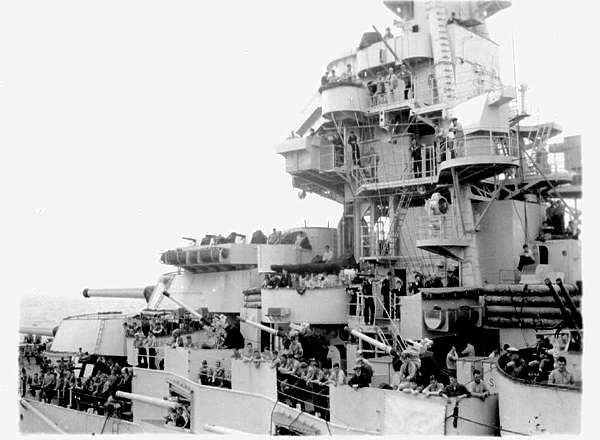

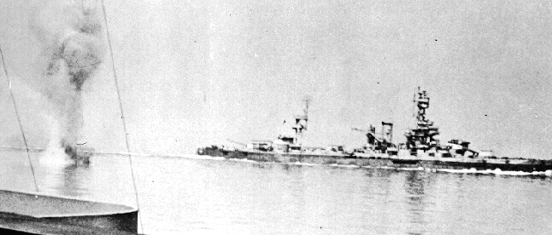


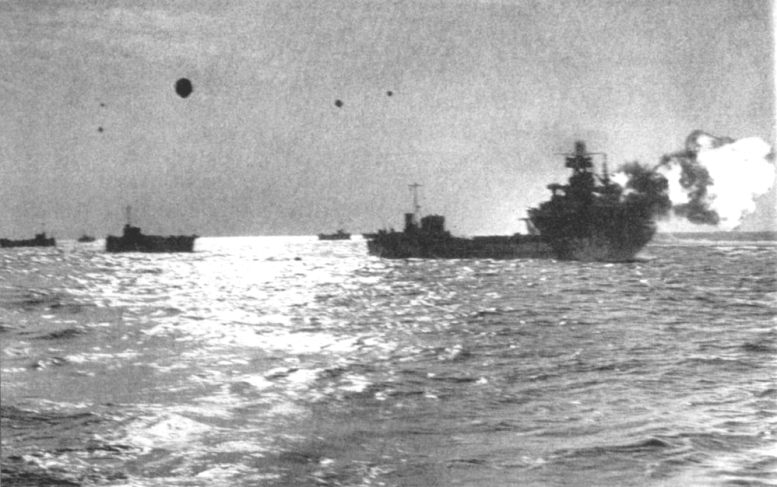
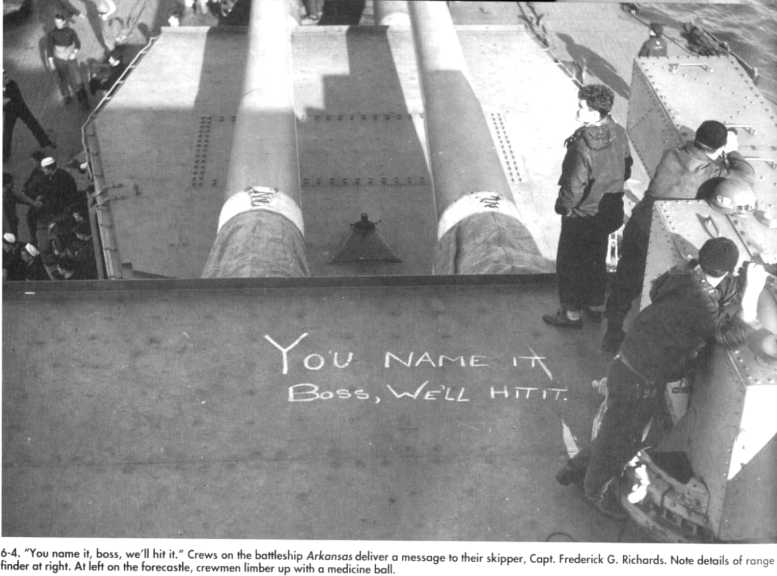
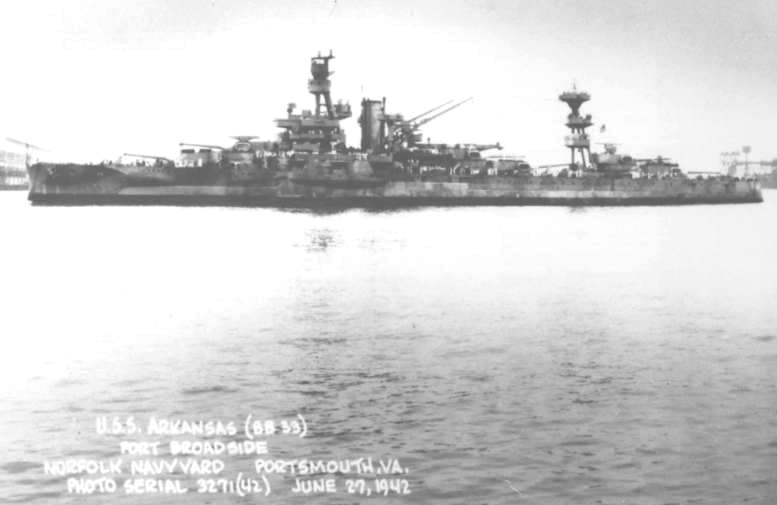
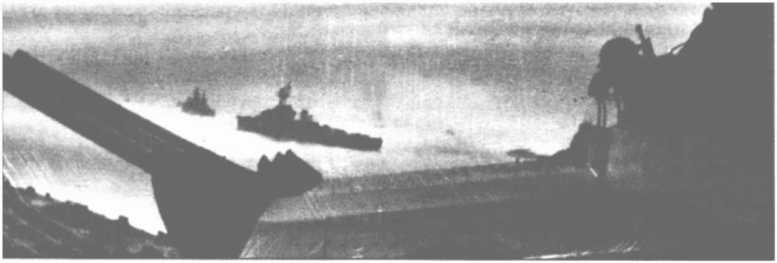
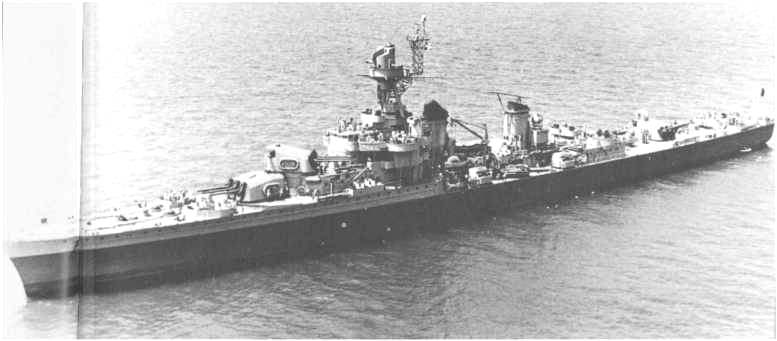
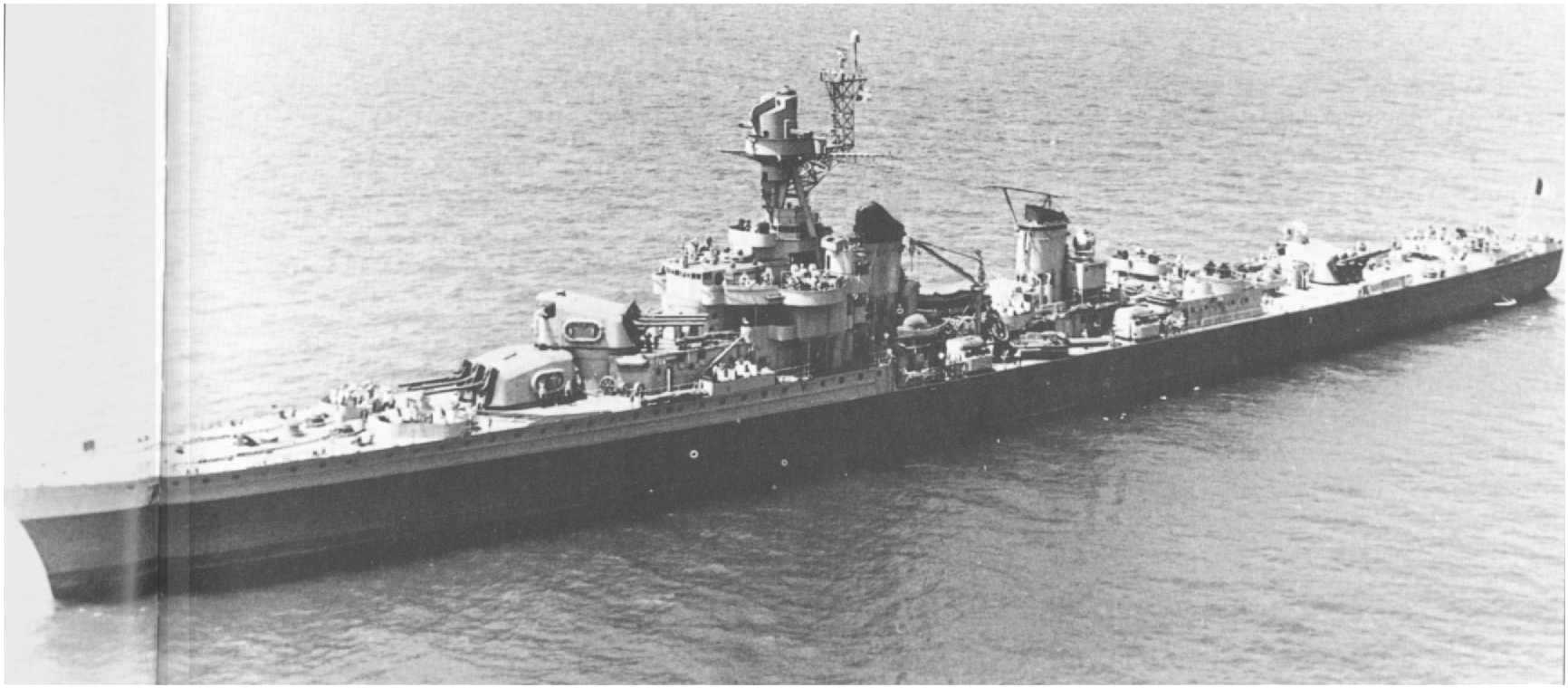
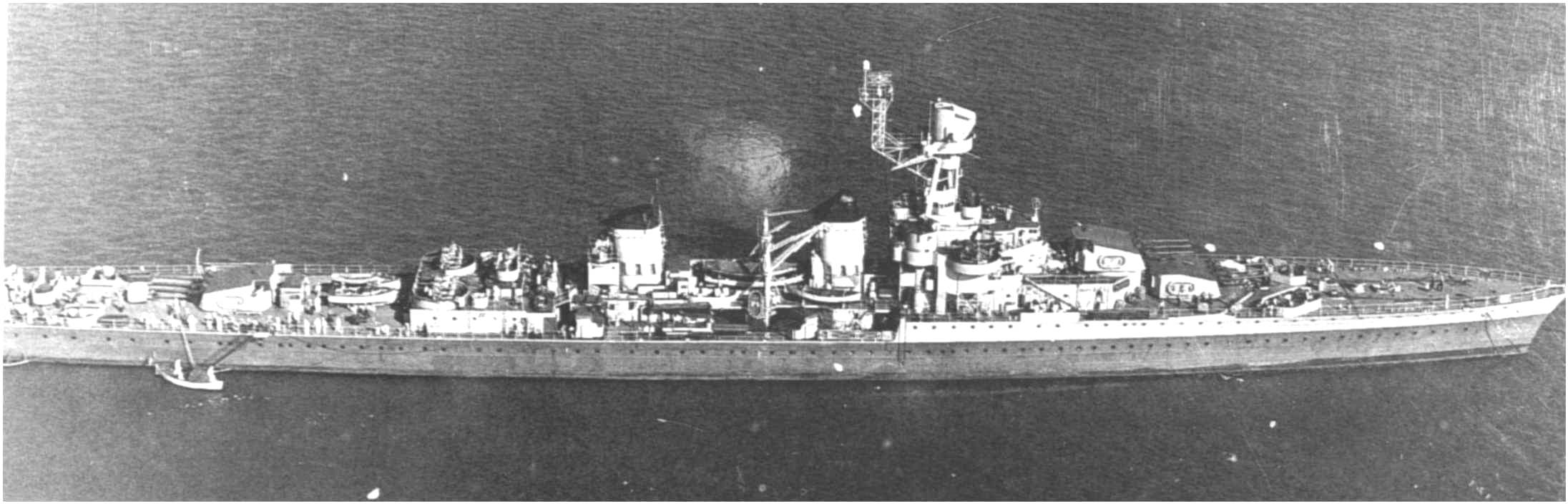
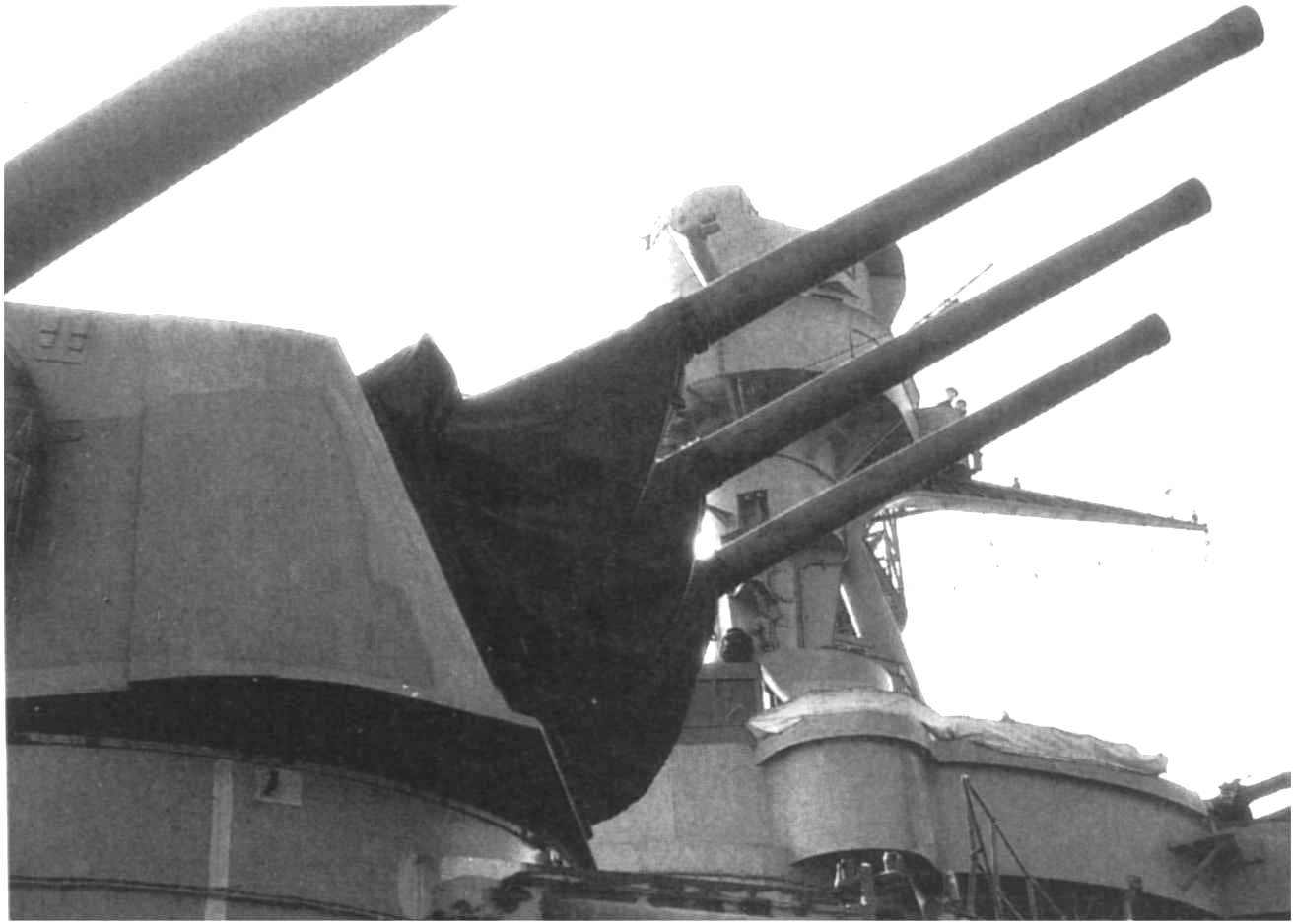
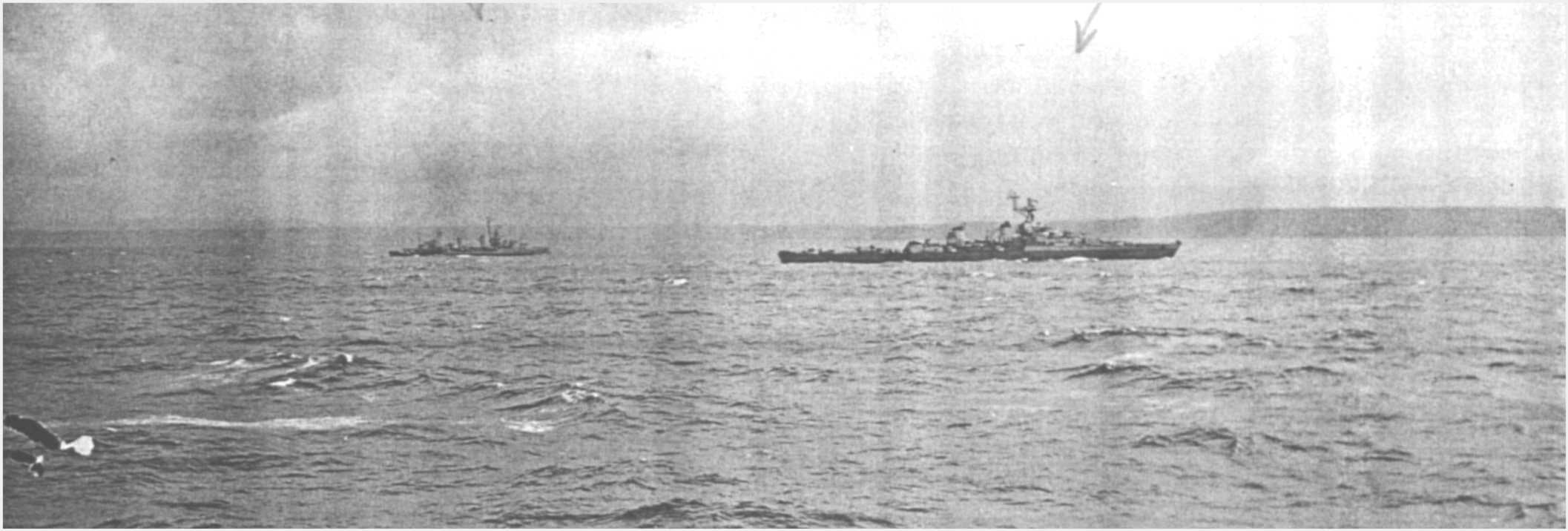
The fire support group FSG2 ("Fire Support Group N°2) was wet in front of Colleville and consisted of the old USS "Arkansas" battleship armed with 12 305mm guns and French light cruisers "Georges-Leygues" and "Montcalm" armed each with 9 150mm guns.
He was to act against the WN of Saint Laurent, the Ruquet and Colleville and against the German battery of Longues (4 marine guns of 150mm under concrete casemates).

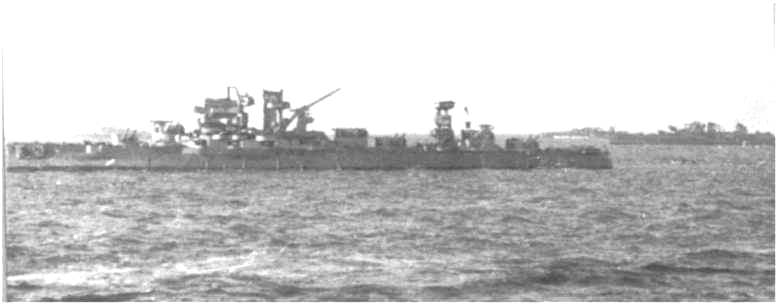
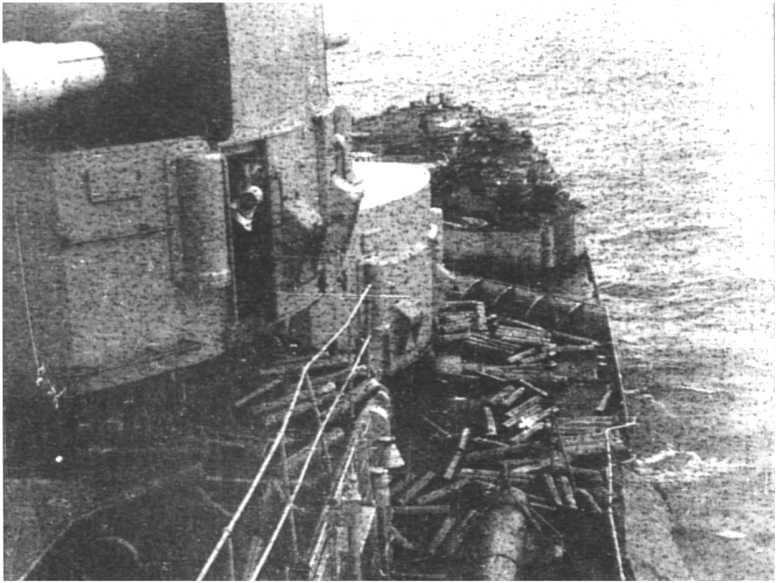
(details) the battleship "Arkansas" in 1942



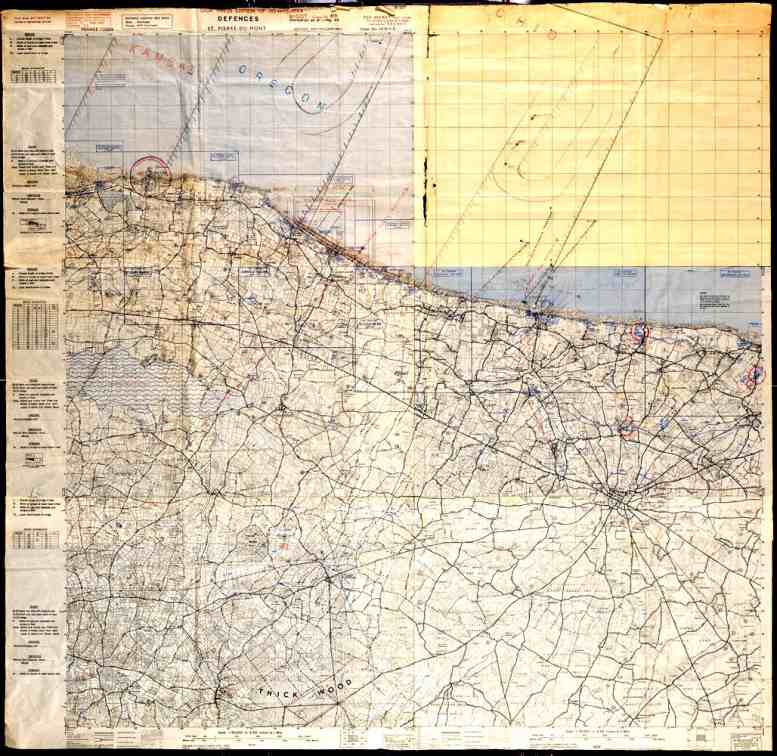
The map visible here is the reproduction of an original of 1m30 x 1m30 representing Omaha Beach and its hinterland, at 1/25000. This is a hand-assembled mosaic of six US maps at a scale of 1:25,000, overprinted in blue with all the German defences identified in the area covered. The installation was carried out on board the Montcalm and was used to locate the targets designated by the NSFCP (Navy Shore Fire Control Party) on land, in radio connection with the Montcalm. It was completed in coloured pencil by the men of Montcalm with numerous handwritten indications including the initial anchorage posts of the 5 large warships: Texas, Glasgow, Arkansas, Georges-Leygues and Montcalm. On the back was the legends German installations printed in blue.


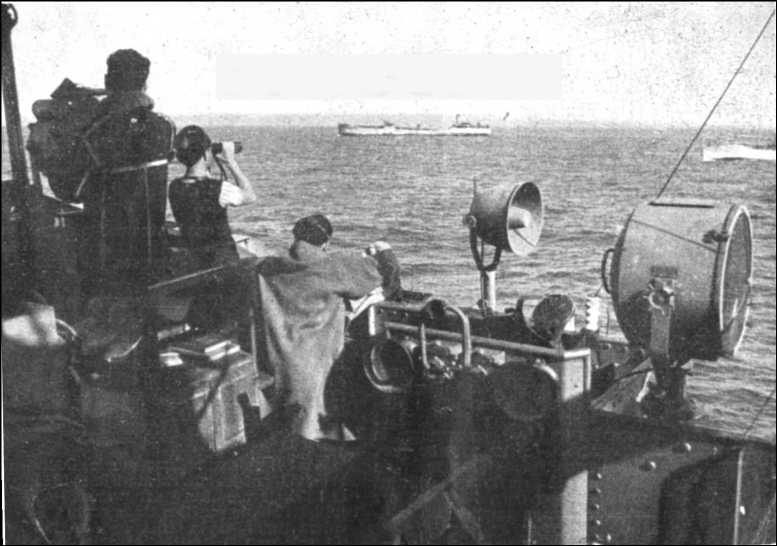

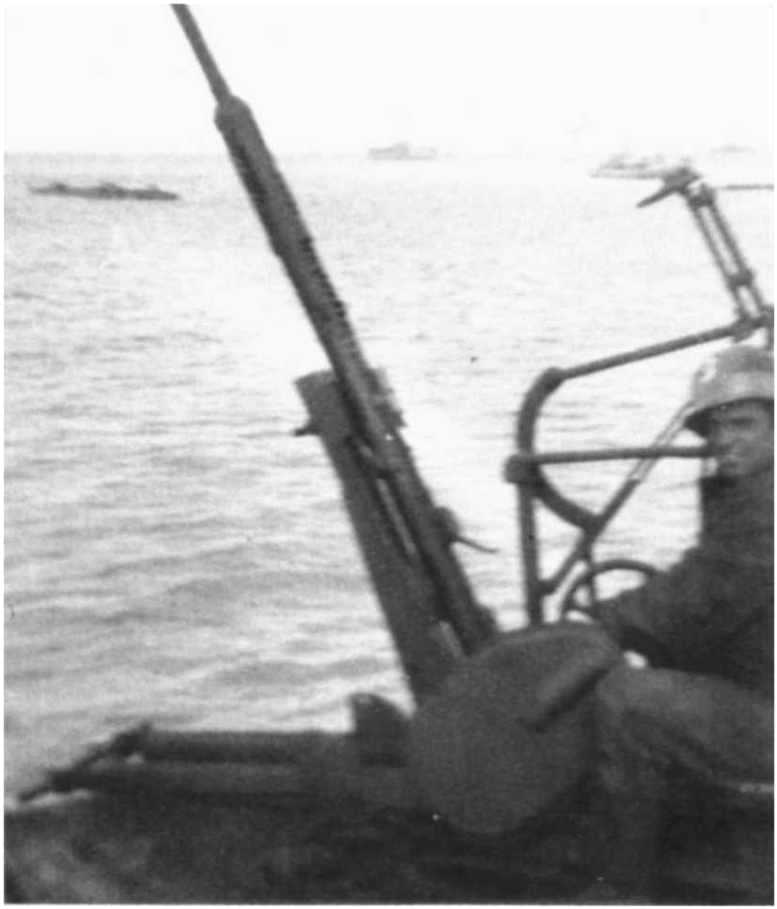
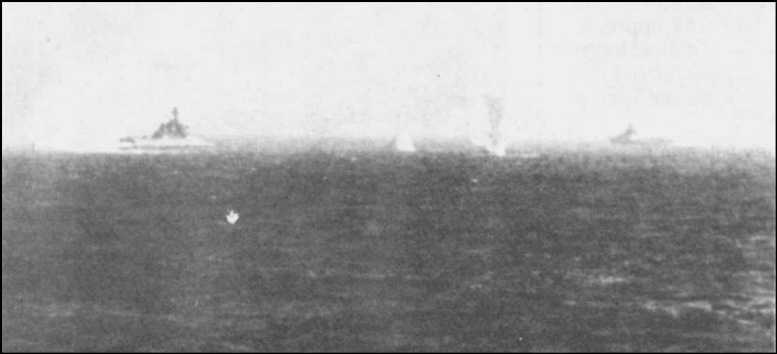






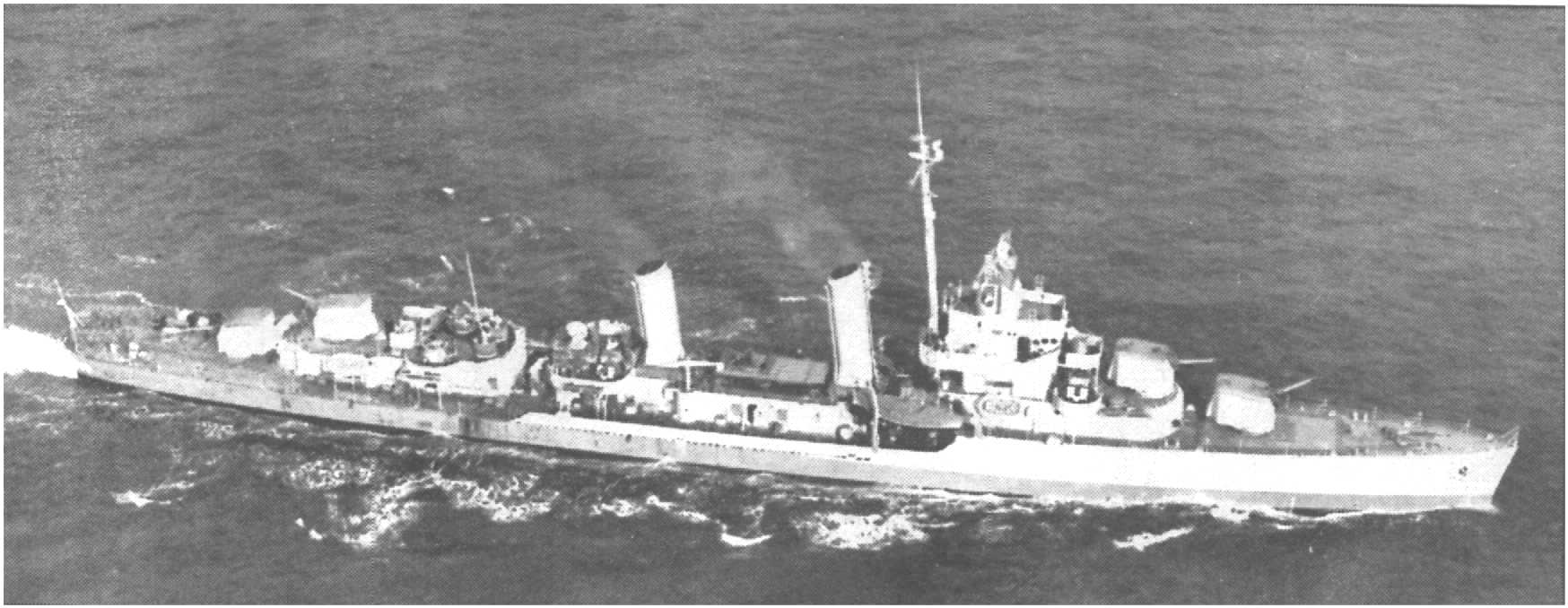
The FSG3 included destroyers (also providing protection for large vessels):
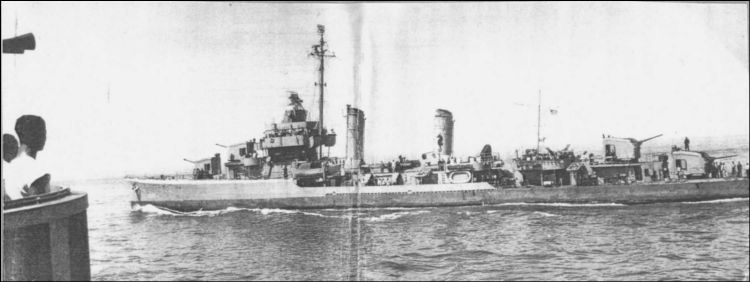
On the west side: destroyers Thompson, McCook, Carmick, and at the Pointe du Hoc the Talybont and Satterlee.
East side: destroyers Baldwin, Hardin, Melbreak, Emmons, Tanatside, Doyle.
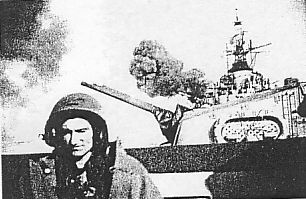
Shooting 3 or 4 miles from the coast, the destroyers "USS Thompson" and "USS Mc Cook" were to send hundreds of 127mm shells on the defences of the Point of Percaea (WN74) for the "Thompson" and the WN 72 and 71 at the descent of Vierville for the "Mc Cook". The Harding was at the beginning of the day in front of Colleville.
The destroyer "USS Carmick" fired 250 127mm shots on the WN 70.
Other smaller vessels formed the FSG4 and were required to fire more closely at the beach defences, taking advantage of their low draught:
FSG41: (ensuring the direction of the FSG4), including all PC or SC patrollers also responsible for marking beaches: from west to east: PC567, PC568, PC1225 (all 3 in front of Vierville), PC618, SC1360, PC553, SC1291, PC552, SC1337
Patrol PC568 was to fire at WN70 and 71.
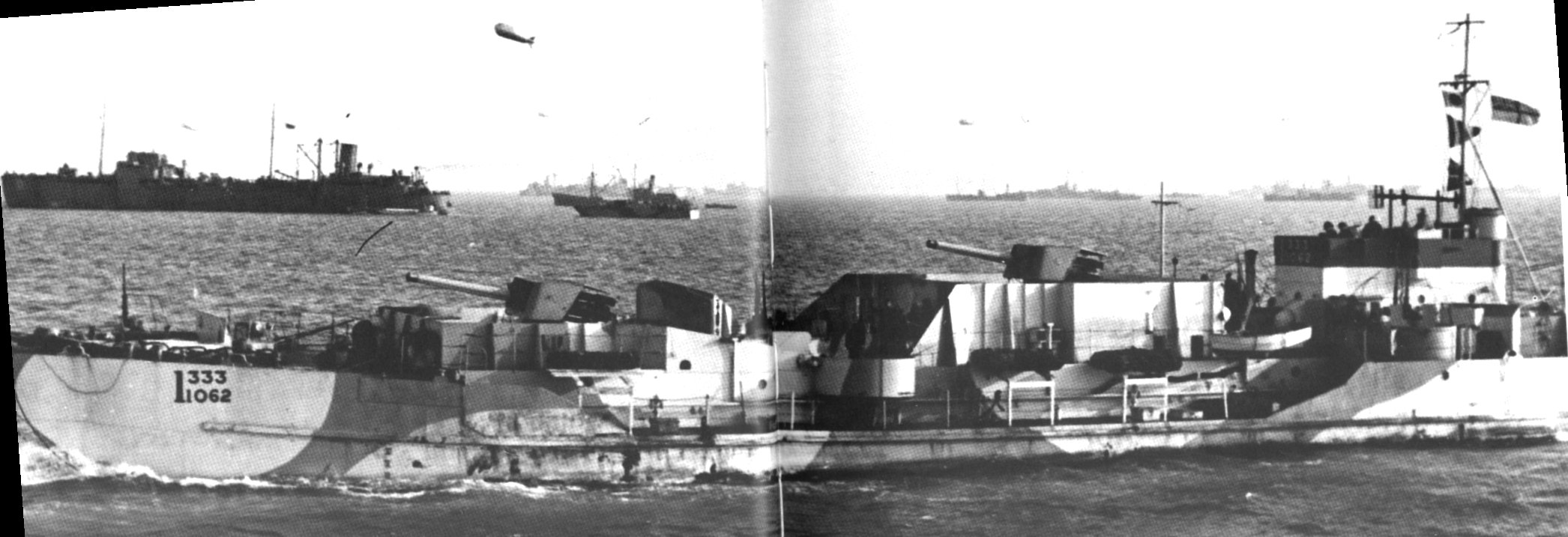
FSG42: all LCT(G): west of LCG424, 426, 449. East of the LCG 687 and 811.
In front of Vierville, there was the LCT(G)424 (Landing Craft Tank, Guns), of the Royal Marines, with two 114 mm guns, accompanying the wave of head assault, and which was to fire at 0600 hours a hundred shells on fortified points spotted at Vierville.
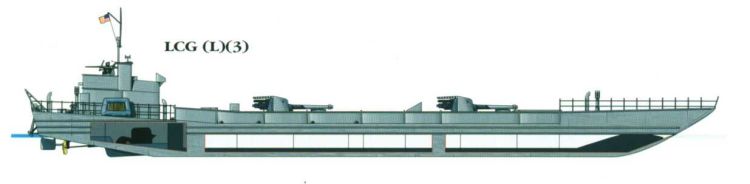
Plan of an LCT (G)

(details)Royal Navy LCT(G) 1062
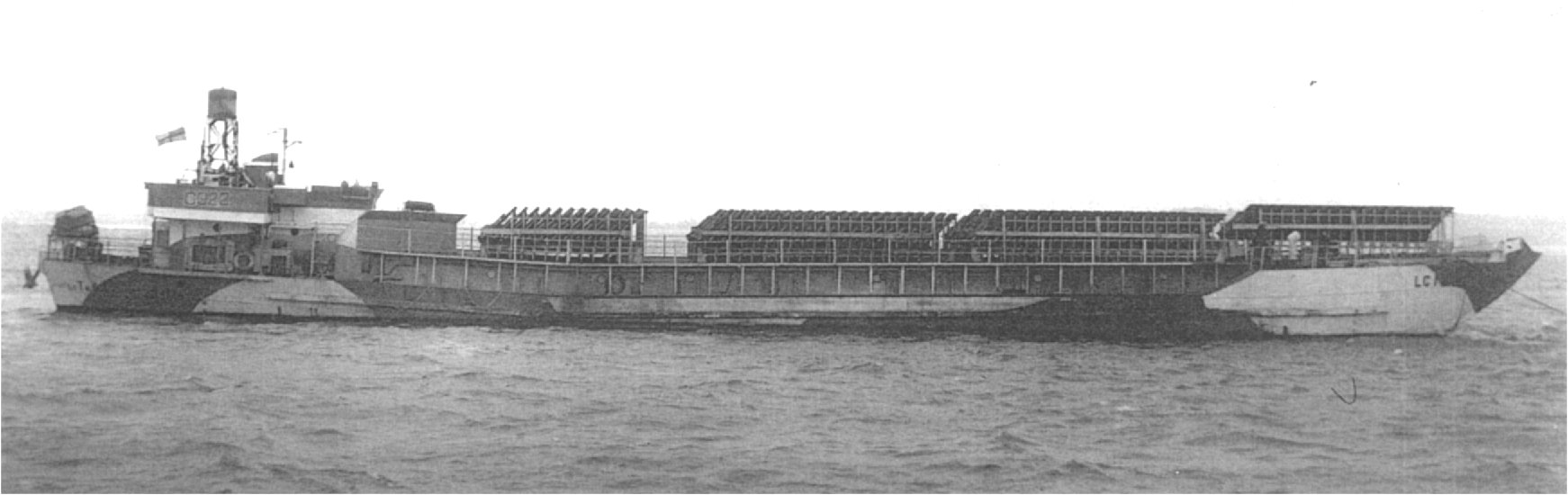
FSG43: included all LCT(R) (Landing Craft Tank, Rockets):
From the west to the east, there are LCT(R) 366, 423, 447, 450, 452, 464, 473, 482, 483
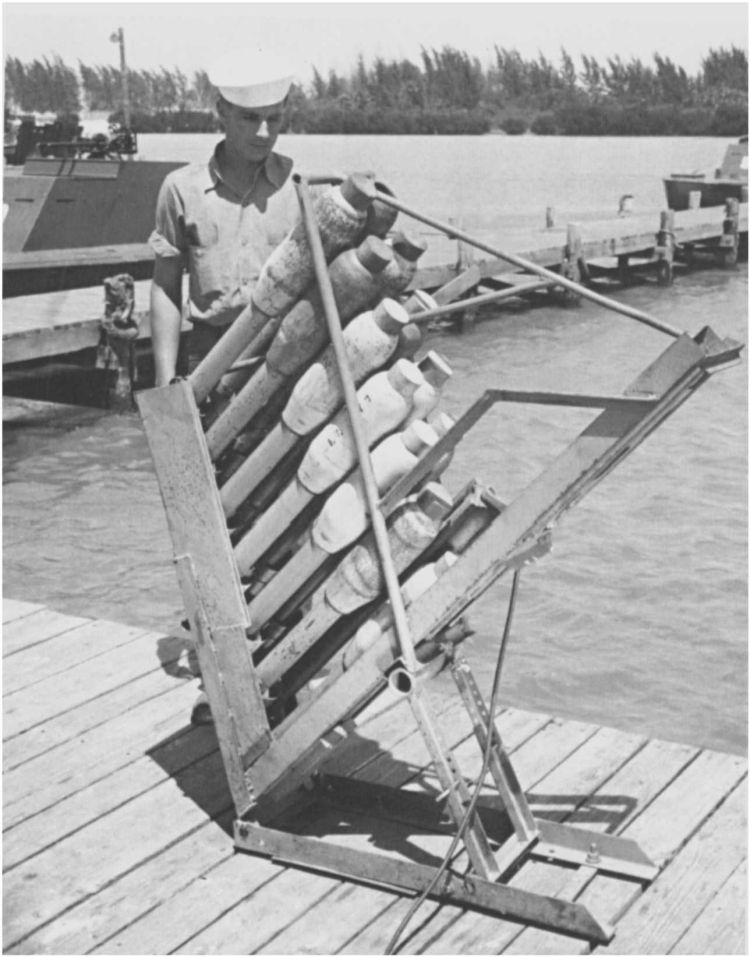
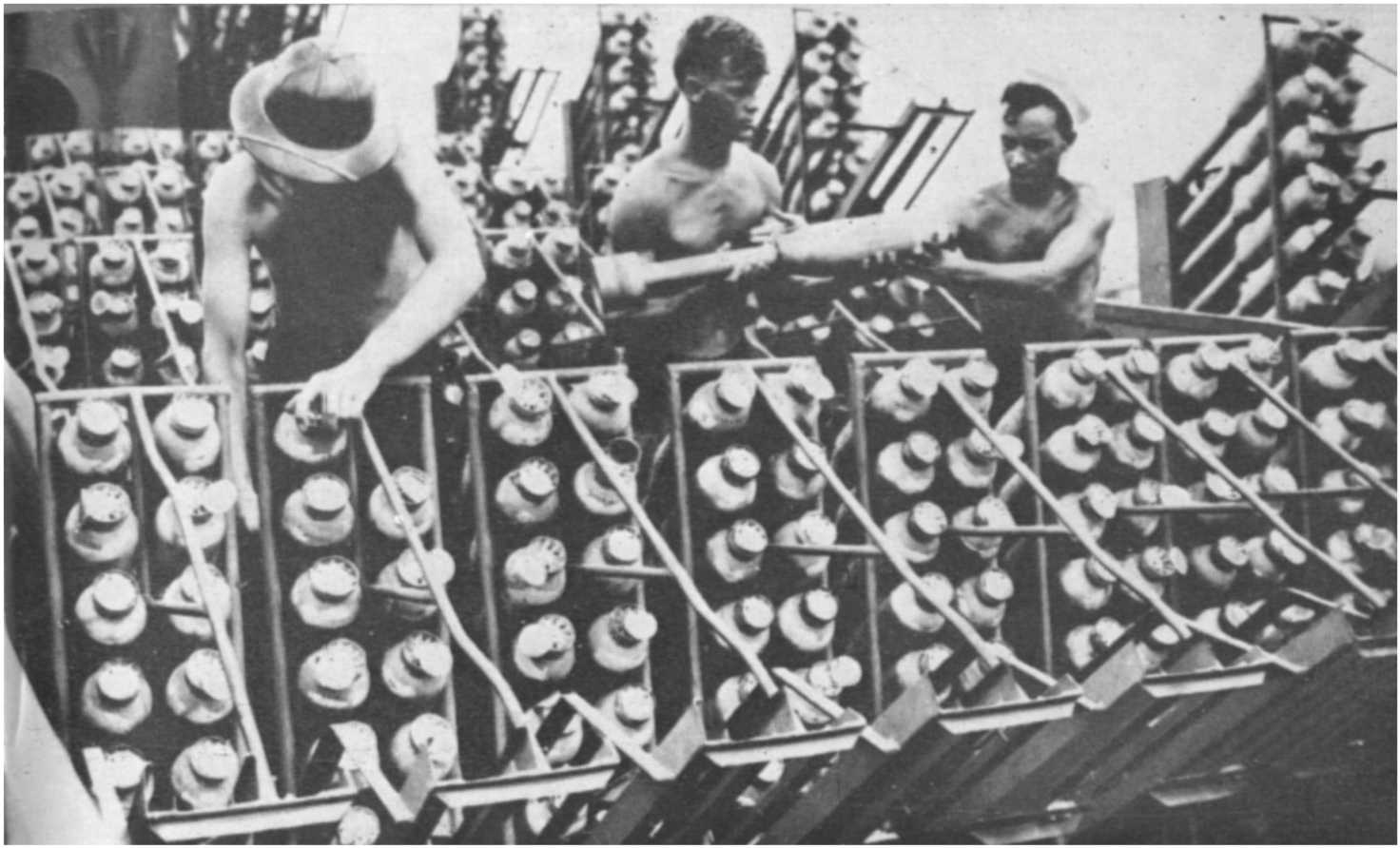
3 were in front of Vierville: LCT(R) 366, 423 and 447, wet at 3,000 meters from the shore, each had to fire 1,000 rockets around the WN72 and WN 70 when the wave of leading assault would be 300 meters from the beach (6h20).
These vessels were CTLs modified by the installation of a thousand 100mm rocket launchers.
They then had to reload their rocket launchers and be able to fire again if necessary at 10 a.m. That was not the case.
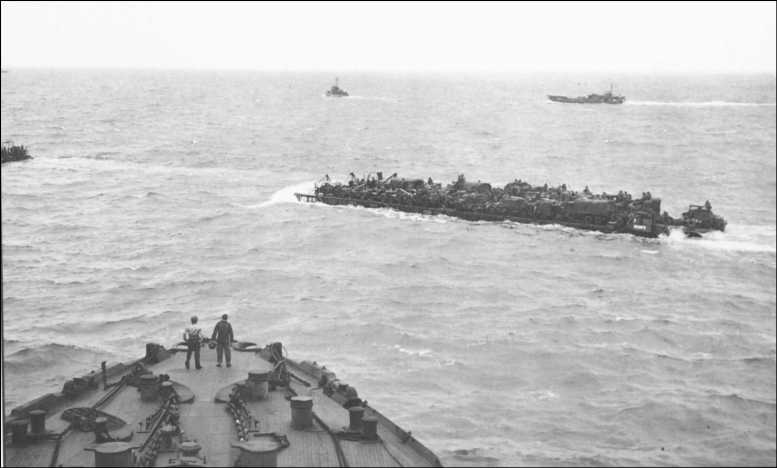
FSG44: included, in front of Vierville, the 4 LCT(A) loaded with the 8 standard Shermans and 4 Shermans-dozers. The standard Shermans were to fire 150 shells from their starting line 2700m from shore.
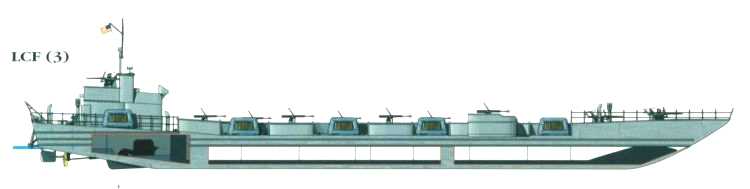
FSG45: included LCF (Landing Craft Flak) anti-aircraft barges, scattered throughout the area.


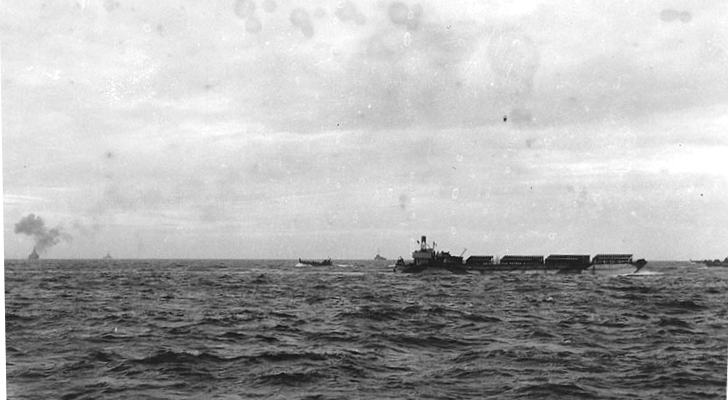

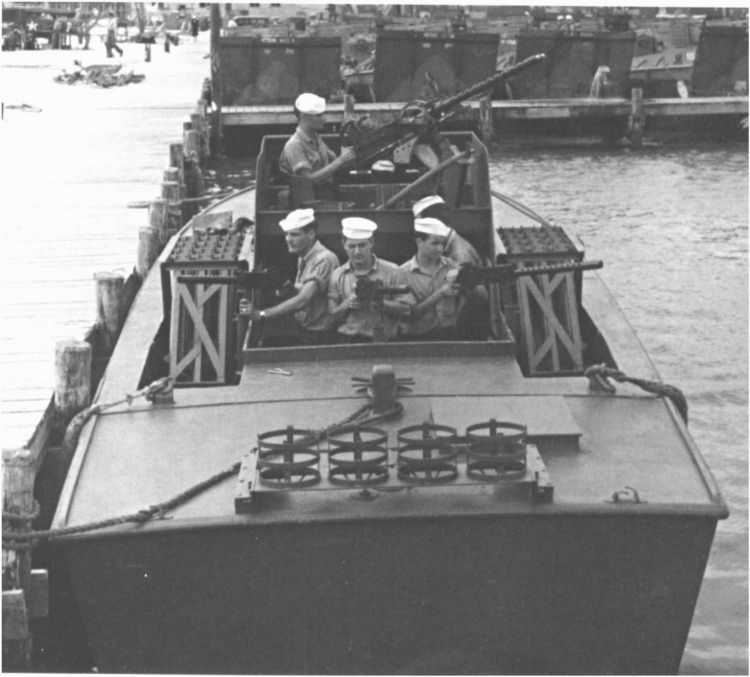
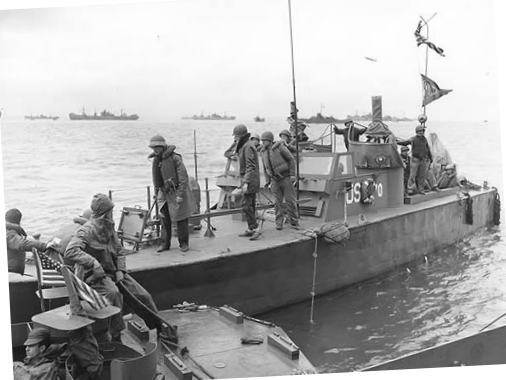
The FSG5 included LCT(HE) carrying 105mm howitzers on self-propelled armoured chassis, which were to follow the FSG43. In particular, LCT 464, carrying howitzers from the 58th Armored Field Artillery Battalion, was to land at 08:00 on Dog White. These howitzers were arranged to fire from their LCT, starting at a distance of 8,000 metres at about 0600 and ending at 3,700 metres at 0625. Their allocation was 100 shells per cannon.
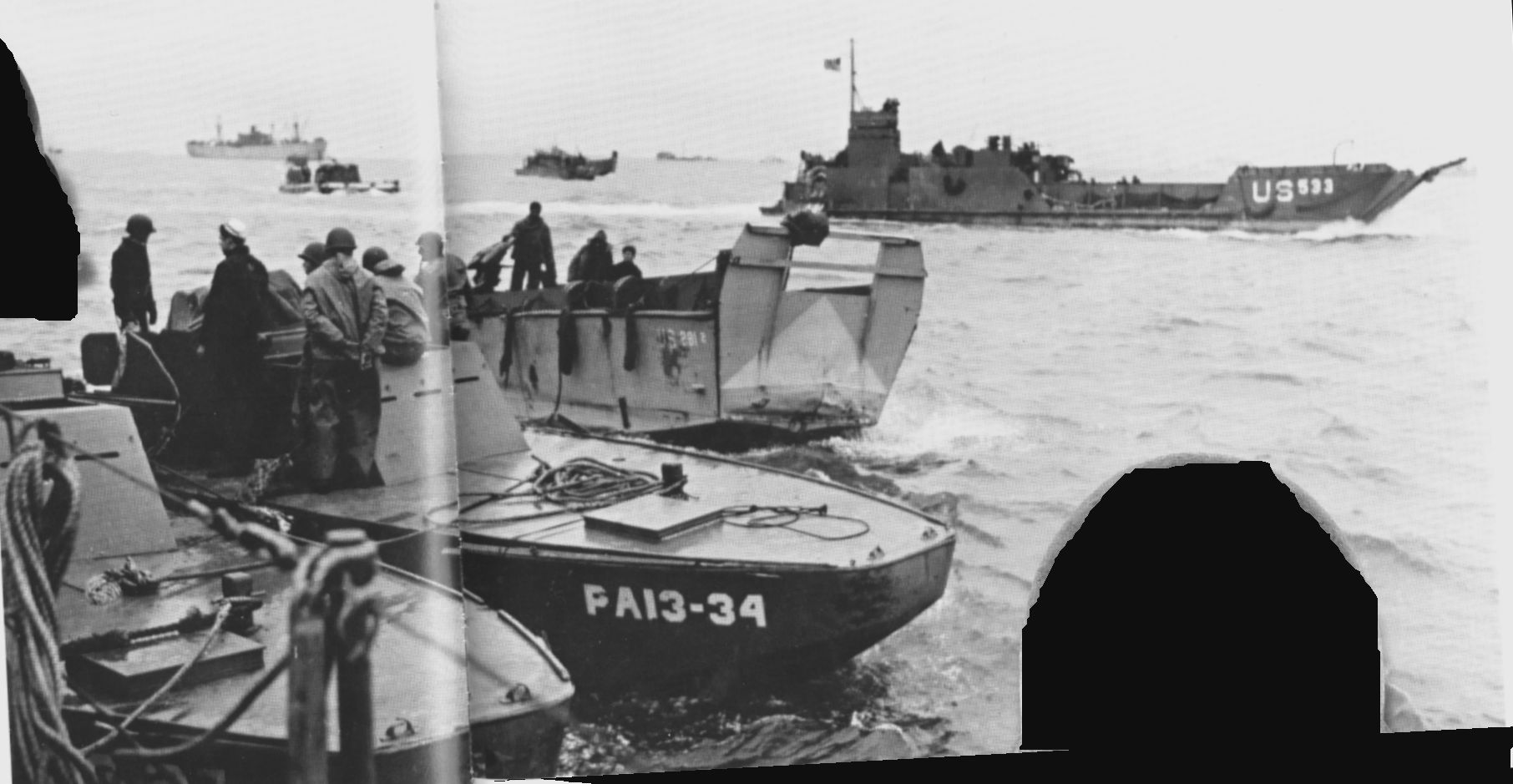
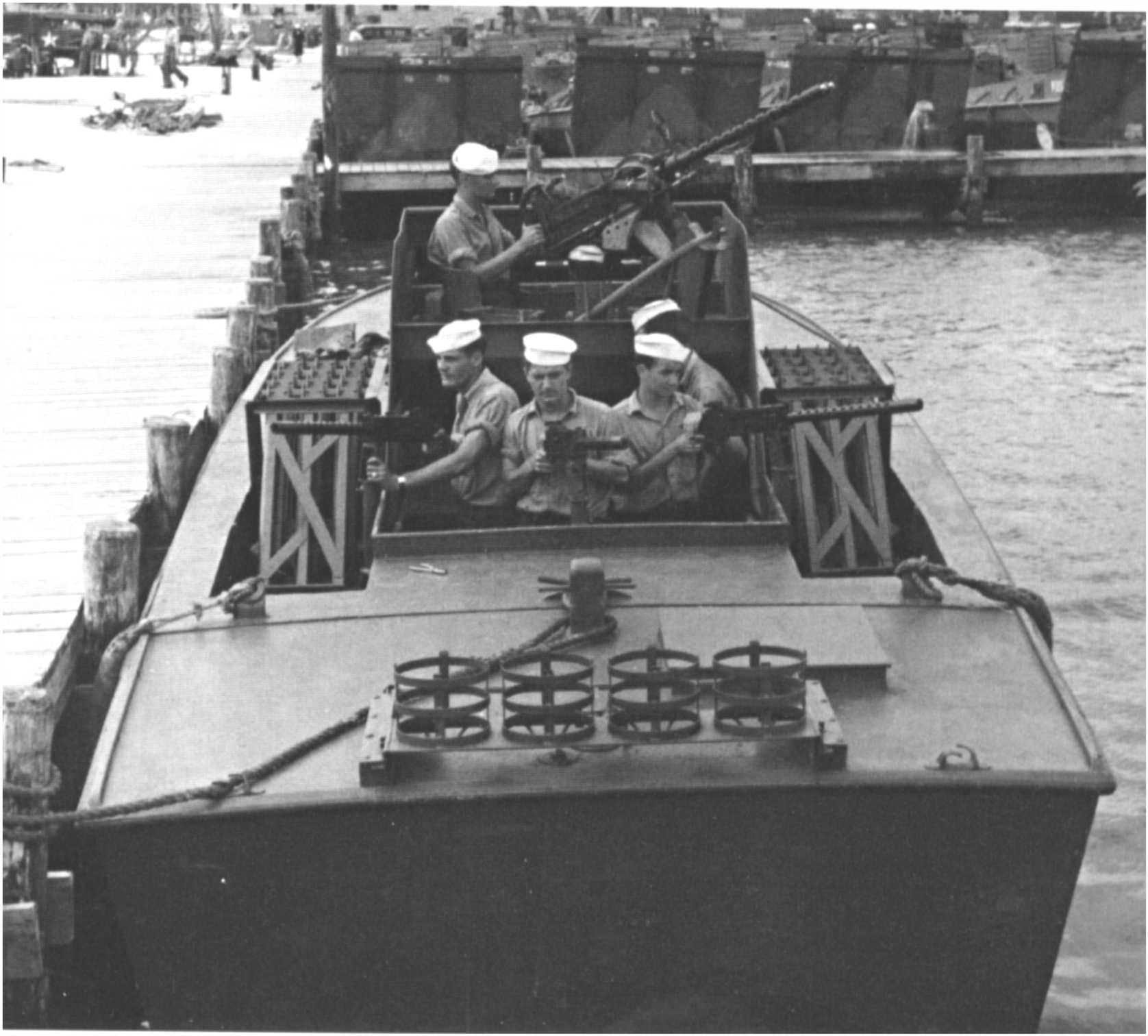
The FSG62 included 12 LCS (Landingcraft Support), including the 6 LCS to accompany and guide the LCT loaded with tanks to Dog Green and Dog White, and then to get closer to the coast (through their very low draught) and provide fire support at the first wave until 7:30 a.m. These LCS, small vessels, had been transported by LSI "Carrol" and Jefferson" and LST310, 315, 317, 375.
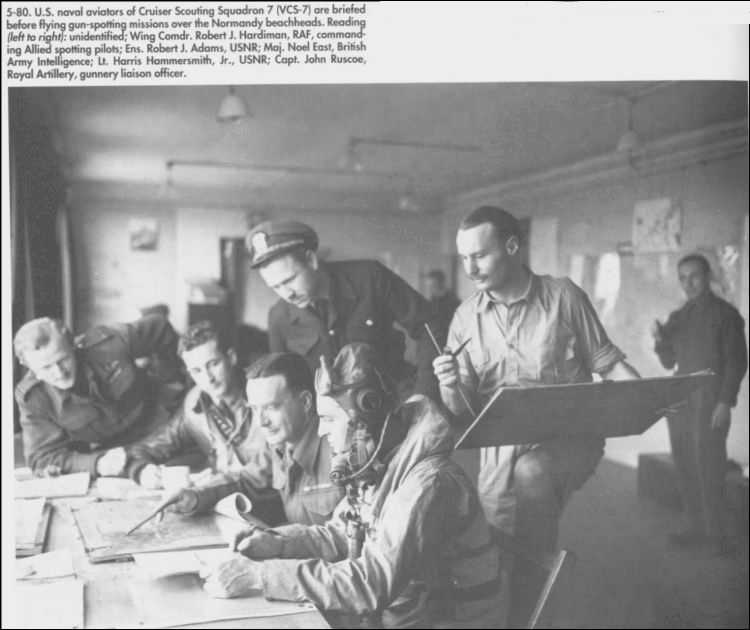
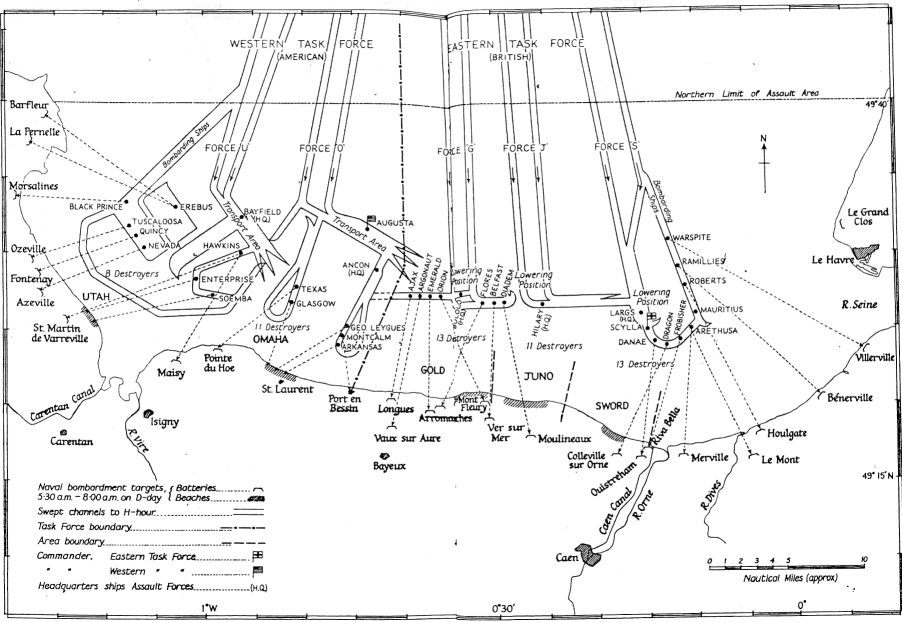

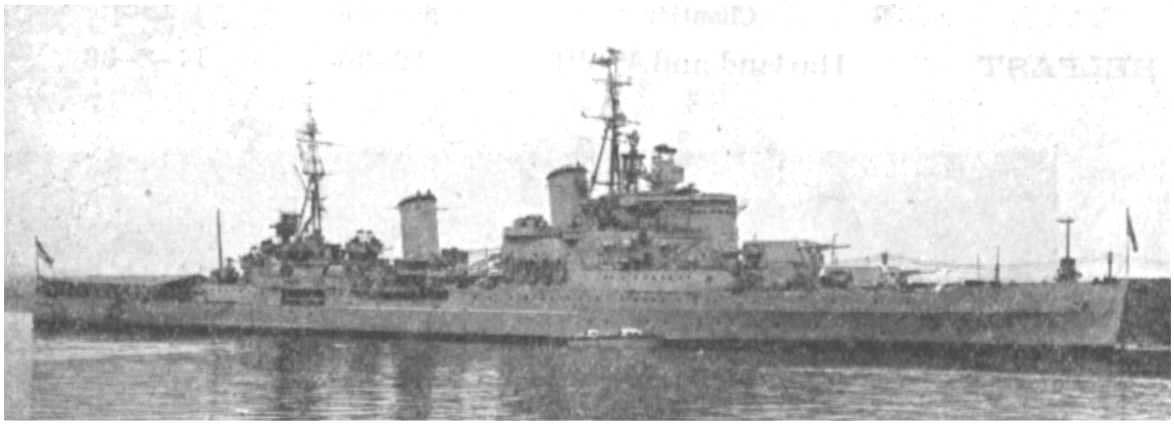
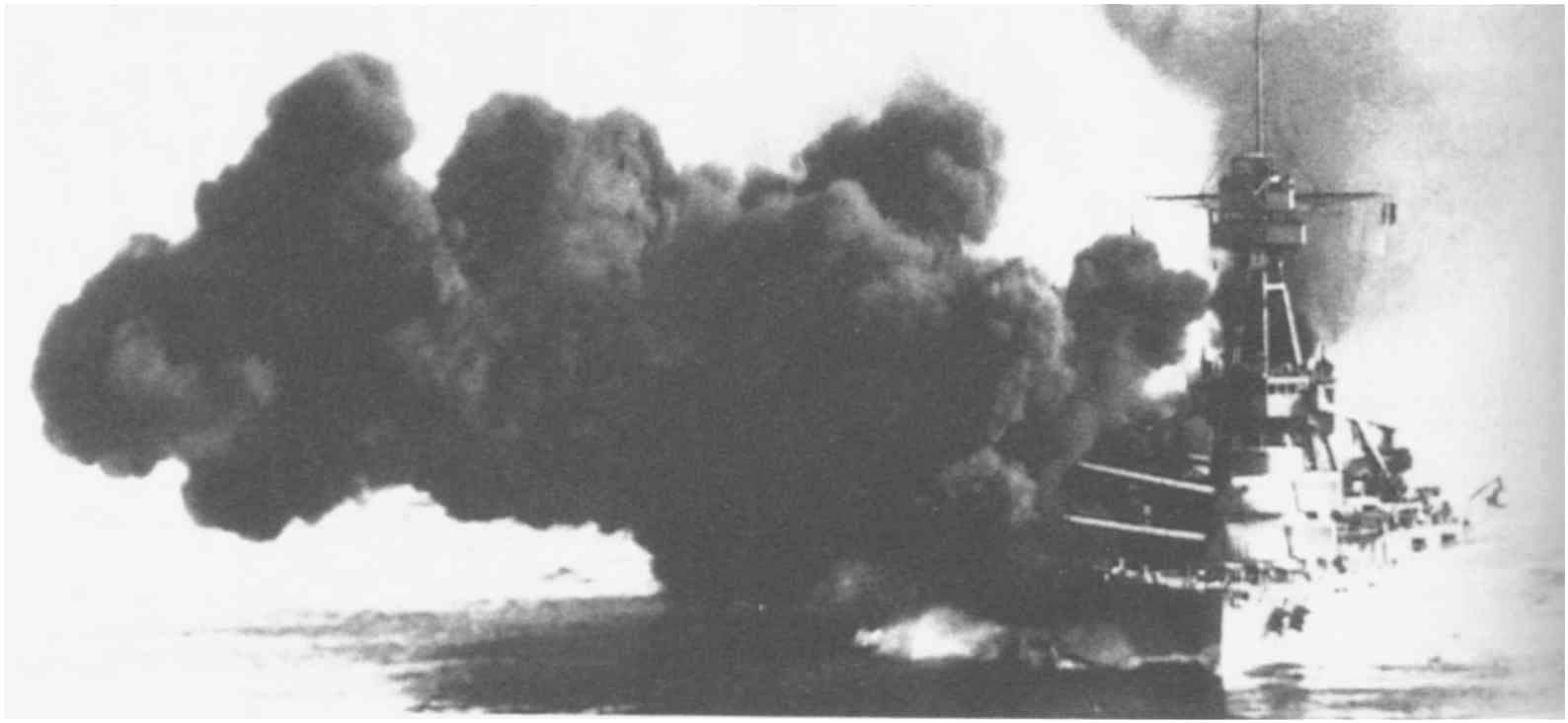


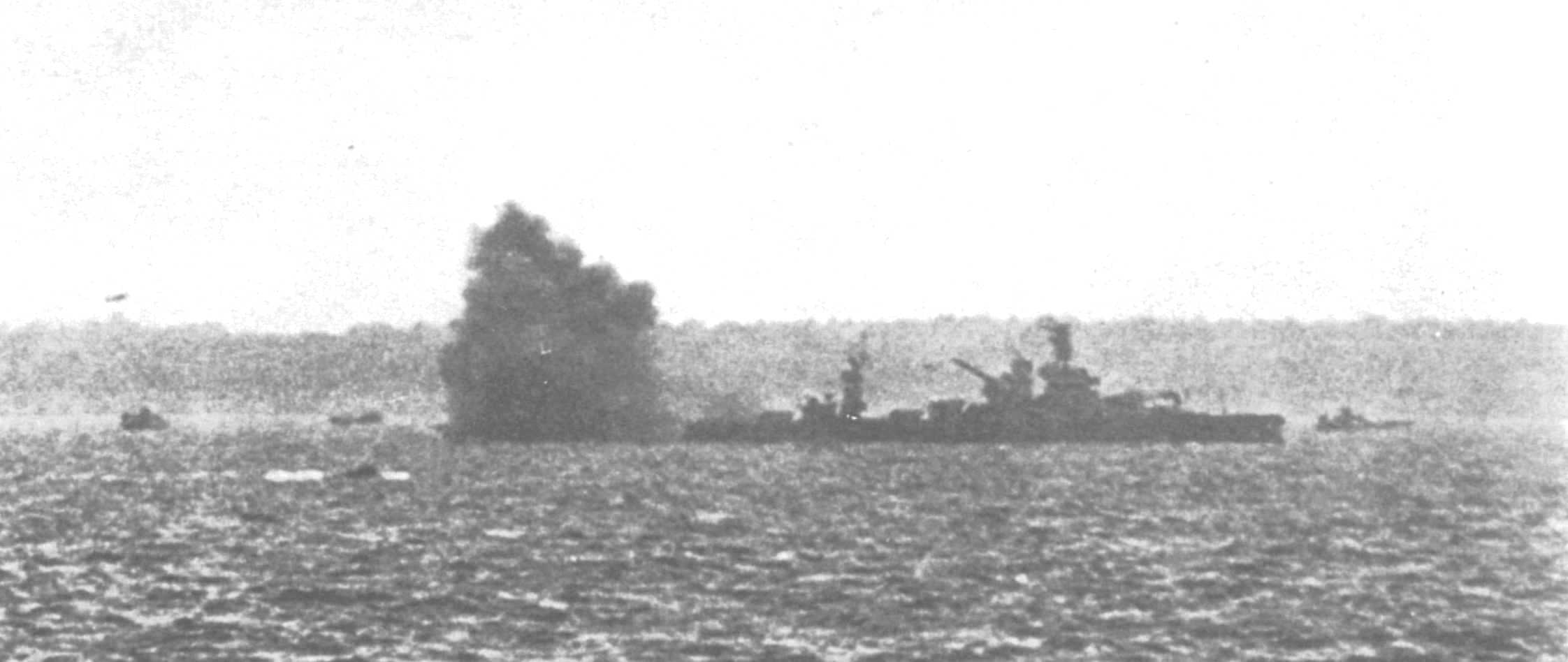




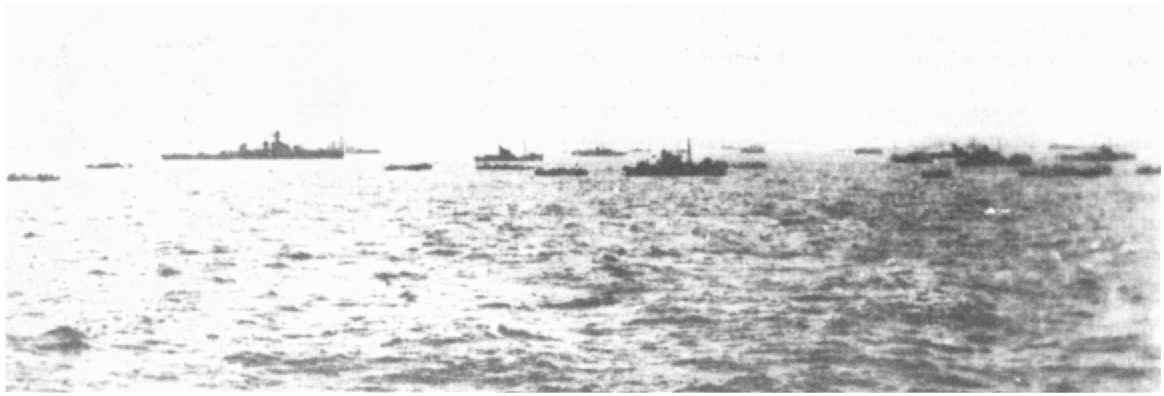






From H-hour, naval fire was to be transferred to inland targets, waiting for indications from the Naval Land Fire Control Groups (NFSP) and assigned to the assault battalions (4 NFSCP for Vierville, Battalions 1, 2 and 3/116, and Rangers). The following is the breakdown of the Naval Link Groups (NSFCP) between ships and shore units:

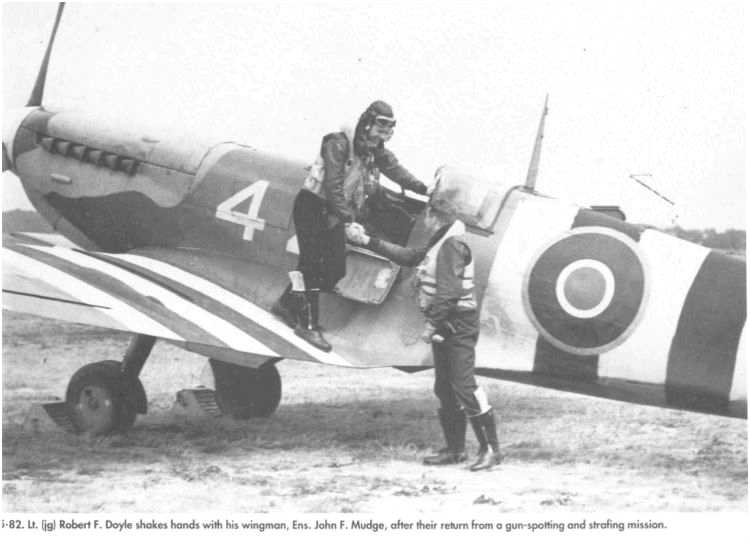
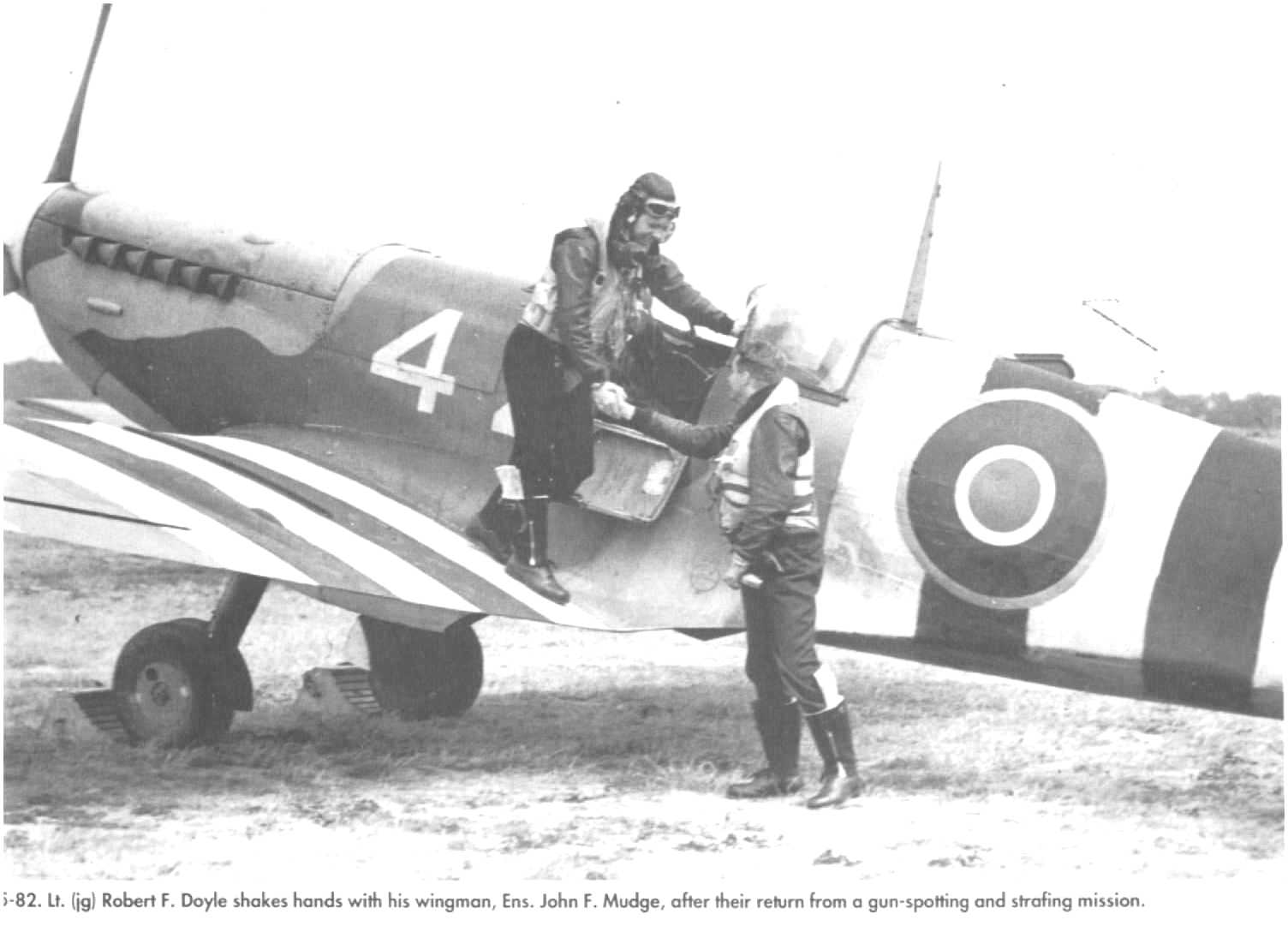
Observation aircraft were available until H + 5 hours (11:30 am). For this work, pairs of Spitfire single-seaters were chosen, one ensuring observation and adjustment of the shots, the other protecting. Slower planes would have been too vulnerable. Some were flown by British, others by Americans reconverted USNavy aircraft (LtCommander Denton VCS7 Squadron, USN). For 400 sorties on 6 June, 6 of these aircraft were shot down by Flak on all beaches.