
(details) LCI and LCVP
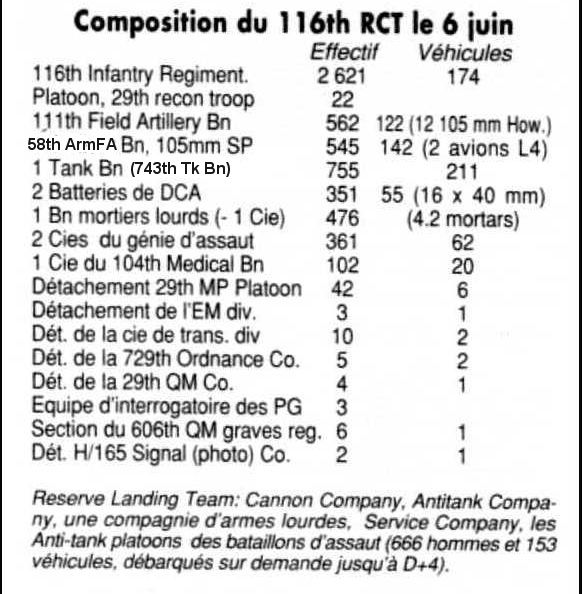

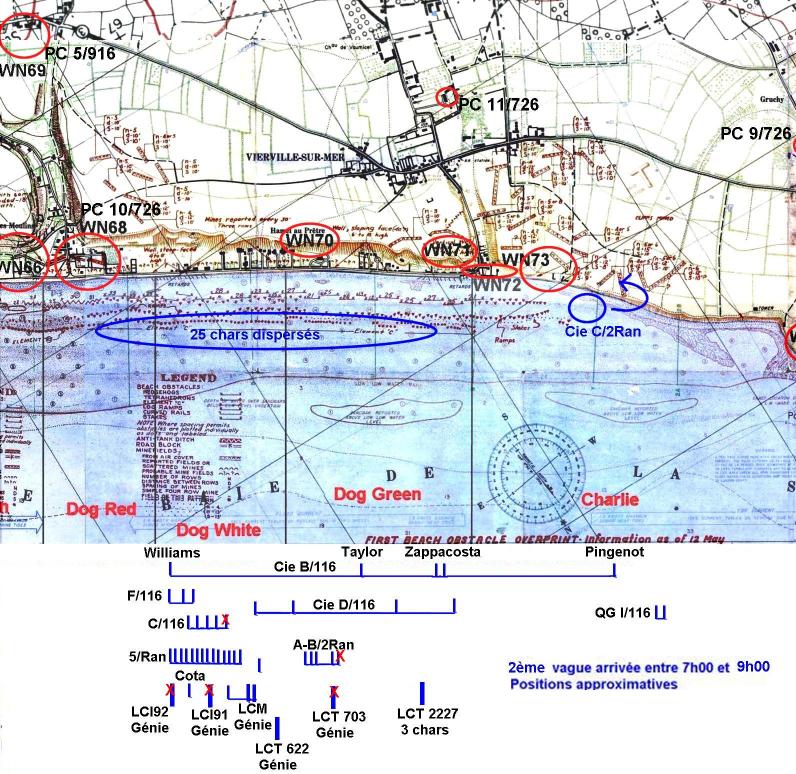

116th Regiment Command Group and General Cota
Disembark on Dog White at 7:30 a.m.
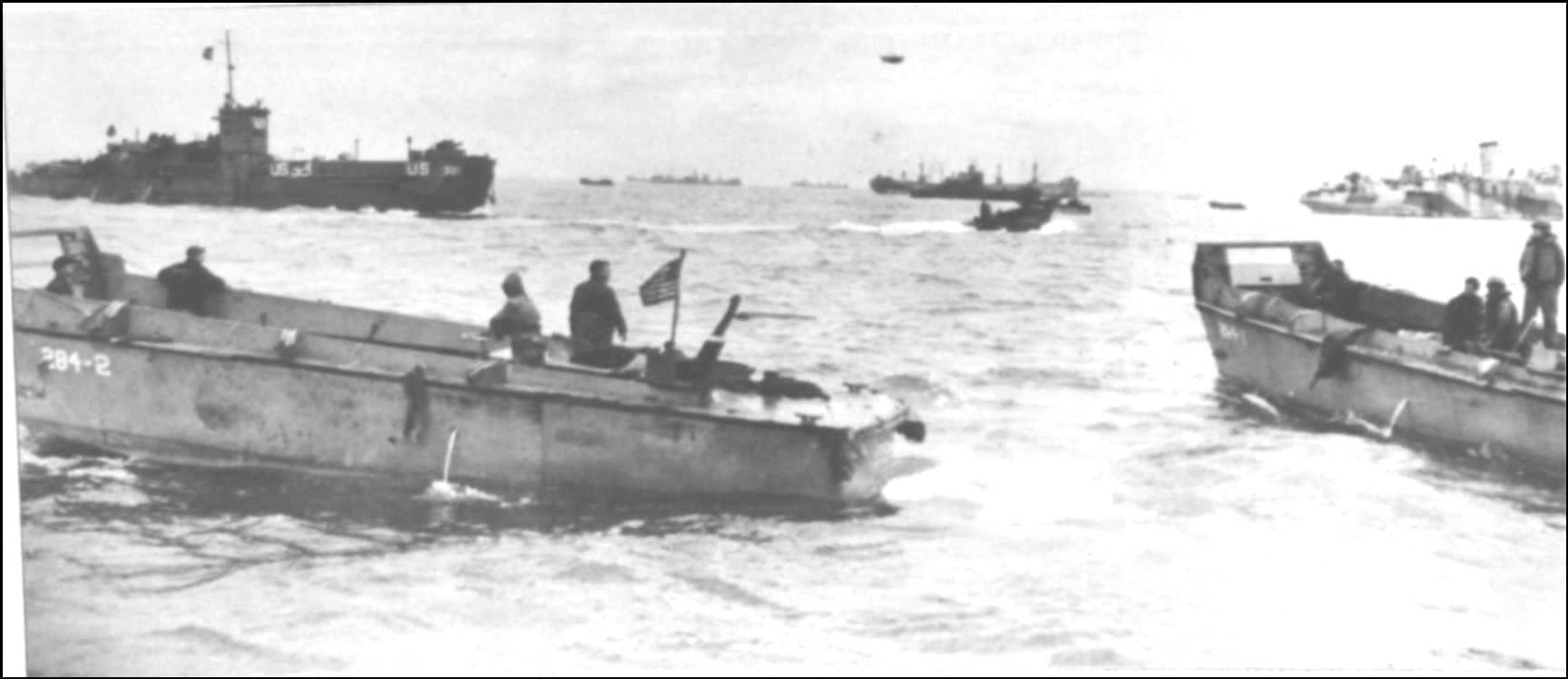
LCVP 71, landed at 7:30 a.m. on Dog White, on command group of the 116th Reg.Colonel Canham, CO. 116th Regiment, Colonel Metcalfe, CO. 1st Battalion
and Brigadier-General Norman Cota, representing the Commander of the 29th Division (which, from 7 June, was to take over control of the ground operations of its units in the 1st Division).
Upon arriving at the beach, LCVP 71 hung on an obstacle bearing an anti-tank mine. The boat was climbing and descending with the ressack, but the mine did not explode and finally it stalled (there are several testimonies that suggest that many of these landmines used under water with questionable watertightness became inert)
The LCVP was in 1 meter of water, under the fire of machine guns and light guns. Three men, including Major John Sours, S4 officer in the regiment, were killed on the ramp.
Private Felix Branham was in the boat. He says: "Colonel Canham, who had a BAR gun and a Colt 11mm gun, was directing us. He fired at the BAR, which was torn from his hands, and continued with the Colt. He wasn't afraid."
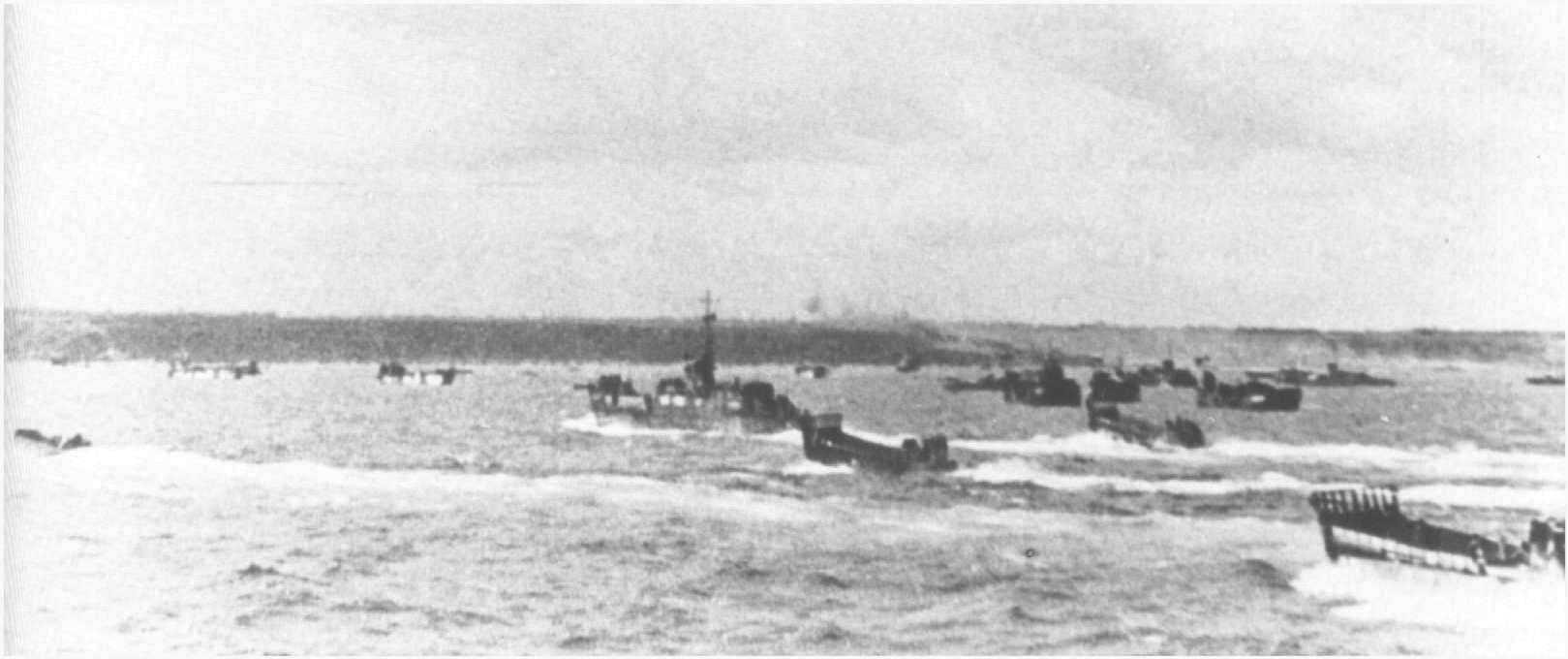
Shortly after, at about 7:50 a.m., the LCI 91 arrived on Dog White, and was burned by artillery, in the middle of the beach (facing the 1st US cemetery). They carried mostly elements of the engineers but also staff troops from the 116th Regiment. While these troops were disembarked and sustained casualties, they strengthened the Command Group, which was perfectly positioned to play a major role in the immediate aftermath of operations and the capture of Vierville.
A total of 700 infantrymen and Rangers are available and grouped. When General Cota and Colonel Canham arrived at the pebbly slope, they saw that the original idea, going through the Vierville Valley, was unrealizable. The infantry also could not remain on their pebbly slopes exposed to increasing mortar fire. It was necessary to cross the pebbles, cross the low area and probably mined beyond, then climb on the grassy slopes of the cliff, get the Germans out of their trenches and take the valley on the reverse.
Lieutenant Shea, the General's aide-de-camp, described Cota as follows: "In self-exposed fire, General Cota advanced beyond the slope, encouraging and stimulating the men, personally supervising the installation of a BAR gun-mutter, and directing his shot on the cliff in front. He had a Bangalore explosive pole placed to blow up the barbed wire behind the slope and he was one of the first 3 men to cross it."
6 mortar shells fell in the vicinity, killing 3 men and injuring 2, Cota remained unharmed. "At the head of a column of various troops, he traced a path to the foot of the cliff and launched the troops on that cliff from which they could effectively fire at the enemy." Behind him, the engineers with their mine detectors began to delimit a cleared passage through the low area under the cliff, using white strips.
"Lieutenant Shea moving with the 29th Div intelligence officer. On the seaside road near the ruined villas saw 2 Germans, out of 5 of a group of prisoners, fall under the bursts of machine guns of their own troops, while they were driven by their American guards. Survivors knelt in the open. "They seemed to be begging the machine gunner on the cliff east to spare them." remembers Lt. Shea. "The next gust struck the first in the chest, and as he fell the two survivors sheltered behind the wooden wall of the seafront with their guards." There was no pity.